Hechos 9
Sahidica - طبعة جديدة من العهد الجديد باللغة القبطية الصعيدية · Toca un versículo para ver sus referencias cruzadas.
1ⲤⲀⲨⲖⲞⲤ ⲆⲈ ⲈⲦⲒ ⲚⲈϤⲘⲈϨ ⲚⲀⲠⲒⲖⲎ ϨⲒ ϨⲰⲦⲂ ⲈϨⲞⲨⲚ ⲈⲘⲘⲀⲐⲎⲦⲎⲤ ⲘⲠϪⲞⲈⲒⲤ. ⲀϤϮ ⲠⲈϤⲞⲨⲞⲒ ⲈⲠⲀⲢⲬⲒⲈⲢⲈⲨⲤ 2ⲀϤⲀⲒⲦⲒ ⲈⲂⲞⲖ ⲚϨⲈⲚⲈⲠⲒⲤⲦⲞⲖⲎ. ⲈⲂⲞⲖ ϨⲒⲦⲞⲞⲦϤ ⲈⲆⲀⲘⲀⲤⲔⲞⲤ ϢⲀ ⲚⲤⲨⲚⲀⲄⲰⲄⲎ ϪⲈⲔⲀⲀⲤ ⲚⲈⲦϤⲚⲀϨⲈ ⲈⲢⲞⲞⲨ ⲈⲂⲞⲖ ϨⲚ ⲦⲈϨⲒⲎ ⲚⲢⲰⲘⲈ ⲀⲨⲰ ⲚⲈϨⲒⲞⲘⲈ. ⲈϤⲈϪⲒⲦⲞⲨ ⲈⲨⲘⲎⲢ ⲈϨⲢⲀⲒ ⲈⲐⲒⲈⲢⲞⲤⲞⲖⲨⲘⲀ. 3ⲀⲤϢⲰⲠⲈ ⲆⲈ ⲈϤⲘⲞⲞϢⲈ ⲚⲦⲈⲢⲈϤϨⲰⲚ ⲈϨⲞⲨⲚ ⲈⲆⲀⲘⲀⲤⲔⲞⲤ. ϨⲚ ⲞⲨϢⲤⲚⲈ ⲀⲨⲞⲨⲞⲈⲒⲚ ϢⲀ ⲈϨⲢⲀⲒ ⲈϪⲰϤ ⲈⲂⲞⲖ ϨⲚ ⲦⲠⲈ. 4ⲀⲨⲰ ⲚⲦⲈⲢⲈϤϨⲈ ⲈϨⲢⲀⲒ ⲈϪⲘ ⲠⲔⲀϨ ⲀϤⲤⲰⲦⲘ ⲈⲨⲤⲘⲎ ⲈⲤϪⲰ ⲘⲘⲞⲤ ⲚⲀϤ. ϪⲈ ⲤⲀⲨⲖⲈ ⲤⲀⲨⲖⲈ ⲀϨⲢⲞⲔ ⲔⲠⲎⲦ ⲚⲤⲰⲒ. 5ⲠⲈϪⲀϤ ⲆⲈ ϪⲈ ⲚⲦⲔ ⲚⲒⲘ ⲠϪⲞⲈⲒⲤ. ⲠⲈϪⲈ ⲠϪⲞⲈⲒⲤ ⲆⲈ ϪⲈ ⲀⲚⲞⲔ ⲠⲈ ⲒⲎⲤⲞⲨⲤ ⲠⲈⲦⲔⲠⲎⲦ ⲚⲤⲰϤ. 6ⲀⲖⲖⲀ ⲦⲰⲞⲨⲚ ⲚⲄⲂⲰⲔ ⲈϨⲞⲨⲚ ⲈⲦⲠⲞⲖⲒⲤ. ⲀⲨⲰ ⲤⲈⲚⲀⲦⲀⲘⲞⲔ ϪⲈ ⲞⲨ ⲠⲈⲦⲈϢϢⲈ ⲈⲢⲞⲔ ⲈⲀⲀϤ. 7ⲚⲢⲰⲘⲈ ⲆⲈ ⲈⲦⲘⲞⲞϢⲈ ⲚⲘⲘⲀϤ ⲚⲈⲨⲀϨⲈⲢⲀⲦⲞⲨ ⲈⲨⲞⲚϢ. ⲚⲈⲨⲤⲰⲦⲘ ⲘⲈⲚ ⲈⲦⲈⲤⲘⲎ ⲚⲤⲈⲚⲞⲒ ⲀⲚ. ⲚⲈⲨⲚⲀⲨ ⲄⲀⲢ ⲀⲚ ⲈⲖⲀⲀⲨ. 8ⲤⲀⲨⲖⲞⲤ ⲆⲈ ⲀϤⲦⲰⲞⲨⲚ ⲈⲂⲞⲖ ϨⲒϪⲘ ⲠⲔⲀϨ ⲈⲢⲈ ⲚⲈϤⲂⲀⲖ ⲆⲈ ⲞⲨⲎⲚ ⲚⲈϤⲚⲀⲨ ⲈⲂⲞⲖ ⲀⲚ. ⲀⲨϪⲒⲘⲞⲈⲒⲦ ⲆⲈ ϨⲎⲦϤ ⲀⲨϪⲒⲦϤ ⲈϨⲞⲨⲚ ⲈⲆⲀⲘⲀⲤⲔⲞⲤ. 9ⲀϤⲢ ϢⲞⲘⲚⲦ ⲆⲈ ⲚϨⲞⲞⲨ ⲈⲚϤⲚⲀⲨ ⲀⲚ ⲈⲂⲞⲖ. ⲀⲨⲰ ⲘⲠϤⲞⲨⲰⲘ ⲞⲨⲆⲈ ⲘⲠϤⲤⲰ. 10ⲚⲈⲨⲚ ⲞⲨⲘⲀⲐⲎⲦⲎⲤ ⲆⲈ ϨⲚ ⲆⲀⲘⲀⲤⲔⲞⲤ ⲈⲠⲈϤⲢⲀⲚ ⲠⲈ ⲀⲚⲀⲚⲒⲀⲤ. ⲠⲈϪⲈ ⲠϪⲞⲈⲒⲤ ⲚⲀϤ ϨⲚ ⲞⲨϨⲞⲢⲞⲘⲀ ϪⲈ ⲀⲚⲀⲚⲒⲀ. ⲚⲦⲞϤ ⲆⲈ ⲠⲈϪⲀϤ ϪⲈ ⲈⲒⲤ ϨⲎⲎⲦⲈ ⲀⲚⲞⲔ ⲠϪⲞⲈⲒⲤ. 11ⲠⲈϪⲈ ⲠϪⲞⲈⲒⲤ ⲆⲈ ⲚⲀϤ ϪⲈ ⲦⲰⲞⲨⲚ ⲚⲄⲂⲰⲔ ⲈⲪⲒⲢ ⲈⲦⲞⲨⲘⲞⲨⲦⲈ ⲈⲢⲞϤ ϪⲈ ⲠⲈⲦⲤⲞⲨⲦⲰⲚ. ⲚⲄϢⲒⲚⲈ ϨⲘ ⲠⲎⲒ ⲚⲒⲞⲨⲆⲀⲤ ⲚⲤⲀ ⲞⲨⲢⲘⲦⲀⲢⲤⲞⲤ ⲈⲠⲈϤⲢⲀⲚ ⲠⲈ ⲤⲀⲨⲖⲞⲤ. ⲈⲒⲤ ϨⲎⲎⲦⲈ ⲄⲀⲢ ⲚⲦⲞϤ ⲈϤϢⲖⲎⲖ. 12ⲀϤⲚⲀⲨ ⲈⲨⲢⲰⲘⲈ ϪⲈ ⲀⲚⲀⲚⲒⲀⲤ ⲈⲀϤⲂⲰⲔ ⲈϨⲞⲨⲚ ⲀϤⲦⲀⲖⲈ ⲦⲞⲞⲦϤ ⲈϪⲰϤ ϪⲈ ⲈϤⲈⲚⲀⲨ ⲈⲂⲞⲖ 13ⲀϤⲞⲨⲰϢⲂ ⲆⲈ ⲚϬⲒ ⲀⲚⲀⲚⲒⲀⲤ ⲠⲈϪⲀϤ ϪⲈ ⲠϪⲞⲈⲒⲤ ⲀⲒⲤⲰⲦⲘ ⲚⲦⲚ ϨⲀϨ ⲈⲦⲂⲈ ⲠⲈⲒⲢⲰⲘⲈ. ϪⲈ ⲀϤⲢϨⲀϨ ⲘⲠⲈⲐⲞⲞⲨ ⲚⲚⲈⲔⲠⲈⲦⲞⲨⲀⲀⲂ ϨⲚ ⲐⲒⲈⲢⲞⲤⲞⲖⲨⲘⲀ. 14ⲀⲨⲰ ⲞⲚ ⲀϤϪⲒ ⲈⲜⲞⲨⲤⲒⲀ ⲘⲠⲈⲒⲘⲀ ⲈⲂⲞⲖ ϨⲒⲦⲚ ⲚⲀⲢⲬⲒⲈⲢⲈⲨⲤ ⲈⲘⲞⲨⲢ ⲚⲞⲨⲞⲚ ⲚⲒⲘ ⲈⲦⲈⲠⲒⲔⲀⲖⲈⲒ ⲘⲠⲈⲔⲢⲀⲚ. 15ⲠⲈϪⲈ ⲠϪⲞⲈⲒⲤ ⲚⲀϤ ϪⲈ ⲂⲰⲔ ϪⲈ ⲠⲀⲒ ⲞⲨⲤⲔⲈⲨⲞⲤ ⲚⲀⲒ ⲚⲤⲰⲦⲠ ⲠⲈ. ⲈⲦⲢⲈϤϤⲒ ϨⲀ ⲠⲀⲢⲀⲚ ⲘⲠⲈⲘⲦⲞ ⲈⲂⲞⲖ ⲚⲚϨⲈⲐⲚⲞⲤ ⲘⲚ ⲚⲈⲢⲢⲰⲞⲨ ⲘⲚ ⲚϢⲎⲢⲈ ⲘⲠⲒⲤⲢⲀⲎⲖ. 16ⲀⲚⲞⲔ ⲄⲀⲢ ϮⲚⲀⲦⲀⲘⲞϤ ⲈⲚϨⲒⲤⲈ ⲈⲦϤⲚⲀϢⲞⲠⲞⲨ ϨⲀ ⲠⲀⲢⲀⲚ. 17ⲀϤⲘⲞⲞϢⲈ ⲆⲈ ⲚϬⲒ ⲀⲚⲀⲚⲒⲀⲤ ⲀϤⲂⲰⲔ ⲈϨⲞⲨⲚ ⲈⲠⲎⲒ ⲀϤⲦⲀⲖⲈ ⲚⲈϤϬⲒϪ ⲈϪⲚ ⲤⲀⲨⲖⲞⲤ ⲠⲈϪⲀϤ ϪⲈ ⲤⲀⲨⲖⲈ ⲠⲀⲤⲞⲚ ⲠϪⲞⲈⲒⲤ ⲒⲎⲤⲞⲨⲤ ⲠⲈⲚⲦⲀϤⲦⲚⲚⲞⲞⲨⲦ ⲠⲀⲒ ⲚⲦⲀϤⲞⲨⲰⲚϨ ⲚⲀⲔ ⲈⲂⲞⲖ ϨⲚ ⲦⲈϨⲒⲎ ⲈⲦⲔⲚⲎⲨ ⲘⲘⲞⲤ ϪⲈⲔⲀⲀⲤ ⲈⲔⲈⲚⲀⲨ ⲈⲂⲞⲖ ⲀⲨⲰ ⲚⲄⲘⲞⲨϨ ⲈⲂⲞⲖ ϨⲘ ⲠⲈⲠⲚⲈⲨⲘⲀ ⲈⲦⲞⲨⲀⲀⲂ. 18ⲚⲦⲈⲨⲚⲞⲨ ⲆⲈ ⲀⲨϨⲈ ⲈⲂⲞⲖ ϨⲚ ⲚⲈϤⲂⲀⲖ ⲚⲐⲈ ⲚϨⲈⲚϨⲂⲤ. ⲀⲨⲰ ⲀϤⲚⲀⲨ ⲈⲂⲞⲖ. ⲚⲦⲈⲨⲚⲞⲨ ⲆⲈ ⲀϤⲦⲰⲞⲨⲚ ⲀϤϪⲒⲂⲀⲠⲦⲒⲤⲘⲀ. 19ⲀⲨⲰ ⲚⲦⲈⲢⲈϤⲞⲨⲰⲘ ⲀϤϬⲘϬⲞⲘ. ⲀϤϢⲰⲠⲈ ⲆⲈ ⲘⲚ ⲘⲘⲀⲐⲎⲦⲎⲤ ⲈⲦϨⲚ ⲆⲀⲘⲀⲤⲔⲞⲤ ⲚϨⲈⲚϨⲞⲞⲨ. 20ⲀⲨⲰ ⲚⲦⲈⲨⲚⲞⲨ ⲀϤⲔⲎⲢⲨⲤⲤⲈ ⲘⲠϪⲞⲈⲒⲤ ⲒⲎⲤⲞⲨⲤ ϨⲚ ⲚⲤⲨⲚⲀⲄⲰⲄⲎ ⲚⲚⲒⲞⲨⲆⲀⲒ. ϪⲈ ⲠⲀⲒ ⲠⲈ ⲠⲈⲬⲢⲒⲤⲦⲞⲤ ⲠϢⲎⲢⲈ ⲘⲠⲚⲞⲨⲦⲈ. 21ⲀⲨⲠⲰϢⲤ ⲆⲈ ⲚϬⲒ ⲞⲨⲞⲚ ⲚⲒⲘ ⲈⲦⲤⲰⲦⲘ ⲈⲢⲞϤ ⲀⲨⲰ ⲚⲈⲨϪⲰ ⲘⲘⲞⲤ ϪⲈ ⲘⲎ ⲘⲠⲀⲒ ⲀⲚ ⲠⲈ ⲈⲚⲦⲀϤϪⲰⲰⲢⲈ ⲈⲂⲞⲖ ϨⲚ ⲐⲒⲈⲢⲞⲤⲞⲖⲨⲘⲀ ⲚⲚⲈⲦⲈⲠⲒⲔⲀⲖⲈⲒ ⲘⲠⲈⲒⲢⲀⲚ ⲀⲨⲰ ⲚⲦⲀⲨⲦⲚⲚⲞⲞⲨϤ ⲈⲦⲂⲈ ⲠⲀⲒ ⲈⲠⲈⲒⲘⲀ ϪⲈⲔⲀⲀⲤ ⲈϤⲈϪⲒⲦⲞⲨ ⲈⲨⲘⲎⲢ ⲈⲢⲀⲦⲞⲨ ⲚⲚⲀⲢⲬⲒⲈⲢⲈⲨⲤ. 22ⲤⲀⲨⲖⲞⲤ ⲆⲈ ⲚⲈϤϬⲘϬⲞⲘ ⲚϨⲞⲨⲞ. ⲀⲨⲰ ⲈϤϢⲦⲞⲢⲦⲢ ⲚⲚⲒⲞⲨⲆⲀⲒ ⲈⲦⲞⲨⲎϨ ϨⲚ ⲆⲀⲘⲀⲤⲔⲞⲤ ⲈϤⲦⲀⲘⲞ ⲘⲘⲞⲞⲨ ϪⲈ ⲠⲀⲒ ⲠⲈ ⲠⲈⲬⲢⲒⲤⲦⲞⲤ. 23ⲚⲦⲈⲢⲈ ⲞⲨⲘⲎⲎϢⲈ ⲆⲈ ⲚϨⲞⲞⲨ ϪⲰⲔ ⲈⲂⲞⲖ. ⲀⲨϪⲒϢⲞϪⲚⲈ ⲚϬⲒ ⲚⲒⲞⲨⲆⲀⲒ ⲈϨⲞⲦⲂⲈϤ. 24ⲀⲨⲦⲀⲘⲈ ⲤⲀⲨⲖⲞⲤ ⲈⲠⲈⲨϢⲞϪⲚⲈ. ⲚⲈⲨϨⲀⲢⲈϨ ⲆⲈ ⲈⲘⲠⲨⲖⲎ ⲘⲠⲈϨⲞⲞⲨ ⲘⲚ ⲦⲈⲨϢⲎ ϪⲈⲔⲀⲀⲤ ⲈⲨⲈⲘⲞⲨⲞⲨⲦ ⲘⲘⲞϤ. 25ⲀⲨϪⲒⲦϤ ⲆⲈ ⲚϬⲒ ⲘⲘⲀⲐⲎⲦⲎⲤ ⲀⲨⲬⲀⲖⲀ ⲘⲘⲞϤ ⲈⲂⲞⲖ ϨⲒⲦⲘ ⲠⲤⲞⲂⲦ ϨⲚ ⲞⲨⲂⲒⲢ ⲚⲦⲈⲨϢⲎ. 26ⲚⲦⲈⲢⲈϤⲂⲰⲔ ⲆⲈ ⲈϨⲢⲀⲒ ⲈⲐⲒⲈⲢⲞⲤⲞⲖⲨⲘⲀ ⲀϤϪⲰⲚⲦ ⲈⲦⲞϬϤ ⲈⲘⲘⲀⲐⲎⲦⲎⲤ. ⲀⲨⲰ ⲚⲈⲨⲢϨⲞⲦⲈ ϨⲎⲦϤ ⲦⲎⲢⲞⲨ ⲚⲤⲈⲠⲒⲤⲦⲈⲨⲈ ⲀⲚ ϪⲈ ⲞⲨⲘⲀⲐⲎⲦⲎⲤ ⲠⲈ. 27ⲂⲀⲢⲚⲀⲂⲀⲤ ⲆⲈ ⲀϤⲀⲘⲀϨⲦⲈ ⲘⲘⲞϤ ⲀϤϪⲒⲦϤ ⲈⲢⲀⲦⲞⲨ ⲚⲚⲀⲠⲞⲤⲦⲞⲖⲞⲤ ⲀⲨⲰ ⲀϤⲦⲀⲘⲞⲞⲨ ⲈⲐⲈ ⲚⲦⲀϤⲚⲀⲨ ⲈⲠϪⲞⲈⲒⲤ ϨⲚ ⲦⲈϨⲒⲎ ⲀⲨⲰ ϪⲈ ⲀϤϢⲀϪⲈ ⲚⲘⲘⲀϤ ⲀⲨⲰ ⲚⲐⲈ ⲚⲦⲀϤⲠⲀⲢⲢⲎⲤⲒⲀⲌⲈ ⲘⲘⲞϤ ϨⲚ ⲆⲀⲘⲀⲤⲔⲞⲤ ϨⲘ ⲠⲢⲀⲚ ⲚⲒⲎⲤⲞⲨⲤ. 28ⲚⲈϤϢⲞⲞⲠ ⲆⲈ ⲚⲘⲘⲀⲨ ⲠⲈ ⲈϤⲂⲎⲔ ⲈϨⲞⲨⲚ ⲈϤⲚⲎⲨ ⲈⲂⲞⲖ ϨⲚ ⲐⲒⲈⲢⲞⲤⲞⲖⲨⲘⲀ. ⲀⲨⲰ ⲈϤⲠⲀⲢⲢⲎ ⲤⲒⲀⲌⲈ ⲘⲘⲞϤ ϨⲘ ⲠⲢⲀⲚ ⲘⲠϪⲞⲈⲒⲤ. 29ⲚⲈϤϢⲀϪⲈ ⲆⲈ ⲀⲨⲰ ⲚⲈϤϮⲦⲰⲚ ⲘⲚ ⲚⲞⲨⲈⲈⲒⲈⲚⲒⲚ. ⲚⲦⲞⲞⲨ ⲆⲈ ⲀⲨϨⲒⲦⲞⲞⲦⲞⲨ ⲈϨⲞⲦⲂⲈϤ. 30ⲚⲦⲈⲢⲞⲨⲈⲒⲘⲈ ⲆⲈ ⲚϬⲒ ⲚⲈⲤⲚⲎⲨ. ⲀⲨⲚⲦϤ ⲈϨⲢⲀⲒ ⲈⲔⲀⲒⲤⲀⲢⲒⲀ ⲚⲦⲈⲨϢⲎ. ⲀⲨⲰ ⲀⲨϪⲞⲞⲨϤ ⲈⲦⲀⲢⲤⲞⲤ. 31ⲦⲈⲔⲔⲖⲎⲤⲒⲀ ⲆⲈ ⲈⲦϨⲚ ϮⲞⲨⲆⲀⲒⲀ ⲦⲎⲢⲤ ⲘⲚ ⲦⲄⲀⲖⲒⲖⲀⲒⲀ ⲘⲚ ⲦⲤⲀⲘⲀⲢⲒⲀ ⲚⲈⲤϢⲞⲞⲠ ϨⲚ ⲞⲨⲈⲒⲢⲎⲚⲎ ⲈⲨⲔⲰⲦ ⲘⲘⲞⲤ ⲈⲤⲘⲞⲞϢⲈ ϨⲚ ⲐⲞⲦⲈ ⲘⲠϪⲞⲈⲒⲤ ⲀⲨⲰ ϨⲘ ⲠⲤⲞⲠⲤ ⲘⲠⲈⲠⲚⲈⲨⲘⲀ ⲈⲦⲞⲨⲀⲀⲂ ⲚⲈⲤⲀϢⲀⲒ. 32ⲀⲤϢⲰⲠⲈ ⲆⲈ ⲚⲦⲈⲢⲈ ⲠⲈⲦⲢⲞⲤ ⲈⲒ ⲈⲂⲞⲖ ϨⲒⲦⲚ ⲞⲨⲞⲚ ⲚⲒⲘ ⲈⲦⲢⲈϤⲂⲰⲔ ϢⲀ ⲚⲈⲦⲞⲨⲀⲀⲂ ⲈⲦⲞⲨⲎϨ ϨⲚ ⲖⲨⲆⲆⲀ. 33ⲀⲨⲰ ⲀϤϨⲈ ⲈⲨⲢⲰⲘⲈ ⲘⲘⲀⲨ ⲈⲠⲈϤⲢⲀⲚ ⲠⲈ ⲈⲚⲚⲀⲒⲀⲤ. ⲈⲀϤⲢ ϢⲘⲞⲨⲚⲈ ⲚⲢⲞⲘⲠⲈ ⲈϤⲤⲎϬ ⲈϤⲚⲎϪ ϨⲒϪⲚ ⲞⲨϬⲖⲞϬ. 34ⲀⲨⲰ ⲠⲈⲦⲢⲞⲤ ⲀϤϬⲰϢⲦ ⲈⲢⲞϤ ⲠⲈϪⲀϤ ⲚⲀϤ. ϪⲈ ⲈⲚⲀⲒⲀ ⲀϤⲦⲀⲖϬⲞⲔ ⲚϬⲒ ⲠϪⲞⲈⲒⲤ ⲒⲎⲤⲞⲨⲤ ⲠⲈⲬⲢⲒⲤⲦⲞⲤ ⲦⲰⲞⲨⲚ ⲚⲄⲠⲰⲢϢ ϨⲀⲢⲞⲔ. ⲀⲨⲰ ⲚⲦⲈⲨⲚⲞⲨ ⲀϤⲦⲰⲞⲨⲚ. 35ⲀⲨⲚⲀⲨ ⲆⲈ ⲈⲢⲞϤ ⲚϬⲒ ⲞⲨⲞⲚ ⲚⲒⲘ ⲈⲦⲞⲨⲎϨ ϨⲚ ⲖⲨⲆⲆⲀ ⲘⲚ ⲤⲀⲢⲰⲚⲀ. ⲀⲨⲰ ⲀϨⲀϨ ⲔⲞⲦⲞⲨ ⲈⲠⲚⲞⲨⲦⲈ. 36ⲚⲈⲨⲚ ⲞⲨⲤⲰⲚⲈ ⲆⲈ ϨⲚ ⲒⲞⲠⲠⲎ ⲈⲠⲈⲤⲢⲀⲚ ⲠⲈ ⲦⲀⲂⲒⲐⲀ ⲦⲀⲒ ⲈϢⲀⲨⲞⲨⲀϨⲘⲈⲤ ϪⲈ ⲦⲞⲢⲔⲀⲤ ⲦⲀⲒ ⲚⲈⲤϪⲎⲔ ⲈⲂⲞⲖ ⲠⲈ ⲚϨⲰⲂ ⲚⲒⲘ ⲈⲚⲀⲚⲞⲨϤ ϨⲒ ⲘⲚⲦⲚⲀ ⲚⲀⲒ ⲈⲚⲈⲤⲈⲒⲢⲈ ⲘⲘⲞⲞⲨ. 37ⲀⲤϢⲰⲠⲈ ⲆⲈ ϨⲚ ⲚⲈϨⲞⲞⲨ ⲈⲦⲘⲘⲀⲨ ⲈⲦⲢⲈⲤϢⲰⲚⲈ ⲚⲤⲘⲞⲨ. ⲀⲨϪⲞⲔⲘⲈⲤ ⲆⲈ ⲀⲨⲰ ⲀⲨⲔⲀⲀⲤ ϨⲚ ⲞⲨⲘⲀ ⲚⲦⲠⲈ. 38ⲈⲢⲈ ⲖⲨⲆⲆⲀ ⲆⲈ ϨⲎⲚ ⲈϨⲞⲨⲚ ⲈⲒⲞⲠⲠⲎ. ⲚⲦⲈⲢⲞⲨⲤⲰⲦⲘ ϪⲈ ⲠⲈⲦⲢⲞⲤ ⲘⲘⲀⲨ. ⲀⲨϪⲞⲞⲨ ϢⲀⲢⲞϤ ⲚⲢⲰⲘⲈ ⲤⲚⲀⲨ ⲈⲨⲤⲞⲠⲤ ⲘⲘⲞϤ ⲈⲨϪⲰ ⲘⲘⲞⲤ ϪⲈ ⲘⲠⲢϪⲚⲀⲀⲨ ⲈⲈⲒ ϢⲀⲢⲞⲚ. 39ⲠⲈⲦⲢⲞⲤ ⲆⲈ ⲀϤⲦⲰⲞⲨⲚ ⲀϤⲂⲰⲔ ⲚⲘⲘⲀⲨ ⲚⲦⲈⲢⲈϤⲈⲒ ⲆⲈ ⲀⲨϪⲒⲦϤ ⲈϨⲢⲀⲒ ⲈⲠⲘⲀ ⲚⲦⲠⲈ ⲀⲨⲰ ⲀⲚⲈⲬⲎⲢⲀ ⲦⲎⲢⲞⲨ ⲀϨⲈⲢⲀⲦⲞⲨ ⲈⲢⲞϤ ⲈⲨⲢⲒⲘⲈ ⲈⲨⲦⲤⲀⲂⲞ ⲘⲘⲞϤ ⲈϨⲈⲚϢⲦⲎⲚ ⲘⲚ ϨⲈⲚϨⲞⲒⲦⲈ ⲚⲀⲒ ⲈⲚⲈⲤⲦⲀⲘⲒⲞ ⲘⲘⲞⲞⲨ ⲈⲤⲚⲘⲘⲀⲨ ⲚϬⲒ ⲆⲞⲢⲔⲀⲤ. 40ⲠⲈⲦⲢⲞⲤ ⲆⲈ ⲚⲦⲈⲢⲈϤⲚⲞⲨϪⲈ ⲈⲂⲞⲖ ⲚⲞⲨⲞⲚ ⲚⲒⲘ ⲀⲨⲰ ⲀϤⲔⲰⲖϪ ⲚⲚⲈϤⲠⲀⲦ ⲀϤϢⲖⲎⲖ ⲀϤⲔⲦⲞϤ ⲆⲈ ⲈⲠⲤⲰⲘⲀ ⲠⲈϪⲀϤ ϪⲈ ⲦⲀⲂⲒⲐⲀ ⲦⲰⲞⲨⲚ ϨⲘ ⲠⲢⲀⲚ ⲘⲠⲈⲚϪⲞⲈⲒⲤ ⲒⲎⲤⲞⲨⲤ ⲠⲈⲬⲢⲒⲤⲦⲞⲤ ⲚⲦⲞⲤ ⲆⲈ ⲀⲤⲞⲨⲰⲚ ⲚⲚⲈⲤⲂⲀⲖ ⲚⲦⲈⲨⲚⲞⲨ ⲀⲨⲰ ⲚⲦⲈⲢⲈⲤⲚⲀⲨ ⲈⲠⲈⲦⲢⲞⲤ ⲀⲤϨⲘⲞⲞⲤ. 41ⲀϤϮ ⲦⲞⲞⲦⲤ ⲆⲈ ⲀϤⲦⲞⲨⲚⲞⲤⲤ ⲀⲨⲰ ⲀϤⲘⲞⲨⲦⲈ ⲈⲚⲈⲦⲞⲨⲀⲀⲂ ⲘⲚ ⲚⲈⲬⲎⲢⲀ ⲀϤⲦⲀϨⲞⲤ ⲈⲢⲀⲦⲤ ⲚⲀⲨ ⲈⲤⲞⲚϨ. 42ⲀⲠⲀⲒ ϢⲰⲠⲈ ⲈϤⲞⲨⲞⲚϨ ⲈⲂⲞⲖ ϨⲚ ⲒⲞⲠⲠⲎ ⲦⲎⲢⲤ. ⲀⲨⲰ ⲀϨⲀϨ ⲠⲒⲤⲦⲈⲨⲈ ⲈⲠϪⲞⲈⲒⲤ. 43ⲀⲤϢⲰⲠⲈ ⲆⲈ ⲈⲦⲢⲈϤϬⲰ ⲚϨⲀϨ ⲚϨⲞⲞⲨ ϨⲚ ⲒⲞⲠⲠⲎ ϨⲀⲦⲚ ⲞⲨⲀ ϪⲈ ⲤⲒⲘⲰⲚ ⲠⲂⲀⲔϢⲀⲀⲢ.
¿Sabías que…?
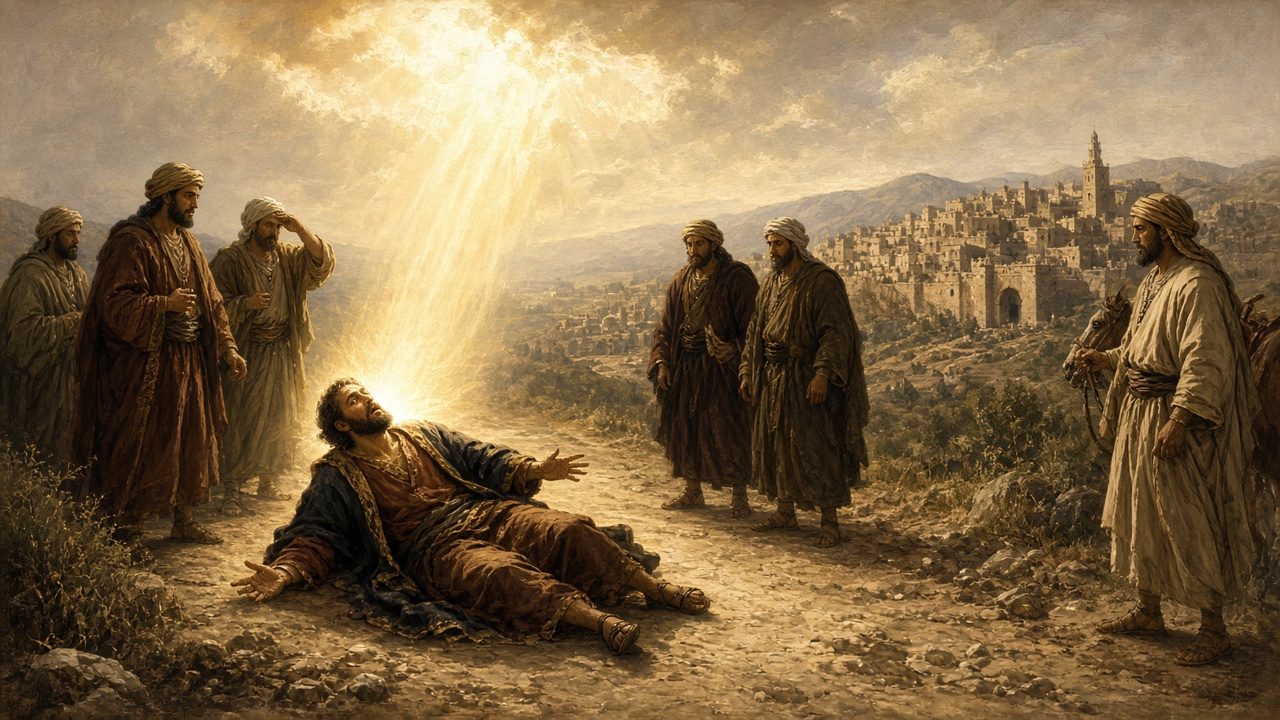
La conversión de Saulo y el ministerio de Pedro
- Al perseguidor de este capítulo se le llama Saulo, un hombre de Tarso. Saulo era el nombre que recibió en la circuncisión, su nombre hebreo en casa; el nombre Pablo probablemente también se le dio en la infancia, para usarlo en el mundo gentil. Tarso, capital de Cilicia, provincia romana en el sureste de Asia Menor, estaba a orillas del río Cidno, navegable hasta allí, se distinguía por la riqueza de su comercio con las tierras del Mediterráneo y con el centro de Asia Menor, y era sede de una famosa universidad, cuyas escuelas se describen como rivales de las de Atenas y Alejandría.Fuentes: Paul · Tarsus · el propio texto bíblico
- Damasco, la ciudad a la que Saulo se acercaba con cartas del sumo sacerdote para llevar a Jerusalén, como prisioneros, a hombres y mujeres del Camino, se describe como la más antigua de las ciudades de Oriente y la capital de Siria, a unas 133 millas al norte de Jerusalén. Ananías fue enviado a la casa de Judas, un judío de Damasco, en la calle llamada Derecha, una calle larga y ancha que corría de este a oeste por cerca de una milla y formaba la vía principal de la ciudad, distinta de las calles estrechas e irregulares habituales en las ciudades de Oriente. Esa calle se identifica con la calle de los bazares, donde se ha señalado una llamada casa de Judas.Fuentes: Damascus · Straight Gate · Judas (Jew of Damascus) · el propio texto bíblico
- Lida, donde Pedro encontró a Eneas, paralítico y encamado desde hacía ocho años, estaba a unas nueve millas al este de Jope, en el camino de ese puerto a Jerusalén. Jope estaba sobre un promontorio arenoso, a unas treinta millas al noroeste de Jerusalén, y era el principal puerto marítimo de Judea. Allí la discípula Tabita también se llama Dorcas, nombre griego que significa gacela; era conocida por obras de bondad y caridad, y las viudas le mostraron a Pedro las túnicas y las demás ropas que ella había hecho.Fuentes: Lydda · Joppa · Dorcas · el propio texto bíblico
Notas escritas con ayuda de IA a partir de fuentes abiertas (Theographic Bible Metadata, CC BY-SA 4.0; Easton’s Bible Dictionary, dominio público) y revisadas antes de publicarse.
Lugares de este capítulo
- Damascus · 33.511, 36.306 · versículos 2, 3, 8, 10, 19, 22, 27
- Jerusalem · 31.777, 35.234 · versículos 2, 13, 21, 26, 28
- Straight Street · 33.509, 36.311 · versículo 11
- Tarsus · 36.913, 34.892 · versículos 11, 30
- Caesarea · Hoy: Caesarea Maritima · 32.500, 34.892 · versículo 30
- Galilee · 32.760, 35.527 · versículo 31
- Judea · Hoy: Judea 1 · 31.777, 35.234 · versículo 31
- Samaria · Hoy: Samaria 2 · 32.276, 35.195 · versículo 31
- Lod · 31.950, 34.900 · versículos 32, 35, 38
- Sharon · Hoy: Sharon Plain · 32.400, 34.883 · versículo 35
- Joppa · Hoy: Jaffa · 32.054, 34.753 · versículos 36, 38, 42, 43
Solo aparecen lugares identificados con alta confianza (90 % o más según las fuentes académicas reunidas por OpenBible). Mapa de la época: DARE (Digital Atlas of the Roman Empire), CC BY 4.0; mapa actual: © colaboradores de OpenStreetMap; lugares: OpenBible.info (CC BY 4.0).
Créditos y licencia de esta traducción
Sahidica - طبعة جديدة من العهد الجديد باللغة القبطية الصعيدية
Sahidica - A New Edition of the New Testament in Sahidic Coptic
copyright © 2000-2006 J Warren Wells
Language: ⲘⲉⲧⲢⲉⲙ̀ⲛⲭⲏⲙⲓ (Coptic)
Dialect: Sahidic
Translation by: J Warren Wells
Coptic: Sahidic NT "Sahidica - A New Edition of the New Testament in Sahidic Coptic"
Copyright (c)2000-2006 by J Warren Wells. All rights reserved.
For more information visit www.sahidica.org .
This edition is available free of charge for use in free electronic
editions of the New Testament as long as the full title and copyright
information are included and credited. For written permission to use
all or any part of this document in print editions, contact the editor
at www.sahidica.org .
This edition is primarily meant for use by teachers and students of
Sahidic Coptic, and to a lesser degree by Coptologists involved in
scholarly research, textual criticism, or New Testament translation.
PURPOSE
Please note: This text is a work in progress. As such, there
is an ongoing effort to standardize the spelling of words in
the text. Be aware that version updates periodically appear.
The primary purpose is to produce a standardized edition of
the Sahidic NT similar to standard Greek editions.
An additional purpose of this text is to allow side-by-side
comparison with the Greek New Testament. To facilitate this
effort, a new version of the Greek text has been developed,
which is meant to better represent the Greek text upon which
the Sahidic was based. This text is entitled "The New Testament
According to the Egyptian Greek Text" [NTAEG]
This text does not include representation of either accents or
supralinear strokes, since these are used inconsistently in the
original texts. There is also a higher degree of standardization
in spelling and punctuation; like today's standard Greek master
texts, but unlike both the original Sahidic texts, and the PHI
and Coptic Society texts. Moreover, as in standard Greek texts,
instances of the Nomina Sacra have been expanded to their full
forms. This is again a departure from earlier versions of the
Sahidic, including the PHI and Coptic Society texts, which are
Both inconsistent in their usage.
Special thanks to David Brakke of Indiana University Bloomington,
Brigitte Comparini of the Packard Humanities Institute, and
Michael Heiser, Academic Editor, at Logos Research Systems; for
their assistance in making this edition possible.
BASIS
Sahidica was initially based (by permission) on the Coptic New Testament,
which is an electronic publication, which was edited by David Brakke.
(PHI-CD 5.3 dated 7/2/91. Los Altos. Packard Humanities Institute. 1991).
During later development, Sahidica was electronically collated against
the Coptic CD I by the St. Shenouda The Archmandrite Coptic Society.
Los Angeles, CA dated April, 1998.
These two editions were reduced to a raw electronic form, which allowed both
to be compared electronically letter by letter with Sahidica in order to
accurately detect and report every single variation and input error in any
of the texts. Though errors are inevitable, the collators of three seperate
editions are highly unlikely to make the same errors. Therefore, this method
helps to insure the integrity of the Sahidica edition.
Throughout the project, Sahidica was also collated against printed editions
of the following coptic manuscripts, which manuscripts date from the third
century and later.
Matt: Pierpont Morgan Library M-569 collated against Bodmer XIX papyrus
Mark:* PPalau Rib. Inv.Nr.182 collated against Pierpont Morgan Library M-569
Luke: PPalau Rib. Inv.Nr.181 collated against Pierpont Morgan Library M-569
John: PPalau Rib. Inv.Nr.183 collated against Pierpont Morgan Library M-569
Acts: Chester Beatty B (Copt.Ms.814) collated against Berlin P.15926 and British Museum MS Or.7594
Paul: Chester Beatty A (Copt.Ms.813) collated against Pierpont Morgan Library M-570 and M-571
James-Jude:** Pierpont Morgan Library M-572 collated against the Pierpont Morgan Library M-573 and M-601***
Revelation: Berlin MS Or.408 ( British Museum Ms Or.3518) collated against British Museum MS Or.6803
* Note: The longer and shorter endings of Mark are based on Horner; cf Kahle (JTS.1951.p49-57)
** Note: 1st Peter was also collated against the Crosby-Schøyen Ms.193.
*** Note: Portions of James and Jude were reconstructed from M-573, M-601, and four other mss.
Note on Interpolations
The short and long endings of Mark are ommited from the PPalau ms 182, but they do appear in most mss.
To better represent the overall Sahidic tradition, both endings are included, but in double brackets.
The pericope of the adultress (John 7:53-8:11) does not appear in any Sahidic ms. Herein it is omitted.
2014-09-16
Fuente: http://ebible.org/copshc/ · eBible.org