Hechos 10
Sahidica - طبعة جديدة من العهد الجديد باللغة القبطية الصعيدية · Toca un versículo para ver sus referencias cruzadas.
1ⲚⲈⲨⲚ ⲞⲨⲢⲰⲘⲈ ⲆⲈ ϨⲚ ⲔⲀⲒⲤⲀⲢⲒⲀ ⲈⲠⲈϤⲢⲀⲚ ⲠⲈ ⲔⲞⲢⲚⲎⲖⲒⲞⲤ. ⲞⲨϨⲈⲔⲀⲦⲞⲚⲦⲀⲢⲬⲞⲤ ⲈⲂⲞⲖ ϨⲚ ⲦⲈⲤⲠⲒⲢⲎ ⲈⲦⲞⲨⲘⲞⲨⲦⲈ ⲈⲢⲞⲤ ϪⲈ ⲐⲒⲦⲀⲖⲒⲔⲎ. 2ⲈⲨⲈⲨⲤⲈⲂⲎⲤ ⲠⲈ ⲈϤⲢϨⲞⲦⲈ ϨⲎⲦϤ ⲘⲠⲚⲞⲨⲦⲈ ⲘⲚ ⲠⲈϤⲎⲒ ⲦⲎⲢϤ ⲈϢⲀϤⲢ ϨⲀϨ ⲘⲘⲚⲦⲚⲀ ⲘⲠⲖⲀⲞⲤ. ⲀⲨⲰ ⲈϤⲤⲞⲠⲤ ⲘⲠⲚⲞⲨⲦⲈ ⲚⲞⲨⲞⲈⲒϢ ⲚⲒⲘ. 3ⲀϤⲚⲀⲨ ⲈⲨϨⲞⲢⲞⲘⲀ ϨⲚ ⲞⲨⲞⲨⲰⲚϨ ⲈⲂⲞⲖ ⲘⲠⲚⲀⲨ ⲚϪⲠ ⲮⲒⲦⲈ ⲘⲠⲈϨⲞⲞⲨ. ⲞⲨⲀⲄⲄⲈⲖⲞⲤ ⲚⲦⲈ ⲠⲚⲞⲨⲦⲈ ⲀϤⲂⲰⲔ ⲈϨⲞⲨⲚ ϢⲀⲢⲞϤ ⲠⲈϪⲀϤ ⲚⲀϤ ϪⲈ ⲔⲞⲢⲚⲎⲖⲒⲈ. 4ⲚⲦⲈⲢⲈϤϬⲰϢⲦ ⲆⲈ ⲈϨⲞⲨⲚ ⲈϨⲢⲀϤ ⲀϤⲢϨⲞⲦⲈ ⲠⲈϪⲀϤ ϪⲈ ⲞⲨ ⲠⲈⲦϢⲞⲞⲠ ⲠϪⲞⲈⲒⲤ. ⲠⲈϪⲀϤ ⲆⲈ ⲚⲀϤ ϪⲈ ⲚⲈⲔϢⲖⲎⲖ ⲀⲨⲰ ⲚⲈⲔⲘⲚⲦⲚⲀ. ⲀⲨⲂⲰⲔ ⲈϨⲢⲀⲒ ⲈⲨⲢⲠⲘⲈⲈⲨⲈ ⲚⲀⲔ ⲘⲠⲈⲘⲦⲞ ⲈⲂⲞⲖ ⲘⲠⲚⲞⲨⲦⲈ. 5ⲦⲈⲚⲞⲨ ϬⲈ ⲘⲀϪⲞⲞⲨ ⲚϨⲈⲚⲢⲰⲘⲈ ⲈϨⲢⲀⲒ ⲈⲒⲞⲠⲠⲎ ⲚⲄⲦⲚⲚⲞⲞⲨ ⲚⲤⲀ ⲤⲒⲘⲰⲚ ⲠⲈⲦⲈϢⲀⲨⲘⲞⲨⲦⲈ ⲈⲢⲞϤ ϪⲈ ⲠⲈⲦⲢⲞⲤ. 6ⲈϤⲞⲨⲎϨ ϨⲀϨⲦⲚ ⲞⲨⲀ ϪⲈ ⲤⲒⲘⲰⲚ ⲠⲂⲀⲔϢⲀⲀⲢ. ⲠⲀⲒ ⲈⲢⲈⲠⲈϤⲎⲒ ϨⲒϪⲚ ⲐⲀⲖⲀⲤⲤⲀ. 7ⲀⲨⲰ ⲚⲦⲈⲢⲈ ⲠⲀⲄⲄⲈⲖⲞⲤ ⲂⲰⲔ ⲈⲦϢⲀϪⲈ ⲚⲘⲘⲀϤ. ⲀϤⲘⲞⲨⲦⲈ ⲈⲤⲚⲀⲨ ⲚⲚⲈϤϨⲘϨⲀⲖ. ⲀⲨⲰ ⲞⲨⲘⲀⲦⲞⲒ ⲚⲢⲘⲚⲚⲞⲨⲦⲈ ⲈⲂⲞⲖ ϨⲚ ⲚⲈⲦⲠⲢⲞⲤⲔⲀⲢⲦⲈⲢⲒ ⲈⲢⲞϤ. 8ⲀⲨⲰ ⲀϤϪⲈ ϢⲀϪⲈ ⲚⲒⲘ ⲈⲢⲞⲞⲨ ⲀϤϪⲞⲞⲨⲤⲈ ⲈⲒⲞⲠⲠⲎ. 9ⲘⲠⲈϤⲢⲀⲤⲦⲈ ⲆⲈ ⲈⲨⲘⲞⲞϢⲈ ⲚϬⲒ ⲠⲈⲦⲘⲘⲀⲨ ⲚⲦⲈⲢⲞⲨϨⲰⲚ ⲈϨⲞⲨⲚ ⲈⲦⲠⲞⲖⲒⲤ. ⲠⲈⲦⲢⲞⲤ ⲀϤⲂⲰⲔ ⲈϨⲢⲀⲒ ⲈⲦϪⲈⲚⲈⲠⲰⲢ ⲈϢⲖⲎⲖ ⲘⲠⲚⲀⲨ ⲚϪⲠ ⲤⲞ. 10ⲀϤϨⲔⲞ ⲆⲈ ⲀⲨⲰ ⲀϤⲢϨⲚⲀϤ ⲚⲞⲨⲰⲘ. ⲈⲨⲤⲞⲂⲦⲈ ⲆⲈ ⲚⲀϤ. ⲀⲨⲈⲄⲤⲦⲀⲤⲒⲤ ϨⲈ ⲈϨⲢⲀⲒ ⲈϪⲰϤ. 11ⲀⲨⲰ ⲀϤⲚⲀⲨ ⲈⲦⲠⲈ ⲈⲤⲞⲨⲎⲚ. ⲀⲨⲰ ⲞⲨⲤⲔⲈⲨⲞⲤ ⲈϤⲘⲎⲢ ⲈⲠⲈϤⲦⲞⲞⲨ ⲚⲦⲞⲠ ⲚⲐⲈ ⲚⲞⲨⲚⲞϬ ⲚϨⲂⲞⲤ. ⲈⲨⲬⲀⲖⲀ ⲘⲘⲞϤ ⲈϨⲢⲀⲒ ⲈϪⲘ ⲠⲔⲀϨ. 12ⲈⲢⲈ ⲚⲦⲂⲚⲞⲞⲨⲈ ⲦⲎⲢⲞⲨ ⲚϨⲎⲦϤ. ⲀⲨⲰ ⲚϪⲀⲦϤⲈ ⲘⲠⲔⲀϨ ⲘⲚ ⲚϨⲀⲖⲀⲦⲈ ⲚⲦⲠⲈ. 13ⲀⲨⲤⲘⲎ ⲆⲈ ϢⲰⲠⲈ ϢⲀⲢⲞϤ ϪⲈ ⲦⲰⲞⲨⲚ ⲠⲈⲦⲢⲈ ϢⲰⲰⲦ ⲚⲄⲞⲨⲰⲘ. 14ⲠⲈϪⲈ ⲠⲈⲦⲢⲞⲤ ϪⲈ ⲘⲠⲰⲢ ⲠϪⲞⲈⲒⲤ ϪⲈ ⲘⲠⲒⲞⲨⲈⲘ ⲖⲀⲀⲨ ⲈⲚⲈϨ ⲈϤϪⲀϨⲘ ⲎⲚⲀⲔⲀⲐⲀⲢⲦⲞⲚ. 15ⲀⲦⲈⲤⲘⲎ ⲆⲈ ⲞⲚ ϢⲰⲠⲈ ϢⲀⲢⲞϤ ⲘⲠⲘⲈϨⲤⲈⲠ ⲤⲚⲀⲨ ⲈⲤϪⲰ ⲘⲘⲞⲤ ϪⲈ ⲚⲈⲚⲦⲀ ⲠⲚⲞⲨⲦⲈ ⲦⲂⲂⲞⲞⲨ ⲚⲦⲞⲔ ⲘⲠⲢϪⲀϨⲘⲞⲨ. 16ⲠⲀⲒ ⲆⲈ ⲞⲚ ⲀϤϢⲰⲠⲈ ⲚϢⲘⲦⲤⲰⲰⲠ. ⲀⲨⲰ ⲀⲨϪⲒ ⲠⲈⲤⲔⲈⲨⲞⲤ ⲞⲚ ⲈϨⲢⲀⲒ ⲈⲦⲠⲈ. 17ⲠⲈⲦⲢⲞⲤ ⲆⲈ ⲀϤⲀⲠⲞⲢⲢⲒ ϨⲢⲀⲒ ⲚϨⲎⲦϤ ϪⲈ ⲞⲨ ⲠⲈ ⲠⲈⲒϨⲞⲢⲞⲘⲀ ⲚⲦⲀϤⲚⲀⲨ ⲈⲢⲞϤ ⲈⲒⲤ ⲚⲢⲰⲘⲈ ⲚⲦⲀⲨⲦⲚⲚⲞⲞⲨⲤⲈ ⲈⲂⲞⲖ ϨⲒⲦⲚ ⲔⲞⲢⲚⲎⲖⲒⲞⲤ ⲀⲨϢⲒⲚⲈ ⲚⲤⲀ ⲠⲎⲒ ⲚⲤⲒⲘⲰⲚ ⲀⲨⲈⲒ ⲈⲢⲘⲠⲢⲞ 18ⲀⲨⲘⲞⲨⲦⲈ ⲆⲈ ⲀⲨϪⲚⲞⲨⲞⲨ ϪⲈ ⲈⲢⲈ ⲤⲒⲘⲰⲚ ⲞⲨⲎϨ ⲘⲠⲈⲒⲘⲀ. ⲠⲈⲦⲈϢⲀⲨⲘⲞⲨⲦⲈ ⲈⲢⲞϤ ϪⲈ ⲠⲈⲦⲢⲞⲤ. 19ⲈⲢⲈ ⲠⲈⲦⲢⲞⲤ ⲆⲈ ⲘⲞⲔⲘⲈⲔ ⲘⲘⲞϤ ⲈⲦⲂⲈ ⲠϨⲞⲢⲞⲘⲀ. ⲠⲈϪⲈ ⲠⲈⲠⲚⲈⲨⲘⲀ ⲚⲀϤ. ϪⲈ ⲈⲒⲤ ϢⲞⲘⲚⲦ ⲚⲢⲰⲘⲈ ⲤⲈϢⲒⲚⲈ ⲚⲤⲰⲔ. 20ⲀⲖⲖⲀ ⲦⲰⲞⲨⲚ ⲚⲄⲂⲰⲔ ⲈⲠⲈⲤⲎⲦ ⲚⲄⲘⲞⲞϢⲈ ⲚⲘⲘⲀⲨ. ⲚⲄⲆⲒⲀⲔⲢⲒⲚⲈ ⲚⲖⲀⲀⲨ ⲀⲚ ϪⲈ ⲀⲚⲞⲔ ⲠⲈⲚⲦⲀⲒⲦⲚⲚⲞⲞⲨⲤⲈ. 21ⲠⲈⲦⲢⲞⲤ ⲆⲈ ⲀϤⲈⲒ ⲈⲠⲈⲤⲎⲦ ⲠⲈϪⲀϤ ⲚⲚⲢⲰⲘⲈ. ϪⲈ ⲈⲒⲤ ϨⲎⲎⲦⲈ ⲀⲚⲞⲔ ⲠⲈⲦⲈⲦⲚϢⲒⲚⲈ ⲚⲤⲰⲒ. ⲞⲨ ⲦⲈ ⲦⲖⲞⲒϬⲈ ⲚⲦⲀⲦⲈⲦⲚⲈⲒ ⲈⲦⲂⲎⲎⲦⲤ. 22ⲚⲦⲞⲞⲨ ⲆⲈ ⲠⲈϪⲀⲨ ⲚⲀⲨ ϪⲈ ⲔⲞⲢⲚⲎⲖⲒⲞⲤ ⲞⲨϨⲈⲔⲀⲦⲞⲚⲦⲀⲢⲬⲞⲤ ⲞⲨⲢⲰⲘⲈ ⲚⲆⲒⲔⲀⲒⲞⲤ ⲈϤⲢϨⲞⲦⲈ ϨⲎⲦϤ ⲘⲠⲚⲞⲨⲦⲈ ⲠⲀⲒ ⲈⲨⲢⲘⲚⲦⲢⲈ ϨⲀⲢⲞϤ ϨⲒⲦⲘ ⲠϨⲈⲐⲚⲞⲤ ⲦⲎⲢϤ ⲚⲚⲒⲞⲨⲆⲀⲒ ⲈⲀⲨⲦⲤⲈⲂⲈ ⲈⲒⲀⲦϤ ⲈⲂⲞⲖ ϨⲒⲦⲚ ⲞⲨⲀⲄⲄⲈⲖⲞⲤ ⲈϤⲞⲨⲀⲀⲂ ⲈⲦⲚⲚⲞⲞⲨ ⲚⲤⲰⲔ ⲈϨⲞⲨⲚ ⲈⲠⲈϤⲎⲒ ⲀⲨⲰ ⲈⲤⲰⲦⲘ ⲈϨⲈⲚϢⲀϪⲈ ⲈⲂⲞⲖ ϨⲒⲦⲞⲞⲦⲔ. 23ⲀϤⲘⲞⲨⲦⲈ ϬⲈ ⲈⲢⲞⲞⲨ ⲈϨⲞⲨⲚ ⲚϬⲒ ⲠⲈⲦⲢⲞⲤ ⲀϤϢⲞⲠⲞⲨ ⲈⲢⲞϤ. ⲘⲠⲈϤⲢⲀⲤⲦⲈ ⲀϤⲦⲰⲞⲨⲚ ⲀϤⲈⲒ ⲈⲂⲞⲖ ⲚⲘⲘⲀⲨ. ⲀⲨⲰ ϨⲞⲈⲒⲚⲈ ⲚⲚⲈⲤⲚⲎⲨ ⲈⲂⲞⲖ ϨⲚ ⲒⲞⲠⲠⲎ ⲀⲨⲈⲒ ⲚⲘⲘⲀϤ. 24ⲘⲠⲈϤⲢⲀⲤⲦⲈ ⲆⲈ ⲀϤⲂⲰⲔ ⲈⲔⲀⲒⲤⲀⲢⲒⲀ ⲔⲞⲢⲚⲎⲖⲒⲞⲤ ϬⲈ ⲚⲈϤϬⲰϢⲦ ϨⲎⲦⲞⲨ ⲠⲈ ⲈⲀϤⲘⲞⲨⲦⲈ ⲈⲚⲈϤⲤⲨⲄⲄⲈⲚⲎⲤ ⲘⲚ ⲚⲈϤϢⲂⲎⲢ ⲀⲚⲀⲄⲔⲀⲒⲞⲤ. 25ⲀⲤϢⲰⲠⲈ ⲆⲈ ⲚⲦⲈⲢⲈ ⲠⲈⲦⲢⲞⲤ ⲂⲰⲔ ⲈϨⲞⲨⲚ ⲀⲔⲞⲢⲚⲎⲖⲒⲞⲤ ⲦⲰⲘⲚⲦ ⲈⲢⲞϤ. ⲀⲨⲰ ⲀϤⲠⲀϨⲦϤ ϨⲀⲢⲀⲦϤ ⲀϤⲞⲨⲰϢⲦ ⲚⲀϤ. 26ⲠⲈⲦⲢⲞⲤ ⲆⲈ ⲀϤⲦⲞⲨⲚⲞⲤϤ ⲈϤϪⲰ ⲘⲘⲞⲤ ϪⲈ ⲦⲰⲞⲨⲚⲄ. ⲀⲚⲞⲔ ϨⲰⲰⲦ ⲞⲚ ⲀⲚⲄ ⲞⲨⲢⲰⲘⲈ. 27ⲈϤϢⲀϪⲈ ⲆⲈ ⲚⲘⲘⲀϤ ⲀϤⲂⲰⲔ ⲈϨⲞⲨⲚ. ⲀⲨⲰ ⲀϤϨⲈ ⲈⲨⲘⲎⲎϢⲈ ⲈⲨⲤⲞⲞⲨϨ. 28ⲠⲈϪⲀϤ ⲚⲀⲨ ϪⲈ ⲚⲦⲰⲦⲚ ⲦⲈⲦⲚⲤⲞⲞⲨⲚ ϪⲈ ⲞⲨϢⲖⲞϤ ⲠⲈ ⲚⲞⲨⲢⲰⲘⲈ ⲚⲒⲞⲨⲆⲀⲒ ⲈϪⲰϨ ⲎⲈϮ ⲠⲈϤⲞⲨⲞⲒ ⲈⲨⲢⲰⲘⲈ ⲚⲀⲖⲖⲞⲪⲨⲖⲞⲤ ⲠⲚⲞⲨⲦⲈ ⲆⲈ ⲀϤⲦⲤⲀⲂⲞⲒ ⲈⲦⲘⲈ ⲠⲖⲀⲀⲨ ⲚⲢⲰⲘⲈ ϪⲈ ϤϪⲀϨⲘ ⲎⲞⲨⲀⲔⲀⲐⲀⲢⲦⲞⲤ ⲠⲈ. 29ⲈⲦⲂⲈ ⲠⲀⲒ ⲚⲦⲈⲢⲈⲦⲚⲈⲒ ⲚⲤⲰⲒ. ⲀⲒⲈⲒ ⲚⲞⲨⲈϢ ⲚⲖⲞⲒϬⲈ. ϮϪⲚⲞⲨ ϬⲈ ⲘⲘⲰⲦⲚ ϪⲈ ϨⲚ ⲞⲨ ⲚϢⲀϪⲈ ⲀⲦⲈⲦⲚⲘⲞⲨⲦⲈ ⲈⲢⲞⲒ. 30ⲀⲨⲰ ⲠⲈϪⲈ ⲔⲞⲢⲚⲎⲖⲒⲞⲤ ϪⲈ ϪⲒⲚϤⲦⲈⲨⲈⲠⲞⲞⲨ ϢⲀϨⲢⲀⲒ ⲈⲦⲈⲒⲞⲨⲚⲞⲨ. ⲚⲈⲒⲚⲎⲤⲦⲈⲨⲈ ⲀⲨⲰ ⲚⲈⲒϢⲖⲎⲖ ϨⲘ ⲠⲀⲎⲒ ⲘⲠⲚⲀⲨ ⲚϪⲠ ⲮⲒⲦⲈ. ⲀⲨⲰ ⲈⲒⲤ ⲞⲨⲢⲰⲘⲈ ⲈϤⲀϨⲈⲢⲀⲦϤ ⲘⲠⲀⲘⲦⲞ ⲈⲂⲞⲖ ϨⲚ ⲞⲨϨⲂⲤⲰ ⲚⲞⲨⲰⲂϢ. 31ⲈϤϪⲰ ⲘⲘⲞⲤ ϪⲈ ⲔⲞⲢⲚⲎⲖⲒⲈ ⲀⲨⲤⲰⲦⲘ ⲈⲠⲈⲔϢⲖⲎⲖ. ⲀⲨⲰ ⲚⲈⲔⲘⲚⲦⲚⲀ ⲀⲨⲢⲠⲈⲨⲘⲈⲈⲨⲈ ⲘⲠⲈⲘⲦⲞ ⲈⲂⲞⲖ ⲘⲠⲚⲞⲨⲦⲈ. 32ⲘⲀϪⲞⲞⲨ ϬⲈ ⲈⲒⲞⲠⲠⲎ ⲚⲄⲦⲚⲞⲞⲨ ⲚⲤⲀ ⲤⲒⲘⲰⲚ ⲠⲈⲦⲞⲨⲘⲞⲨⲦⲈ ⲈⲢⲞϤ ϪⲈ ⲠⲈⲦⲢⲞⲤ. ⲠⲀⲒ ⲈϤⲞⲨⲎϨ ϨⲘ ⲠⲎⲒ ⲚⲤⲒⲘⲰⲚ ⲠⲂⲀⲔϢⲀⲀⲢ ϨⲀⲦⲚ ⲐⲀⲖⲀⲤⲤⲀ. ⲠⲀⲒ ⲈϤⲚⲎⲨ ⲚϤϪⲰ ⲚⲀⲔ ⲚϨⲈⲚϢⲀϪⲈ ⲈⲔⲚⲀⲞⲨϪⲀⲒ ⲚϨⲎⲦⲞⲨ. 33ⲚⲦⲈⲨⲚⲞⲨ ⲆⲈ ⲀⲒⲦⲚⲚⲞⲞⲨ ϢⲀⲢⲞⲔ ⲚⲦⲞⲔ ⲆⲈ ⲔⲀⲖⲰⲤ ⲀⲔⲀⲀⲤ ⲀⲔⲈⲒ ⲦⲈⲚⲞⲨ ϬⲈ ⲈⲒⲤ ⲀⲚⲞⲚ ⲦⲎⲢⲚ ⲘⲠⲈⲔⲘⲦⲞ ⲈⲂⲞⲖ ⲈⲤⲰⲦⲘ ⲈⲚⲈⲚⲦⲀⲨⲞⲨⲈϨⲤⲀϨⲚⲈ ⲘⲘⲞⲞⲨ ⲚⲀⲔ ⲈⲂⲞⲖ ϨⲒⲦⲘ ⲠⲚⲞⲨⲦⲈ. 34ⲠⲈⲦⲢⲞⲤ ⲆⲈ ⲀϤⲞⲨⲰⲚ ⲚⲢⲰϤ ⲠⲈϪⲀϤ ϪⲈ ϨⲚ ⲞⲨⲘⲈ ϮⲈⲒⲘⲈ. ϪⲈ ⲚⲞⲨⲢⲈϤϪⲒϨⲞ ⲀⲚ ⲠⲈ ⲠⲚⲞⲨⲦⲈ. 35ⲀⲖⲖⲀ ϨⲚ ϨⲈⲐⲚⲞⲤ ⲚⲒⲘ ⲠⲈⲦⲢϨⲞⲦⲈ ϨⲎⲦϤ. ⲀⲨⲰ ⲈⲦⲢϨⲰⲂ ⲈⲦⲆⲒⲔⲀⲒⲞⲤⲨⲚⲎ ϤϢⲎⲠ ⲚⲚⲀϨⲢⲀϤ. 36ⲠⲈϤϢⲀϪⲈ ⲄⲀⲢ ⲀϤⲦⲚⲚⲞⲞⲨϤ ⲚⲚϢⲎⲢⲈ ⲘⲠⲒⲤⲢⲀⲎⲖ. ⲈϤⲈⲨⲀⲄⲄⲈⲖⲒⲌⲈ ⲚⲞⲨⲈⲒⲢⲎⲚⲎ ⲈⲂⲞⲖ ϨⲒⲦⲚ ⲒⲎⲤⲞⲨⲤ ⲠⲈⲬⲢⲒⲤⲦⲞⲤ. ⲠⲀⲒ ⲠⲈ ⲠϪⲞⲈⲒⲤ ⲚⲞⲨⲞⲚ ⲚⲒⲘ. 37ⲚⲦⲰⲦⲚ ⲦⲈⲦⲚⲤⲞⲞⲨⲚ ⲘⲠϢⲀϪⲈ ⲚⲦⲀϤϢⲰⲠⲈ ϨⲚ ϮⲞⲨⲆⲀⲒⲀ ⲦⲎⲢⲤ. ⲈⲀϤⲀⲢⲬⲈⲒ ϪⲒⲚ ⲚⲦⲄⲀⲖⲒⲖⲀⲒⲀ. ⲘⲚⲚⲤⲀ ⲠⲂⲀⲠⲦⲒⲤⲘⲀ ⲚⲦⲀ ⲒⲰϨⲀⲚⲚⲎⲤ ⲔⲎⲢⲨⲤⲤⲈ ⲘⲘⲞϤ. 38ⲒⲎⲤⲞⲨⲤ ⲠⲈⲂⲞⲖ ϨⲚ ⲚⲀⲌⲀⲢⲈⲐ ⲚⲐⲈ ⲚⲦⲀ ⲠⲚⲞⲨⲦⲈ ⲦⲀϨⲤϤ ϨⲚ ⲞⲨⲠⲚⲈⲨⲘⲀ ⲈϤⲞⲨⲀⲀⲂ ⲘⲚ ⲞⲨϬⲞⲘ ⲠⲀⲒ ⲚⲦⲀϤⲈⲒ ⲈⲂⲞⲖ ⲚϨⲎⲦⲞⲨ ⲈϤⲢ ⲠⲈⲦⲚⲀⲚⲞⲨϤ ⲀⲨⲰ ⲈϤⲢⲠⲀϨⲢⲈ ⲈⲞⲨⲞⲚ ⲚⲒⲘ ⲈⲦⲞⲨϪⲒ ⲘⲘⲞⲞⲨ ⲚϬⲞⲚⲤ ⲈⲂⲞⲖ ϨⲒⲦⲘ ⲠⲆⲒⲀⲂⲞⲖⲞⲤ ⲈⲂⲞⲖ ϪⲈ ⲚⲈⲢⲈ ⲠⲚⲞⲨⲦⲈ ϢⲞⲞⲠ ⲚⲘⲘⲀϤ. 39ⲀⲨⲰ ⲀⲚⲞⲚ ⲦⲚⲞ ⲘⲘⲚⲦⲢⲈ ⲚϨⲰⲂ ⲚⲒⲘ ⲚⲦⲀϤⲀⲀⲨ ϨⲚ ⲦⲈⲬⲰⲢⲀ ⲚϮⲞⲨⲆⲀⲒⲀ ⲘⲚ ⲐⲒⲈⲢⲞⲤⲞⲖⲨⲘⲀ. ⲠⲀⲒ ⲚⲦⲀⲨⲘⲞⲞⲨⲦϤ ⲈⲀⲨⲀϢⲦϤ ⲈⲨϢⲈ. 40ⲠⲀⲒ ⲚⲦⲀ ⲠⲚⲞⲨⲦⲈ ⲦⲞⲨⲚⲞⲤϤ ϨⲘ ⲠⲘⲈϨϢⲞⲘⲚⲦ ⲚϨⲞⲞⲨ. ⲀⲨⲰ ⲀϤⲦⲀⲀϤ ⲈⲦⲢⲈϤⲞⲨⲰⲚϨ ⲈⲂⲞⲖ 41ⲘⲠⲖⲀⲞⲤ ⲦⲎⲢϤ ⲀⲚ. ⲀⲖⲖⲀ ⲚⲈⲚⲦⲀⲨⲦⲞϢⲞⲨ ϪⲒⲚ ⲚϢⲞⲢⲠ ⲘⲘⲚⲦⲢⲈ ⲈⲂⲞⲖ ϨⲒⲦⲘ ⲠⲚⲞⲨⲦⲈ. ⲚⲀⲒ ⲚⲦⲀⲚⲞⲨⲰⲘ ⲀⲨⲰ ⲀⲚⲤⲰ ⲚⲘⲘⲀϤ ⲘⲚⲚⲤⲀ ⲦⲢⲈϤⲦⲰⲞⲨⲚ ⲈⲂⲞⲖ ϨⲚ ⲚⲈⲦⲘⲞⲞⲨⲦ ⲚϨⲘⲈ ⲚϨⲞⲞⲨ. 42ⲈⲀϤⲠⲀⲢⲀⲄⲄⲒⲖⲈ ⲚⲀⲚ ⲈⲔⲎⲢⲨⲤⲤⲈ ⲘⲠⲖⲀⲞⲤ ⲀⲨⲰ ⲈⲢⲘⲚⲦⲢⲈ. ϪⲈ ⲠⲀⲒ ⲠⲈⲚⲦⲀⲨⲦⲞϢϤ ⲈⲂⲞⲖ ϨⲒⲦⲘ ⲠⲚⲞⲨⲦⲈ ⲚⲔⲢⲒⲦⲎⲤ ⲚⲚⲈⲦⲞⲚϨ ⲘⲚ ⲚⲈⲦⲘⲞⲞⲨⲦ. 43ⲚⲈⲠⲢⲞⲪⲎⲦⲎⲤ ⲦⲎⲢⲞⲨ ⲢⲘⲚⲦⲢⲈ ⲘⲠⲀⲒ ⲈⲦⲢⲈ ⲞⲨⲞⲚ ⲚⲒⲘ ⲈⲦⲠⲒⲤⲦⲈⲨⲈ ⲈⲢⲞϤ ϪⲒ ⲚⲞⲨⲔⲰ ⲈⲂⲞⲖ ⲚⲚⲈⲨⲚⲞⲂⲈ ⲈⲂⲞⲖ ϨⲒⲦⲘ ⲠⲈϤⲢⲀⲚ. 44ⲈⲦⲒ ⲆⲈ ⲈⲢⲈ ⲠⲈⲦⲢⲞⲤ ϪⲰ ⲚⲚⲈⲒϢⲀϪⲈ. ⲀⲠⲈⲠⲚⲈⲨⲘⲀ ⲈⲦⲞⲨⲀⲀⲂ ϨⲈ ⲈϨⲢⲀⲒ ⲈϪⲚ ⲞⲨⲞⲚ ⲚⲒⲘ ⲈⲦⲤⲰⲦⲘ ⲈⲠϢⲀϪⲈ. 45ⲀⲨⲰ ⲀⲨⲠⲰϢⲤ ⲚϬⲒ ⲘⲠⲒⲤⲦⲞⲤ ⲈⲦϢⲞⲞⲠ ⲈⲂⲞⲖ ϨⲘ ⲠⲤⲂⲂⲈ. ⲚⲀⲒ ⲚⲦⲀⲨⲈⲒ ⲘⲚ ⲠⲈⲦⲢⲞⲤ. ϪⲈ ⲀⲦⲆⲰⲢⲈⲀ ⲘⲠⲈⲠⲚⲈⲨⲘⲀ ⲈⲦⲞⲨⲀⲀⲂ ⲠⲰϨⲦ ⲈϨⲢⲀⲒ ⲈϪⲚ ⲚⲔⲈϨⲈⲐⲚⲞⲤ. 46ⲚⲈⲨⲤⲰⲦⲘ ⲄⲀⲢ ⲈⲢⲞⲞⲨ ⲈⲨϢⲀϪⲈ ϨⲚ ϨⲈⲚⲔⲈⲀⲤⲠⲈ. ⲀⲨⲰ ⲈⲨϮⲈⲞⲞⲨ ⲘⲠⲚⲞⲨⲦⲈ. ⲦⲞⲦⲈ ⲀⲠⲈⲦⲢⲞⲤ ⲞⲨⲰϢⲂ. 47ϪⲈ ⲘⲎⲦⲒ ⲞⲨⲚ ϢϬⲞⲘ ⲚⲖⲀⲀⲨ ⲈⲔⲰⲖⲨ ⲘⲠⲘⲞⲞⲨ. ⲈⲦⲢⲈ ⲚⲀⲒ ϪⲒⲂⲀⲠⲦⲒⲤⲘⲀ. ⲚⲀⲒ ⲚⲦⲀⲨϪⲒ ⲘⲠⲈⲠⲚⲈⲨⲘⲀ ⲈⲦⲞⲨⲀⲀⲂ ϨⲰⲞⲨ ⲚⲦⲚϨⲈ. 48ⲀϤⲞⲨⲈϨⲤⲀϨⲚⲈ ⲆⲈ ⲚⲀⲨ ⲈⲦⲢⲈⲨϪⲒⲂⲀⲠⲦⲒⲤⲘⲀ ⲈⲠⲢⲀⲚ ⲚⲒⲎⲤⲞⲨⲤ ⲠⲈⲬⲢⲒⲤⲦⲞⲤ. ⲀϤϬⲰ ⲆⲈ ϨⲀϨⲦⲎⲨ ⲚϨⲈⲚϨⲞⲞⲨ.
¿Sabías que…?
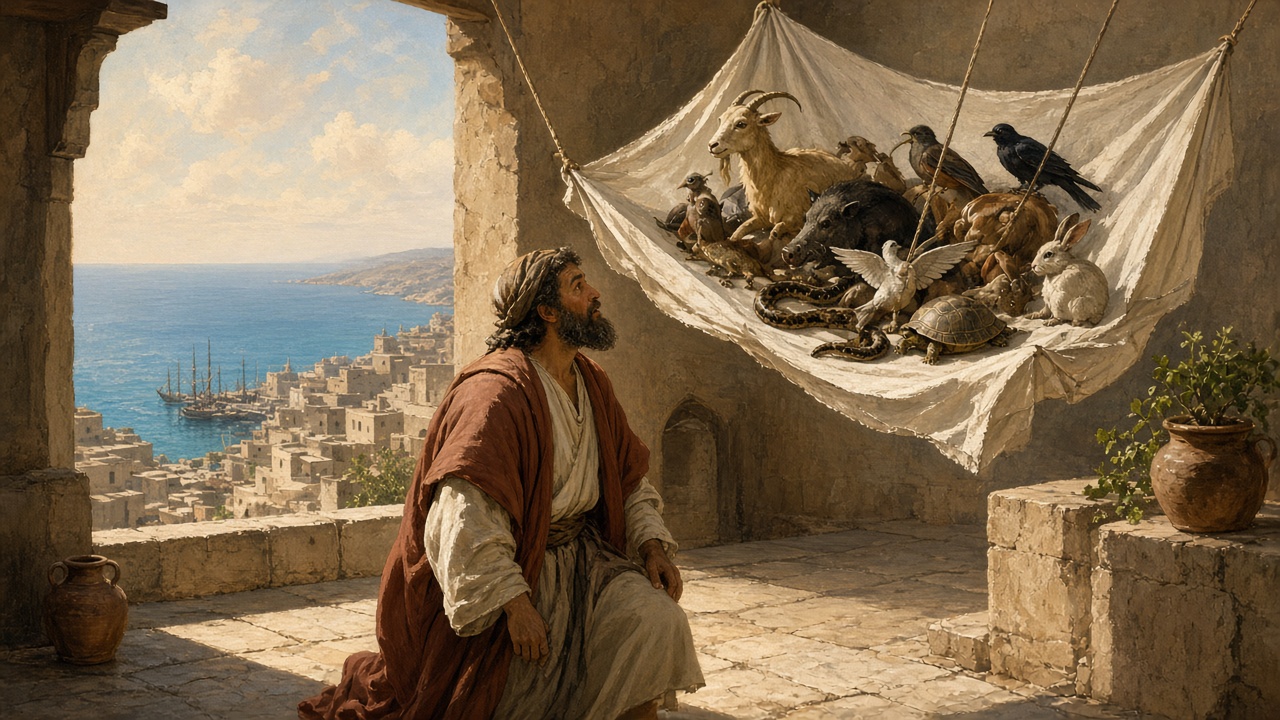
Pedro y los gentiles en Cesarea
- Cesarea, donde vivía Cornelio, estaba en la costa del Mediterráneo, en el camino de Tiro a Egipto, a unas setenta millas al noroeste de Jerusalén. El Easton's Bible Dictionary (1897) dice que Herodes el Grande la construyó en el 10 a. C., en el sitio de la Torre de Estratón, y le puso el nombre de César Augusto. La misma obra la llama capital de la provincia romana de Judea, sede de los gobernadores y la gran ciudad gentil de Palestina.Fuentes: Caesarea · el propio texto bíblico
- Cornelio era centurión de lo que se llamaba el Regimiento Italiano. Él y toda su casa eran devotos y temerosos de Dios; daba con generosidad al pueblo y oraba a Dios con regularidad. El Easton's Bible Dictionary (1897) dice que vivir en Cesarea probablemente lo puso en contacto con judíos y con sus expectativas acerca del Mesías, y que él y su familia fueron bautizados.Fuentes: Cornelius · el propio texto bíblico
- Pedro se hospedaba en Jope con Simón el curtidor, un cristiano cuya casa estaba junto al mar. Jope, el principal puerto de Judea, se hallaba en un promontorio arenoso entre Cesarea y Gaza, a unas treinta millas al noroeste de Jerusalén. Una cronología de estos acontecimientos fecha el encuentro de Pedro con Cornelio en el año 38 d. C.Fuentes: Simon the Tanner · Joppa · el propio texto bíblico · Peter meets Cornelius
Notas escritas con ayuda de IA a partir de fuentes abiertas (Theographic Bible Metadata, CC BY-SA 4.0; Easton’s Bible Dictionary, dominio público) y revisadas antes de publicarse.
Lugares de este capítulo
- Caesarea · Hoy: Caesarea Maritima · 32.500, 34.892 · versículos 1, 24
- Joppa · Hoy: Jaffa · 32.054, 34.753 · versículos 5, 8, 23, 32
- Galilee · 32.760, 35.527 · versículo 37
- Judea · Hoy: Judea 1 · 31.777, 35.234 · versículos 37, 39
- Nazareth · 32.702, 35.298 · versículo 38
- Jerusalem · 31.777, 35.234 · versículo 39
Solo aparecen lugares identificados con alta confianza (90 % o más según las fuentes académicas reunidas por OpenBible). Mapa de la época: DARE (Digital Atlas of the Roman Empire), CC BY 4.0; mapa actual: © colaboradores de OpenStreetMap; lugares: OpenBible.info (CC BY 4.0).
Créditos y licencia de esta traducción
Sahidica - طبعة جديدة من العهد الجديد باللغة القبطية الصعيدية
Sahidica - A New Edition of the New Testament in Sahidic Coptic
copyright © 2000-2006 J Warren Wells
Language: ⲘⲉⲧⲢⲉⲙ̀ⲛⲭⲏⲙⲓ (Coptic)
Dialect: Sahidic
Translation by: J Warren Wells
Coptic: Sahidic NT "Sahidica - A New Edition of the New Testament in Sahidic Coptic"
Copyright (c)2000-2006 by J Warren Wells. All rights reserved.
For more information visit www.sahidica.org .
This edition is available free of charge for use in free electronic
editions of the New Testament as long as the full title and copyright
information are included and credited. For written permission to use
all or any part of this document in print editions, contact the editor
at www.sahidica.org .
This edition is primarily meant for use by teachers and students of
Sahidic Coptic, and to a lesser degree by Coptologists involved in
scholarly research, textual criticism, or New Testament translation.
PURPOSE
Please note: This text is a work in progress. As such, there
is an ongoing effort to standardize the spelling of words in
the text. Be aware that version updates periodically appear.
The primary purpose is to produce a standardized edition of
the Sahidic NT similar to standard Greek editions.
An additional purpose of this text is to allow side-by-side
comparison with the Greek New Testament. To facilitate this
effort, a new version of the Greek text has been developed,
which is meant to better represent the Greek text upon which
the Sahidic was based. This text is entitled "The New Testament
According to the Egyptian Greek Text" [NTAEG]
This text does not include representation of either accents or
supralinear strokes, since these are used inconsistently in the
original texts. There is also a higher degree of standardization
in spelling and punctuation; like today's standard Greek master
texts, but unlike both the original Sahidic texts, and the PHI
and Coptic Society texts. Moreover, as in standard Greek texts,
instances of the Nomina Sacra have been expanded to their full
forms. This is again a departure from earlier versions of the
Sahidic, including the PHI and Coptic Society texts, which are
Both inconsistent in their usage.
Special thanks to David Brakke of Indiana University Bloomington,
Brigitte Comparini of the Packard Humanities Institute, and
Michael Heiser, Academic Editor, at Logos Research Systems; for
their assistance in making this edition possible.
BASIS
Sahidica was initially based (by permission) on the Coptic New Testament,
which is an electronic publication, which was edited by David Brakke.
(PHI-CD 5.3 dated 7/2/91. Los Altos. Packard Humanities Institute. 1991).
During later development, Sahidica was electronically collated against
the Coptic CD I by the St. Shenouda The Archmandrite Coptic Society.
Los Angeles, CA dated April, 1998.
These two editions were reduced to a raw electronic form, which allowed both
to be compared electronically letter by letter with Sahidica in order to
accurately detect and report every single variation and input error in any
of the texts. Though errors are inevitable, the collators of three seperate
editions are highly unlikely to make the same errors. Therefore, this method
helps to insure the integrity of the Sahidica edition.
Throughout the project, Sahidica was also collated against printed editions
of the following coptic manuscripts, which manuscripts date from the third
century and later.
Matt: Pierpont Morgan Library M-569 collated against Bodmer XIX papyrus
Mark:* PPalau Rib. Inv.Nr.182 collated against Pierpont Morgan Library M-569
Luke: PPalau Rib. Inv.Nr.181 collated against Pierpont Morgan Library M-569
John: PPalau Rib. Inv.Nr.183 collated against Pierpont Morgan Library M-569
Acts: Chester Beatty B (Copt.Ms.814) collated against Berlin P.15926 and British Museum MS Or.7594
Paul: Chester Beatty A (Copt.Ms.813) collated against Pierpont Morgan Library M-570 and M-571
James-Jude:** Pierpont Morgan Library M-572 collated against the Pierpont Morgan Library M-573 and M-601***
Revelation: Berlin MS Or.408 ( British Museum Ms Or.3518) collated against British Museum MS Or.6803
* Note: The longer and shorter endings of Mark are based on Horner; cf Kahle (JTS.1951.p49-57)
** Note: 1st Peter was also collated against the Crosby-Schøyen Ms.193.
*** Note: Portions of James and Jude were reconstructed from M-573, M-601, and four other mss.
Note on Interpolations
The short and long endings of Mark are ommited from the PPalau ms 182, but they do appear in most mss.
To better represent the overall Sahidic tradition, both endings are included, but in double brackets.
The pericope of the adultress (John 7:53-8:11) does not appear in any Sahidic ms. Herein it is omitted.
2014-09-16
Fuente: http://ebible.org/copshc/ · eBible.org