Rut 1
Kitabu ka Kanu · Toca un versículo para ver sus referencias cruzadas.
Acerca de este libro
Acerca de Rut
- Los acontecimientos se sitúan en los días de los jueces. Una gran escasez llevó a Elimelec, hombre de la tribu de Judá y pariente de Booz, a dejar Belén con su esposa Noemí y sus hijos Mahlón y Quelión para establecerse en Moab, al este del Jordán y del mar Muerto. Allí murieron Elimelec y sus dos hijos.Fuentes: Elimelech · Moab · Mahlon · Chilion
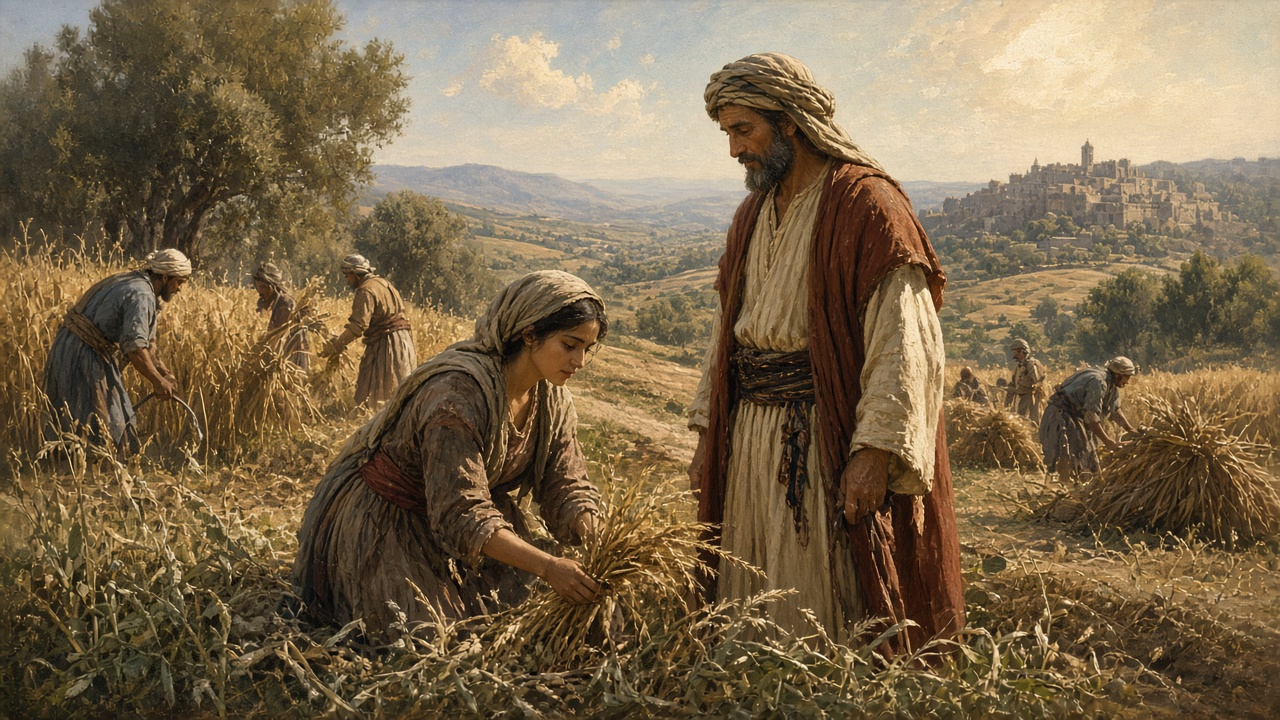
- Noemí regresó entonces a Belén con Rut, moabita y viuda de Mahlón, que se negó a dejarla. Orfa, viuda de Quelión, acompañó a Noemí parte del camino y luego volvió a Moab. En el valle al este de la ciudad, Rut espigó en los campos y acabó casándose con Booz, un pariente rico.Fuentes: Easton: Ruth · Orpah · Bethlehem · Boaz
- El diccionario bíblico de Easton (1897) dice que la historia de la espigadora Rut ilustra las relaciones amistosas entre Booz y sus segadores, el sistema de tierras, el modo de transferir la propiedad y el funcionamiento de la ley mosaica en favor de familias arruinadas. Por la ley del levirato, Booz, pariente de Mahlón, asumió el deber de casarse con Rut.Fuentes: Easton: Ruth · Boaz
- Rut fue madre de Obed, abuelo de David. La genealogía de Rut 4:18-22 traza esa línea, y Mateo 1:5 incluye a Rut, una gentil, entre los antepasados de Jesús. Easton también la compara con Tamar y Rahab, que igualmente llegaron a ser antepasadas de David.Fuentes: Easton: Ruth · Obed · Ruth
- Belén, en la región montañosa de Judá, se llamaba originalmente Efrata; Rut 1:2 la llama Belén de Judá, y a sus habitantes, efrateos. El diccionario bíblico de Easton (1897) explica Rut como «amiga» y Noemí como amarga o triste, nombre simbólico que ella misma se dio a causa de sus desgracias.Fuentes: Bethlehem · Ephrathah · Ruth · Naomi
Notas escritas con ayuda de IA a partir de fuentes abiertas (Theographic Bible Metadata, CC BY-SA 4.0; Easton’s Bible Dictionary, dominio público) y revisadas antes de publicarse.
Pəlɛcər pa afum a Elimɛlɛk
1Tɛm ntɛ aboc kiti ŋanatɔmpər dɛbɛ da Yisrayel mɔ, kɔ dor dende deyi dɔtɔf. Kɔ fum wəka dare da Bet Lɛhɛm nde atɔf ŋa Yuda, ende pəkɔ nkɔn kɔ wəran kɔn kɔ awut ɔn arkun mɛrəŋ, kəkɔcepərɛnɛ tɛm nde atɔf ŋa Mohab. 2Tewe ta fum wəkakɔ tɛnayɔnɛ Elimɛlɛk, pacwe wəran kɔn Noyemi, kɔ mewe ma awut ɔn arkun akakɔ mɛrəŋ mɛnayɔnɛ Malɔŋ kɔ Kilyɔŋ. Fəp faŋan aka kor ka Ɛfərat ŋɔ ŋanayɔnɛ, dare da Bet Lɛhɛm nde atɔf ŋa Yuda. Kɔ ŋander atɔf ŋa Mohab kɔ ŋandɛ di. 3Kɔ Elimɛlɛk wos ka Noyemi ende pəfi dəndo, kɔ Noyemi eyi di oŋ kɔ awut ɔn arkun mɛrəŋ. 4Kɔ awut akakɔ ŋande ŋanɛncɛ aran aMohab. Wəran wəcɔkɔ-cɔkɔ ancwe Ɔrpa, kɔ wəka mɛrəŋ ancwe Rut. Kɔ ŋayi di meren wəco. 5Malɔŋ kɔ Kilyɔŋ ŋande ŋafi, kɔ Noyemi ende pəyi oŋ, ɔyɔfɛ wərkun, ɔyɔfɛ sɔ awut.
Rut kəcəmbər kɔn Noyemi Bet Lɛhɛm
6Kɔ Noyemi ɛyɛfɛ nkɔn kɔ aran a awut ɔn dalɛ da Mohab, bawo analoku kɔ dəndo dalɛ da Mohab a MARIKI ɛmar afum ɔn aka atɔf ŋa Yuda, k'ompocɛ ŋa yeri. 7Kɔ Noyemi ɛyɛfɛ dalɛ dadɔkɔ ɛnayi mɔ, kɔ aran a awut ɔn mɛrəŋ, kɔ ŋasumpər dɔpɔ kəlukus ka nde atɔf ŋa Yuda.
8Kɔ Noyemi oloku aran a awut ɔn mɛrəŋ: «Awa, nəlukus nwɛ o nwɛ nde kəlɔ ka iya kɔn! MARIKI pəyɔnɛ nu nɔnɔfɔr, pəmɔ tɔkɔ nənayɔnɛ akɔ ŋafi mɔ nɔnɔfɔr kɔ ina mɔ. 9Intolanɛ nu: MARIKI pəpocɛ nu nwɛ o nwɛ pəforu nda wərkun!» K'oncup ŋa, kɔ ŋayɛfɛ kəbok. 10Kɔ aran a awut ɔn ŋambupərɛ: «Ala! Sən'endekɔ kɔ məna nde afum am ŋayi mɔ.» 11Kɔ Noyemi oloku: «Nəlukus aran a awut em! T'ake tɔ nəndecɛpsɛn'em darəŋ-ɛ? Ifɔsɔtam kəsɔtɔ awut aŋɛ ŋandetam sɔ kənɛncɛ nu mɔ. 12Nəlukus nde ndoronu aran a awut em, nəkɔ! Bawo imbɛk oŋ wərkun kədesɔnɛnc'em. Ali icloku isɔrɛgbɛkər Kanu amera, ali pibi pampɛ pɔ səyi kəfo kin kɔ wərkun tɔyɔn'em kəkom sɔ awut arkun-ɛ, 13nəndetam kəkar ŋa ŋabɛk, nəndefatɛnɛ ti oŋ a panɛncɛ nu ba? Ala, awut em aran! Pəlɛc mpɛ pɔsɔt'em mɔ, poncu pɛtas pɔkɔ pɔsɔtɔ nu mɔ, kəca ka MARIKI kəmbəp im.»
14Kɔ ŋambok sɔ. Kɔ Ɔrpa nkɔn oncup kɔncəra kɔn Noyemi, k'elembərnɛ kɔ, k'osumpər dɔpɔ k'ɔŋkɔ. Mba Rut nkɔn owosɛ fɛ kəsak kɔncəra kɔn Noyemi pəkɔ. 15Kɔ Noyemi oloku Rut: «Məmɔmən wəres əm, olukus ndena afum ɔn kɔ canu cɔn. Məyɔ tɔkɔ ɔyɔ mɔ, məna sɔ məkɔ nde ndaram!» 16Mba kɔ Rut oloku kɔ: «Ta məsɔŋ'em kəsak əm, məsɔŋ'em kəlukus əm darəŋ! Nde məŋkɔ mɔ, difɔ ina sɔ indekɔ. Nde məndeyi mɔ, ina sɔ difɔ indekɔyi. Afum am, afum em ŋɔ. Kanu kam, Kanu kem kɔ. 17Nde məndekɔfi mɔ, difɔ indekɔfi, pawup im di. MARIKI pəyɔn'em ti, pənɔcərɛn'em ntɛ, kɔ pəyɔnɛ fɛ defi gbəcərəm dendesɔŋɛ su kəgbɛyɛnɛ kɔ məna-ɛ.»
18Ntɛ Noyemi ɛnəŋk Rut ɛŋgbəc kəkɔ kɔ nkɔn mɔ, k'ɛsak kəloku kɔ sɔ teta kəlukus. 19Kɔ ŋasol mɛrəŋ maŋan kəkɔ haŋ kɔ ŋambɛrɛ dare da Bet Lɛhɛm.
Ntɛ ŋambɛrɛ Bet Lɛhɛm mɔ, kɔ pənciyanɛ afum fəp te taŋan. Kɔ aran ŋaŋyiftɛnɛ: «Noyemi ɔfɔ wəkawɛ ba?» 20Kɔ Noyemi oloku ŋa: «Ta nəw'em sɔ Noyemi «Wəyi dəpəbotu», mba nəcw'em oŋ Mara, «Wəyi dəpəcuy». Bawo Kanu nkɛ kəntam mes ma doru fəp mɔ kəsɔŋ im pəcuy. 21Ntɛ incyɛfɛ dɛ kəkɔ mɔ, waca wem wɛnalarɛ kɔ MARIKI olukus'em waca wɔsɔkər. Awa! Nəsak kəw'em Noyemi, bawo MARIKI nwɛ ɛntam mes fəp mɔ, ɛŋkafələrn'em, kɔ kəsɔŋ'im pəcuy.»
22Tatɔkɔ tɔ Noyemi ɛnayɛfɛ dalɛ da Mohab kɔ Rut wəMohab, wəran ka wan kɔn. Ntɛ ŋambɛrɛ Bet Lɛhɛm mɔ, patɛp kəccop kətɛl ka mɛŋgɛn mɔlɔma mmɛ ambɔf nde atɔf ŋa Yisrayel mɔ.
¿Sabías que…?
El regreso de Noemí y Rut a Belén
- En los días en que gobernaban los jueces, el hambre obligó a Elimelec y a su familia de Belén, en la región montañosa de Judá, a emigrar a la tierra de Moab, al este del mar Muerto. Tras la muerte de Elimelec y de sus dos hijos, Noemí decidió regresar a Belén cuando supo que volvía a haber alimento en Judá.Fuentes: el propio texto bíblico · Bethlehem · Moab · Elimelech
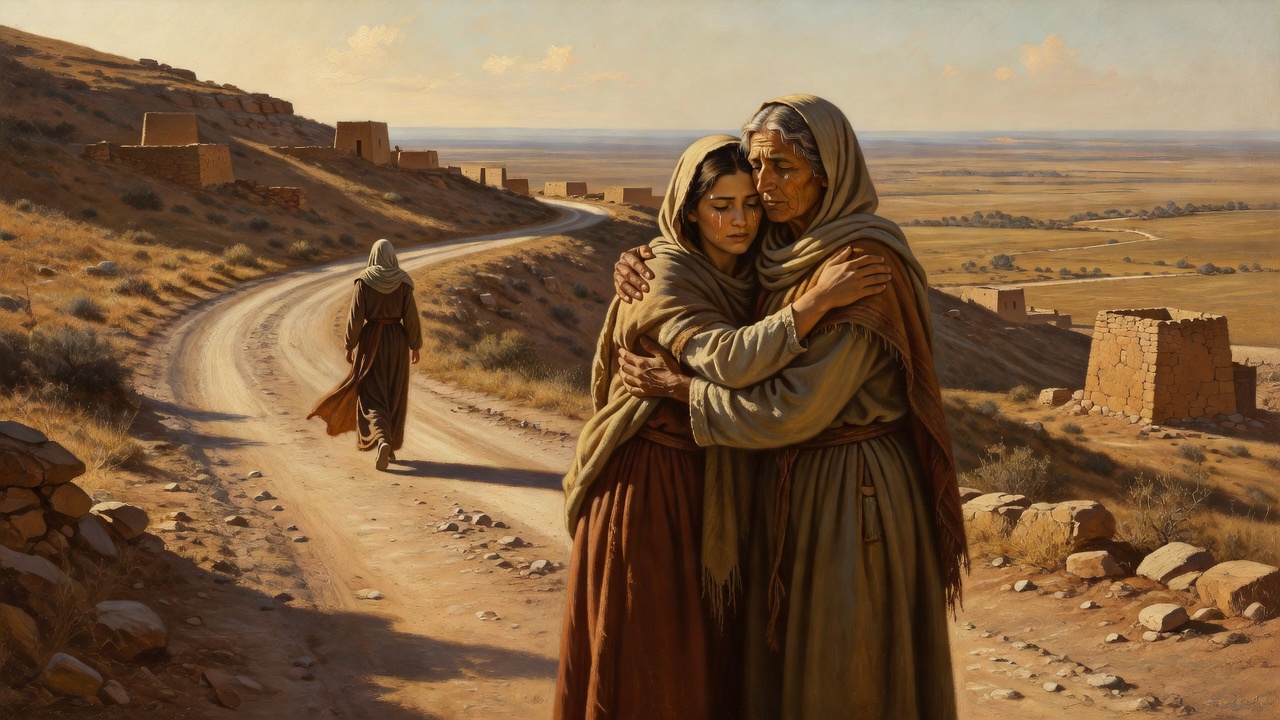
- Mientras que Orfa regresó a su pueblo y a sus dioses en Moab, Rut se aferró a su suegra y juró lealtad a Noemí y a su Dios. Rut, una mujer moabita, viajó a Belén y más tarde se convertiría en antepasada del rey David.Fuentes: el propio texto bíblico · Ruth · Orpah
- Al llegar a Belén al comienzo de la siega de la cebada, Noemí pidió a las mujeres de la ciudad que la llamaran Mara, que significa amarga, porque sentía que el Todopoderoso la había tratado con gran amargura. Había partido llena con esposo y dos hijos, pero regresó vacía tras la muerte de ellos.Fuentes: el propio texto bíblico · Naomi
Notas escritas con ayuda de IA a partir de fuentes abiertas (Theographic Bible Metadata, CC BY-SA 4.0; Easton’s Bible Dictionary, dominio público) y revisadas antes de publicarse.
Lugares de este capítulo
- Bethlehem · 31.704, 35.208 · versículos 1, 2, 19, 22
- Moab · Hoy: Moab 1 · 31.181, 35.701 · versículos 1, 2, 4, 6, 22
Solo aparecen lugares identificados con alta confianza (90 % o más según las fuentes académicas reunidas por OpenBible). Mapa de la época: DARE (Digital Atlas of the Roman Empire), CC BY 4.0; mapa actual: © colaboradores de OpenStreetMap; lugares: OpenBible.info (CC BY 4.0).
Créditos y licencia de esta traducción
Kitabu ka Kanu
Portions of the Holy Bible in the Baga Sitemu language of Guinea
Des portions de la Sainte Bible dans la langue Baga Sitemu de Guinée
copyright © 2015 Pioneer Bible Translators
Language: Baga Sitemu
Translation by: Traducteurs Pionniers de la Bible
Contributor: Pioneer Bible Translators
This translation is made available to you under the terms of the
Creative Commons Attribution Share-Alike license 4.0.
You have permission to share and redistribute this Bible translation in any format and to make reasonable revisions and adaptations of this translation, provided that:
You include the above copyright and source information.
If you make any changes to the text, you must indicate that you did so in a way that makes it clear that the original licensor is not necessarily endorsing your changes.
If you redistribute this text, you must distribute your contributions under the same license as the original.
Pictures included with Scriptures and other documents on this site are licensed just for use with those Scriptures and documents.
For other uses, please contact the respective copyright owners.
Note that in addition to the rules above, revising and adapting God's Word involves a great responsibility to be true to God's Word. See Revelation 22:18-19.
2025-04-29
Fuente: http://ebible.org/bsp/ · eBible.org