Ruth 1
Kitabu ka Kanu · Tap a verse to see its cross-references.
About this book
About Ruth
- The events are set in the days of the judges. A great famine led Elimelech, a man of the tribe of Judah and a kinsman of Boaz, to leave Bethlehem with his wife Naomi and their sons Mahlon and Chilion and settle in Moab, east of the Jordan and the Dead Sea. There Elimelech and both sons died.Sources: Elimelech · Moab · Mahlon · Chilion
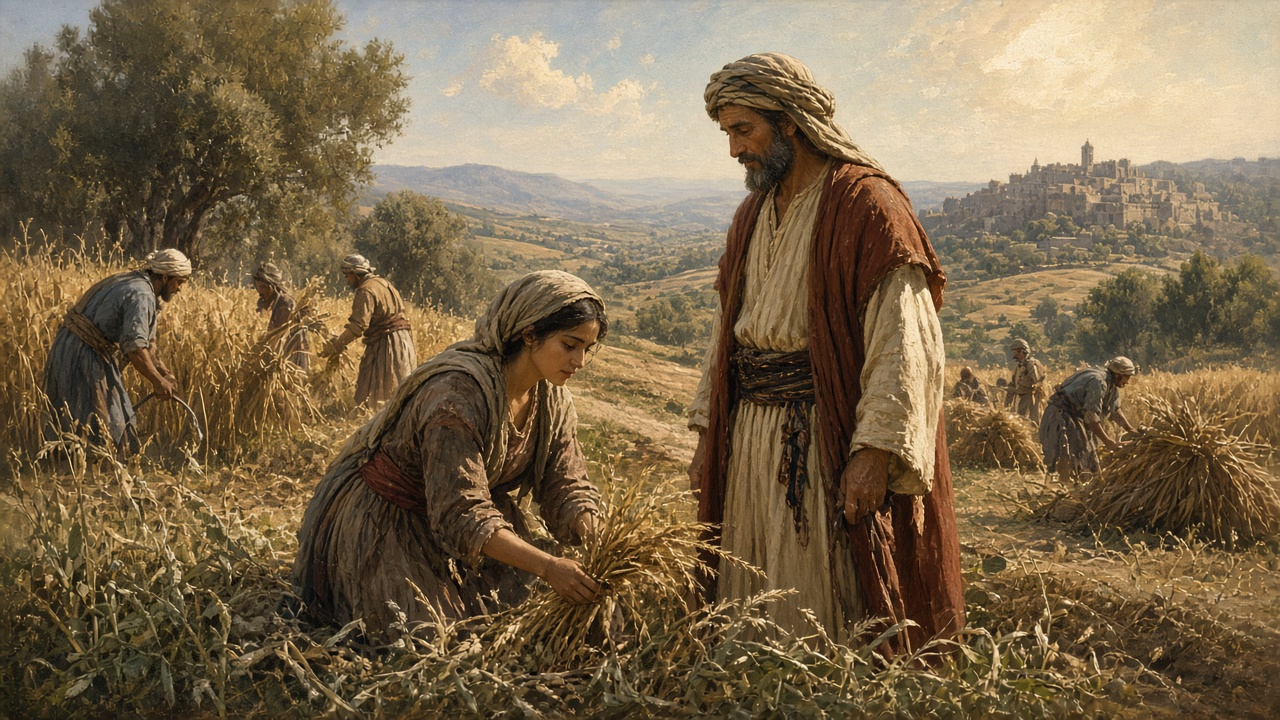
- Naomi then returned to Bethlehem with Ruth, a Moabite and the widow of Mahlon, who refused to leave her. Orpah, Chilion's widow, accompanied Naomi part of the way and then returned to Moab. In the valley east of the town, Ruth gleaned in the fields and was eventually married to Boaz, a wealthy relative.Sources: Easton: Ruth · Orpah · Bethlehem · Boaz
- Easton's Bible Dictionary (1897) says the story of the gleaner Ruth illustrates friendly relations between Boaz and his reapers, the land system, the way property was transferred, and the working of the Mosaic law for the relief of ruined families. By the levirate law, Boaz, a kinsman of Mahlon, took on the duty of marrying Ruth.Sources: Easton: Ruth · Boaz
- Ruth became the mother of Obed, the grandfather of David. The genealogy in Ruth 4:18-22 traces that line, and Matthew 1:5 includes Ruth, a Gentile, among the ancestors of Jesus. Easton also compares her with Tamar and Rahab, who likewise became ancestors of David.Sources: Easton: Ruth · Obed · Ruth
- Bethlehem, in the hill country of Judah, was originally called Ephrath; Ruth 1:2 calls it Bethlehem-Judah and its people Ephrathites. Easton's Bible Dictionary (1897) explains Ruth as meaning a friend, and Naomi as bitter or sad, a symbolic name she gave herself because of her misfortunes.Sources: Bethlehem · Ephrathah · Ruth · Naomi
Notes written with AI assistance from open sources (Theographic Bible Metadata, CC BY-SA 4.0; Easton’s Bible Dictionary, public domain) and reviewed before publishing.
Pəlɛcər pa afum a Elimɛlɛk
1Tɛm ntɛ aboc kiti ŋanatɔmpər dɛbɛ da Yisrayel mɔ, kɔ dor dende deyi dɔtɔf. Kɔ fum wəka dare da Bet Lɛhɛm nde atɔf ŋa Yuda, ende pəkɔ nkɔn kɔ wəran kɔn kɔ awut ɔn arkun mɛrəŋ, kəkɔcepərɛnɛ tɛm nde atɔf ŋa Mohab. 2Tewe ta fum wəkakɔ tɛnayɔnɛ Elimɛlɛk, pacwe wəran kɔn Noyemi, kɔ mewe ma awut ɔn arkun akakɔ mɛrəŋ mɛnayɔnɛ Malɔŋ kɔ Kilyɔŋ. Fəp faŋan aka kor ka Ɛfərat ŋɔ ŋanayɔnɛ, dare da Bet Lɛhɛm nde atɔf ŋa Yuda. Kɔ ŋander atɔf ŋa Mohab kɔ ŋandɛ di. 3Kɔ Elimɛlɛk wos ka Noyemi ende pəfi dəndo, kɔ Noyemi eyi di oŋ kɔ awut ɔn arkun mɛrəŋ. 4Kɔ awut akakɔ ŋande ŋanɛncɛ aran aMohab. Wəran wəcɔkɔ-cɔkɔ ancwe Ɔrpa, kɔ wəka mɛrəŋ ancwe Rut. Kɔ ŋayi di meren wəco. 5Malɔŋ kɔ Kilyɔŋ ŋande ŋafi, kɔ Noyemi ende pəyi oŋ, ɔyɔfɛ wərkun, ɔyɔfɛ sɔ awut.
Rut kəcəmbər kɔn Noyemi Bet Lɛhɛm
6Kɔ Noyemi ɛyɛfɛ nkɔn kɔ aran a awut ɔn dalɛ da Mohab, bawo analoku kɔ dəndo dalɛ da Mohab a MARIKI ɛmar afum ɔn aka atɔf ŋa Yuda, k'ompocɛ ŋa yeri. 7Kɔ Noyemi ɛyɛfɛ dalɛ dadɔkɔ ɛnayi mɔ, kɔ aran a awut ɔn mɛrəŋ, kɔ ŋasumpər dɔpɔ kəlukus ka nde atɔf ŋa Yuda.
8Kɔ Noyemi oloku aran a awut ɔn mɛrəŋ: «Awa, nəlukus nwɛ o nwɛ nde kəlɔ ka iya kɔn! MARIKI pəyɔnɛ nu nɔnɔfɔr, pəmɔ tɔkɔ nənayɔnɛ akɔ ŋafi mɔ nɔnɔfɔr kɔ ina mɔ. 9Intolanɛ nu: MARIKI pəpocɛ nu nwɛ o nwɛ pəforu nda wərkun!» K'oncup ŋa, kɔ ŋayɛfɛ kəbok. 10Kɔ aran a awut ɔn ŋambupərɛ: «Ala! Sən'endekɔ kɔ məna nde afum am ŋayi mɔ.» 11Kɔ Noyemi oloku: «Nəlukus aran a awut em! T'ake tɔ nəndecɛpsɛn'em darəŋ-ɛ? Ifɔsɔtam kəsɔtɔ awut aŋɛ ŋandetam sɔ kənɛncɛ nu mɔ. 12Nəlukus nde ndoronu aran a awut em, nəkɔ! Bawo imbɛk oŋ wərkun kədesɔnɛnc'em. Ali icloku isɔrɛgbɛkər Kanu amera, ali pibi pampɛ pɔ səyi kəfo kin kɔ wərkun tɔyɔn'em kəkom sɔ awut arkun-ɛ, 13nəndetam kəkar ŋa ŋabɛk, nəndefatɛnɛ ti oŋ a panɛncɛ nu ba? Ala, awut em aran! Pəlɛc mpɛ pɔsɔt'em mɔ, poncu pɛtas pɔkɔ pɔsɔtɔ nu mɔ, kəca ka MARIKI kəmbəp im.»
14Kɔ ŋambok sɔ. Kɔ Ɔrpa nkɔn oncup kɔncəra kɔn Noyemi, k'elembərnɛ kɔ, k'osumpər dɔpɔ k'ɔŋkɔ. Mba Rut nkɔn owosɛ fɛ kəsak kɔncəra kɔn Noyemi pəkɔ. 15Kɔ Noyemi oloku Rut: «Məmɔmən wəres əm, olukus ndena afum ɔn kɔ canu cɔn. Məyɔ tɔkɔ ɔyɔ mɔ, məna sɔ məkɔ nde ndaram!» 16Mba kɔ Rut oloku kɔ: «Ta məsɔŋ'em kəsak əm, məsɔŋ'em kəlukus əm darəŋ! Nde məŋkɔ mɔ, difɔ ina sɔ indekɔ. Nde məndeyi mɔ, ina sɔ difɔ indekɔyi. Afum am, afum em ŋɔ. Kanu kam, Kanu kem kɔ. 17Nde məndekɔfi mɔ, difɔ indekɔfi, pawup im di. MARIKI pəyɔn'em ti, pənɔcərɛn'em ntɛ, kɔ pəyɔnɛ fɛ defi gbəcərəm dendesɔŋɛ su kəgbɛyɛnɛ kɔ məna-ɛ.»
18Ntɛ Noyemi ɛnəŋk Rut ɛŋgbəc kəkɔ kɔ nkɔn mɔ, k'ɛsak kəloku kɔ sɔ teta kəlukus. 19Kɔ ŋasol mɛrəŋ maŋan kəkɔ haŋ kɔ ŋambɛrɛ dare da Bet Lɛhɛm.
Ntɛ ŋambɛrɛ Bet Lɛhɛm mɔ, kɔ pənciyanɛ afum fəp te taŋan. Kɔ aran ŋaŋyiftɛnɛ: «Noyemi ɔfɔ wəkawɛ ba?» 20Kɔ Noyemi oloku ŋa: «Ta nəw'em sɔ Noyemi «Wəyi dəpəbotu», mba nəcw'em oŋ Mara, «Wəyi dəpəcuy». Bawo Kanu nkɛ kəntam mes ma doru fəp mɔ kəsɔŋ im pəcuy. 21Ntɛ incyɛfɛ dɛ kəkɔ mɔ, waca wem wɛnalarɛ kɔ MARIKI olukus'em waca wɔsɔkər. Awa! Nəsak kəw'em Noyemi, bawo MARIKI nwɛ ɛntam mes fəp mɔ, ɛŋkafələrn'em, kɔ kəsɔŋ'im pəcuy.»
22Tatɔkɔ tɔ Noyemi ɛnayɛfɛ dalɛ da Mohab kɔ Rut wəMohab, wəran ka wan kɔn. Ntɛ ŋambɛrɛ Bet Lɛhɛm mɔ, patɛp kəccop kətɛl ka mɛŋgɛn mɔlɔma mmɛ ambɔf nde atɔf ŋa Yisrayel mɔ.
Did you know?
Naomi and Ruth Return to Bethlehem
- In the days when the judges ruled, famine forced Elimelech and his family from Bethlehem in the hill country of Judah to migrate to the land of Moab, east of the Dead Sea. After the deaths of Elimelech and her two sons, Naomi decided to return to Bethlehem when she heard that food was once again available in Judah.Sources: the Bible text itself · Bethlehem · Moab · Elimelech
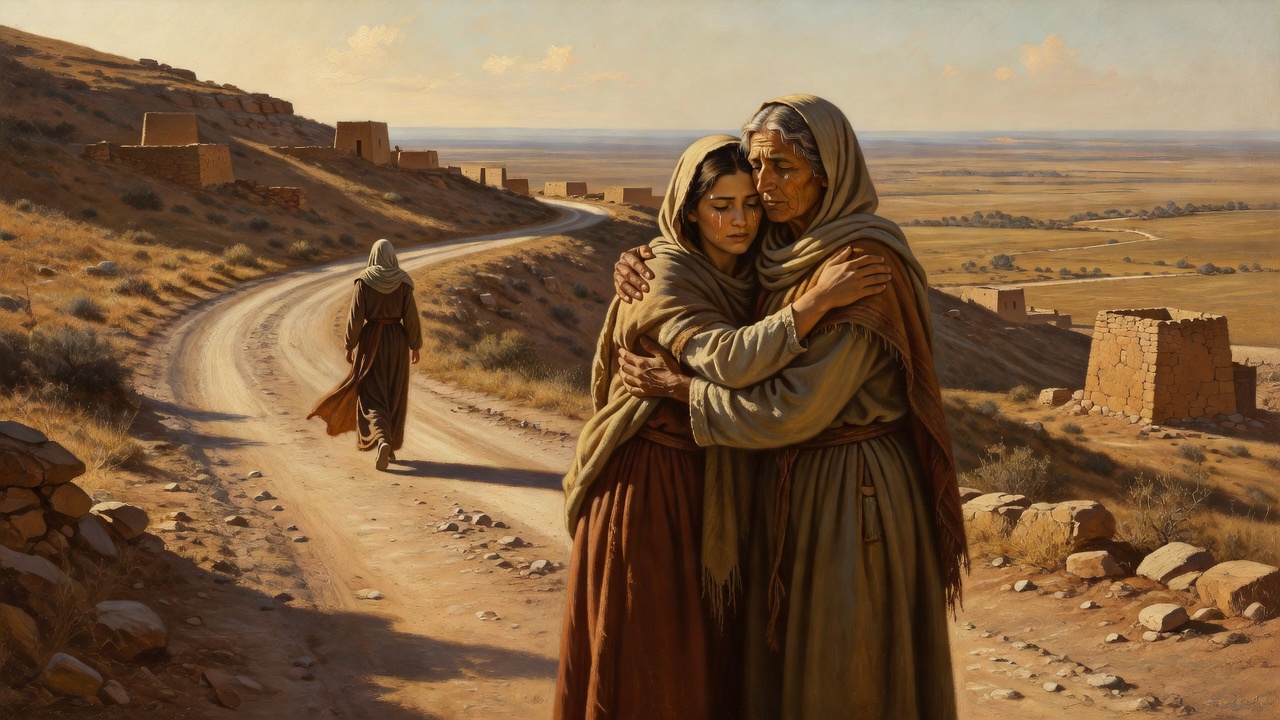
- While Orpah returned to her people and gods in Moab, Ruth clung to her mother-in-law and pledged loyalty to Naomi and her God. Ruth, a Moabite woman, traveled to Bethlehem and would later become an ancestor of King David.Sources: the Bible text itself · Ruth · Orpah
- Upon arriving in Bethlehem at the beginning of the barley harvest, Naomi asked the women of the city to call her Mara, meaning bitter, because she felt the Almighty had dealt bitterly with her. She had departed full with a husband and two sons, but returned empty after their deaths.Sources: the Bible text itself · Naomi
Notes written with AI assistance from open sources (Theographic Bible Metadata, CC BY-SA 4.0; Easton’s Bible Dictionary, public domain) and reviewed before publishing.
Places in this chapter
- Bethlehem · 31.704, 35.208 · verses 1, 2, 19, 22
- Moab · Today: Moab 1 · 31.181, 35.701 · verses 1, 2, 4, 6, 22
Only places identified with high confidence are shown (90% or more according to the scholarly sources compiled by OpenBible). Period map: DARE (Digital Atlas of the Roman Empire), CC BY 4.0; modern map: © OpenStreetMap contributors; places: OpenBible.info (CC BY 4.0).
Credits and license for this translation
Kitabu ka Kanu
Portions of the Holy Bible in the Baga Sitemu language of Guinea
Des portions de la Sainte Bible dans la langue Baga Sitemu de Guinée
copyright © 2015 Pioneer Bible Translators
Language: Baga Sitemu
Translation by: Traducteurs Pionniers de la Bible
Contributor: Pioneer Bible Translators
This translation is made available to you under the terms of the
Creative Commons Attribution Share-Alike license 4.0.
You have permission to share and redistribute this Bible translation in any format and to make reasonable revisions and adaptations of this translation, provided that:
You include the above copyright and source information.
If you make any changes to the text, you must indicate that you did so in a way that makes it clear that the original licensor is not necessarily endorsing your changes.
If you redistribute this text, you must distribute your contributions under the same license as the original.
Pictures included with Scriptures and other documents on this site are licensed just for use with those Scriptures and documents.
For other uses, please contact the respective copyright owners.
Note that in addition to the rules above, revising and adapting God's Word involves a great responsibility to be true to God's Word. See Revelation 22:18-19.
2025-04-29
Source: http://ebible.org/bsp/ · eBible.org