Génesis 9
Kitabu ka Kanu · Toca un versículo para ver sus referencias cruzadas.
Kanu kədɛrmɛ kɔn Nuha
1Kɔ Kanu kəmpocɛ Nuha pətɔt k'awut ɔn, kɔ kəloku ŋa: «Nəyɔnɛ akombəra, nəkom pəlarəm, nəlas antɔf. 2Kəyɛfɛ mɔkɔ, sɛm ya doru fəp, kəbəp bɛmp, sɛm yɛfɛt kɔ lop, yende yecnesɛ nu. Nəndetam kəcsɔm yi. 3Paka o paka mpɛ peyi wəyeŋ pɔckɔt mɔ, pɔyɔnɛ nu peri pəmɔ ntɛ inasɔŋ nu yokom ya yika yɛcaŋk kɔ ya tɔk mɔ. Isɔŋ nu oŋ ndɛkəl yayɔkɔ fəp. 4Mba ta nəde nəcsɔm wɛsɛm nwɛ wɔsɔrɔyɔ mecir ma wi mɔ. 5Indeyif nu teta mecir monu, mmɛ mɔyɔnɛ kəyi doru konu mɔ. Indeyif sɔ ti sɛm fəp nyɛ yendedif fum mɔ. Pəmɔ ntɛ indeyif ti fum nwɛ endedif wɛnc mɔ.»
6«Nwɛ endif fum mɔ,
padif sɔ (məna wəkayi),
bawo Kanu kəlompəs fum pəwurɛnɛ kɔ nkɔn sərka.
7Kɔ nəna, nəyɔnɛ akombəra, nəkom pəlarəm, nəsamsər doru.»
8Kɔ Kanu kəloku sɔ Nuha k'awut ɔn: 9«K'ina, indesek sɔ danapa kɔ nəna, kəbəp ka yuruya yam kɔ nəna nəncepər-ɛ, 10kɔ ca fəp nyɛ yɔnɔŋkər nu mɔ: Bɛmp, sɛm ya dare kɔ ya dop, nyɛ yowur debil mɔ, kɔ nyɛ andekom nnɔ doru mɔ. 11Isek danapa kɔ nəna, ntɛ t'indeyɔ: Domun dɔfɔdesɔdi antɔf, wəcafən ɔfɔdesɔyi nwɛ endeləsər antɔf mɔ.» 12Kɔ Kanu kəndeŋər: «Paka pa danapa dosu pɛmpɛ mpɛ pendeyi su dacɔ kɔ nəna doru o doru, kəbəp ka ca yeŋesəm. 13Isɛkən ambəncəran (asiŋki) ŋem nde dəkəp. In'ende kəccɛm-cɛməs im temer ntɛ isɔŋ antɔf mɔ. 14Tɛm o tɛm ntɛ wəcafən ende pəcbiyɛ, a asiŋki ŋowur mɔ, 15incɛm-cɛmnɛ temer tɔkɔ inasɔŋ nu kɔ ca nyɛ yeŋesəm doru mɔ, wəcafən ɔfɔdesɔtuf nwɛ endesɔləsər ca ya doru fəp mɔ. 16Dəkəp ambəncəran ŋɔŋkɔyi. K'indenəŋk ŋi-ɛ, indecɛm-cɛmnɛ temer ta danapa dem ta doru o doru ntɛ inalɛk kɔ ca fəp nyɛ yeŋesəm doru mɔ.» 17Kɔ Kanu kəŋgbɔkərɛnɛ sɔ moloku mamɛ Nuha: «Asiŋki ŋementər temer ntɛ isɔŋ nu kɔ ca ya doru nyɛ yeŋesəm mɔ.»
Nuha k'awut ɔn maas: Doru dofu, kɔ kiciya kəfu sɔ
18Awut a Nuha aŋɛ ŋanawur debil mɔ ŋanayɔnɛ: Sem, Ham, kɔ Yafɛt. Ham ɔyɔnɛ papa wəka Kanaŋ. 19Awut a Nuha akaŋɛ maas ŋagbɔkərɛ sɔ kəlas antɔf.
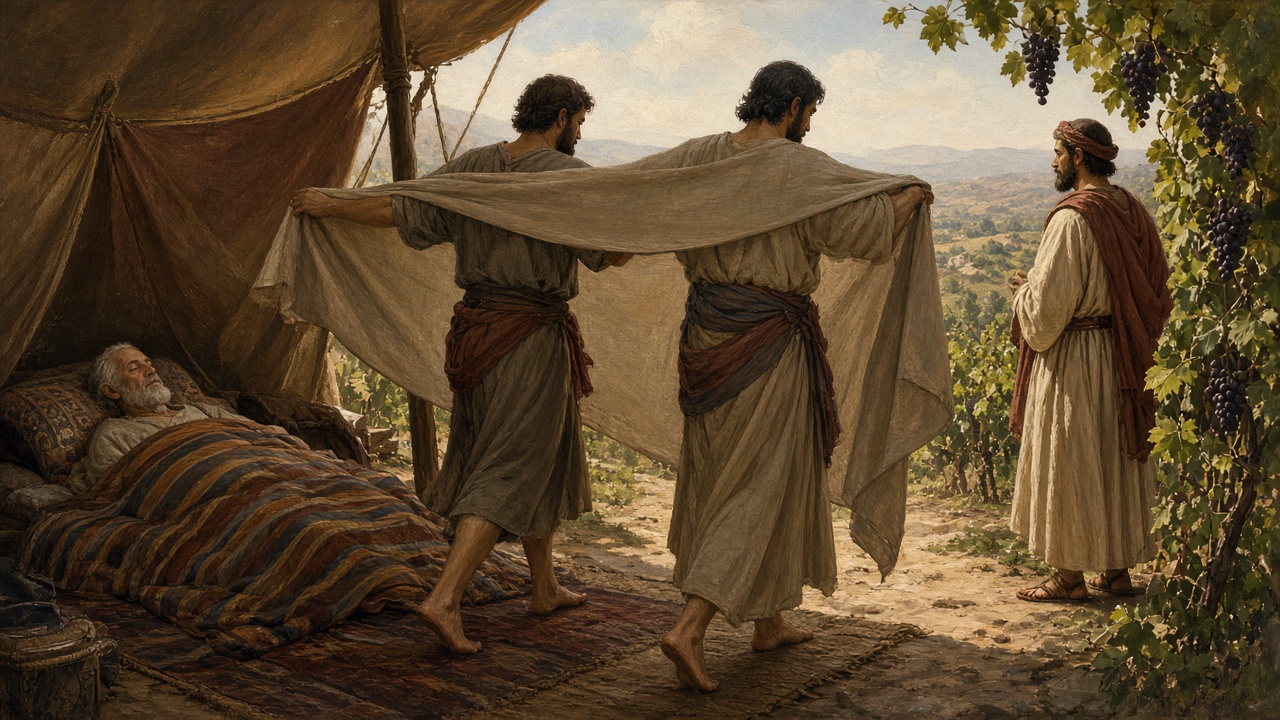
20Kɔ Nuha ɔyɔnɛ wəbifti antɔf k'ɔmbɔf ŋgbɔŋkəlɔ ya wɛn. 21Kɔ Nuha omun member k'encis. K'ɔŋkɔ pəwur kəsɔkər nde abal ŋɔn disrɛ. 22Ntɛ Ham papa wəka Kanaŋ ɛnəŋk kas Nuha pəyi kəsɔkər mɔ, k'ɔŋkɔ pəloku ti awɛnc aŋa mɛrəŋ, aŋɛ ŋanayi nde doru mɔ. 23Sem kɔ Yafɛt ŋalɛk kəloto. Mɛrəŋ maŋan fəp, kɔ ŋaŋkumpnɛ kəloto kaŋkɔ dəcəro. Kɔ ŋaŋkɔ cəkəmuntəra kɔ ŋaŋkɔ ŋabəp papa kəŋan pəyi kəsɔkər. Kɔ ŋaŋkump kɔ kəsɔkər kəŋkɔ ɛnafəntərɛ mɔ. Mba ntɛ ŋanakafəli cəro cəŋan a kɔ ŋaŋkɔ kas kəŋan cəkəmuntəra mɔ, ŋananəŋk fɛ kas kəŋan kəsɔkər. 24Ntɛ pəncɛrŋɛ Nuha kəcis kaŋkɔ disrɛ mɔ, k'aloku kɔ tɔkɔ pənayi kɔ ntɛ ɛnacis mɔ, kɔ tɔkɔ wan kɔn wəlpəs ɛnayɔ kɔ mɔ. 25Kɔ Nuha oloku:
«Intolanɛ Kanaŋ pəlɛc!
Kanaŋ pəyɔnɛ wəcar ka acar a awɛnc aŋa!» 26Kɔ Nuha oloku sɔ:
«Intola MARIKI, Kanu ka Sem,
Kanaŋ pəyɔnɛ wəcar kəŋan!
27Kanu kəyac Yafɛt!
Yafɛt pəyi abal ŋa Sem disrɛ,
Kanaŋ nkɔn pəyɔnɛ wəcar kəŋan!»
28Kɔ Nuha eyi sɔ doru meren 350, ntɛ domun dɛlarəm dencepər mɔ. 29Kəwon ka Nuha doru fəp, kənasɔtɔ meren 950, a k'endefi.
¿Sabías que…?
El pacto de Noé y las palabras sobre sus hijos
- Dios establece un pacto con Noé, con sus descendientes y con todo ser vivo que salió del arca, prometiendo que un diluvio no volverá a destruir toda vida. La señal es el arcoíris puesto en las nubes, para todas las generaciones. Una cronología fecha este pacto en 2346 a.C.Fuentes: el propio texto bíblico · God makes a covenant with Noah
- Génesis 9 dice que toda la tierra fue poblada a partir de Sem, Cam y Jafet. Sem se explica como 'nombre' o 'renombre', probablemente el mayor y antepasado de los israelitas, aunque Jafet también se describe como quizás el primero en nacer. Jafet significa 'el que se extiende ampliamente', un juego con el hebreo 'Dios engrandecerá a Jafet', y se lo vincula con muchas tribus del este de Europa y del norte de Asia; Cam, que significa 'cálido' o 'caliente', y de ahí el sur, es llamado el hijo menor de Noé.Fuentes: el propio texto bíblico · Shem · Japheth · Ham
- Noé, hombre de la tierra, planta una viña, bebe el vino y queda descubierto en su tienda. Sem y Jafet lo cubren caminando hacia atrás, con los rostros vueltos, acto que un diccionario llama piedad filial y ocasión de la profecía de que los descendientes de Jafet se extenderían. La maldición se pronuncia contra Canaán, el cuarto hijo de Cam, a causa de lo que su padre había hecho; una cronología fecha el episodio en 2345 a.C.Fuentes: el propio texto bíblico · Japheth · Canaan · Noah gets drunk and Canaan is cursed
Notas escritas con ayuda de IA a partir de fuentes abiertas (Theographic Bible Metadata, CC BY-SA 4.0; Easton’s Bible Dictionary, dominio público) y revisadas antes de publicarse.
Créditos y licencia de esta traducción
Kitabu ka Kanu
Portions of the Holy Bible in the Baga Sitemu language of Guinea
Des portions de la Sainte Bible dans la langue Baga Sitemu de Guinée
copyright © 2015 Pioneer Bible Translators
Language: Baga Sitemu
Translation by: Traducteurs Pionniers de la Bible
Contributor: Pioneer Bible Translators
This translation is made available to you under the terms of the
Creative Commons Attribution Share-Alike license 4.0.
You have permission to share and redistribute this Bible translation in any format and to make reasonable revisions and adaptations of this translation, provided that:
You include the above copyright and source information.
If you make any changes to the text, you must indicate that you did so in a way that makes it clear that the original licensor is not necessarily endorsing your changes.
If you redistribute this text, you must distribute your contributions under the same license as the original.
Pictures included with Scriptures and other documents on this site are licensed just for use with those Scriptures and documents.
For other uses, please contact the respective copyright owners.
Note that in addition to the rules above, revising and adapting God's Word involves a great responsibility to be true to God's Word. See Revelation 22:18-19.
2025-04-29
Fuente: http://ebible.org/bsp/ · eBible.org