Genesis 9
Kitabu ka Kanu · Tap a verse to see its cross-references.
Kanu kədɛrmɛ kɔn Nuha
1Kɔ Kanu kəmpocɛ Nuha pətɔt k'awut ɔn, kɔ kəloku ŋa: «Nəyɔnɛ akombəra, nəkom pəlarəm, nəlas antɔf. 2Kəyɛfɛ mɔkɔ, sɛm ya doru fəp, kəbəp bɛmp, sɛm yɛfɛt kɔ lop, yende yecnesɛ nu. Nəndetam kəcsɔm yi. 3Paka o paka mpɛ peyi wəyeŋ pɔckɔt mɔ, pɔyɔnɛ nu peri pəmɔ ntɛ inasɔŋ nu yokom ya yika yɛcaŋk kɔ ya tɔk mɔ. Isɔŋ nu oŋ ndɛkəl yayɔkɔ fəp. 4Mba ta nəde nəcsɔm wɛsɛm nwɛ wɔsɔrɔyɔ mecir ma wi mɔ. 5Indeyif nu teta mecir monu, mmɛ mɔyɔnɛ kəyi doru konu mɔ. Indeyif sɔ ti sɛm fəp nyɛ yendedif fum mɔ. Pəmɔ ntɛ indeyif ti fum nwɛ endedif wɛnc mɔ.»
6«Nwɛ endif fum mɔ,
padif sɔ (məna wəkayi),
bawo Kanu kəlompəs fum pəwurɛnɛ kɔ nkɔn sərka.
7Kɔ nəna, nəyɔnɛ akombəra, nəkom pəlarəm, nəsamsər doru.»
8Kɔ Kanu kəloku sɔ Nuha k'awut ɔn: 9«K'ina, indesek sɔ danapa kɔ nəna, kəbəp ka yuruya yam kɔ nəna nəncepər-ɛ, 10kɔ ca fəp nyɛ yɔnɔŋkər nu mɔ: Bɛmp, sɛm ya dare kɔ ya dop, nyɛ yowur debil mɔ, kɔ nyɛ andekom nnɔ doru mɔ. 11Isek danapa kɔ nəna, ntɛ t'indeyɔ: Domun dɔfɔdesɔdi antɔf, wəcafən ɔfɔdesɔyi nwɛ endeləsər antɔf mɔ.» 12Kɔ Kanu kəndeŋər: «Paka pa danapa dosu pɛmpɛ mpɛ pendeyi su dacɔ kɔ nəna doru o doru, kəbəp ka ca yeŋesəm. 13Isɛkən ambəncəran (asiŋki) ŋem nde dəkəp. In'ende kəccɛm-cɛməs im temer ntɛ isɔŋ antɔf mɔ. 14Tɛm o tɛm ntɛ wəcafən ende pəcbiyɛ, a asiŋki ŋowur mɔ, 15incɛm-cɛmnɛ temer tɔkɔ inasɔŋ nu kɔ ca nyɛ yeŋesəm doru mɔ, wəcafən ɔfɔdesɔtuf nwɛ endesɔləsər ca ya doru fəp mɔ. 16Dəkəp ambəncəran ŋɔŋkɔyi. K'indenəŋk ŋi-ɛ, indecɛm-cɛmnɛ temer ta danapa dem ta doru o doru ntɛ inalɛk kɔ ca fəp nyɛ yeŋesəm doru mɔ.» 17Kɔ Kanu kəŋgbɔkərɛnɛ sɔ moloku mamɛ Nuha: «Asiŋki ŋementər temer ntɛ isɔŋ nu kɔ ca ya doru nyɛ yeŋesəm mɔ.»
Nuha k'awut ɔn maas: Doru dofu, kɔ kiciya kəfu sɔ
18Awut a Nuha aŋɛ ŋanawur debil mɔ ŋanayɔnɛ: Sem, Ham, kɔ Yafɛt. Ham ɔyɔnɛ papa wəka Kanaŋ. 19Awut a Nuha akaŋɛ maas ŋagbɔkərɛ sɔ kəlas antɔf.
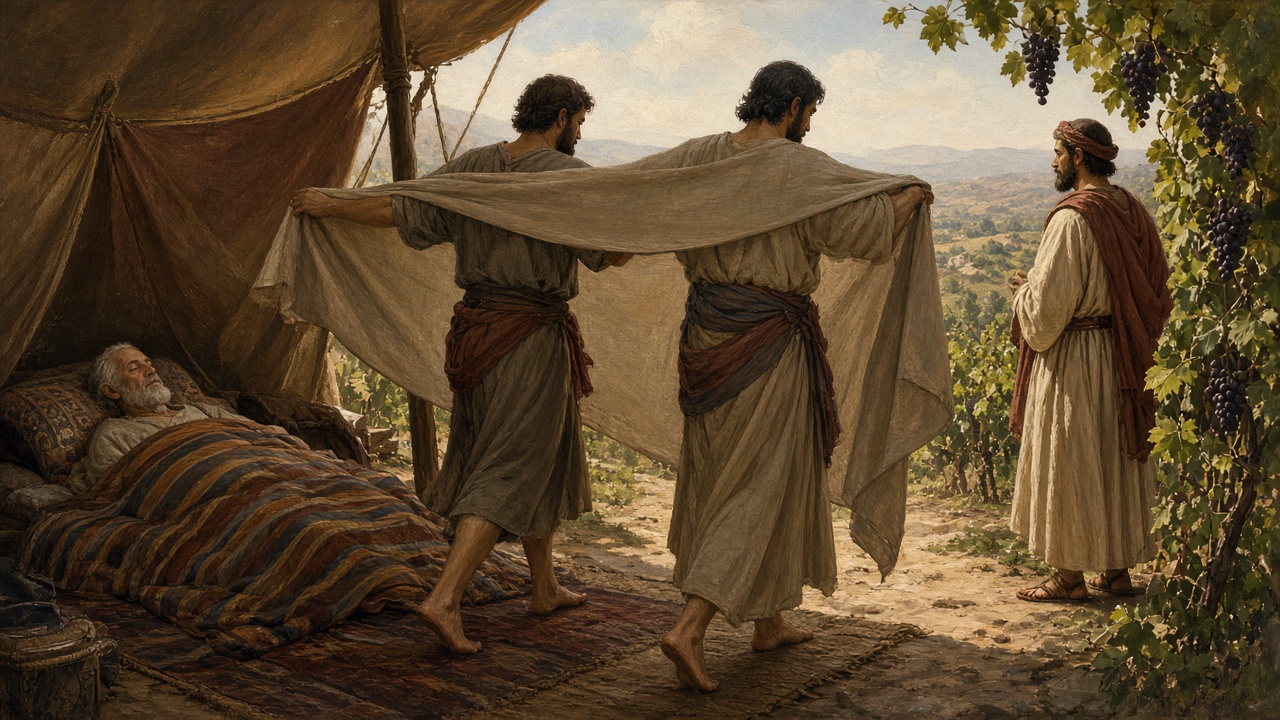
20Kɔ Nuha ɔyɔnɛ wəbifti antɔf k'ɔmbɔf ŋgbɔŋkəlɔ ya wɛn. 21Kɔ Nuha omun member k'encis. K'ɔŋkɔ pəwur kəsɔkər nde abal ŋɔn disrɛ. 22Ntɛ Ham papa wəka Kanaŋ ɛnəŋk kas Nuha pəyi kəsɔkər mɔ, k'ɔŋkɔ pəloku ti awɛnc aŋa mɛrəŋ, aŋɛ ŋanayi nde doru mɔ. 23Sem kɔ Yafɛt ŋalɛk kəloto. Mɛrəŋ maŋan fəp, kɔ ŋaŋkumpnɛ kəloto kaŋkɔ dəcəro. Kɔ ŋaŋkɔ cəkəmuntəra kɔ ŋaŋkɔ ŋabəp papa kəŋan pəyi kəsɔkər. Kɔ ŋaŋkump kɔ kəsɔkər kəŋkɔ ɛnafəntərɛ mɔ. Mba ntɛ ŋanakafəli cəro cəŋan a kɔ ŋaŋkɔ kas kəŋan cəkəmuntəra mɔ, ŋananəŋk fɛ kas kəŋan kəsɔkər. 24Ntɛ pəncɛrŋɛ Nuha kəcis kaŋkɔ disrɛ mɔ, k'aloku kɔ tɔkɔ pənayi kɔ ntɛ ɛnacis mɔ, kɔ tɔkɔ wan kɔn wəlpəs ɛnayɔ kɔ mɔ. 25Kɔ Nuha oloku:
«Intolanɛ Kanaŋ pəlɛc!
Kanaŋ pəyɔnɛ wəcar ka acar a awɛnc aŋa!» 26Kɔ Nuha oloku sɔ:
«Intola MARIKI, Kanu ka Sem,
Kanaŋ pəyɔnɛ wəcar kəŋan!
27Kanu kəyac Yafɛt!
Yafɛt pəyi abal ŋa Sem disrɛ,
Kanaŋ nkɔn pəyɔnɛ wəcar kəŋan!»
28Kɔ Nuha eyi sɔ doru meren 350, ntɛ domun dɛlarəm dencepər mɔ. 29Kəwon ka Nuha doru fəp, kənasɔtɔ meren 950, a k'endefi.
Did you know?
Noah's Covenant and the Words about His Sons
- God makes a covenant with Noah, with his descendants, and with every living creature that came out of the ark, promising never again to destroy all life by a flood. The sign is a rainbow set in the clouds, for all generations. One chronology dates this covenant to 2346 BC.Sources: the Bible text itself · God makes a covenant with Noah
- Genesis 9 says the whole earth was populated from Shem, Ham, and Japheth. Shem is explained as 'a name' or 'renown,' probably the eldest and the ancestor of the Israelites, though Japheth is also described as perhaps first by birth. Japheth means 'wide spreading,' a play on the Hebrew 'God shall enlarge Japheth,' and is linked to many tribes in the east of Europe and the north of Asia; Ham, meaning 'warm' or 'hot,' and hence the south, is called Noah's youngest son.Sources: the Bible text itself · Shem · Japheth · Ham
- Noah, a man of the soil, plants a vineyard, drinks the wine, and lies uncovered in his tent. Shem and Japheth cover him while walking backward, faces turned away, an act a dictionary calls filial piety and the occasion of the prophecy that Japheth's descendants would spread. The curse is spoken against Canaan, Ham's fourth son, because of what his father had done; one chronology dates the episode to 2345 BC.Sources: the Bible text itself · Japheth · Canaan · Noah gets drunk and Canaan is cursed
Notes written with AI assistance from open sources (Theographic Bible Metadata, CC BY-SA 4.0; Easton’s Bible Dictionary, public domain) and reviewed before publishing.
Credits and license for this translation
Kitabu ka Kanu
Portions of the Holy Bible in the Baga Sitemu language of Guinea
Des portions de la Sainte Bible dans la langue Baga Sitemu de Guinée
copyright © 2015 Pioneer Bible Translators
Language: Baga Sitemu
Translation by: Traducteurs Pionniers de la Bible
Contributor: Pioneer Bible Translators
This translation is made available to you under the terms of the
Creative Commons Attribution Share-Alike license 4.0.
You have permission to share and redistribute this Bible translation in any format and to make reasonable revisions and adaptations of this translation, provided that:
You include the above copyright and source information.
If you make any changes to the text, you must indicate that you did so in a way that makes it clear that the original licensor is not necessarily endorsing your changes.
If you redistribute this text, you must distribute your contributions under the same license as the original.
Pictures included with Scriptures and other documents on this site are licensed just for use with those Scriptures and documents.
For other uses, please contact the respective copyright owners.
Note that in addition to the rules above, revising and adapting God's Word involves a great responsibility to be true to God's Word. See Revelation 22:18-19.
2025-04-29
Source: http://ebible.org/bsp/ · eBible.org