Éxodo 8
Kitabu ka Kanu · Toca un versículo para ver sus referencias cruzadas.
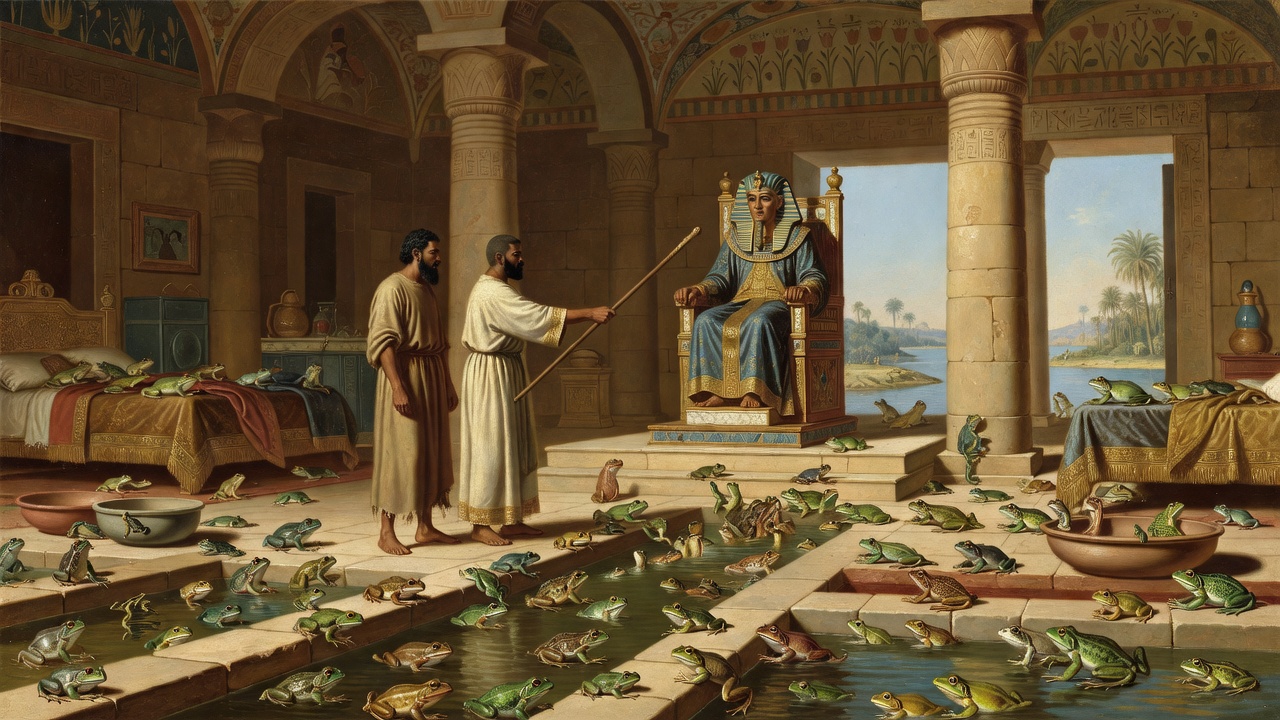
1Ntɛ tɔ kɔ MARIKI oloku Musa: «Məloku Aruna: ‹Məcenc kəca kam kɔ kəgbo kam kəŋgbɔkɔ kəroŋ, nde dəsəŋgbəl sa Nil fəp, haŋ nde dəcumbul, məpɛnɛ fəntəl atɔf ŋa Misira.›» 2Kɔ Aruna encenc kəca kɔn domun da Misira kəroŋ, kɔ fəntəl yɛmpɛ kɔ yoŋkump antɔf ŋa Misira. 3Kɔ dure kɔ deser daŋan ŋa sɔ ŋayɔ pəmɔ tatɔkɔ, kɔ ŋampɛnɛ fəntəl antɔf ŋa Misira.
4Kɔ firawona ewe Musa kɔ Aruna k'oloku ŋa: «Nətolanɛ su MARIKI pəbɔlɛn'em fəntəl yayɛ kɔ afum em. Tɛm tatɔkɔ iŋsak afum aka Yisrayel, ntɛ tɔŋsɔŋɛ ŋakɔ ŋaloŋnɛ MARIKI mɔ.» 5Kɔ Musa oloku firawona: «Pəlel pam, ake tɛm t'indetolan'on, kɔ amarəs am, kɔ afum aka atɔf ŋam, ntɛ tɔŋsɔŋɛ pəsɔlɛnɛ fəntəl ya nde ndaram kɔ ya nde wɔlɔ wam, pəcəmɛ ya nde dəkəŋgbɔkɔ gbəcərəm nyɛ ɔntɔdeliŋ mɔ-ɛ?» 6Kɔ firawona oloku kɔ: «Məyɔ ti alna.» Kɔ Musa oloku kɔ: «Tendeyi pəmɔ tɔkɔ məloku ti mɔ, tɔsɔŋ'am kəcərɛ a ali fum eyi fɛ pəmɔ MARIKI Kanu kosu! 7Fəntəl yendebɔl'am kɔ wɔlɔ wam, k'amarəs am, k'afum am, mɛnɛ nde dəkəŋgbɔkɔ ka Nil gbəcərəm yendeyi.»
8Musa kɔ Aruna ŋawur ndena firawona, kɔ Musa ɛlɛtsɛnɛ MARIKI teta fəntəl nyɛ ɛnakɛrɛ firawona kətɔrəs kɔn mɔ. 9Kɔ MARIKI ɔyɔ tɔkɔ Musa ɛnaloku kɔ mɔ. Kɔ fəntəl yefis-fis kəyɛfɛ nde dəwɔlɔ, dəcəbaŋka haŋ nde dalɛ. 10K'aloŋka-loŋka yi mɛpɛsa mɛpɛsa, kɔ ambɔnc ŋa pəte pa yi ŋosumpər atɔf ŋa Misira fəp.
11Mba ntɛ firawona ɛnəŋk a kəŋesəm kənder mɔ, k'eyeŋk sɔ domp, ɛncəŋkəl fɛ sɔ Musa kɔ Aruna pəmɔ tɔkɔ MARIKI ɛnaloku ti mɔ.
Pəcuy pa maas: Mes-yɛŋaŋ
12Kɔ MARIKI oloku Musa: «Məloku Aruna: ‹Məcenc kəgbo kam, məsutɛ ki kəbof ka dəntɔf.› Kəbof kaŋkɔ kəndetəŋkəlɛ mes-yɛŋaŋ Misira fəp.» 13Itɔ ŋanayɔ. Kɔ Aruna encenc kəgbo kɔn k'osutɛ ki kəbof ka dəntɔf. Kɔ kəbof kaŋkɔ kəntəŋkəlɛ mes nyɛ yɛncŋaŋ afum kɔ yɔcɔl mɔ, kɔ kəbof ka atɔf ŋa Misira fəp kəyɔnɛ mes. 14Kɔ dure ŋa sɔ ŋawakəs deser daŋan fəp ntɛ tɔŋsɔŋɛ ŋa sɔ ŋawurɛ mes-yɛŋaŋ mɔ, mba ŋanatam fɛ. Kɔ mes yɛlar-lar afum kɔ yɔcɔl. 15Kɔ dure ŋaloku firawona: «Kəca ka Kanu kɔ!» Mba firawona encyeŋk kəyeŋk dəm domp, owosɛ fɛ kəcəŋkəl Musa kɔ Aruna, pəmɔ tɔkɔ MARIKI ɛnaloku ti mɔ.
Pəcuy pa maŋkəlɛ: Waŋkəp
16Kɔ MARIKI oloku Musa: «Məde məyɛfɛ bətbət suy, məkɔ məcəmɛ dɔpɔ dɔkɔ firawona encepər mɔ. K'ende kəcwur kəkɔ ka nde dəkəŋgbɔkɔ-ɛ, məde məloku kɔ: ‹Ntɛ tɔ MARIKI oloku: Məsak afum em ntɛ tɔŋsɔŋɛ ŋakɔ ŋasalɛn'em mɔ! 17Kɔ məntɔsak afum em ŋakɔ-ɛ, iŋwɛnər'on kənay ka waŋkəp yɛlarəm, kəyɛfɛ məna, kəkɔ amarəs am, kəbəp afum am haŋ wɔlɔ wam. Wɔlɔ wa aka Misira wendelarɛ waŋkəp haŋ yokump antɔf nŋɛ ŋayi mɔ. 18Mba dɔsɔk dadɔkɔ indegbɛy atɔf ŋa Kosɛŋ nde afum em ŋayi mɔ, dəndo taŋ waŋkəp yɛlarəm yɔfɔkɔyi di, isɔŋ'am oŋ kəcərɛ a ina, MARIKI, iyi atɔf ŋaŋɛ dacɔ. 19Indeboc tɛgbɛkərɛ afum em kɔ afum am dacɔ, ntɛ tendeyɔnɛ tɛyacɛ ta afum em mɔ. Alna tɛgbɛkərɛ tɛwɛy-wɛy tatɔkɔ teŋyi.›»
20Kɔ MARIKI ɔyɔ tatɔkɔ. Kɔ waŋkəp yɛlarəm yender nde kəlɔ ka firawona kɔ nde kəlɔ ka amarəs ɔn, kɔ nde atɔf ŋa Misira fəp kɔ waŋkəp yɛlarəm yayɔkɔ yɛləsər atɔf. 21Kɔ firawona ewe Musa kɔ Aruna, k'oloku ŋa: «Nəkɔ nəloŋnɛ Kanu konu nnɔ atɔf ŋaŋɛ disrɛ.» 22Kɔ Musa oluksɛ firawona: «Pəntesɛ fɛ kəyɔ tatɔkɔ, bawo kəloŋnɛ nkɛ səŋkɔloŋnɛ MARIKI Kanu kosu mɔ, kəloŋnɛ kɔ nkɛ kəyik-yik aka Misira mɔ teta dinɛ daŋan, kɔ səloŋnɛ ki fɔr yaŋan kiriŋ-ɛ, bafɔ ŋandeca-cas su ba? 23Mata maas mɔ səndekɔt nde dətɛgbərɛ a səkɔloŋnɛ MARIKI Kanu kosu, pəmɔ tɔkɔ ɔŋkɔloku su ti mɔ.» 24Kɔ firawona oloku: «Ina kəsak nu k'inder nəkɔloŋnɛ MARIKI Kanu konu nde dətɛgbərɛ. Mba ta nəbɔlɛ de, nətolanɛn'em!» 25Kɔ Musa oloku firawona: «Inckɔwur nnɔ ndaram intola MARIKI, alna tuŋ waŋkəp yɛlarəm yayɛ yɔmbɔlɛ firawona, amarəs ɔn kɔ afum ɔn. Mba ta firawona pəgbɔkərɛ sɔ kəyembər su, ta pəfati kəsak aka Yisrayel ŋakɔloŋnɛ MARIKI.»
26Ntɛ Musa owur ndena firawona mɔ, k'ontola MARIKI. 27Kɔ MARIKI ɔyɔ tɔkɔ Musa ɛnaloku kɔ mɔ, kɔ waŋkəp yɛlarəm yɔmbɔlɛ firawona, kɔ afum ɔn, kɔ amarəs ɔn. Ali awaŋkəp ŋin ŋɛnayi fɛ sɔ Misira.
28Mba kɔ firawona ɛntaŋ aləŋəs, owosɛ fɛ kəsak aka Yisrayel ŋakɔ.
¿Sabías que…?
Tres plagas sobre Egipto
- Las ranas de este capítulo suben del Nilo, un nombre que el Antiguo Testamento no usa. El Easton's Bible Dictionary dice que el río aparece como Sihor, “la corriente negra”, o simplemente “el río”, y que el Nilo Blanco y el Nilo Azul se unen en Jartum, luego recorren 1.800 millas y entran al Mediterráneo por dos brazos. Aarón extiende su vara sobre los ríos, los canales y los estanques, y las ranas cubren la tierra de Egipto.Fuentes: Nile · el propio texto bíblico
- Cuando las moscas llenan las casas de los egipcios y arruinan la tierra, el capítulo dice que no se hallará ninguna en Gosén, donde viven los israelitas, como distinción entre los dos pueblos. El Easton's Bible Dictionary describe Gosén como un distrito al este del Nilo, al parecer no lejos de la residencia real, llamado también tierra de Ramsés porque Pitom y Ramsés quedaban dentro de sus límites, y también vincula el distrito con Zoán, o Tanis. La misma entrada la llama “lo mejor de la tierra”.Fuentes: Goshen · el propio texto bíblico
- Moisés y Aarón hablan con el faraón en persona. El Easton's Bible Dictionary (1897) sitúa al faraón del Éxodo en Zoán, escenario de las entrevistas con ellos registradas en Éxodo, pero deja su identidad como una cuestión abierta entre Menephtah, llamado allí el decimocuarto y mayor hijo sobreviviente de Ramsés II, y Seti II, y añade que algunos creen que las evidencias favorecen a Seti II.Fuentes: Pharaoh (of the Exodus) · el propio texto bíblico
Notas escritas con ayuda de IA a partir de fuentes abiertas (Theographic Bible Metadata, CC BY-SA 4.0; Easton’s Bible Dictionary, dominio público) y revisadas antes de publicarse.
Lugares de este capítulo
- Nile · Hoy: Nile River · 31.465, 30.367 · versículos 3, 9, 11
- Egypt · 30.129, 31.308 · versículos 5, 6, 7, 16, 17, 21, 24
- Goshen · Hoy: Goshen 1 · 30.799, 31.834 · versículo 22
Solo aparecen lugares identificados con alta confianza (90 % o más según las fuentes académicas reunidas por OpenBible). Mapa de la época: DARE (Digital Atlas of the Roman Empire), CC BY 4.0; mapa actual: © colaboradores de OpenStreetMap; lugares: OpenBible.info (CC BY 4.0).
Créditos y licencia de esta traducción
Kitabu ka Kanu
Portions of the Holy Bible in the Baga Sitemu language of Guinea
Des portions de la Sainte Bible dans la langue Baga Sitemu de Guinée
copyright © 2015 Pioneer Bible Translators
Language: Baga Sitemu
Translation by: Traducteurs Pionniers de la Bible
Contributor: Pioneer Bible Translators
This translation is made available to you under the terms of the
Creative Commons Attribution Share-Alike license 4.0.
You have permission to share and redistribute this Bible translation in any format and to make reasonable revisions and adaptations of this translation, provided that:
You include the above copyright and source information.
If you make any changes to the text, you must indicate that you did so in a way that makes it clear that the original licensor is not necessarily endorsing your changes.
If you redistribute this text, you must distribute your contributions under the same license as the original.
Pictures included with Scriptures and other documents on this site are licensed just for use with those Scriptures and documents.
For other uses, please contact the respective copyright owners.
Note that in addition to the rules above, revising and adapting God's Word involves a great responsibility to be true to God's Word. See Revelation 22:18-19.
2025-04-29
Fuente: http://ebible.org/bsp/ · eBible.org