Hechos 3
Dios oca gotirituti · Toca un versículo para ver sus referencias cruzadas.
Pedro, micagʉ̃re ĩ catiore queti
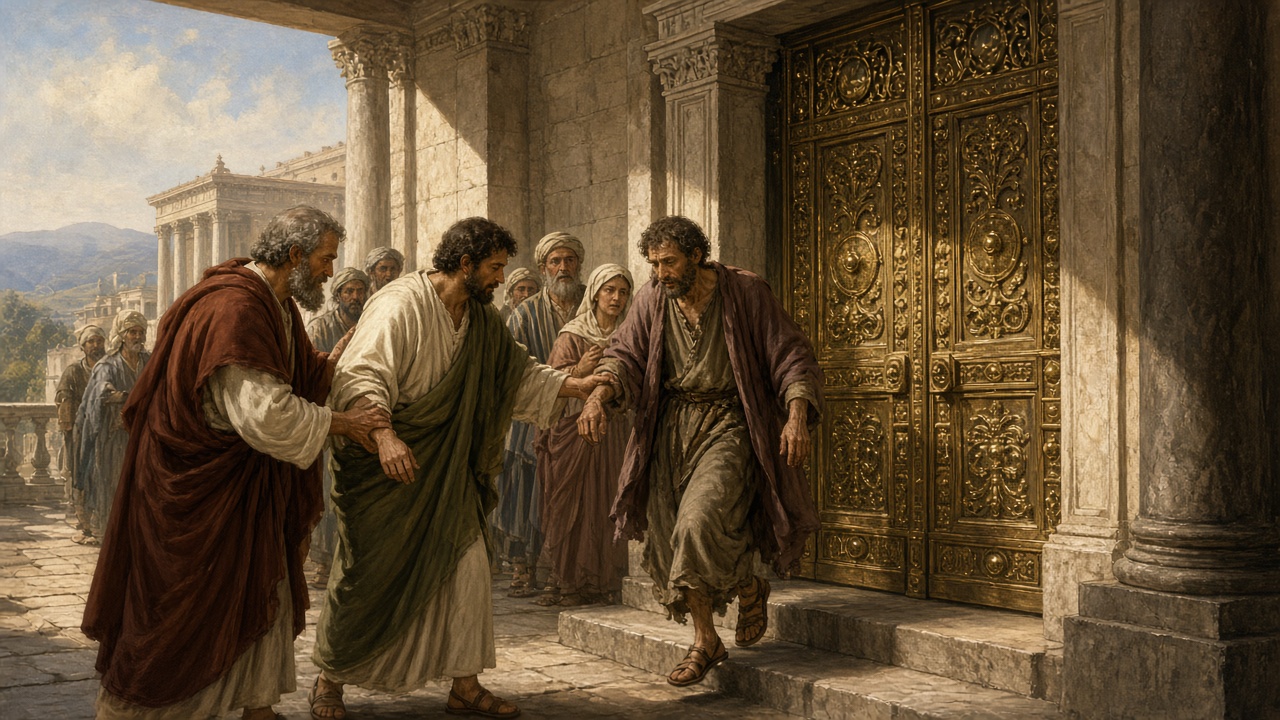
1Tocãrãcarʉ̃mʉ ñamicajʉa tʉsato, Diore sẽnirã ejarũgũñujarã ĩna jud'io masa. To bajiri cojorʉ̃mʉ Pedro, Juan rãca, Diore ĩre sẽnirã vasujarã ĩna quẽne, Diore yirʉ̃cʉbʉoriavijʉ. 2Ti vi soje tʉre rujiyuju rẽmone micagʉ̃ ruyuar'i. Tocãrãcarʉ̃mʉ tojʉre ĩre ãmiejorũgũñujarã ĩ babarã. Ti soje, Quẽnarisoje vãme cʉti soje ñañuju ti. Ti soje tʉre rujicõari, ti vi sãjarãre, “¿Yʉre ĩamaicõari, gãjoa ĩsirʉabeati mʉa?”, yirujirũgũñuju ĩ. 3To bajiri, Pedro, Juan rãca ĩna sãjatone, gãjoare ĩnare sẽniñuju micagʉ̃. 4To bajiro ĩ yisere ajicõari, ĩre ĩañujarã ĩna. To yirãne, ado bajiro ĩre yiyuju Pedro:
—Adojʉare ĩaña, mʉ —ĩre yiyuju.
5To ĩ yijare, “Yʉre ĩsirʉarãma mojoroaca” yigʉ, quẽnaro ĩnare ajiyuju micagʉ̃jʉama. 6To yicõari, ado bajiro ĩre yiyuju Pedro:
—Gãjoa maja yʉare. Gajeye quẽnamasuse mʉre yirẽmorʉcʉja yʉ. Jesucristo Nazaret macagʉ ĩ masise rãca mʉre varotiaja yʉ —yiyuju Pedro, micagʉ̃re.
7To yicõari, ĩ riojojacatʉaga ãmore ñiacõari, ĩre tʉ̃avʉ̃mʉorʉ̃gõñuju Pedro. To ĩ yirone, ĩ ñicʉgʉ̃ri, ĩ ãñatigãri tĩmacoasuju, ĩre, micaboar'ire yuja. 8To bajicõari, jatirocarʉ̃gʉ̃cõari, vasʉoyuju ĩ yuja. Ĩna rãca sãjasuju micaboar'i, Diore yirʉ̃cʉbʉoriavijʉre. To jatisãjacʉne, “Dios quẽnaro yʉre yami. Yʉ rijaye cʉtisere yʉre catioami”, yivariquẽnañuju ĩ. 9Ti vi ñarã, to bajiro ĩ yivariquẽnasere ĩañujarã ĩna. 10To bajiri ĩre ĩamasicõari ʉcayujarã ĩna. “¿‘Quẽnarisoje’ vãme cʉti soje tʉ gãjoa sẽnirujirũgũgʉ̃ me ñati ĩ?”, yiyujarã ĩna.
Diore yirʉ̃cʉbʉoriavijʉ Pedro ĩ gotimasiore queti
11To bajiri micagʉ̃ ñaboar'i, Pedrore, Juanre ĩnare ñiatuayuju, “Yʉre vaveobeticõato ĩna” yigʉ. Salomón vãme cʉtijacatʉajʉare rʉ̃gõñujarã ĩna, Pedro, Juan rãca. To bajiro ĩna bajirone, masa ĩna ñaro cõrone ũmarẽjañujarã ĩna, ĩre ĩna catiorore ĩaʉcacõari. 12Ĩna ũmarẽjaro ĩacõari, ado bajiro ĩnare gotiyuju Pedro:
—¿No yirã ĩaʉcati? Ĩaʉcabesa, mʉa, yʉ yarã Israel ñamasir'i jãnerabatia. Ãni micar'ire yʉa masune catiobejʉ yʉa. “Diore quẽnaro cʉdirã ñari, ĩre catioma”, yitʉoĩabesa mʉa. 13Ado bajirojʉa bajiaja: Mani ñicʉa Abraham, Isaac, to yicõari, Jacob ĩna rʉ̃cʉbʉomasir'i, ĩ bojasere yicacʉre Jesúre “Ñamasugʉ̃ ñaami” yirʉ̃cʉbʉogʉ, ãni micar'ire yʉare catiorotimi. To bajiro yigʉ ĩ ñaboajaquẽne, Jesúre ĩaterãre ocasãcajʉ mʉa, ʉjarãre, “Ĩre sĩato ĩna” yirã. Ʉjʉ Pilato, Jesúre ĩ burotirʉaboajaquẽne, mʉajʉa ĩre sĩarʉacajʉ. 14Dios ĩ bojase rĩne yigʉre Jesúre burotimenane, Barrabájʉare ĩre buroticõacajʉ mʉa, Pilatore. 15To bajiro mʉa yijama, ĩna rijato berojʉ “Tudirijabeticõato” yigʉ, Dios ĩ catisere ĩsirocʉre sĩarotiyuja mʉa. To bajiboarine rijar'irene tudicatiocõañuju Dios. Ĩre ĩacõari, “Quẽna tudicaticoasumi”, yimasiaja yʉa. 16Ãni micagʉ̃ ñaboagʉre ĩre ĩaja mʉa. “Jesús yʉre catiorʉcʉmi” ĩ yitʉoĩajare, rẽmone ĩ ñicʉgʉ̃ri tĩmacoajʉ ti. Tire ĩacõari, “Jesús sʉorine bajiaja ti”, yimasiaja mʉa.
17Mani ʉjarã rãca Jesúre ĩre sĩaroticajʉ mʉa, riojo tʉoĩabetica yirã. 18“To bajirone bajirʉaroja ti” Dios ĩ yimasire ñajare, bajicajʉ tima. Ado bajiro ucamasiñujarã Diore ĩre gotirẽtobosariarã: “Rojose tãmʉocõari, sĩaecorʉcʉmi Cristo”, yiucamasiñujarã ĩna. 19Tire ajicõari, rojose mʉa yisere yitʉjacõari, Diore sẽniña mʉa. To mʉa yijama, rojose mʉa yisere masiriorʉcʉmi. To bajiro ĩ yijare, ĩ rãca quẽnaro ñarʉarãja mʉa. 20To bajiro mʉa bajijama, Jesúre mʉare cõarʉcʉmi Dios quẽna, tirʉ̃mʉjʉne “‘Masa ʉjʉ ñaña mʉ’ yigʉ mʉre cõarʉcʉja” yimasir'i ñari. 21Yucʉrema õ vecajʉ ñagʉ̃mi Jesús. “To cõrone adi macarʉcʉrore tudiquẽnorʉcʉja yʉ” Dios ĩ yitʉoĩariaro bajiro ti bajiroto rĩjoro, tone ñacõa ñarʉcʉmi. Adi ñaja tirʉ̃mʉana Diore ĩre gotirẽtobosamasiriarã, ĩna ucamasire. 22Diore gotirẽtobosamasir'i, Moisés vãme cʉtigʉ, ado bajiro gotimasiñuju, mani ñicʉare: “Dios mani ʉjʉ yʉre ĩ cõacatore bajirone gãji ĩ ocare gotirocʉre cõarʉcʉmi. Ĩ cõarocʉma, mani rãcagʉne ñarʉcʉmi. Jediro ĩ yirore bajirone cʉdirʉarãja mʉa. 23Ĩ yirore bajiro cʉdimenarema, ĩnare bucõaroti ñaja ti. Ĩnare bucõari ĩnare sĩaroti ñaja”, yimasiñuju Moisés. Adi ñaja, Jesús ĩ bajirotire goti rĩjoro yigʉ, mani ñicʉare ĩ gotimasire.
24Samuel vãme cʉtimasir'i, to yicõari, ĩre bajiro bajirã quẽne ĩ beroana Diore ĩre gotirẽtobosariarã ñajediro, adirʉ̃mʉri bajirotire gotiyujarã ĩna quẽne. 25Tirʉ̃mʉjʉ, mani ñicʉare Dios ĩ gotirere gotimasiñujarã ĩna. Dios mani ñicʉare ĩ goticõare ti ñajare, quẽnase manire ejarʉaroja ti. Ado bajiro mani ñicʉ Abraham ñamasir'ire gotimasiñuju Dios: “Masa jedirore quẽnaro yirʉcʉja yʉ, mʉ jãnerabatia sʉori”, yimasiñuju Dios, mani ñicʉ ñamasir'ire gotigʉ. 26To yimasir'i ñari, ĩ macʉre catiocõari bero, mani jud'io masa tʉjʉre ĩre cõasʉoyumi Dios, “Ĩ sʉori, rojose ĩna yisere masiriocõari, quẽnaro ñato ĩna” yigʉ cõañuju, ĩ macʉre —ĩnare yigotimasioñuju Pedro.
¿Sabías que…?
Curación y predicación en el templo
- La puerta del templo llamada Hermosa, donde cada día ponían a mendigar a un hombre cojo de nacimiento, se nombra en este capítulo. Se supone que era la puerta que iba del atrio de los gentiles al atrio de las mujeres; era maciza y estaba cubierta con placas de latón corintio.Fuentes: Beautiful Gate · el propio texto bíblico
- Después de la curación, la multitud asombrada corrió hacia Pedro y Juan en el paseo llamado Pórtico de Salomón. Era una columnata, o claustro, probablemente en el lado oriental del templo; no se menciona en relación con el primer templo, pero Josefo menciona un pórtico de ese nombre en el templo de Herodes.Fuentes: Solomon's Portico · el propio texto bíblico
- En el discurso allí, Pedro dijo que el pueblo había entregado a Jesús y lo había rechazado ante Pilato, aunque Pilato había decidido soltarlo. Una entrada de diccionario identifica a Poncio Pilato como el sexto procurador romano de Judea, del 26 al 36 d.C., con sede en Cesarea, aunque subía con frecuencia a Jerusalén; su nombre cobra especial relieve en relación con el juicio de Jesús.Fuentes: Pontius Pilate · el propio texto bíblico
Notas escritas con ayuda de IA a partir de fuentes abiertas (Theographic Bible Metadata, CC BY-SA 4.0; Easton’s Bible Dictionary, dominio público) y revisadas antes de publicarse.
Lugares de este capítulo
- Beautiful Gate · Hoy: in Jerusalem · 31.777, 35.234 · versículos 2, 10
- Nazareth · 32.702, 35.298 · versículo 6
- Solomon’s Portico · Hoy: in Jerusalem · 31.777, 35.234 · versículo 11
Solo aparecen lugares identificados con alta confianza (90 % o más según las fuentes académicas reunidas por OpenBible). Mapa de la época: DARE (Digital Atlas of the Roman Empire), CC BY 4.0; mapa actual: © colaboradores de OpenStreetMap; lugares: OpenBible.info (CC BY 4.0).
Créditos y licencia de esta traducción
Dios oca gotirituti
New Testament in Barasana-Eduria (CO:bsn:Barasana-Eduria)
copyright © 2010 Wycliffe Bible Translators, Inc.
Language: Barasana-Eduria
Translation by: Wycliffe Bible Translators, Inc.
Copyright Information
© 2010, Wycliffe Bible Translators, Inc. All rights reserved.
This translation text is made available to you under the
terms of the Creative Commons License: Attribution-Noncommercial-No Derivative Works.
( http://creativecommons.org/licenses/by-nc-nd/3.0/ )
In addition, you have permission to port the text to different file formats, as long as you
do not change any of the text or punctuation of the Bible.
You may share, copy, distribute, transmit, and extract portions
or quotations from this work, provided that you include the above copyright
information:
You must give Attribution to the work.
You do not sell this work for a profit.
You do not make any derivative works that change any of the actual words or punctuation of the Scriptures.
Permissions beyond the scope of this license may be
available if you contact
us with your request.
The New Testament
in Barasana-Eduria
© 2010, Wycliffe Bible Translators, Inc. All rights reserved.
This translation is made available to you under the terms of the
Creative Commons Attribution-Noncommercial-No Derivatives license 4.0.
You may share and redistribute this Bible translation or extracts from it in any format, provided that:
You include the above copyright and source information.
You do not sell this work for a profit.
You do not change any of the words or punctuation of the Scriptures.
Pictures included with Scriptures and other documents on this site are licensed just for use with those Scriptures and documents.
For other uses, please contact the respective copyright owners.
2014-04-22
Fuente: http://ebible.org/bsnNT/ · eBible.org