Isaías 20
Bibeli Luayãtaalá · Toca un versículo para ver sus referencias cruzadas.
Asili zĩblea Egipiↄ ń Etiopiↄwa
1Asiliↄ kí Saagↄ̃ a zĩgↄ̃ↄ gbɛ̃zↄ̃ↄ zĩ̀, ↄ̃ à gɛ̀ lɛ̀lɛ Asedodawa a sì. 2Wɛ̃ bee Dii yãdà Amↄzu nɛ́ Isaiaɛ à mɛ̀: Gɛ ǹ n zwã̀nkasaↄ woloma, ní n kyaleↄ bↄbↄ. Ɔ̃ a kɛ̀ màa, a bɛ bṹu kyalesai. 3Ɔ̃ Dii mɛ̀: Lá ma zↄ̀blena Isaia gↄ̃̀ bɛ bṹu kyalesai wɛ̃̀ àaↄ̃ Egipiↄ ń Etiopiↄ yã'ea seela ũ, 4màa Asiliↄ kía a Egipiↄ ń Etiopiↄ sɛ́lɛ zĩ̀zↄↄ ũ, nɛ́fɛ̃nɛn gbɛ̃zↄ̃ↄ, i táńnↄ bṹu kyalesai. An pↄ̀ↄ iↄ di, aa kpɛbↄ. 5Gbɛ̃́ pↄ́ aa Etiopiↄ náaikɛ̀ aa Egipiↄ gbãa kɛ̀ↄ gↄ̃ ń bílio, an gɛɛ i gↄ̃ kpá ń wɛ́i. 6Gↄↄ bee bùsuɛbeedeↄ mɛ: Gwa! Gbɛ̃́ pↄ́ wá ń náai vĩ wa nańzi aa dↄwálɛ aa wá sí Asiliↄ kíawaↄn we fá! Kpelewa wá kɛ wà pilimá sai?
¿Sabías que…?
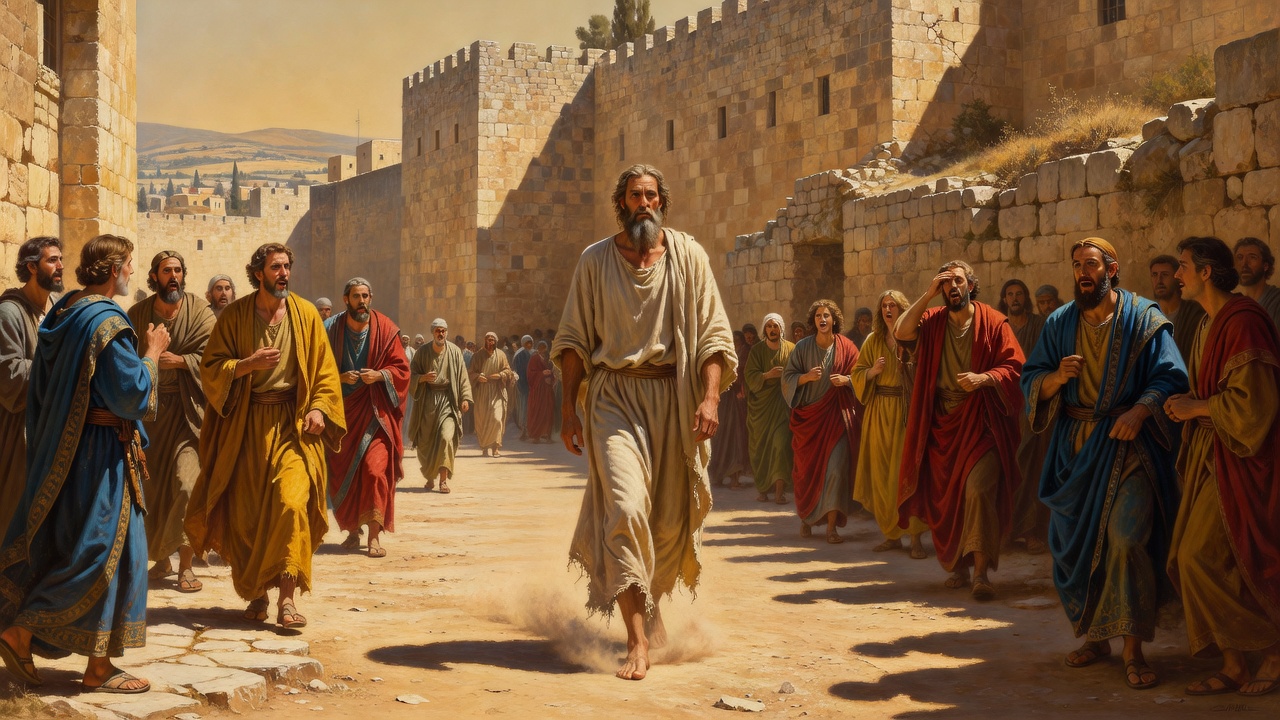
Señal profética contra Egipto y Cus
- Asdod era una ciudad filistea fuertemente fortificada, ubicada en la ruta costera que conectaba Palestina con Egipto. El rey asirio Sargón envió a su comandante para sitiar y capturar la ciudad mientras el Imperio asirio se expandía hacia el sur.Fuentes: el propio texto bíblico · Ashdod
- Dios le ordenó a Isaías quitarse el cilicio exterior y las sandalias, caminando despojado y descalzo durante tres años. Este acto profético simbolizaba cómo Asiria conquistaría y llevaría cautivos a los pueblos de Egipto y Cus en humillación.Fuentes: el propio texto bíblico · Isaiah · Cush
Notas escritas con ayuda de IA a partir de fuentes abiertas (Theographic Bible Metadata, CC BY-SA 4.0; Easton’s Bible Dictionary, dominio público) y revisadas antes de publicarse.
Lugares de este capítulo
- Ashdod · Hoy: Tel Ashdod · 31.757, 34.658 · versículo 1
- Assyria · 36.359, 43.153 · versículos 1, 4, 6
- Cush · Hoy: Cush 1 · 16.935, 33.751 · versículos 3, 4, 5
- Egypt · 30.129, 31.308 · versículos 3, 4, 5, 6
Solo aparecen lugares identificados con alta confianza (90 % o más según las fuentes académicas reunidas por OpenBible). Mapa de la época: DARE (Digital Atlas of the Roman Empire), CC BY 4.0; mapa actual: © colaboradores de OpenStreetMap; lugares: OpenBible.info (CC BY 4.0).
Créditos y licencia de esta traducción
Bibeli Luayãtaalá
The Holy Bible in the Boko language spoken in Benin and Nigeria
copyright © 2010 SIM International
Language: Boko
Translation by: SIM International
Boko Bibeli Luayãtaala
This translation, published by the SIM au Benin, was published in 2010.
If you are interested in obtaining a printed copy, please contact the SIM at ECWA/SIM H.Q., P.M.B. 2009, Jos, Plateau State, NIGERIA.
This translation text is made available to you under the
terms of the Creative Commons License: Attribution-Noncommercial-No Derivative Works.
( http://creativecommons.org/licenses/by-nc-nd/3.0/ )
In addition, you have permission to port the text to different file formats, as long as you
do not change any of the text or punctuation of the Bible.
You may share, copy, distribute, transmit, and extract portions
or quotations from this work, provided that you include the above copyright
information:
You must give Attribution to the work.
You do not sell this work for a profit.
You do not make any derivative works that change any of the actual words or punctuation of the Scriptures.
Permissions beyond the scope of this license may be
available if you contact
us with your request.
This translation is made available to you under the terms of the
Creative Commons Attribution-Noncommercial-No Derivatives license 4.0.
You may share and redistribute this Bible translation or extracts from it in any format, provided that:
You include the above copyright and source information.
You do not sell this work for a profit.
You do not change any of the words or punctuation of the Scriptures.
Pictures included with Scriptures and other documents on this site are licensed just for use with those Scriptures and documents.
For other uses, please contact the respective copyright owners.
2014-09-25
Fuente: http://ebible.org/bqcsim/ · eBible.org