Isaiah 20
Bibeli Luayãtaalá · Tap a verse to see its cross-references.
Asili zĩblea Egipiↄ ń Etiopiↄwa
1Asiliↄ kí Saagↄ̃ a zĩgↄ̃ↄ gbɛ̃zↄ̃ↄ zĩ̀, ↄ̃ à gɛ̀ lɛ̀lɛ Asedodawa a sì. 2Wɛ̃ bee Dii yãdà Amↄzu nɛ́ Isaiaɛ à mɛ̀: Gɛ ǹ n zwã̀nkasaↄ woloma, ní n kyaleↄ bↄbↄ. Ɔ̃ a kɛ̀ màa, a bɛ bṹu kyalesai. 3Ɔ̃ Dii mɛ̀: Lá ma zↄ̀blena Isaia gↄ̃̀ bɛ bṹu kyalesai wɛ̃̀ àaↄ̃ Egipiↄ ń Etiopiↄ yã'ea seela ũ, 4màa Asiliↄ kía a Egipiↄ ń Etiopiↄ sɛ́lɛ zĩ̀zↄↄ ũ, nɛ́fɛ̃nɛn gbɛ̃zↄ̃ↄ, i táńnↄ bṹu kyalesai. An pↄ̀ↄ iↄ di, aa kpɛbↄ. 5Gbɛ̃́ pↄ́ aa Etiopiↄ náaikɛ̀ aa Egipiↄ gbãa kɛ̀ↄ gↄ̃ ń bílio, an gɛɛ i gↄ̃ kpá ń wɛ́i. 6Gↄↄ bee bùsuɛbeedeↄ mɛ: Gwa! Gbɛ̃́ pↄ́ wá ń náai vĩ wa nańzi aa dↄwálɛ aa wá sí Asiliↄ kíawaↄn we fá! Kpelewa wá kɛ wà pilimá sai?
Did you know?
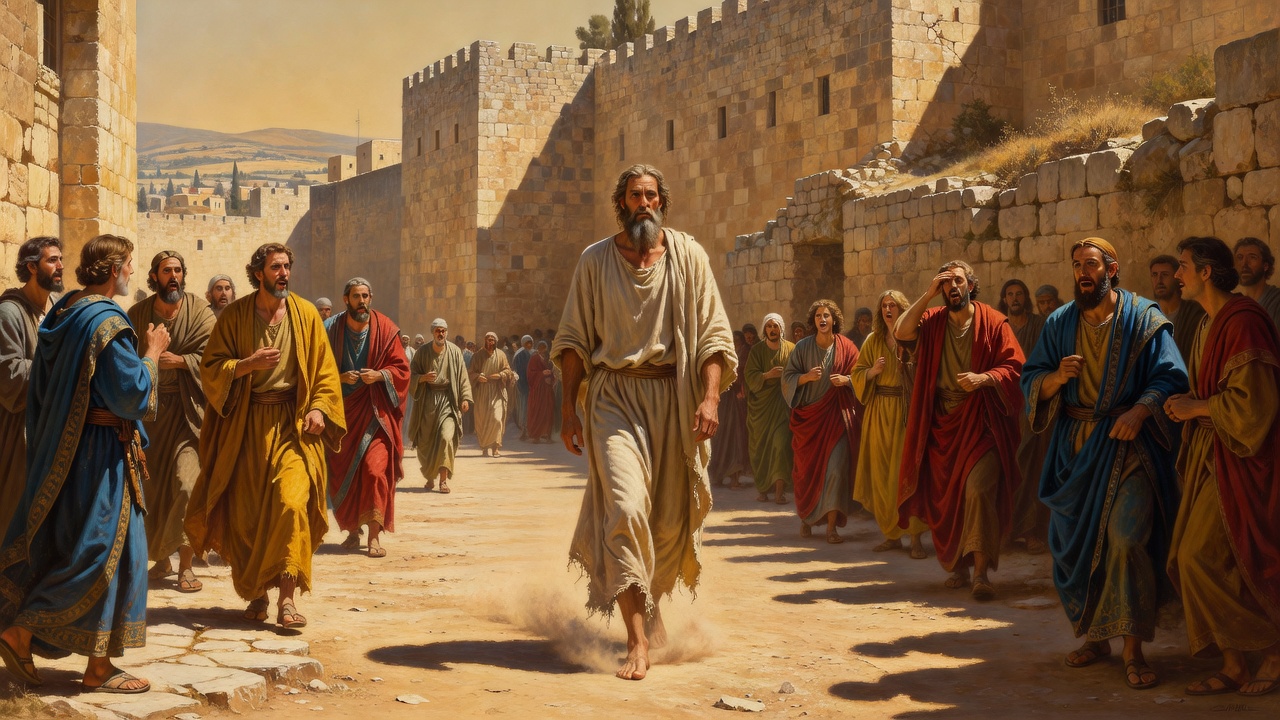
Prophetic Sign Against Egypt and Cush
- Ashdod was a heavily fortified Philistine city situated along the coastal highway linking Palestine with Egypt. The Assyrian king Sargon sent his commander to besiege and capture the city as the Assyrian Empire expanded southward.Sources: the Bible text itself · Ashdod
- God commanded Isaiah to take off his outer sackcloth and sandals, walking stripped and barefoot for three years. This dramatic prophetic act symbolized how Assyria would conquer and lead away the captives of Egypt and Cush in humiliation.Sources: the Bible text itself · Isaiah · Cush
Notes written with AI assistance from open sources (Theographic Bible Metadata, CC BY-SA 4.0; Easton’s Bible Dictionary, public domain) and reviewed before publishing.
Places in this chapter
- Ashdod · Today: Tel Ashdod · 31.757, 34.658 · verse 1
- Assyria · 36.359, 43.153 · verses 1, 4, 6
- Cush · Today: Cush 1 · 16.935, 33.751 · verses 3, 4, 5
- Egypt · 30.129, 31.308 · verses 3, 4, 5, 6
Only places identified with high confidence are shown (90% or more according to the scholarly sources compiled by OpenBible). Period map: DARE (Digital Atlas of the Roman Empire), CC BY 4.0; modern map: © OpenStreetMap contributors; places: OpenBible.info (CC BY 4.0).
Credits and license for this translation
Bibeli Luayãtaalá
The Holy Bible in the Boko language spoken in Benin and Nigeria
copyright © 2010 SIM International
Language: Boko
Translation by: SIM International
Boko Bibeli Luayãtaala
This translation, published by the SIM au Benin, was published in 2010.
If you are interested in obtaining a printed copy, please contact the SIM at ECWA/SIM H.Q., P.M.B. 2009, Jos, Plateau State, NIGERIA.
This translation text is made available to you under the
terms of the Creative Commons License: Attribution-Noncommercial-No Derivative Works.
( http://creativecommons.org/licenses/by-nc-nd/3.0/ )
In addition, you have permission to port the text to different file formats, as long as you
do not change any of the text or punctuation of the Bible.
You may share, copy, distribute, transmit, and extract portions
or quotations from this work, provided that you include the above copyright
information:
You must give Attribution to the work.
You do not sell this work for a profit.
You do not make any derivative works that change any of the actual words or punctuation of the Scriptures.
Permissions beyond the scope of this license may be
available if you contact
us with your request.
This translation is made available to you under the terms of the
Creative Commons Attribution-Noncommercial-No Derivatives license 4.0.
You may share and redistribute this Bible translation or extracts from it in any format, provided that:
You include the above copyright and source information.
You do not sell this work for a profit.
You do not change any of the words or punctuation of the Scriptures.
Pictures included with Scriptures and other documents on this site are licensed just for use with those Scriptures and documents.
For other uses, please contact the respective copyright owners.
2014-09-25
Source: http://ebible.org/bqcsim/ · eBible.org