Apocalipsis 6
Iwo Surua Mua Wie Pha Bible · Toca un versículo para ver sus referencias cruzadas.
Nabthek
1Chiihphado shiishaiduii yi chui srane miley pha ji re-è igobi pha chebthek yi hong pha doh, chiih-è isieng ibeymuthung pha wi è jia yi hakhliing duiine goh rone “Thawuii bo è yao!” 2Gu è riig, chiih-è thiisa ne imo sthuh um. Inpho ne riig han muii ro, chiih-è aishii ne rago phi. Ai ne yangpho duiine yang pha wuii dun. 3Chiihphado shiishaiduii ji è din pha cheb ji shii hong mage; chiih-è din pha isieng miseypho è yao pha ji gu è yoi, “Thawuii bo!” 4Gai sthuh shaig jia wuiithok. Ji pha inpho shii sohnyiak shii mak yie pha blu phijong, ji è bran awaithek chung ne ua rai muii ro. Aishii phiang khamriie jia phijong ro.
5Chiihphado shii shiishaiduii è uomchiieng pha cheb shii hong mage; chiih-è uomchiieng pha Isieng ibeymuthung è yao pha ji gu yoi, “Thawuii bo!” Gu è riig shii, chiih-è thiisa hàne isiie sthuh um. Inpho ai wad shii ne idub shiiriiethek um ro. 6Gu è yoi shii Isieng ibeymuthung wi duchoi re-è goh ro, yao, “Inai jia pha riinangthek ne phiughàb briie jia ro, chiih-è briie uom barley ne inai jia pha riinangthek ro. Jishii sumaro imuiithek nane phuiithek raig ne amua rabo!”
7Chiihphado shii shiishaiduii è wichiieng pha cheb shii hong mage; chiih-è wichiieng pha Isieng ibeymuthung è gu è yoi, “Thawuii bo!” 8Gu è riig shii, thiisa ne ijoi sthuh jia um. Inpho pha ibeng ne Iy ro, chiih-è Thumluii ne airo nui iidoh luagieng muii ro. Ithek shii ne mak re-è ua pha, diigchiao, miiriie nane jabiing pha ibeythek è ua yi pha zab sohnyiak wirang rek pha ji è jiarang lakhung shii riichai phijong ro.
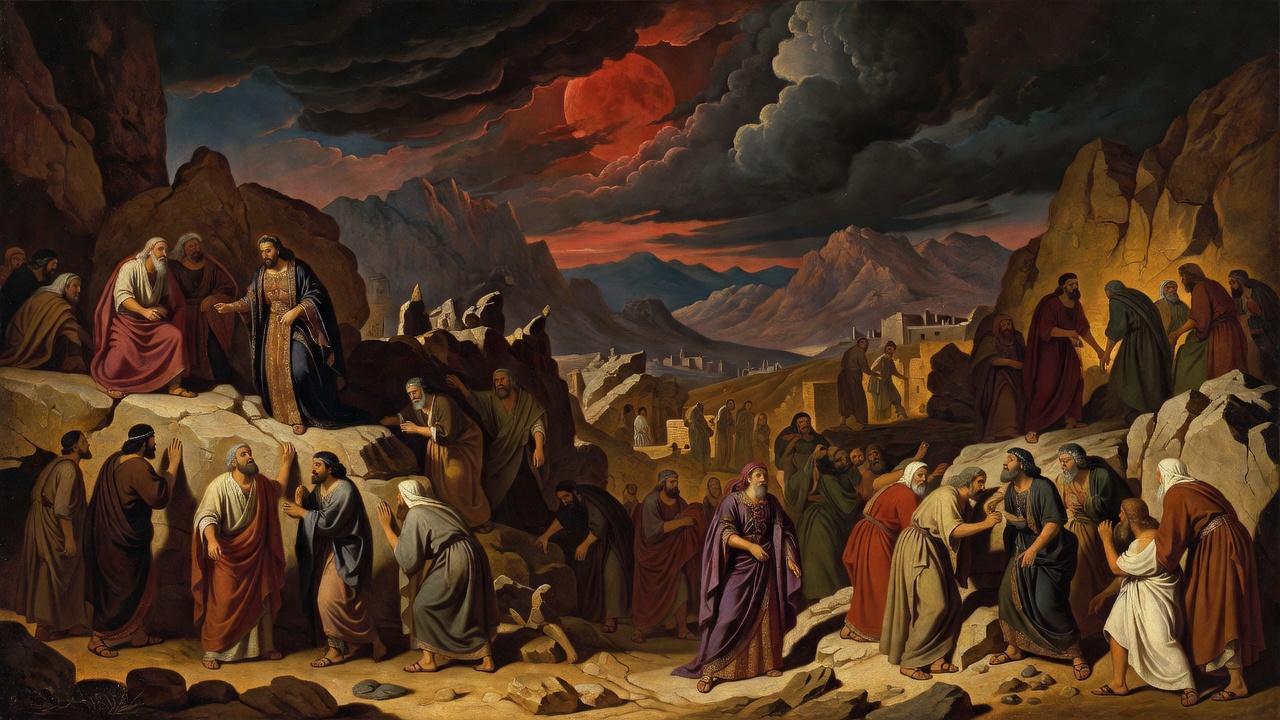
9Chiihphado shii shiishaiduii re-è guiichiieng pha cheb shii hong mage. Hanyie è Hamangkhung-aphuii ro miyaogam yao ne isiie re-è khagi rek pho shii ua muii pha luruakthek ne sraibao iliing hà um pha gu è riig. 10Ithek goh boh è ziak, “Bohblu Ithong, so nane izai! Gathek shii ua pha chiang è ithek sohnyiak pha bran shii chua ne lago phi pha ne khama chia ba phlei?” 11Ithek zab shii ne imo yung phi, chiih-è ithek shii ua pha duiine nathek ro gai khiaothek nane migiphothek shii ua pha nathek ro izey ji azab sapho shii ne ìujia thung ne rai bone yao.
12Chiih-è gu riig shii shiishaiduii è riigchiieng pha cheb shii hong mage. Thiisa hàne buii sajiib sham, chiih-è Hasiang yi awie pha isiie yung duiine rey dun, chiih-è habie yi ifai duiine ishaig rey dun. 13Dadiang yi hasam boh sam ne nai mage shii hingmuii è iphem isi chiih pha duiine dadiang ne sohnyiak shii chuh dun ro. 14Hamang ne nim shii nim pha duiine san dun, chiih-è zab pha phiing nane gachung ne awaithek ithua è dun dun. 15Chiihphado zab pha sohnyiak pha sajathek, bokhohthek nane arming pha dumuiithek, bukho nane bohblu, chiih-è gai branthek, khiao nane ichad awaithek shii wog hà nane phiingthek pha lubao iliing hà ug dun. 16Ithek è phiingthek nane sohthek ho ne, “hanyie jia yi biang hà dug pha ji ro mieg re-è nane shiishaiduii ro lijieg pha ji ug pha gathek lakhung shii chiih mage bo! 17Ithek ro lijieg pha buii inai ne ichiih shii um ro, chiih-è hanyie è aishii suang rek ne riu mage phlei?”
¿Sabías que…?
La apertura de los seis sellos
- Los primeros cuatro sellos revelan cuatro jinetes sobre caballos blanco, bermejo, negro y pálido, llamados uno a uno por los cuatro seres vivientes. Cada jinete trae una aflicción distinta sobre la tierra, desde la conquista y la pérdida de la paz hasta la escasez generalizada, la peste y la muerte.Fuentes: el propio texto bíblico
- El tercer jinete lleva una balanza, acompañado por una proclamación que fija el precio de una medida de trigo o tres de cebada en un denario, lo que refleja una grave escasez de alimentos básicos mientras el aceite y el vino no sufren daño.Fuentes: el propio texto bíblico
- Al abrirse el quinto y el sexto sello, la visión pasa a las almas de los mártires bajo el altar y luego a enormes conmociones cósmicas y terrestres que impulsan a personas de toda condición social a refugiarse en cuevas y peñascos.Fuentes: el propio texto bíblico
Notas escritas con ayuda de IA a partir de fuentes abiertas (Theographic Bible Metadata, CC BY-SA 4.0; Easton’s Bible Dictionary, dominio público) y revisadas antes de publicarse.
Créditos y licencia de esta traducción
Iwo Surua Mua Wie Pha Bible
The Holy Bible in the Bugun language of India, first Bible translation
copyright © 2023 The Word for the World International
Language: Kho (Bugun)
Contributor: The Word for the World Southeast Asia
The New Testament in Bugun
published as
IWO SURUA
Mua Wie Pha Bible
The Word For The World International
This translation is made available to you under the terms of the
Creative Commons Attribution license 4.0.
You may share and redistribute this Bible translation or extracts from it in any format, provided that:
You include the above copyright and source information.
If you make any changes to the text, you must indicate that you did so in a way that makes it clear that the original licensor is not necessarily endorsing your changes.
Pictures included with Scriptures and other documents on this site are licensed just for use with those Scriptures and documents.
For other uses, please contact the respective copyright owners.
Note that in addition to the rules above, revising and adapting God's Word involves a great responsibility to be true to God's Word. See Revelation 22:18-19.
2023-08-31
Fuente: http://ebible.org/bgg/ · eBible.org