Deuteronomio 9
Bibeli Gusunɔn Gari · Toca un versículo para ver sus referencias cruzadas.
1Bɛɛ Isirelibɑ, i swɑɑ dɑkio i nɔ. Wee ɡisɔ, i ko i Yuudɛni tɔburɑ kpɑ i bwese bɑkɑnu ɡirɑ ni nu bɛɛ dɑm kere, kpɑ i ben wuu bɑkɑsu mwɑ si bɑ ɡbɑ̃rɑnu toosi nu ɡunu too. 2I Anɑkibɑ yɛ̃. Bɑ dɑm mɔ, mɑ bɑ ɡunu. I mɑɑ nɔɔre bɑ ben ɡɑri ɡerumɔ bɑ mɔ̀, wɑrɑ u koo kpĩ u yɔ̃rɑ ben bweserun wuswɑɑɔ. 3Wee i ko bu ɡirɑ. Gisɔ i ko i ɡiɑ mɑ Gusunɔ bɛsɛn Yinnin tiiwɑ u ko n bɛɛ ɡbiiye nɡe dɔ̃ɔ wi u rɑ kpuro kɑm koosie. U koo de bu yɑrinɑ bɛɛn wuswɑɑn di u bu kpeerɑsiɑ. I ko i bu ɡirɑ kpɑ i bu kɑm koosiɑ fuuku nɡe mɛ Yinni Gusunɔ u bɛɛ sɔ̃ɔwɑ.
4Sɑnɑm mɛ Gusunɔ bɛsɛn Yinni u koo bɛɛ bu ɡirɑ bɛɛn wuswɑɑn di, i ku rɑ tii suɑ i nɛɛ, bɛɛn ɡeɑn kobun sɔ̃nɑ Yinni Gusunɔ u bɛɛ duusiɑ tem mɛ sɔɔ. Domi bwese nin kɔ̃sɑn kobun sɔ̃nɑ u koo nu ɡirɑ bɛɛn wuswɑɑn di. 5N ǹ mɔ ɡeɑ ye i mɔ̀n sɔ̃nɑ i ko i ben tem mɛ mwɑ. Ben kɔ̃sɑn kobun sɔ̃nɑ Gusunɔ bɛsɛn Yinni u koo bu ɡirɑ bɛɛn wuswɑɑn di, kpɑ win nɔɔ mwɛɛru tu kɑ sirerɑ te u bɛsɛn bɑɑbɑbɑ, Aburɑhɑmu kɑ Isɑki kɑ Yɑkɔbu kuɑ kɑ bɔ̃ri. 6I n yɛ̃ mɑ n ǹ mɔ bɛɛn ɡeɑn kobun sɔ̃nɑ Gusunɔ bɛsɛn Yinni u bɛɛ tem ɡem mɛ wɛ̃ɛmɔ i n mɔ. Domi i sɑ̃ɑwɑ bwese te tɑ ku rɑ mɛm nɔ.
Isirelibɑ bɑ torɑ
7I yɑɑyo nɡe mɛ i Gusunɔ bɛsɛn Yinnin mɔru seeyɑ ɡbɑburɔ. Sɑɑ dɔmɑ tèn di i yɑrimɑ Eɡibitin di sere i kɑ tunumɑ mini, i rɑ n nùn seesimɔwɑ.
8I win mɔru seeyɑ ɡuu te bɑ mɔ̀ Horɛbuɔ, mɑ u kɑ bɛɛ mɔru kuɑ u ɡɔ̃ru doke u bɛɛ kpeerɑsiɑ. 9Sɑnɑm mɛyɑ nɑ yɔɔwɑ ɡuuru wɔllɔ n kɑ woodɑn kpee bɛsi mwɑ yì sɔɔ ɑrukɑwɑni ye Yinni Gusunɔ u kɑ bɛɛ bɔkuɑ yɑ yoruɑ. Nɑ sinɑwɑ miɡum sɔ̃ɔ sɔɔ weeru kɑ wɔ̃kuru weeru, nɑ ǹ di, nɑ ǹ mɑɑ nɔrɑ.
10Sɔ̃ɔ sɔɔ weeru kɑ wɔ̃kuru wee ten biru, yerɑ Yinni Gusunɔ u mɑn kpee bɛsi yiru ye wɛ̃, yì sɔɔ win tii u woodɑbɑ kpuro yoruɑ, be u bɛɛ sɔ̃ɔwɑ dɔ̃ɔ yɑrɑ sɔɔn di sɑnɑm mɛ i mɛnnɛ ɡuurun nuurɔ. Kpee bɛsi yiyɑ yì sɔɔ bɑ ɑrukɑwɑni yen woodɑ yoruɑ. 12Mɑ u mɑn sɔ̃ɔwɑ u nɛɛ, n seewo kpɑ n sɑrɑ fuuku fuuku. Domi bɛɛ nɛn tɔn be nɑ yɑrɑmɑ Eɡibitin di, i kɔ̃sɑ kuɑ. I ɡɛrɑ fuuku win swɑɑn di ye u bɛɛ sɔ̃ɔsi. I sisu yɑniɑ i kɑ tii bwɑ̃ɑroku kuɑ. 13Mɑ u mɑɑ nɛɛ, u wɑ mɑ i sɑ̃ɑwɑ bwese te tɑ deɡɑnɡɑm mɔ. 14N be de u bɛɛ kpeerɑsiɑ, kpɑ u bɛɛn yĩsiru ɡo hɑnduniɑ sɔɔ, kpɑ u mɑn ko bwese dɑmɡiru te tɑ koo bɛɛ dɑbiru kerɑ. 15Mɑ nɑ ɡɔsirɑmɑ nɑ sɑrɑmɑ ɡuu ten min di, tèn wɔllɔ dɔ̃ɔ u wɑ̃ɑ. Nɑ kpee bɛsi yiru ye nɛni yì sɔɔ ɑrukɑwɑnin woodɑ yɑ yoruɑ. 16Mɑ nɑ mɛɛrɑ nɑ deemɑ wee, i Gusunɔ bɛsɛn Yinni torɑriwɑ kɑ ɡem. I sisu yɑniɑ i kɑ tii bwɑ̃ɑroku kuɑ ɡɑ kɑ nɑɑ buu weenɛ. Geemɑ, i ɡɛrɑwɑ fuuku fuuku win swɑɑn di ye u bɛɛ sɔ̃ɔsi. 17Mɑ nɑ kpee bɛsi yiru ye nɑ nɛni mi mɛnnɑ nɑ surɑ nɑ kɔsukɑ bɛɛn wuswɑɑɔ.
Mɔwisi u Yinni Gusunɔ
somiru kɑnɑ Isirelibɑn sɔ̃
18Yen biru, nɑ kpunɑ Yinni Gusunɔn wuswɑɑɔ sɔ̃ɔ sɔɔ weeru kɑ wɔ̃kuru weeru nɡe yellu, nɑ ǹ di, nɑ ǹ mɑɑ nɔrɑ bɛɛn torɑrun sɔ̃ te i kuɑ Yinni Gusunɔn nɔni sɔɔ mɑ tɑ win mɔru seeyɑ. 19Mɑ bɛrum mɑn mwɑ win mɔru yen kpɑ̃ɑrun sɔ̃ ye yɑ derɑ u kĩ u bɛɛ kpeerɑsiɑ. Adɑmɑ dɔmɑ te, u kpɑm nɛn kɑnɑru mwɑ. 20Yinni Gusunɔ u mɑɑ kɑ Aroni mɔru kuɑ too, mɑ u kĩ u nùn ɡo. Adɑmɑ nɑ mɑɑ kɑnɑru kuɑ win sɔ̃ tɔ̃ɔ te sɔɔ. 21Mɑ nɑ bwɑ̃ɑroku ɡe suɑ ɡe i kuɑ ɡɑ kɑ nɑɑ buu weenɛ mi, ɡèn sɔ̃ i torɑ, mɑ nɑ ɡu kpɛ̃ɛ dɔ̃ɔ sɔɔ. Nɑ ɡu muniɑ ɡɑ buuru kuɑ nɡe tuɑ mɑ nɑ ye wisi nim bwerɔ tèn nim mu sɑrɑmɑmɔ ɡuurun di.
22I mɑɑ Yinni Gusunɔn mɔru seeyɑ Tɑberɑɔ kɑ Mɑsɑɔ kɑ Kiburɔti Hɑtɑfɑɔ. 23Sɑnɑm mɛ u bɛɛ ɡɔrɑ Kɑdɛsi Bɑɑnɛɑɔ u nɛɛ, i doo i tem mɛ mwɑ mɛ u bɛɛ wɛ̃ɛmɔ, i nùn seesiwɑ wi, wi u sɑ̃ɑ Gusunɔ bɛɛn Yinni. I yinɑ i bɛɛn nɑɑnɛ doke wi sɔɔ. I ǹ mɑɑ win ɡere mɛm nɔɔwɛ. 24I rɑ n Yinni Gusunɔ seesimɔwɑ sɑɑ mìn di nɑ bɛɛ yɛ̃.
25Mɑ nɑ kpunɑ Yinni Gusunɔn wuswɑɑɔ nɑ nùn kɑnɑ sɔ̃ɔ sɔɔ weeru kɑ wɔ̃kuru weeru yèn sɔ̃ u nɛɛ, u koo bɛɛ kpeerɑsiɑ. 26Mɑ nɑ nùn kɑnɑ nɑ nɛɛ, Gusunɔ nɛn Yinni, ɑ ku wunɛn tɔmbu kpeerɑsiɑ be bɑ sɑ̃ɑ wunɛn ɑrumɑni, be, be ɑ yɑkiɑ wunɛn kpɑ̃ɑrun sɑɑbu, mɑ ɑ bu yɑrɑmɑ Eɡibitin di kɑ wunɛn dɑm bɑkɑm. 27A wunɛn sɔm kowobu, Aburɑhɑmu kɑ Isɑki kɑ Yɑkɔbu yɑɑyo. A ku wunɛn tɔmbun deɡɑnɡɑm kɑ ben nuku kɔ̃suru kɑ ben torɑnu mɛɛri, 28kpɑ tɔn bèn tem di ɑ bu yɑrɑmɑ bu ku rɑɑ ɡere bu nɛɛ, wunɛ Yinni Gusunɔ ɑ ǹ kpɛ̃ ɑ kɑ bu dɑwɑ tem mɛ ɑ bu nɔɔ mwɛɛru kuɑ sɔɔ. A ǹ bu kĩwɑ. Yen sɔ̃nɑ ɑ bu yɑrɑmɑ ɑ kɑ de bu ɡbi ɡbɑburɔ. 29N sere deemɑ bɑ sɑ̃ɑwɑ wunɛn tɔmbu kɑ wunɛn ɑrumɑni mɑ ɑ bu yɑrɑmɑ Eɡibitin di kɑ wunɛn dɑm bɑkɑm.
Yinni Gusunɔ u suuru kuɑ
¿Sabías que…?
No por la justicia de Israel
- Moisés advierte a Israel de que su entrada en Canaán no se debe a su propia rectitud moral, calificando al pueblo abiertamente de obstinado o de dura cerviz. La conquista se atribuye más bien a la corrupción de las naciones locales y a la fidelidad divina al pacto jurado a Abraham, Isaac y Jacob.Fuentes: el propio texto bíblico · Abraham · Isaac · Jacob (Israel)
- El pasaje hace referencia a los anaceos, descendientes de Anac conocidos por su gran estatura y fuerza, que habitaban ciudades fuertemente fortificadas en Canaán. Su fama había intimidado con anterioridad a los israelitas ante la perspectiva de entrar en la tierra.Fuentes: el propio texto bíblico · Anak
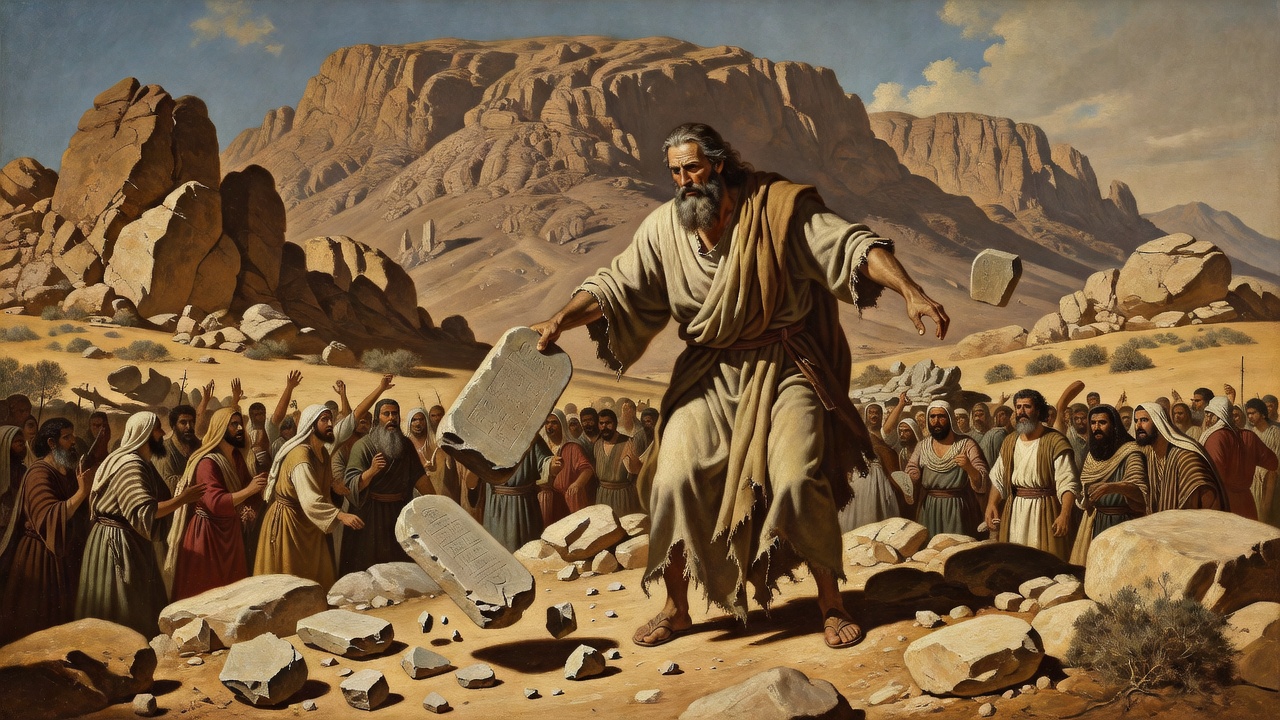
- Para subrayar el historial de rebelión de Israel, Moisés recuerda el becerro de oro en Horeb, donde rompió las dos tablas de piedra e intercedió por el pueblo y por Aarón. También resalta las continuas crisis en el desierto, incluidos los incidentes en Taberá, Masah y Quibrot-hataava.Fuentes: el propio texto bíblico · Horeb · Aaron · Taberah
Notas escritas con ayuda de IA a partir de fuentes abiertas (Theographic Bible Metadata, CC BY-SA 4.0; Easton’s Bible Dictionary, dominio público) y revisadas antes de publicarse.
Lugares de este capítulo
- Jordan · Hoy: Jordan River · 31.761, 35.558 · versículo 1
- Egypt · 30.129, 31.308 · versículos 7, 12, 26, 29
- Mount Horeb · Hoy: Jebel Musa · 28.540, 33.973 · versículo 8
Solo aparecen lugares identificados con alta confianza (90 % o más según las fuentes académicas reunidas por OpenBible). Mapa de la época: DARE (Digital Atlas of the Roman Empire), CC BY 4.0; mapa actual: © colaboradores de OpenStreetMap; lugares: OpenBible.info (CC BY 4.0).
Créditos y licencia de esta traducción
Bibeli Gusunɔn Gari
The Holy Bible in the Baatonum language of Benin, also called the Bariba language
copyright © 2013 SIM
Language: Bariba (Baatonum)
Translation by: SIM International
Bariba, Bibeli Gusunɔn Gari
This translation, published by the UEEB/SIM au Benin, was published in 1996.
If you are interested in obtaining a printed copy, please contact the SIM at SIM, BP 15, Parakou, Benin.
This translation text is made available to you under the
terms of the Creative Commons License: Attribution-Noncommercial-No Derivative Works.
( http://creativecommons.org/licenses/by-nc-nd/3.0/ )
In addition, you have permission to port the text to different file formats, as long as you
do not change any of the text or punctuation of the Bible.
You may share, copy, distribute, transmit, and extract portions
or quotations from this work, provided that you include the above copyright
information:
You must give Attribution to the work.
You do not sell this work for a profit.
You do not make any derivative works that change any of the actual words or punctuation of the Scriptures.
Permissions beyond the scope of this license may be
available if you contact
us with your request.
This translation is made available to you under the terms of the
Creative Commons Attribution-Noncommercial-No Derivatives license 4.0.
You may share and redistribute this Bible translation or extracts from it in any format, provided that:
You include the above copyright and source information.
You do not sell this work for a profit.
You do not change any of the words or punctuation of the Scriptures.
Pictures included with Scriptures and other documents on this site are licensed just for use with those Scriptures and documents.
For other uses, please contact the respective copyright owners.
2014-09-10
Fuente: http://ebible.org/bba/ · eBible.org