Deuteronomio 8
Bibeli Gusunɔn Gari · Toca un versículo para ver sus referencias cruzadas.
1I woodɑ be mɛm nɔɔwɔ be nɑ bɛɛ wɛ̃ɛmɔ ɡisɔ kpɑ bɛɛn hunde yu dɑkɑɑ dɑ, kpɑ i mɑrurɑ i dɑbiɑ, kpɑ i du tem mɛ sɔɔ, mɛ Yinni Gusunɔ u nɔɔ mwɛɛru kuɑ kɑ bɔ̃ri u nɛɛ, u koo bɛɛn bɑɑbɑbɑ wɛ̃. 2I yɑɑyo sɑnum bɑkɑm mɛ Gusunɔ bɛsɛn Yinni u derɑ sɑ sĩɑ ɡbɑburɔ sere wɔ̃ɔ weeru. Mɑ u bɛsɛn lɑɑkɑri mɛɛrɑ, u derɑ sɑ nɔni sɔ̃ɔrɑ su kɑ tii kɑwɑ kpɑ u kɑ bɛsɛn ɡɔ̃run bwisikunu ɡiɑ, kpɑ u wɑ sɑ̀ n ko win woodɑ mɛm nɔɔwɑn nɑ, ǹ kun mɛ su ye yinɑ. 3U derɑ sɑ nɔni sɔ̃ɔrɑ sɑ wɑhɑlɑ kuɑ ɡɔ̃ɔrun sɔ̃, su kɑ tii kɑwɑ mɑ u sun mɑnnɑ wɛ̃, dĩɑ ni bɛsɛ kɑ bɛsɛn bɑɑbɑbɑ sɑ ǹ dɑɑ yɛ̃. Nɡe mɛyɑ u kɑ sun sɔ̃ɔsi mɑ tɔnu kun ko n wɑ̃ɑ dĩɑnu tɔnɑn sɔ̃ mɑ n kun mɔ wi, Gusunɔn ɡere kpuron sɔ̃. 4Wɔ̃ɔ weeru ye sɔɔ, bɛsɛn yɑ̃nu kun kpeere, bɛsɛn nɑɑsu kun mɑɑ mɔsire. 5I n yɛ̃ mɑ Gusunɔ bɛsɛn Yinni u sun nɔni dokewɑ nɡe mɛ tɔnu u rɑ win bii nɔni doke. 6I Gusunɔ bɛsɛn Yinnin woodɑbɑ mɛm nɔɔwɔ i sĩ win swɛɛ sɔɔ, kpɑ i nùn nɑsiɑ.
Kirɔ kɔkiribun sɔ̃
7Gusunɔ bɛsɛn Yinni u koo bɛɛ duusiɑ tem ɡem sɔɔ, mi nim tori kɑ yɛrusu kɑ bwii dɑbirɑ wɑ̃ɑ wɔwi sɔɔ kɑ ɡuunɔ. 8Alikɑmɑ kɑ dobi kɑ dɑ̃ɑ bii ni bɑ mɔ̀ resɛm kɑ fiɡi kɑ ɡerenɑdi yɑ kpiɑ tem mɛ sɔɔ mɑ mu olifin ɡum kɑ tim yibɑ. 9Tem mɛ sɔɔ, i ko i dĩɑnu wɑ nu n kpɑ̃ i di, i ǹ mɑɑ ɡɑ̃ɑnu ɡɑnun yɑ̃ɑru mɔ̀. Mɛn kpenu nu ko n sii wɔ̃kusu mɔ, kpɑ mɛn ɡuunun sɔɔwɔ sii ɡɑndɑ n wɑ̃ɑ. 10Sɑnɑm mɛ i dĩɑnu wɑ i di i debɑ, i Gusunɔ bɛsɛn Yinni siɑro tem ɡem mɛ u bɛɛ wɛ̃n sɔ̃.
11I n tii sɛ kpɑ i ku rɑ Gusunɔ bɛsɛn Yinni duɑri. I ku rɑ win woodɑbɑ kɑ win sɔ̃ɔsinu kɑ win yiirebu mɛm nɔɔbu yinɑ be nɑ bɛɛ wɛ̃ɛmɔ ɡisɔ. 12I ko i dĩɑnu wɑ i di i debu kpɑ i dii ɡeenu bɑni i n wɑ̃ɑ ni sɔɔ. 13Bɛɛn kɛtɛbɑ kɑ bɛɛn yɑ̃ɑnu kɑ bɛɛn bonu nu koo mɑrurɑ nu dɑbiɑ kpɑ bɛɛn sii ɡeesu kɑ bɛɛn wurɑ kɑ bɛɛn ɑrumɑni bwese bwesekɑ ye i mɔ yu kuurɑ. 14Sɑɑ ye sɔɔ, i n tii sɛ kpɑ i ku rɑ tii suɑ i Gusunɔ bɛsɛn Yinni duɑri wi, wi u sun yɑrɑmɑ Eɡibitin di, mi sɑ rɑɑ yoru dimɔ. 15U derɑ sɑ sĩɑ ɡbɑbu bɑkɑ nɑnumɡiru sɔɔ mi wɛɛ dɛ̃ɛɡii kɑ nii yi wɑ̃ɑ, mi tem mu ɡbere, nim sɑri, mɑ u derɑ nim mu kokumɑ kperun di bɛsɛn sɔ̃. 16U sun mɑnnɑ wɛ̃ ɡbɑburu mi, sɑ di ye bɛsɛn bɑɑbɑbɑ bɑ ǹ dɑɑ yɛ̃. Mɑ u derɑ sɑ nɔni sɔ̃ɔrɑ su kɑ tii kɑwɑ kpɑ u kɑ bɛsɛn lɑɑkɑri mɛɛri u sere sun ɡeɑ kuɑ. 17I n tii sɛ kpɑ i ku rɑ ɡere i nɛɛ, bɛɛn hɑniɑ kɑ bɛɛn tiin dɑmɑ i kɑ ɑrumɑni ye wɑ. 18I yɑɑyo mɑ Gusunɔ bɛsɛn Yinniwɑ u bɛɛ dɑm wɛ̃ i kɑ ɑrumɑni ye wɑ. Mɑ u ɑrukɑwɑni ye sire ye u kɑ bɛsɛn bɑɑbɑbɑ bɔkuɑ kɑ bɔ̃ri nɡe mɛ i wɑɑmɔ ɡisɔ.
19Ì kun Gusunɔ bɛsɛn Yinni mɛm nɔɔwɛ, mɑ i nùn duɑri, i dɑ i bũnu yiirɑmmɛ i sɑ̃ɑmɔ, nɑ bɛɛ sɔ̃ɔmɔ nɑ siremɔ ɡisɔ, i ko i kpeerɑwɑ nɡe mɛ u bwese ni kpeerɑsiɑ bɛsɛn wuswɑɑɔ.
Yinni Gusunɔ u Isirelibɑ
durom kuɑ
¿Sabías que…?
Recordando a Dios en la Buena Tierra
- Moisés recordó a los israelitas sus cuarenta años de travesía por un desierto arduo, lleno de serpientes venenosas, escorpiones y sequía. Durante este tiempo de prueba, Dios los sustentó con maná y agua de la roca de pedernal, y sus ropas no se desgastaron ni sus pies se hincharon.Fuentes: el propio texto bíblico
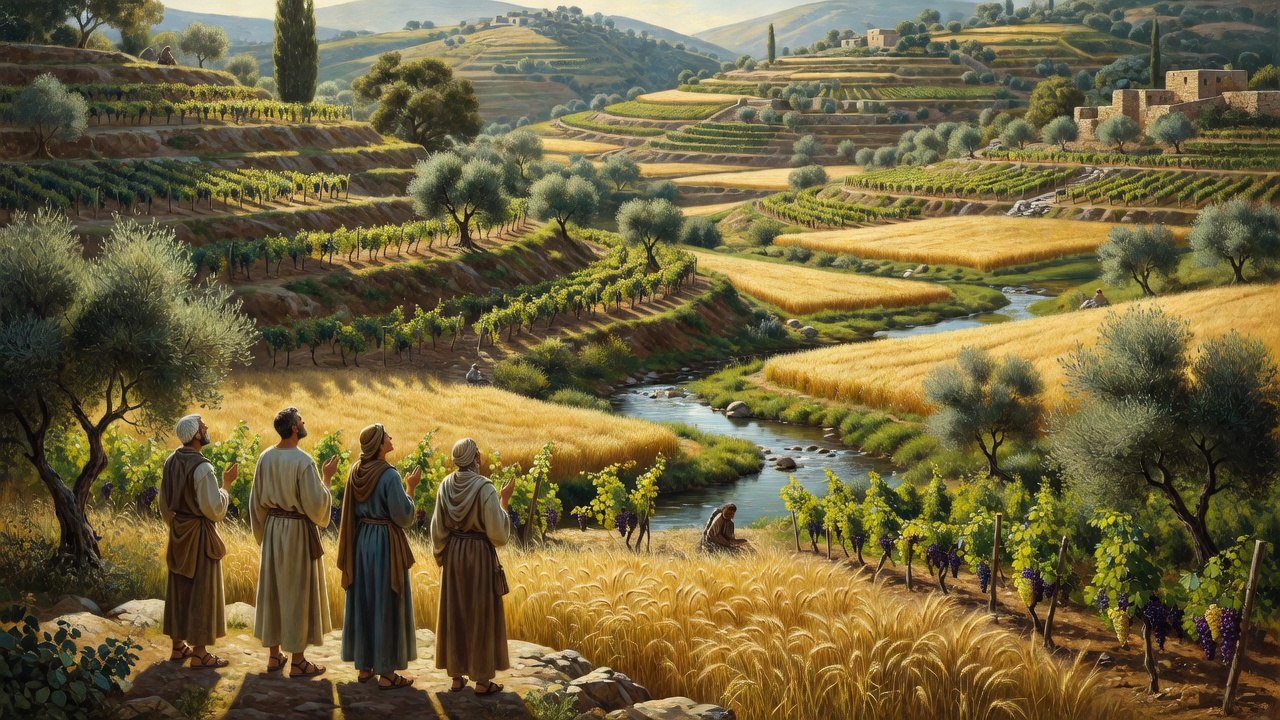
- La Tierra Prometida se describe no solo por sus manantiales y arroyos de agua, sino también por siete productos agrícolas principales: trigo, cebada, vides, higueras, granadas, aceite de oliva y miel, junto con yacimientos minerales de hierro y cobre.Fuentes: el propio texto bíblico
- El capítulo incluye una seria advertencia contra el orgullo que surge de la prosperidad. Moisés advirtió al pueblo que, tras construir buenas casas, multiplicar rebaños y acumular plata y oro, podrían olvidar su liberación de la esclavitud en Egipto y atribuir las riquezas a sus propias fuerzas.Fuentes: el propio texto bíblico · Egypt
Notas escritas con ayuda de IA a partir de fuentes abiertas (Theographic Bible Metadata, CC BY-SA 4.0; Easton’s Bible Dictionary, dominio público) y revisadas antes de publicarse.
Lugares de este capítulo
- Egypt · 30.129, 31.308 · versículo 14
Solo aparecen lugares identificados con alta confianza (90 % o más según las fuentes académicas reunidas por OpenBible). Mapa de la época: DARE (Digital Atlas of the Roman Empire), CC BY 4.0; mapa actual: © colaboradores de OpenStreetMap; lugares: OpenBible.info (CC BY 4.0).
Créditos y licencia de esta traducción
Bibeli Gusunɔn Gari
The Holy Bible in the Baatonum language of Benin, also called the Bariba language
copyright © 2013 SIM
Language: Bariba (Baatonum)
Translation by: SIM International
Bariba, Bibeli Gusunɔn Gari
This translation, published by the UEEB/SIM au Benin, was published in 1996.
If you are interested in obtaining a printed copy, please contact the SIM at SIM, BP 15, Parakou, Benin.
This translation text is made available to you under the
terms of the Creative Commons License: Attribution-Noncommercial-No Derivative Works.
( http://creativecommons.org/licenses/by-nc-nd/3.0/ )
In addition, you have permission to port the text to different file formats, as long as you
do not change any of the text or punctuation of the Bible.
You may share, copy, distribute, transmit, and extract portions
or quotations from this work, provided that you include the above copyright
information:
You must give Attribution to the work.
You do not sell this work for a profit.
You do not make any derivative works that change any of the actual words or punctuation of the Scriptures.
Permissions beyond the scope of this license may be
available if you contact
us with your request.
This translation is made available to you under the terms of the
Creative Commons Attribution-Noncommercial-No Derivatives license 4.0.
You may share and redistribute this Bible translation or extracts from it in any format, provided that:
You include the above copyright and source information.
You do not sell this work for a profit.
You do not change any of the words or punctuation of the Scriptures.
Pictures included with Scriptures and other documents on this site are licensed just for use with those Scriptures and documents.
For other uses, please contact the respective copyright owners.
2014-09-10
Fuente: http://ebible.org/bba/ · eBible.org