Amós 6
Bibeli Gusunɔn Gari · Toca un versículo para ver sus referencias cruzadas.
1Bɔ̃rurobɑ bɛɛ be i wɑ̃ɑ Siɔniɔ bɔri yɛndu sɔɔ,
kɑ bɛɛ be i sɔ̃ Sɑmɑrin ɡuurɔ kɑ toro sindu.
Mɑ i tɑmɑɑ i sɑ̃ɑ bwese te tɑ kpɑ̃ɑru bon wiruɡibu.
Mɑ Isirelibɑ bɑ somiru mɑrɑ bɛɛn min di.
2I doo Kɑlinɛɔ i wɑ.
Min di, kpɑ i dɑ Hɑmɑtiɔ wuu bɔkɔ ɡen mi.
Kpɑ i sɑrɑ i dɑ Gɑtiɔ Filisitibɑn temɔ.
Ben wuu si, su bɛɛ Isirelibɑ kɑ Yudɑbɑn wusu ɡeɑ turɑ?
Ben tem mɛ, mu bɛɛn tem kpɑ̃ɑru turɑ?
3Wee i ǹ kĩ wɑhɑlɑn tɔ̃ru tu bɛɛ nɑɑwɑ.
Mɑ i sere tii dɑɑ kɔ̃sɑ ɡɑwemɔ.
Mɑ yɑ bɑndu dii bɛɛn suunu sɔɔ.
4Mɑ i kpĩ sɑu kpin yee burɑnu sɔɔ, nì bɑ burɑru kuɑ kɑ suunu donnu.
I tii yɑ̃ɑ kpɛmminu kɑ nɑɑ kpɛmi yi yi ɡum mɔ ɡɔsiɑmmɛ ɡɔ̃sun di i temmɔ.
5I mɔrɔkunu soomɔ i womusu mɔ̀ bwisikunu sɑriru sɔɔ.
Mɑ i tɑmɑɑ i nin soberu yɛ̃wɑ nɡe Dɑfidi.
6I tɑm nɔrumɔ kɑ nɔri bɛkɛ.
I tii ɡum turɑreɡim sɑwɑmɔ.
Mɑ i ǹ nuki sɑnkire yèn sɔ̃ bɛɛn bweseru tɑ koo kɑm ko.
7Yen sɔ̃nɑ bɑ koo ɡbi bu bɛɛ yoru mwɛɛri bu kɑ doonɑ
kpɑ bɛɛn nuku dobun kuuki kɑ bɛɛn tɔ̃ɔ bɑkɑ dim mu kpe.
Sɑmɑri yɑ koo kɑm ko
8Gusunɔ wɔllu kɑ tem Yinni u bɔ̃ruɑ kɑ win tiin wɑ̃ɑru u nɛɛ,
u ǹ bɛɛ Isirelibɑn tii suɑbu kĩ.
U mɑɑ bɛɛn sinɑ kpɑɑnu tusɑ.
U koo de bu Sɑmɑri mwɑ kɑ ye yɑ wɑ̃ɑ ye sɔɔ kpuro.
9Tɔmbu wɔkuru bɑ̀ n tie yɛnu ɡɑɡu sɔɔ, bɑ koo ɡbiwɑ. 10Goo ù n win tɔnun ɡoru suɑ yɛnun di u kɑ yɑrɑ u dɔɔ u dɔ̃ɔ mɛni, u koo wi u wɑ̃ɑ yɛnu sɔɔwɔ bikiɑ u nɛɛ, ɡoo mɑɑ tie u wɑ̃ɑ kɑ wunɛ?
Kpɑ yɛ̃ro u nùn wisi u nɛɛ, ɡoo sɑri.
Kpɑ wini u nɛɛ, ɑ mɑrio. N ǹ weenɛ su Gusunɔn yĩsiru siɑ sɑɑ yeni sɔɔ kpɑ u sun sĩiremɑ.
11Domi Yinni Gusunɔ u woodɑ yeni wɛ̃ u nɛɛ,
u koo yɛnusu kpuro kɔsukuwɑ, bɑkɑsu kɑ piiminu.
Nɑsɑrɑ kɑm
12Bɑ rɑ dumi yɑkie kpee sɑɑrɑ wɔllɔ?
Bɑ rɑ kɑ nɛɛ wuku mi?
Adɑmɑ wee bɛɛ i ɡem ɡɔsiɑ dɛ̃ɛ.
Mɑ i ɡeɑ ɡɔsiɑ ɡɑ̃ɑ sosurɑnu.
13Bɛɛ i nuku dobu mɔ̀ kɑm sɔɔ, mɑ i ɡerumɔ i mɔ̀, bɛɛn tiin dɑmɑ i kɑ nɑsɑrɑ wɑ. 14Yen sɔ̃nɑ Gusunɔ wɔllu kɑ tem Yinni u nɛɛ, u koo de bwese tukuru ɡɑru tu bɛɛ seesi. Kpɑ tu bɛɛ dɑm dɔre sɑɑ Hɑmɑtin duu yerun di sere n kɑ dɑ nim torɑɔ ye yɑ wɑ̃ɑ ɡbɑburun berɑ ɡiɑ mi ɡɑ̃ɑnu ku rɑ kpi.
Amɔsun kɑ̃siru sɔɔ,
u twee wɑ yi tɛrie
¿Sabías que…?
La Complacencia y el Exilio Inminente
- Amós se dirige a la élite gobernante que se sentía segura tanto en Sion, la colina fortificada de Jerusalén, como en el monte de Samaria, la capital del reino del norte construida en una cumbre aislada por el rey Omri. A pesar de las defensas naturales y el prestigio de estas ciudades, se advierte a sus líderes que su tranquilidad y exceso de confianza terminarían en cautiverio.Fuentes: Zion · Samaria · el propio texto bíblico
- El profeta desafía a Israel a mirar a renombradas ciudades extranjeras como Calne, cerca del Éufrates, Hamat, sobre el río Orontes, en la Alta Siria, y la fortaleza filistea de Gat. Estas potencias vecinas no eran más pequeñas ni estaban menos protegidas, pero aun así no escaparon de la destrucción.Fuentes: Calneh · Hamath · Gath · el propio texto bíblico
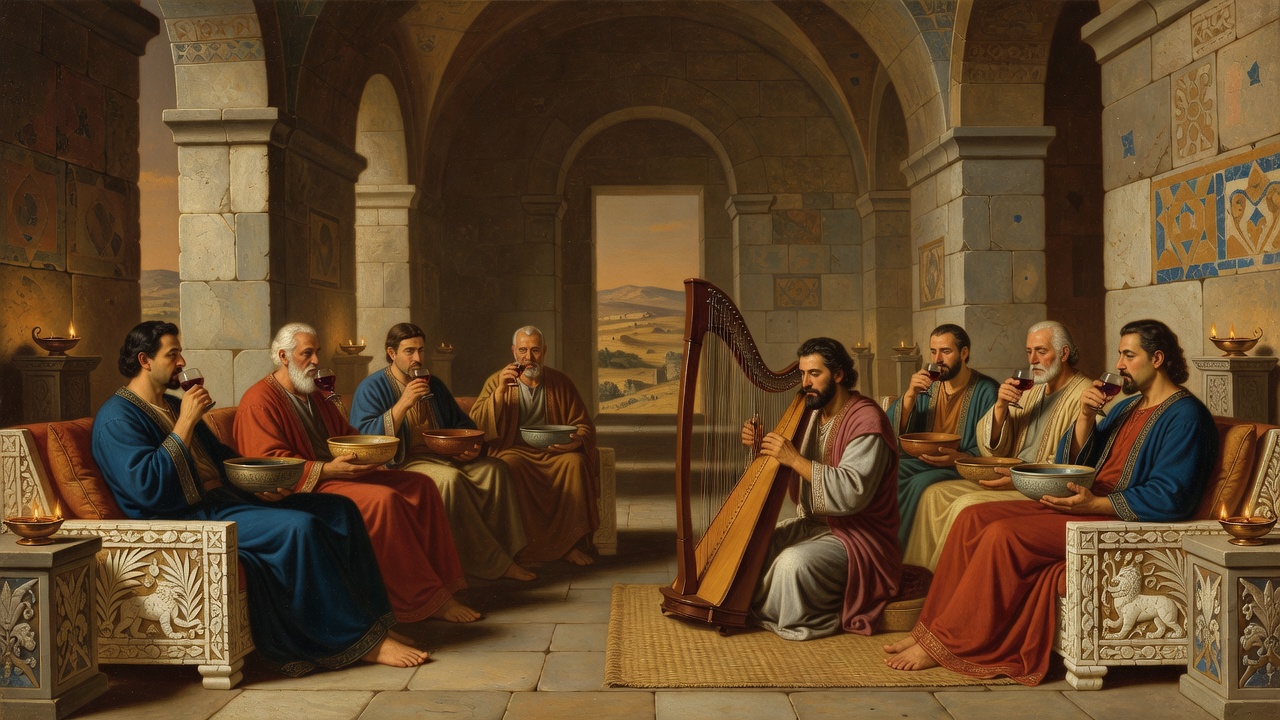
- Amós critica a la aristocracia por entregarse a banquetes extravagantes, descansar en lechos con incrustaciones de marfil e improvisar música con arpas al estilo de David, mientras ignoraba la ruina de José. El nombre José designa aquí a las tribus del norte de Israel, cuya decadencia moral e injusticia social eran desatendidas por sus líderes acaudalados.Fuentes: David · Joseph (son of Jacob) · el propio texto bíblico
Notas escritas con ayuda de IA a partir de fuentes abiertas (Theographic Bible Metadata, CC BY-SA 4.0; Easton’s Bible Dictionary, dominio público) y revisadas antes de publicarse.
Lugares de este capítulo
- Samaria · 32.276, 35.195 · versículos 1, 8
- Zion · Hoy: Jerusalem · 31.777, 35.234 · versículo 1
- Hamath · Hoy: Hama · 35.136, 36.750 · versículo 2
- Philistia · 31.664, 34.546 · versículo 2
Solo aparecen lugares identificados con alta confianza (90 % o más según las fuentes académicas reunidas por OpenBible). Mapa de la época: DARE (Digital Atlas of the Roman Empire), CC BY 4.0; mapa actual: © colaboradores de OpenStreetMap; lugares: OpenBible.info (CC BY 4.0).
Créditos y licencia de esta traducción
Bibeli Gusunɔn Gari
The Holy Bible in the Baatonum language of Benin, also called the Bariba language
copyright © 2013 SIM
Language: Bariba (Baatonum)
Translation by: SIM International
Bariba, Bibeli Gusunɔn Gari
This translation, published by the UEEB/SIM au Benin, was published in 1996.
If you are interested in obtaining a printed copy, please contact the SIM at SIM, BP 15, Parakou, Benin.
This translation text is made available to you under the
terms of the Creative Commons License: Attribution-Noncommercial-No Derivative Works.
( http://creativecommons.org/licenses/by-nc-nd/3.0/ )
In addition, you have permission to port the text to different file formats, as long as you
do not change any of the text or punctuation of the Bible.
You may share, copy, distribute, transmit, and extract portions
or quotations from this work, provided that you include the above copyright
information:
You must give Attribution to the work.
You do not sell this work for a profit.
You do not make any derivative works that change any of the actual words or punctuation of the Scriptures.
Permissions beyond the scope of this license may be
available if you contact
us with your request.
This translation is made available to you under the terms of the
Creative Commons Attribution-Noncommercial-No Derivatives license 4.0.
You may share and redistribute this Bible translation or extracts from it in any format, provided that:
You include the above copyright and source information.
You do not sell this work for a profit.
You do not change any of the words or punctuation of the Scriptures.
Pictures included with Scriptures and other documents on this site are licensed just for use with those Scriptures and documents.
For other uses, please contact the respective copyright owners.
2014-09-10
Fuente: http://ebible.org/bba/ · eBible.org