Amós 5
Bibeli Gusunɔn Gari · Toca un versículo para ver sus referencias cruzadas.
1Bɛɛ Isirelibɑ, i swɑɑ dɑkio i nɔ ɡɔɔ swĩi yi nɑ mɔ̀ bɛɛn sɔ̃.
2Bɛɛ be i wɔrumɛ temɔ nɡe wɔndiɑ be bɑ ɡu,
i ǹ mɑɑ seemɔ.
Goo sɑri wi u koo bɛɛ seeyɑ.
3Domi Yinni Gusunɔ u ɡeruɑ u nɛɛ,
bɛɛn wuu ɡe ɡɑ tɑbu durɔbu nɔrɔbu (1.000) mɔ,
bɑ̀ n tɑbu dɑ, tɔmbu wunɔbuwɑ (100) bɑ koo wurɑmɑ.
Ge ɡɑ mɑɑ tɑbu durɔbu wunɔbu mɔ,
tɔmbu wɔkurɑ bɑ koo tiɑ.
I wurɑmɑ Gusunɔn mi
n sere dɑ̃kuru ko
4Wee ye Yinni Gusunɔ u mɑɑ bɛɛ Isirelibɑ sɔ̃ɔmɔ.
U nɛɛ; ì n kĩ i n wɑ̃ɑ, wiyɑ i ko kɑsu.
5I ku mɑɑ sɑ̃ɑru dɑ Betɛliɔ kɑ Giliɡɑliɔ kɑ Beri Sebɑɔ.
Domi u koo de bu Giliɡɑliɡibu yoru mwɛɛri.
Kpɑ bu Betɛliɡibu kɑm koosiɑ.
6Bɛɛ be i rɑ ɡem ɡɔsie weesu,
kpɑ i kun mu ɡɑrisi ɡɑ̃ɑnu,
i nɑ wi, Yinni Gusunɔn mi,
kpɑ i wɑ i n wɑ̃ɑ,
kpɑ u ku rɑɑ bɛɛ Isirelibɑ wɔri u mwɑ nɡe dɔ̃ɔ.
Kpɑ i ɡoo biɑ Betɛliɔ wi u koo dɔ̃ɔ wi ɡo.
8Yinni Gusunɔwɑ u kperi bwese bwesekɑ kuɑ,
mɑ u yen bɑɑyere yi yen ɑyerɔ.
U rɑ yɑm wɔ̃kuru ɡɔsie yɑm bururɑm.
Kpɑ u de sɔ̃ɔ sɔɔ ɡu tĩrɑ, ɡu ɡɔsiɑ wɔ̃kuru.
U rɑ nim wɔ̃kun nim mɛnnɛ,
kpɑ u mu yɛ̃kɑnɑ tem kpuro sɔɔ.
9Wiyɑ u rɑ dɑmɡibun dɑm bue.
Kpɑ u de bu ben wusun ɡbɑ̃rɑnu kɔsuku.
Kɑ ɡem, win yĩsirɑ Yinni Gusunɔ.
10Bɛɛ Isirelibɑ, be bɑ bɛɛ sirimɔ dee dee,
i rɑ n bu tusɑ,
kpɑ i n kɑ wi u ɡem ɡerumɔ kɔ̃ruɑ.
11I rɑ bwɛ̃ɛbwɛ̃ɛbu dɑm dɔre,
i n ben ɡbeɑn dĩɑnu mwɛɛrimɔ kɑ dɑm.
Yen sɔ̃, i ǹ sinɑmɔ bɛɛn diɑ sɔɔ
ye i bɑnɑ kɑ kpee ni i dɑ̃kɑ.
Mɛyɑ i ǹ mɑɑ bɛɛn resɛm ye i duurɑn bii duronun tɑm nɔrumɔ.
12Domi u bɛɛn torɑnu yɛ̃ nu kpɑ̃,
u mɑɑ yɛ̃ mɑ i durum kuɑ too.
I ɡemɡibu nɔni sɔ̃ɔmɔ.
I nɔm birɑn kɛ̃nu mwɑɑmɔ.
Mɑ i yinɑmɔ bu sɑ̃ɑrobu ben ɡem wɛ̃ siri yerɔ.
13Sɑnɑm mɛni, sɑnɑm kɔ̃sumɑ.
Yen sɔ̃, wi u lɑɑkɑri mɔ, wiyɑ u ko n nɔɔ mɑɑri.
14I de i n ɡeɑ mɔ̀ n kun mɔ kɔ̃sɑ.
Kpɑ i wɑ i n wɑ̃ɑ.
Nɡe mɛyɑ Gusunɔ wɔllu kɑ tem Yinni u ko n kɑ bɛɛ wɑ̃ɑ nɡe mɛ i rɑ ɡere.
15I kɔ̃sɑ tusio kpɑ i ɡeɑ kĩɑ.
I de ɡem mu siribu di siri yerɔ.
Sɔrɔkudo Gusunɔ, wɔllu kɑ tem Yinni u koo bɛɛ Isirelibɑn tɔn be bɑ tiɑrɑ wɔnwɔndu kuɑ.
16Yen sɔ̃, Gusunɔ wɔllu kɑ tem Yinni u ɡeruɑ u nɛɛ,
tɔmbɑ koo ɡɔɔ wuri ko yɑm kpuro,
kpɑ bɑ n sumɔ swɛɛ sɔɔ, bɑ n mɔ̀, wee, wee!
Bɑ koo ɡbɑɑ wukobu sokumɑ bu ɡɔɔ wooru sinɑ,
kpɑ bu ɡɔɔ swĩiɡibu mɛnnɑmɑ.
17Sɑnɑm mɛ u koo bɛɛ wɔrimɑ,
kɑ be bɑ wɑ̃ɑ ɡberɔ kpuro bɑ koo ɡɔɔ swĩwɑ.
Yinni Gusunɔwɑ u yeni ɡeruɑ.
Yinni Gusunɔn siribun tɔ̃ru
18Bɔ̃rurobɑ bɛɛ be i Yinni Gusunɔn siribun tɔ̃ru mɑrɑ.
Mbɑ i yĩiyɔ i wɑ tɔ̃ɔ te sɔɔ.
I n yɛ̃ mɑ tɑ ko n sɑ̃ɑwɑ yɑm wɔ̃kuru, n ǹ mɔ yɑm bururɑm.
19I ko i n sɑ̃ɑwɑ nɡe tɔnu wi u ɡbee sunɔ dukɑ suurimɔ,
mɑ u kɑ yɑɑ ɡɔbɑ ɡɑɑ yinnɑ.
Ye u duɑ win dirɔ u ɡɑnɑ nɛnuɑ,
mɑ wɑɑ yɑ nùn dɔmɑ.
20Yinni Gusunɔn tɔ̃ɔ te, tɑ sɑ̃ɑwɑ yɑm wɔ̃kuru n ǹ mɔ yɑm bururɑm.
Tɑ tĩriwɑ niki niki, yɑm bururɑm sɑri.
Sɑ̃ɑ te Yinni Gusunɔ u tusɑ
21Yinni Gusunɔ u nɛɛ, u bɛɛn tɔ̃ɔ bɑkɑ ni i rɑ nùn diiye tusɑ.
U ǹ mɑm mɑɑ kĩ u bɛɛn mɛnnɔsun woo nɔ.
22Ì n nùn yɑ̃ku dɔ̃ɔ mwɑɑrɑruɡiru kuɑ kɑ mɑɑ kɛ̃nu,
u ku rɑ nu mwɛ.
Mɛyɑ u ku rɑ mɑɑ bɛɛn siɑrɑbun yɑ̃kunu mɛɛri
ni i rɑ ko kɑ yɑɑ sɑbe ni nu ɡum mɔ.
23I kɑ bɛɛn womusun wɔkinu doonɔ win bɔkun di.
U ǹ mɑɑ kĩ u bɛɛn mɔrɔkunun wurenu nɔ.
24Adɑmɑ i de ɡem mu n wɑ̃ɑ bɛɛn suunu sɔɔ,
mu n kokumɔ nɡe nim mɛ mu ku rɑ kpe.
25Bɛɛ Isirelibɑ, i kɑ kuɑ wɔ̃ɔ weeru ɡbɑburu sɔɔ, i nùn yɑ̃kunu kɑ kɛ̃nu kuɑre nɡe mɛ? 26Bũu wi bɑ mɔ̀ Sɑkutu wi i ɡɑrisi bɛɛn sunɔ kɑ sere kperɑ ye i sɑ̃ɑmɔ i mɔ̀ Kewɑni, i nin bwɑ̃ɑroku ni i tii kuɑ sɔɔre nɡe mɛ i sɔɔwɑ ɡisɔ? Bɛɛn tii i yɛ̃ mɑ i ǹ koore mɛ.
27Yen sɔ̃, u koo de bu bɛɛ yoru mwɛɛri
bu kɑ dɑ sere Dɑmɑsin berɑ ɡiɔ.
Wi, Gusunɔ wɔllu kɑ tem Yinniwɑ u yeni ɡeruɑ.
Bɑ koo Isirelibɑ kpeerɑsiɑ
¿Sabías que…?
Un Llamado a la Justicia y Lamentación
- Amós instó al reino del norte de Israel a no buscar antiguos centros de peregrinación como Betel, Gilgal o Berseba, advirtiendo que estos santuarios no los librarían de la ruina. Betel y Gilgal eran destacados centros históricos de culto, mientras que Berseba se encontraba en el sur, pero el profeta insistió en que los rituales en estos lugares carecían de valor sin obediencia moral.Fuentes: el propio texto bíblico · Bethel (of Palestine) · Gilgal · Beersheba
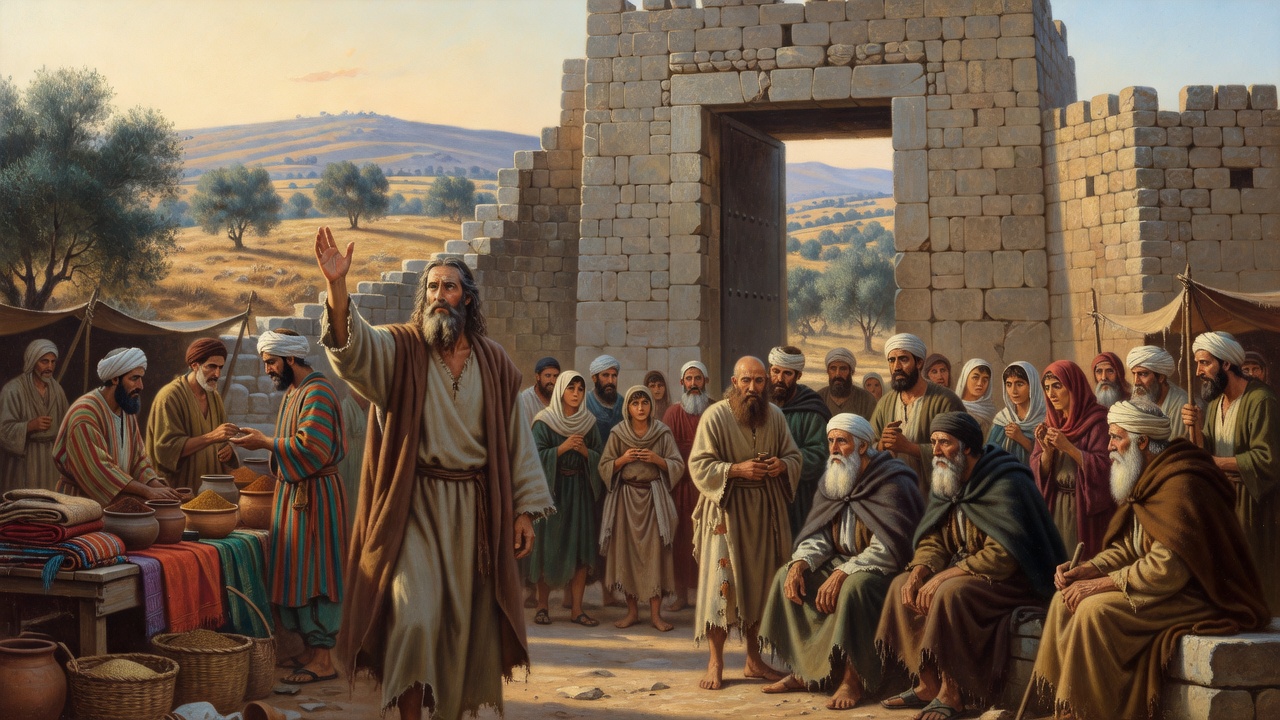
- En las antiguas ciudades israelitas, la puerta de la ciudad servía como el principal centro cívico y judicial donde se resolvían disputas legales y los ancianos administraban justicia. Amós denunció a las élites por aceptar sobornos, silenciar a testigos íntegros y despojar de sus derechos a los pobres en estos juicios.Fuentes: el propio texto bíblico
- La advertencia de que Israel sería llevado al exilio más allá de Damasco señalaba una inminente derrota y deportación al noreste de la antigua capital siria. Damasco era una destacada potencia política y comercial al norte de Jerusalén, y representaba una referencia geográfica clave para las invasiones norteñas.Fuentes: el propio texto bíblico · Damascus
Notas escritas con ayuda de IA a partir de fuentes abiertas (Theographic Bible Metadata, CC BY-SA 4.0; Easton’s Bible Dictionary, dominio público) y revisadas antes de publicarse.
Lugares de este capítulo
- Damascus · 33.511, 36.306 · versículo 27
Solo aparecen lugares identificados con alta confianza (90 % o más según las fuentes académicas reunidas por OpenBible). Mapa de la época: DARE (Digital Atlas of the Roman Empire), CC BY 4.0; mapa actual: © colaboradores de OpenStreetMap; lugares: OpenBible.info (CC BY 4.0).
Créditos y licencia de esta traducción
Bibeli Gusunɔn Gari
The Holy Bible in the Baatonum language of Benin, also called the Bariba language
copyright © 2013 SIM
Language: Bariba (Baatonum)
Translation by: SIM International
Bariba, Bibeli Gusunɔn Gari
This translation, published by the UEEB/SIM au Benin, was published in 1996.
If you are interested in obtaining a printed copy, please contact the SIM at SIM, BP 15, Parakou, Benin.
This translation text is made available to you under the
terms of the Creative Commons License: Attribution-Noncommercial-No Derivative Works.
( http://creativecommons.org/licenses/by-nc-nd/3.0/ )
In addition, you have permission to port the text to different file formats, as long as you
do not change any of the text or punctuation of the Bible.
You may share, copy, distribute, transmit, and extract portions
or quotations from this work, provided that you include the above copyright
information:
You must give Attribution to the work.
You do not sell this work for a profit.
You do not make any derivative works that change any of the actual words or punctuation of the Scriptures.
Permissions beyond the scope of this license may be
available if you contact
us with your request.
This translation is made available to you under the terms of the
Creative Commons Attribution-Noncommercial-No Derivatives license 4.0.
You may share and redistribute this Bible translation or extracts from it in any format, provided that:
You include the above copyright and source information.
You do not sell this work for a profit.
You do not change any of the words or punctuation of the Scriptures.
Pictures included with Scriptures and other documents on this site are licensed just for use with those Scriptures and documents.
For other uses, please contact the respective copyright owners.
2014-09-10
Fuente: http://ebible.org/bba/ · eBible.org