Amós 6
Azərbaycan dilində Müqəddəs Kitab · Toca un versículo para ver sus referencias cruzadas.
İsrailin nahaq yerə gücə arxalanması
1Vay halınıza, ey Sionda laqeyd olanlar,
Samariya dağında arxayın oturanlar,
İsrail nəslinin müraciət etdiyi
Millətlər arasında adlı-sanlılar!
2Kalneyə keçib görün,
Oradan böyük Xamata gedin,
Filiştlilərin Qat şəhərinə gəlin.
Onların halı bu ölkələrdən daha yaxşıdırmı?
Onların ərazisi sizinkindən böyükdürmü?
3Vay halınıza, ey bəla gününü uzaq sanıb
Zorakılığı taxtına yaxınlaşdıranlar!
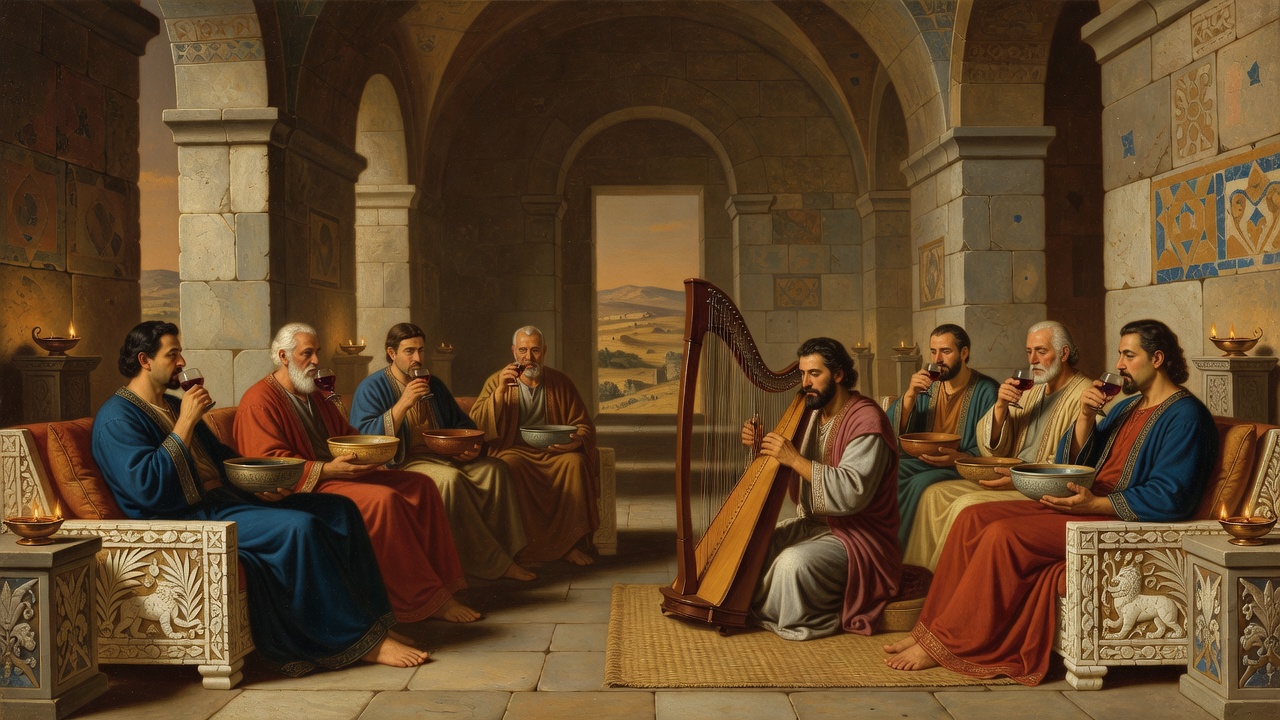
4Ey fil dişi ilə bəzənmiş çarpayılarda yayxanıb,
Yataqlarda uzanıb,
Sürüdəki quzulardan,
Axurun yanındakı danalardan götürüb yeyənlər!
5Çəng çalıb bədahətən oxuyanlar,
Guya Davud kimi musiqi alətləri ilə nəğmə deyənlər,
6Piyalə-piyalə şərab içənlər,
Bədənlərinə əla yağlar sürtənlər,
Lakin Yusif nəslinin qırğınına görə
Narahat olmayanlar!
7Bundan ötrü indi sürgünə
Başda siz gedəcəksiniz.
Keflənib yayxananların ziyafəti başa çatacaq.
8Xudavənd Rəbb Öz haqqına and içir,
Ordular Allahı Rəbb bəyan edir:
“Yaqub nəslinin qüruruna nifrət edirəm,
Qalalarından zəhləm gedir.
İçində olanlarla birlikdə
Paytaxtlarını təslim edəcəyəm”.
9Əgər bir evdə on nəfər qalsa, onlar da öləcək. 10Ölən bir nəfərin qohumu onun cəsədini götürüb yandırmaq üçün gələcək. Evin içində olana “Yanında kim var?” deyə soruşanda, o da “heç kim” söyləyəcək. Onda o qohum belə deyəcək: “Sus, Rəbbin adını çəkmək olmaz”. 11Çünki Rəbb əmr edəndə böyük evlər parça-parça olub yıxılacaq, kiçik komalar da qırıq-qırıq olub dağılacaq.
12Qaya üzərində atlar çaparmı?
Orada kim öküzlərlə kotan sürər?
Siz isə ədaləti zəhərə döndərmisiniz,
Bəraəti də acıya çevirmisiniz.
13Ey Lo-Devarı tutub “Qarnayimi öz gücümüzlə almadıqmı?” deyərək lovğalananlar! 14Ordular Allahı Rəbb belə bəyan edir: “Budur, ey İsrail nəsli! Mən sizə qarşı bir millət çıxarıram. Xamat keçidindən Arava vadisinə qədər onlar sizə zülm edəcək”.
¿Sabías que…?
La Complacencia y el Exilio Inminente
- Amós se dirige a la élite gobernante que se sentía segura tanto en Sion, la colina fortificada de Jerusalén, como en el monte de Samaria, la capital del reino del norte construida en una cumbre aislada por el rey Omri. A pesar de las defensas naturales y el prestigio de estas ciudades, se advierte a sus líderes que su tranquilidad y exceso de confianza terminarían en cautiverio.Fuentes: Zion · Samaria · el propio texto bíblico
- El profeta desafía a Israel a mirar a renombradas ciudades extranjeras como Calne, cerca del Éufrates, Hamat, sobre el río Orontes, en la Alta Siria, y la fortaleza filistea de Gat. Estas potencias vecinas no eran más pequeñas ni estaban menos protegidas, pero aun así no escaparon de la destrucción.Fuentes: Calneh · Hamath · Gath · el propio texto bíblico
- Amós critica a la aristocracia por entregarse a banquetes extravagantes, descansar en lechos con incrustaciones de marfil e improvisar música con arpas al estilo de David, mientras ignoraba la ruina de José. El nombre José designa aquí a las tribus del norte de Israel, cuya decadencia moral e injusticia social eran desatendidas por sus líderes acaudalados.Fuentes: David · Joseph (son of Jacob) · el propio texto bíblico
Notas escritas con ayuda de IA a partir de fuentes abiertas (Theographic Bible Metadata, CC BY-SA 4.0; Easton’s Bible Dictionary, dominio público) y revisadas antes de publicarse.
Lugares de este capítulo
- Samaria · 32.276, 35.195 · versículos 1, 8
- Zion · Hoy: Jerusalem · 31.777, 35.234 · versículo 1
- Hamath · Hoy: Hama · 35.136, 36.750 · versículo 2
- Philistia · 31.664, 34.546 · versículo 2
Solo aparecen lugares identificados con alta confianza (90 % o más según las fuentes académicas reunidas por OpenBible). Mapa de la época: DARE (Digital Atlas of the Roman Empire), CC BY 4.0; mapa actual: © colaboradores de OpenStreetMap; lugares: OpenBible.info (CC BY 4.0).
Créditos y licencia de esta traducción
Azərbaycan dilində Müqəddəs Kitab
The Holy Bible in the Azerbaijani language, also known as the Azeri language, of Azerbaijan, Iran, Iraq, Syria, and Turkey
Copyright © 2008 Müqəddəs Kitab Sirkəti
Language: Azeri (Azerbaijani, South)
Translation by: Institute for Bible Translation
Contributor: Bible Society of Azerbaijan
This translation text is made available to you under the
terms of the Creative Commons License: Attribution-Noncommercial-No Derivative Works.
( http://creativecommons.org/licenses/by-nc-nd/3.0/ )
In addition, you have permission to port the text to different file formats, as long as you
do not change any of the text or punctuation of the Bible.
You may share, copy, distribute, transmit, and extract portions
or quotations from this work, provided that you include the above copyright
information:
You must give Attribution to the work.
You do not sell this work for a profit.
You do not make any derivative works that change any of the actual words or punctuation of the Scriptures.
Permissions beyond the scope of this license may be
available if you contact
us with your request.
This translation is made available to you under the terms of the
Creative Commons Attribution-Noncommercial-No Derivatives license 4.0.
You may share and redistribute this Bible translation or extracts from it in any format, provided that:
You include the above copyright and source information.
You do not sell this work for a profit.
You do not change any of the words or punctuation of the Scriptures.
Pictures included with Scriptures and other documents on this site are licensed just for use with those Scriptures and documents.
For other uses, please contact the respective copyright owners.
2018-11-09
Fuente: http://ebible.org/azb/ · eBible.org