2 Corintios 9
Manikáne O Ehwehne · Toca un versículo para ver sus referencias cruzadas.
Maniká tagaríáh tábónáh ké nárie ehwéhne.
1Maniká tagaríáh ké nárie ehweh aiq ahtebahwe. Minayabe nárie ehwéhnsábé íre áhnte sehiraninie. 2Itega sorupawe nárienéhe íwíáh aiq tagaríóge. Minayabe Másérónía marákórápéqté kéyábé itega miraira ehwéh aiq teriena iteíwíq panketauge. Ínéga sensabé mahraréna, Ákáía marákórápéqté kégá inokáh opéq tabonah ke nárienéhe íwíáh áhwárarowe urauge. Uraugara irera mi kegá, Itega moq miraoneheqmúne íwíáhurowe.
3Ínéga teríátáu ehwéh péhe éhwéh agínehoéq miraira arámbéhrí amahnága parabaruageheéna mah anító siqmaraníe. 4Itega moke náríra naneq aiq kawerareq íwénunowe íwíáhuge. Másérónía marákórápéqté kéreq ínéreqka iteba senaraq itega miraira arámbéhrí íre parabarúéhrataq itereq ínéreq iyehitanawire.
5Mira íwíáhéna itega miraira arámbéhrí parabaruageheéna mah anító iteba ebeq siqmaraníe. Sega séhréh aitehraq náríra naneq sorupawe kaweraréhrataq ínéga iteba senaraq aiq awehraq kanae. Awehraq kahnaraq tagehra kegá iwíáhéra, Íre ínéga pagu pagununsabé peh iteitega nárienéhe íwíáhuraunayabé miraowe íwíáhigehe.
6Wene sotápéq íre áhnte uqmaréh ánínká pehgáriq tahutáhúq meyanae. Áhnte uqmaréh ánínká áhnte meyanae. Minayabe iwíáhue tagahro. 7Mó aní mó anínue itene irupipeq iwíáhéq náríéro. Itega náríra naneqsabé itene irupipeq iwíáh kikiriyeho. Itega iwíáhéq, Mó kegá itensabé anah ke woe éra abiahnsa aitéhboq nárienéhe íwíáh íre oro. Peh Manikánka wehwehi anínsábé arutaboiri puaq aru eyoyóue náríéro.
8Manikánka ite íre mationa naneq áhnte náieráhire. Ite moke awehraq kankeheéna náinkéhe. Itega mó ke séhréh ariteq moke kaweq arámbéhrí miraigeheéna Manikánka náinkéhe. 9Minayabe wene ehwehnka aiq mahraréna,
We tabonah ke áhnte sinsinire. Wene tábúsoréh sánsá ahriahri kagaire ire. (Buk Song 112.9)
10Manikánka sonsoráh ké ayu nárírara uqmaráhnsábé áhnte tahutáhúq nárírara nahwe. Mina inserah wega ite íre kéh náneq náinaq ite awehraq naneq matawéq mó ke wehwehue séhréh ariteq itega náríransabé Manikánka náina naneq anotah úkinawire. Itene kaweq sansámárí moq anotah úkinae. 11Manikánka ite áhnte náinaq itega moq tabonah ke ahriahri nárieráhowe. Itega miraúnayabé tabonah ke nárírataq meyéhra kegá minayabe Manikánsabe iwíáh íwíáh atagéhe.
12Itega Manikáne tabonah ke nárírataq se tabonah ira naneq aiq awehraraginae. Itega náríransabé mi kegá Manikánsabe anotahtaq iwíáh íwíáh atagéhe. 13Itega mó ke séhréh ariteq nárírataq sega itega Sísa Karáhéne ehweh aiq kawerue sehgíówe íwíáhéra Maniká áwíq pankerera wensabé iwíáh íwíáh atagéhe.
14Itega eyoyóue nárírataq sega itensabé, Áhnte irutaboiro ke wóe aitera Manikánsabe, Ite kaweraritoue púreraitagéhe. Manikánka ite séhréh aitena mi iwíáh aitahnara náríra kegá itensabé anotahtaq sirutaboiréra púreraitagéhe. 15Manikánka wenahni iteba eqmarowe. Anotah kawéq sánsá miraú púaq moke mó sansá kiotaikinsabé itene ehweh íre irarerahéq peh Manikánsabe iwíáh íwíáh ata ataúne.
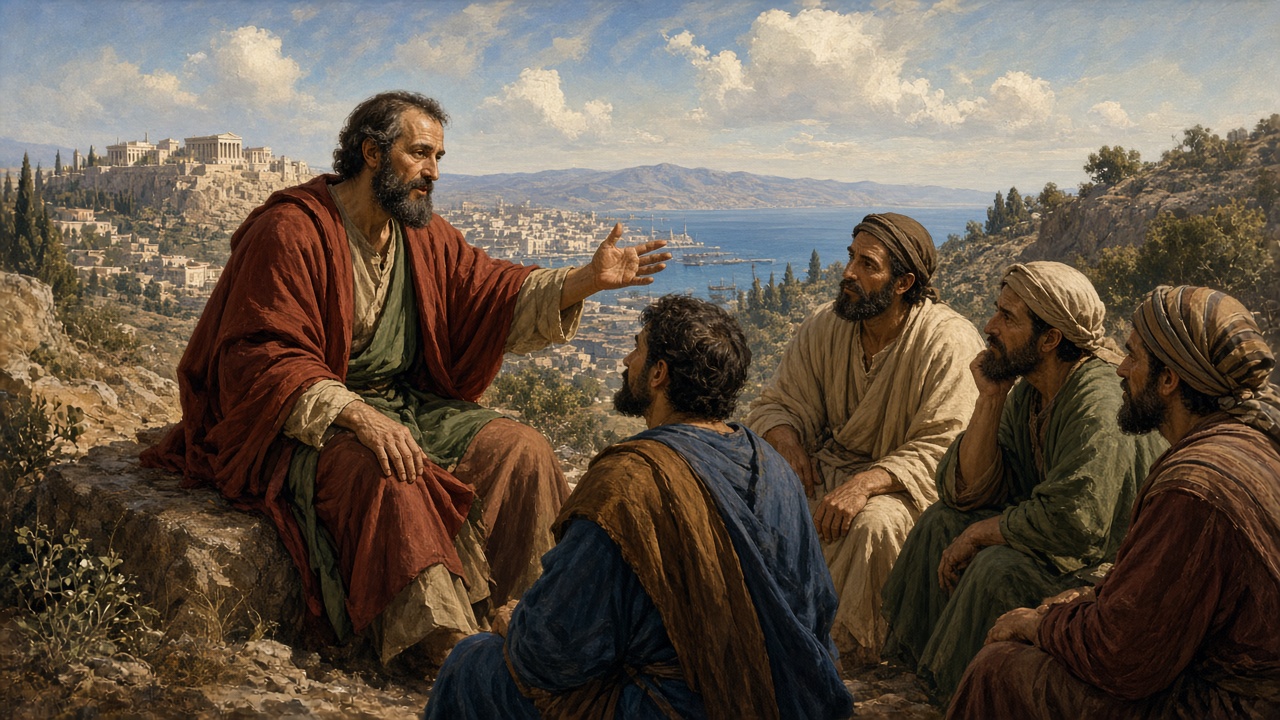
¿Sabías que…?
Generosidad entre Acaya y Macedonia
- Macedonia era una provincia romana situada al norte de Grecia, y Acaya era la otra de las dos provincias en que los romanos dividieron Grecia, aplicando ese nombre a todo el Peloponeso y al sur. Al escribir a los creyentes de Acaya, Pablo dice que se ha estado gloriando ante los macedonios de que ellos estaban listos para dar.Fuentes: Macedonia · Achaia · el propio texto bíblico
- Pablo dice que, desde el año anterior, la gente de Acaya estaba lista para dar, y que su celo había movido a la mayoría de los macedonios a hacer lo mismo. Está enviando a los hermanos por delante para que aquello de lo que se ha gloriado acerca de ellos no resulte vacío, si algunos macedonios vienen con él y los hallan sin preparación.Fuentes: el propio texto bíblico
- El nombre Acaya se refería al principio a una franja estrecha de territorio en Grecia, al noroeste del Peloponeso. En el Nuevo Testamento, el nombre se usa siempre en el sentido posterior y más amplio que le dieron los romanos, para la provincia del sur en su conjunto.Fuentes: Achaia
Notas escritas con ayuda de IA a partir de fuentes abiertas (Theographic Bible Metadata, CC BY-SA 4.0; Easton’s Bible Dictionary, dominio público) y revisadas antes de publicarse.
Lugares de este capítulo
- Jerusalem · 31.777, 35.234 · versículos 1, 12
- Achaia · 38.720, 22.540 · versículo 2
- Macedonia · 41.600, 22.540 · versículos 2, 4
Solo aparecen lugares identificados con alta confianza (90 % o más según las fuentes académicas reunidas por OpenBible). Mapa de la época: DARE (Digital Atlas of the Roman Empire), CC BY 4.0; mapa actual: © colaboradores de OpenStreetMap; lugares: OpenBible.info (CC BY 4.0).
Créditos y licencia de esta traducción
Manikáne O Ehwehne
God's New Talk: The New Testament in the Awa Language of Papua New Guinea
Nupela Testamen long tokples Awa long Niugini
copyright © 1974, 1997 Wycliffe Bible Translators, Inc.
℗ Faith Comes by Hearing
Language: Awa
Translation by: Wycliffe Bible Translators
This translation is made available to you under the terms of the
Creative Commons Attribution-Noncommercial-No Derivatives license 4.0.
You may share and redistribute this Bible translation or extracts from it in any format, provided that:
You include the above copyright and source information.
You do not sell this work for a profit.
You do not change any of the words or punctuation of the Scriptures.
Pictures included with Scriptures and other documents on this site are licensed just for use with those Scriptures and documents.
For other uses, please contact the respective copyright owners.
2013-12-11
Fuente: http://png.bible/awb/ · eBible.org