2 Corintios 10
Manikáne O Ehwehne · Toca un versículo para ver sus referencias cruzadas.
Poraga wene arambehriyabé irarú ehwehne.
1Íné Porane ehweh kawerue íráhro. Sísa Karáhé uwaresa ánínéna pehwehrue míonserahnue teiníe. Iteba míó tánáhráq wehukega ínénsabe, Uwaresa ání míahne ewe. Iteba íre míó tánáhráq peh móbeq ména páhsi sehiranue ehweh teiútáq ínénsabe, Págege ehwéh sehiranue iene aintáhwe. 2Iteba senaraq págege ehwéh aiteyabe nuwahriehre. Minayabe kawerurero.
Mó kegá ínénsabe, Mah marákóípéqté sánsánóne aintáhwe. Mina tahnsa éhwéhno keyábé págege ehwéh aritahráhuge. Ite mah marákóípéq míone eme aiq pútarowe. 3Peh mah marákóípéqté kégá iwíáhue ebehonserah íre úne. 4Manikáne arambehri miraoneheéq iqtate íre ebehúne. Owainawane arambehri saiqnareq Manikánka náí náneq, págege naneqtaté ebehúne. 5Mó kené péhe éhwéh píribahri ehwéhnká Manikáne sansá taganeherao kené ah paitiehnehoéq saiqnaruone. Sísa Karáhéne ehweh sehgigeheéq moke mó iwíáh saiqnarúóne. 6Itega néne ehweh sehgírataq itereq ínéreqka néne ehweh anterúáh ké kamah arienéhe.
7Itega tagahna naneqsabé tábúsoqme iwíáhoro. Ite Sísa Karáhéne animárí múne íwíáhoo? Íné moq wene ani míó púaq minayabe iwíáhoro. 8Ite saiqnariankeheéna Manikánka omaq intáráiro? Írakaumo. Manikánka ínénsabe, Ite séhréh arite kawerarito aintena omaq intáráire. Minayabe néne arambehriyabé iwíáh íwíáhéna néníwíq pehgáriq pankerónsábé íre niyehitehre. 9Néne páhsi tagéq anotah ahréigeheéna íre sehiranuge.
10Mó kegá mahraréra, Néne páhsiipéq págege ehwéh irarire éra peh iteba míaraitaq íné mareqmareq aní ména págege ehwéh íre iraruraire ewe. 11Mira íwíáho keo, íráhro. Ínéga sehiranue teiú éhwéhnkákáq iteba míáhnaraq teiéna ehwéhnkákáq peh monseráh éhwéhtáré wíre mókake ahtebagehe.
12Seyensabé iwíáh íwíáhéra, Ite moke mó ke kiotaikúne íwíáho kegá mira onserah íre úne. Sega seyene arambehri tagéra wene wene arambehri agehgamarera peh seyene arambehriyabé iwíáh íwíáhowe. Mi sansámé peh múguwahgu sansáne. 13Néníwíq pehipi pankereyabe íre nuwahbehre. Írakaumo. Peh morá Manikánka omaq intárái arámbéhrí miraunsabé iwíáh íwíáh éna iraruge. Wega ite séhréh arito aintárái puana mi arámbéhríyábé iwíáh íwíáhéna iraruge. 14Manikánka, Ite séhréh arito aintárái puana wene ehweh sehgiena iteba séna Sísa Karáhéne kaweq ehwéh teiátáuge.
15Mó kené arambehriéyabe, Ínénéne arambehrie éna néníwíq pankeranieéna iwíáh íwíáhugo? Írakaumo. Ínéga ite séhréh aitahnaq itega Sísane sánsá kawerue ambubu atawéq sehgírataq mó ite míáhrabeqte ké séhréh aritaníe íwíáhuge. 16Ínéga ite seberiopéq pokue Sísane kaweq ehwéh mitaq teri mahtaq terininie. Miraonaraq íre mó kegá arambehriorabeq peh ínébataq néne arambehriyabé iwíáh íwíáhéna irarinie. 17Minayabe Manikáne ehwehnka aiq mahraréna,
Iwíáh íwíáhóna aníno, peh morá Manikánka mirainsabé iwíáh íwíáhé irarúno ire.
18Wewensabé iwíáh íwíáhéna wenáwíq pankeréh ánínká, Manikánka anotah aní móne íre atankéhe. Peh Manikánka wehukeníné áwíq pankeréh ánímé webataq anotah aní míankehe.
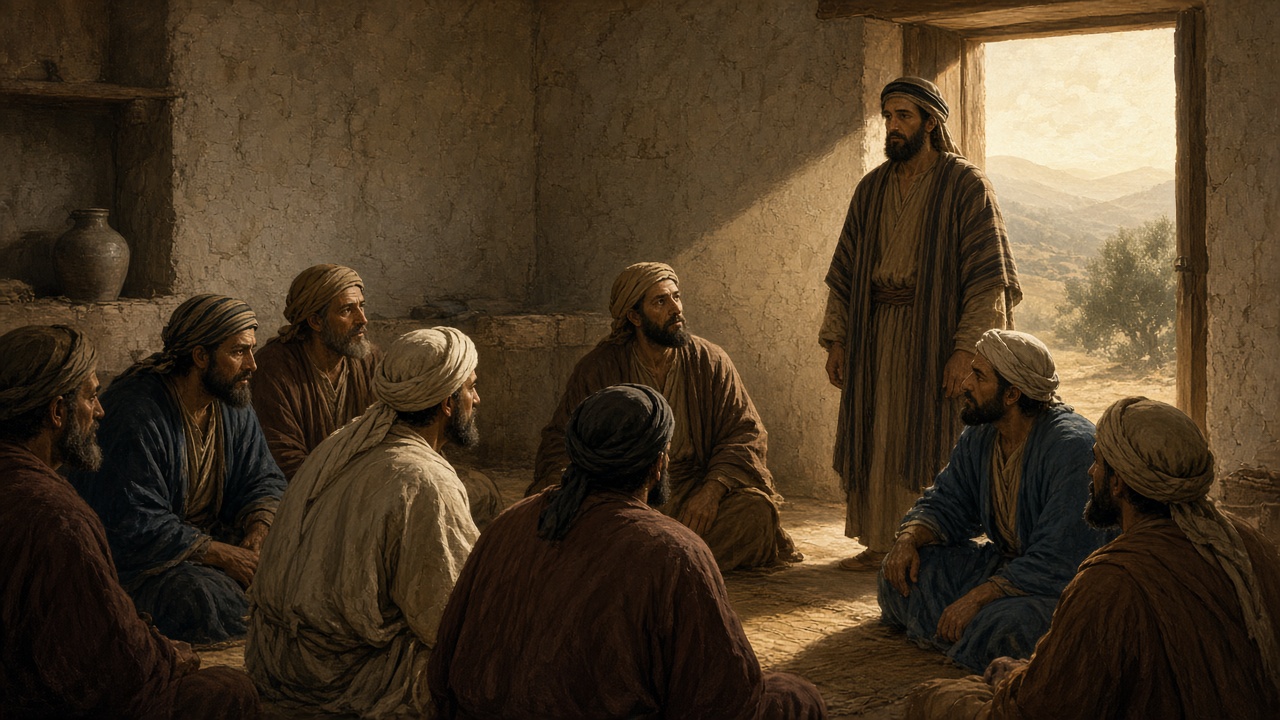
¿Sabías que…?
Cartas, presencia y una guerra que no es de este mundo
- Algunas personas juzgaban a Pablo por la apariencia y por su manera de hablar. Admitían que sus cartas eran pesadas y enérgicas, pero decían que su presencia física no impresionaba y que su hablar no tenía valor. Él responde que lo que es en las cartas cuando está ausente, lo será también en sus acciones cuando esté presente.Fuentes: el propio texto bíblico
- Describe el conflicto en términos militares, pero no como una lucha ordinaria. Vivir en la carne, dice, no significa hacer la guerra según la carne. Las armas de las que habla no son las del mundo; tienen poder divino para derribar fortalezas, deshacer argumentos y toda pretensión levantada contra el conocimiento de Dios, y llevar todo pensamiento a la obediencia a Cristo.Fuentes: el propio texto bíblico
- Pablo no quiere gloriarse más allá del campo de influencia que Dios le ha asignado, un campo que ya incluye a sus lectores, pues fue el primero en llegar a ellos con el evangelio de Cristo. Quien se gloríe, dice, debe gloriarse en el Señor; la aprobación no es de quien se recomienda a sí mismo, sino de aquel a quien el Señor recomienda.Fuentes: el propio texto bíblico
Notas escritas con ayuda de IA a partir de fuentes abiertas (Theographic Bible Metadata, CC BY-SA 4.0; Easton’s Bible Dictionary, dominio público) y revisadas antes de publicarse.
Lugares de este capítulo
- Corinth · 37.906, 22.879 · versículo 14
Solo aparecen lugares identificados con alta confianza (90 % o más según las fuentes académicas reunidas por OpenBible). Mapa de la época: DARE (Digital Atlas of the Roman Empire), CC BY 4.0; mapa actual: © colaboradores de OpenStreetMap; lugares: OpenBible.info (CC BY 4.0).
Créditos y licencia de esta traducción
Manikáne O Ehwehne
God's New Talk: The New Testament in the Awa Language of Papua New Guinea
Nupela Testamen long tokples Awa long Niugini
copyright © 1974, 1997 Wycliffe Bible Translators, Inc.
℗ Faith Comes by Hearing
Language: Awa
Translation by: Wycliffe Bible Translators
This translation is made available to you under the terms of the
Creative Commons Attribution-Noncommercial-No Derivatives license 4.0.
You may share and redistribute this Bible translation or extracts from it in any format, provided that:
You include the above copyright and source information.
You do not sell this work for a profit.
You do not change any of the words or punctuation of the Scriptures.
Pictures included with Scriptures and other documents on this site are licensed just for use with those Scriptures and documents.
For other uses, please contact the respective copyright owners.
2013-12-11
Fuente: http://png.bible/awb/ · eBible.org