Levítico 18
Buk Baibel long Anuki · Toca un versículo para ver sus referencias cruzadas.
Wiimumurana kana wonawiiyoyowana
1Wasina bi Yawe God, Mosis iwonena mayeni bo, 2“Isrel damdi kuwonedi da Tagu na Yawe yami God. 3Gegha konabera da ware Ijipt damdi siyaberaberana, iiyawogha yadi kubure koya makamakena naboni, bo konabera da ware Kenen damdi siyaberaberana, iiyawogha yadi kubure akabimi tanaghonagho na naboni. Geyadi kedagha konanaghona. 4Tagu na Yawe God, noko biidi yagu gwara da wonawiiyoyowana kokabisisiredi da konabera. 5Memeda yagu gwara konakabisisiredi bi wonawiiyoyowana konabera, na yawa gwabidima konakabi, Tagu Yawe God.
6Tagu Yawe God, na yagu sisiya kowaiyana, da getana iiyabo yana rakaraka ririne yawata sinimumuranana.
19Gegha wasike nawaravi yakabikabi, bi yawata konimumuranana, basuna touna na dadabuna.
20Gegha tomogha tana wavinena yawata konimumuranana - memeda naboni konabera na konidadabumi.
21Gegha natunatumi konapuyo, god Molek yana suwara gabugabuna gawarina debane. Tagu na Yawe yami God, bi memeda naboni konabera na kagu waghawagha konisinimayamayayi.
22Gegha tomogha tana tomogha turana yawata sinimumuranana, mayimayiyina wasike teya; Mataguve na mmko ibero kirakii.
23Gegha tomogha bo wasike tana ribiribi teya sinimumuranana, memeda naboni konabera na tami konadadabu.
24Gegha mmkodi beradi konabera da konidadabumi. Basuna nokodi wawaya Kenen kubure samakamakena naboni sibera da mataguve na sidadabu, noko biidi na kuburinama ivikanibuvedi bi tami konarughu kamone.”
¿Sabías que…?
Santidad y Normas Morales
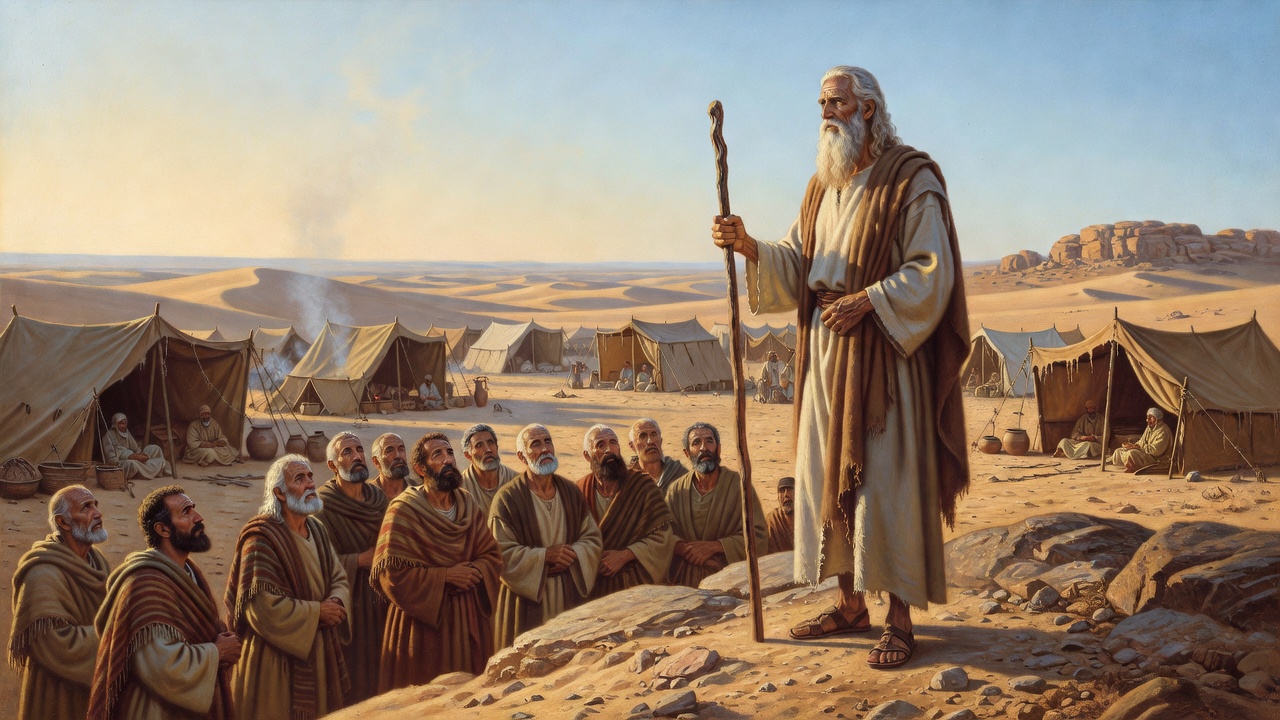
- Levítico 18 introduce sus preceptos morales y familiares instruyendo a los israelitas a no adoptar las costumbres de Egipto, donde habían vivido, ni las de Canaán, la tierra a la que estaban por entrar.Fuentes: el propio texto bíblico · Canaan · Egypt
- El capítulo prohíbe expresamente entregar hijos a Moloc, la deidad nacional de los amonitas cuyos rituales incluían sacrificios por fuego, declarando que tales actos profanan el nombre de Dios.Fuentes: el propio texto bíblico · Molech
- El texto emplea un lenguaje figurado muy elocuente, advirtiendo que las prácticas corruptas contaminan la tierra misma y que esta vomitará a quien infrinja estos estatutos, tal como expulsó a sus antiguos habitantes.Fuentes: el propio texto bíblico
Notas escritas con ayuda de IA a partir de fuentes abiertas (Theographic Bible Metadata, CC BY-SA 4.0; Easton’s Bible Dictionary, dominio público) y revisadas antes de publicarse.
Lugares de este capítulo
Solo aparecen lugares identificados con alta confianza (90 % o más según las fuentes académicas reunidas por OpenBible). Mapa de la época: DARE (Digital Atlas of the Roman Empire), CC BY 4.0; mapa actual: © colaboradores de OpenStreetMap; lugares: OpenBible.info (CC BY 4.0).
Créditos y licencia de esta traducción
Buk Baibel long Anuki
Portions of the Holy Bible in the Anuki language of Papua New Guinea
Buk Baibel long tokples Anuki long Niugini
copyright © 2010-2016 Wycliffe Bible Translators, Inc.
Language: Anuki
Translation by: Wycliffe Bible Translators
This translation is made available to you under the terms of the
Creative Commons Attribution-Noncommercial-No Derivatives license 4.0.
You may share and redistribute this Bible translation or extracts from it in any format, provided that:
You include the above copyright and source information.
You do not sell this work for a profit.
You do not change any of the words or punctuation of the Scriptures.
Pictures included with Scriptures and other documents on this site are licensed just for use with those Scriptures and documents.
For other uses, please contact the respective copyright owners.
2014-06-02
Fuente: http://png.bible/aui/ · eBible.org