Leviticus 18
Buk Baibel long Anuki · Tap a verse to see its cross-references.
Wiimumurana kana wonawiiyoyowana
1Wasina bi Yawe God, Mosis iwonena mayeni bo, 2“Isrel damdi kuwonedi da Tagu na Yawe yami God. 3Gegha konabera da ware Ijipt damdi siyaberaberana, iiyawogha yadi kubure koya makamakena naboni, bo konabera da ware Kenen damdi siyaberaberana, iiyawogha yadi kubure akabimi tanaghonagho na naboni. Geyadi kedagha konanaghona. 4Tagu na Yawe God, noko biidi yagu gwara da wonawiiyoyowana kokabisisiredi da konabera. 5Memeda yagu gwara konakabisisiredi bi wonawiiyoyowana konabera, na yawa gwabidima konakabi, Tagu Yawe God.
6Tagu Yawe God, na yagu sisiya kowaiyana, da getana iiyabo yana rakaraka ririne yawata sinimumuranana.
19Gegha wasike nawaravi yakabikabi, bi yawata konimumuranana, basuna touna na dadabuna.
20Gegha tomogha tana wavinena yawata konimumuranana - memeda naboni konabera na konidadabumi.
21Gegha natunatumi konapuyo, god Molek yana suwara gabugabuna gawarina debane. Tagu na Yawe yami God, bi memeda naboni konabera na kagu waghawagha konisinimayamayayi.
22Gegha tomogha tana tomogha turana yawata sinimumuranana, mayimayiyina wasike teya; Mataguve na mmko ibero kirakii.
23Gegha tomogha bo wasike tana ribiribi teya sinimumuranana, memeda naboni konabera na tami konadadabu.
24Gegha mmkodi beradi konabera da konidadabumi. Basuna nokodi wawaya Kenen kubure samakamakena naboni sibera da mataguve na sidadabu, noko biidi na kuburinama ivikanibuvedi bi tami konarughu kamone.”
Did you know?
Holiness and Moral Standards
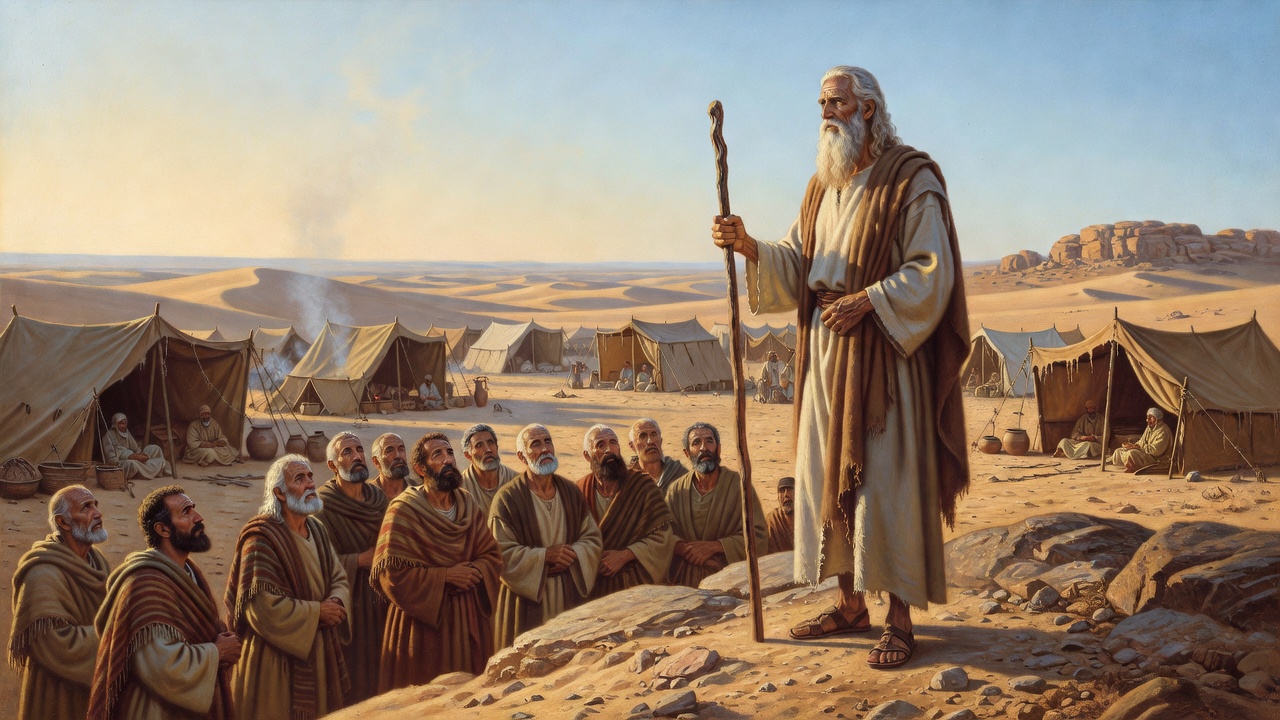
- Leviticus 18 introduces its moral and family regulations by instructing the Israelites not to adopt the customs of Egypt, where they had previously lived, nor those of Canaan, the land they were about to enter.Sources: the Bible text itself · Canaan · Egypt
- The chapter explicitly forbids offering children to Molech, the national deity of the Ammonites whose rites included sacrifices by fire, declaring that such acts profane the name of God.Sources: the Bible text itself · Molech
- The passage uses striking figurative language, warning that corrupt practices defile the land itself and that the land will vomit out anyone who violates these statutes, just as it expelled prior inhabitants.Sources: the Bible text itself
Notes written with AI assistance from open sources (Theographic Bible Metadata, CC BY-SA 4.0; Easton’s Bible Dictionary, public domain) and reviewed before publishing.
Places in this chapter
Only places identified with high confidence are shown (90% or more according to the scholarly sources compiled by OpenBible). Period map: DARE (Digital Atlas of the Roman Empire), CC BY 4.0; modern map: © OpenStreetMap contributors; places: OpenBible.info (CC BY 4.0).
Credits and license for this translation
Buk Baibel long Anuki
Portions of the Holy Bible in the Anuki language of Papua New Guinea
Buk Baibel long tokples Anuki long Niugini
copyright © 2010-2016 Wycliffe Bible Translators, Inc.
Language: Anuki
Translation by: Wycliffe Bible Translators
This translation is made available to you under the terms of the
Creative Commons Attribution-Noncommercial-No Derivatives license 4.0.
You may share and redistribute this Bible translation or extracts from it in any format, provided that:
You include the above copyright and source information.
You do not sell this work for a profit.
You do not change any of the words or punctuation of the Scriptures.
Pictures included with Scriptures and other documents on this site are licensed just for use with those Scriptures and documents.
For other uses, please contact the respective copyright owners.
2014-06-02
Source: http://png.bible/aui/ · eBible.org