Génesis 26
Buk Baibel long Anuki · Toca un versículo para ver sus referencias cruzadas.
Yawe God ivisuwona da Aisik inimiiseyeni naboni Abraham
1Kapoe ghamana ipiika magha Kenen kuburine. Bi noko kapoena, na ware naghove Abraham yana raghaniye itubughana. Na Aisik inagho Gera kwanatune, meme Abimelek, Pilistain damdi yadi kiiwawo, iyamakamakena.
2Wasina bi Yawe God irumaghatara Aisik biidi bi iwona bo, “Gegha kunanagho Ijipt ma, bi gawara anawonem na name kumakae. 3Mmko gawarine kunamake raghani gisina, bi tagu na tam gwabimve da animiiseyem. Tagu mmko tanavina tupana anaverem bi kate nosinosim yawata, bi kiiravimve anabera da awaki tamamnaki Abraham biidi avisuwoneni na inatubugha. 4Nosinosim korotodi anaverem, yadi koroto naboni ware kewokewo abame, bi mmko tanavina tupana anaveredi. Nosinosimve na dam tupana mmko kuburina debane animiiseyedi 5noko biidi mmko anabera, basuna Abraham gamogu iwaiyaneni, bi yagu sisiya tupadi ikabisisiredi, kate yagu wiiyeveveyana da yagu gwara.” 6Na Aisik nama Gera kwanatune imakae.
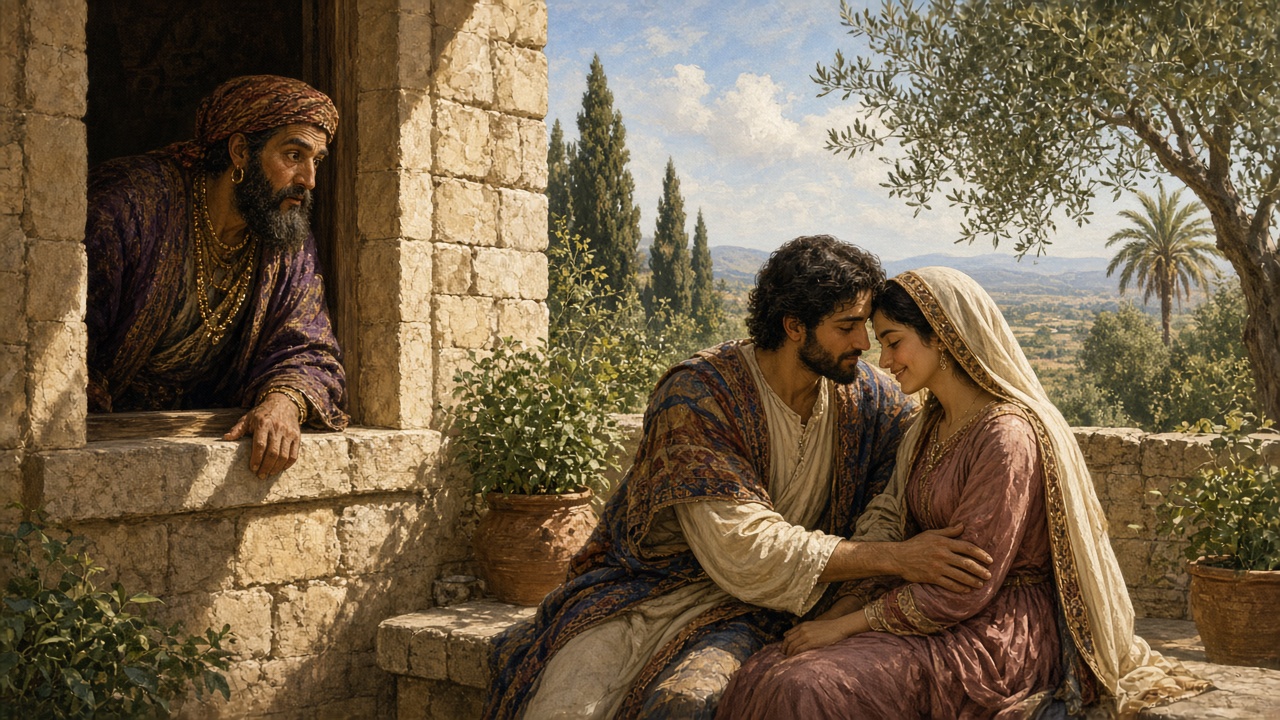
¿Sabías que…?
Isaac en Gerar
- Durante una hambruna, Isaac buscó refugio junto a Abimelec, rey de Gerar, una antigua ciudad y distrito en la frontera sur de Palestina. El Easton's Bible Dictionary (1897) señala que Isaac actuó con su esposa Rebeca de manera muy parecida a como su padre Abraham había actuado con Sara allí: dijo que ella era su hermana. Abimelec después lo reprendió, cuando se descubrió el engaño.Fuentes: Abimelech (King of Gerar) · Gerar · el propio texto bíblico
- Los nombres de los pozos en el valle de Gerar recuerdan las disputas por ellos. Esek significa “contienda”, porque los pastores de Gerar reclamaron el agua, y Sitna significa “conflicto”. Isaac también reabrió pozos que los siervos de su padre Abraham habían cavado y que los filisteos habían tapado, y les dio los mismos nombres que su padre les había dado.Fuentes: Esek · Sitnah · el propio texto bíblico
- Beerseba significa “pozo del juramento” o “pozo de los siete”. Según el Easton's Bible Dictionary (1897), Abraham cavó allí un pozo y le puso ese nombre tras un pacto con Abimelec, e Isaac le dio el mismo nombre al reabrirlo. El diccionario también identifica a Ficol —“grande”— como capitán jefe del ejército de Abimelec y dice que participó en la alianza de Abraham acerca de ese pozo.Fuentes: Beersheba · Phichol · el propio texto bíblico
Notas escritas con ayuda de IA a partir de fuentes abiertas (Theographic Bible Metadata, CC BY-SA 4.0; Easton’s Bible Dictionary, dominio público) y revisadas antes de publicarse.
Lugares de este capítulo
- Egypt · 30.129, 31.308 · versículo 2
- Valley of Gerar · Hoy: about 3 km around Tel Haror · 31.382, 34.606 · versículos 17, 19
Solo aparecen lugares identificados con alta confianza (90 % o más según las fuentes académicas reunidas por OpenBible). Mapa de la época: DARE (Digital Atlas of the Roman Empire), CC BY 4.0; mapa actual: © colaboradores de OpenStreetMap; lugares: OpenBible.info (CC BY 4.0).
Créditos y licencia de esta traducción
Buk Baibel long Anuki
Portions of the Holy Bible in the Anuki language of Papua New Guinea
Buk Baibel long tokples Anuki long Niugini
copyright © 2010-2016 Wycliffe Bible Translators, Inc.
Language: Anuki
Translation by: Wycliffe Bible Translators
This translation is made available to you under the terms of the
Creative Commons Attribution-Noncommercial-No Derivatives license 4.0.
You may share and redistribute this Bible translation or extracts from it in any format, provided that:
You include the above copyright and source information.
You do not sell this work for a profit.
You do not change any of the words or punctuation of the Scriptures.
Pictures included with Scriptures and other documents on this site are licensed just for use with those Scriptures and documents.
For other uses, please contact the respective copyright owners.
2014-06-02
Fuente: http://png.bible/aui/ · eBible.org