Salmos 16
Cishingini Agwara Kambari [asg] · Toca un versículo para ver sus referencias cruzadas.
Kuzuwa ka̱ɗu u Vuzavaguɗu
Vishipa vu Dawuda.
1Ere mu Ka̱shile,
adama a na avu ɗa ubuta̱ u kusheɗeku u va̱.
2Ɗa n danai Vuzavaguɗu,
<<Avu ɗa Vuzavaguɗu vu va̱,
ili i singai i na mi n i ɗa ra̱ka̱, wa̱ a̱ nu u ɗa yi uta̱i.>>
3Adama aza a ciɗa a iɗika ya,
ele ɗa i n tsugbayin,
ele ɗa a zuwai mu ma̱za̱nga̱.
4Aza a na a zagbai o tono a̱ma̱li o yoku,
o tsu ronoko ta̱ ka̱ci ka̱ le atakaci ka̱u.
Mi o kuɓolongu n e le,
a̱ ubuta̱ u kuyaꞋan ka alyuka ba.
Mi a kucikpa a̱ma̱li e le ba. 5Vuzavaguɗu avu ɗa ili i na mi n i ɗa koci,
avu ɗa vu nekei mu ili i na n cigai dem,
wuma u va̱ wi ta̱ ekiye a̱ nu. 6KuneꞋe ku na vu yaꞋankai mu,
ki ta̱ n ugain ka̱u,
mayun ku singai ku ɗa. 7N cikpa ta̱ Vuzavaguɗu, a na wi o kutono nu mpa,
n kayin kpamu ka̱ɗu ka̱ va̱ ke ci neke mu ta̱ kadanshi.
8N yeve ta̱ makyan dem Vuzavaguɗu wi ta̱ nu mpa.
Adama a na wi ta̱ e kukiye ku singai ku va̱,
mi a̱ kurikpa̱ ba. 9Adama a nannai ka̱ɗu ka̱ va̱ ki ta̱ m ma̱za̱nga̱,
wuma u va̱ kpamu wi ta̱ a̱ ma̱za̱nga̱,
ikyamba i va̱ feu yi ta̱ a kuyongo babu koyoku.
10Adama a na va̱ ku ka̱sukpa̱ mu,
n yongo a kasaun ba,
ko vu ka̱sukpa̱ vuza vu usuɓi u shama ba.
11Vi ta̱ a̱ ku yotsongu mu uye,
uye u na u kubana a̱ ubuta̱ u wuma,
kuyongo ku nu koɓolo nu mpa ili i ma̱za̱nga̱ i ɗa,
ida̱shi e kukiye ku usingai ku nu,
uyoꞋo u ɗa ko wannai.
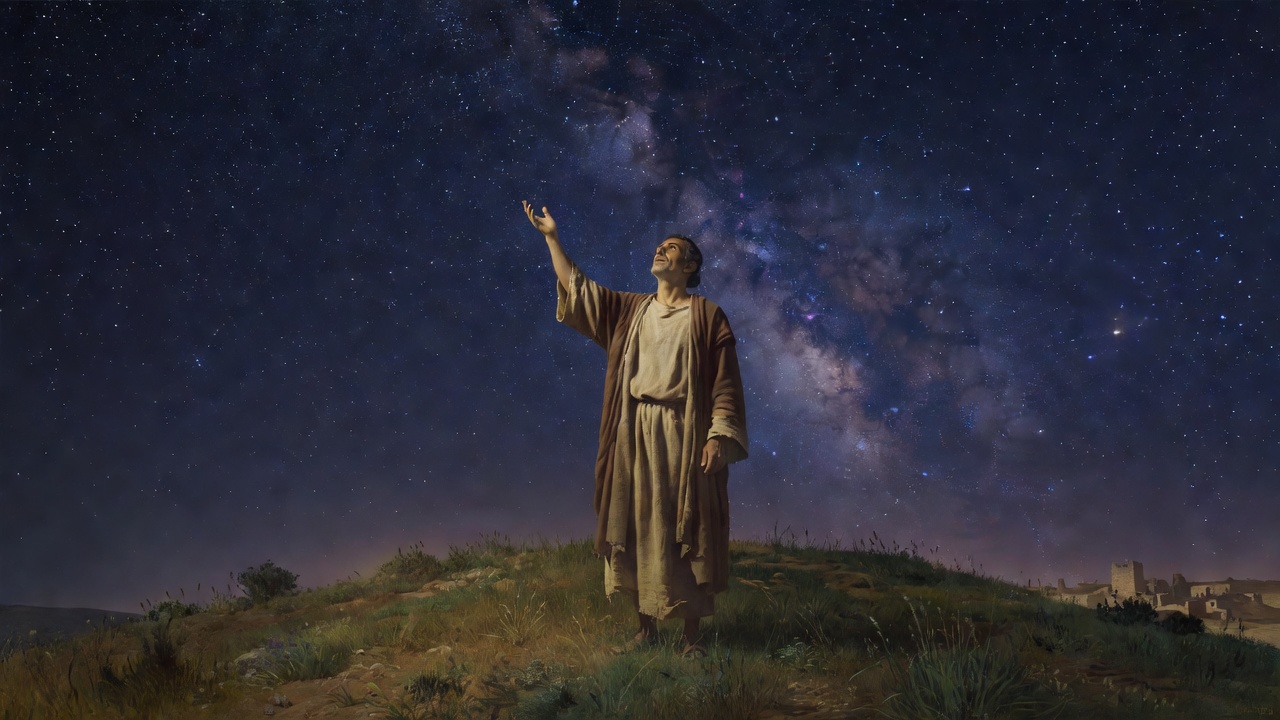
¿Sabías que…?
El Señor como Herencia y Refugio
- El salmista utiliza la imagen de cuerdas de medir y el reparto de tierras para describir a Dios como su herencia. Al declarar que los límites territoriales han caído en lugares agradables, el texto retrata la devoción al Señor mediante la metáfora de una propiedad segura y placentera.Fuentes: el propio texto bíblico
- El texto contrasta la lealtad a Dios con las prácticas de quienes van tras otras divinidades. El orante rechaza explícitamente participar en rituales con libaciones de sangre o incluso pronunciar los nombres de esos dioses.Fuentes: el propio texto bíblico
- El salmo concluye con una expresión de confianza ante la muerte, afirmando que Dios no abandonará el alma en el Seol ni permitirá que su siervo fiel sufra corrupción, sino que le mostrará la senda de la vida y el gozo de Su presencia.Fuentes: el propio texto bíblico
Notas escritas con ayuda de IA a partir de fuentes abiertas (Theographic Bible Metadata, CC BY-SA 4.0; Easton’s Bible Dictionary, dominio público) y revisadas antes de publicarse.
Créditos y licencia de esta traducción
Cishingini Agwara Kambari [asg]
Cishingini: Cishingini Agwara Kambari [asg] (Bible)
copyright © 2025 Language Development and Translation Initiative (LDTI)
Language: (Cishingini)
Contributor: The Seed Company
This translation is made available to you under the terms of the
Creative Commons Attribution Share-Alike license 4.0.
You have permission to share and redistribute this Bible translation in any format and to make reasonable revisions and adaptations of this translation, provided that:
You include the above copyright and source information.
If you make any changes to the text, you must indicate that you did so in a way that makes it clear that the original licensor is not necessarily endorsing your changes.
If you redistribute this text, you must distribute your contributions under the same license as the original.
Pictures included with Scriptures and other documents on this site are licensed just for use with those Scriptures and documents.
For other uses, please contact the respective copyright owners.
Note that in addition to the rules above, revising and adapting God's Word involves a great responsibility to be true to God's Word. See Revelation 22:18-19.
2025-07-09
Fuente: http://ebible.org/asg/ · eBible.org