Psalms 16
Cishingini Agwara Kambari [asg] · Tap a verse to see its cross-references.
Kuzuwa ka̱ɗu u Vuzavaguɗu
Vishipa vu Dawuda.
1Ere mu Ka̱shile,
adama a na avu ɗa ubuta̱ u kusheɗeku u va̱.
2Ɗa n danai Vuzavaguɗu,
<<Avu ɗa Vuzavaguɗu vu va̱,
ili i singai i na mi n i ɗa ra̱ka̱, wa̱ a̱ nu u ɗa yi uta̱i.>>
3Adama aza a ciɗa a iɗika ya,
ele ɗa i n tsugbayin,
ele ɗa a zuwai mu ma̱za̱nga̱.
4Aza a na a zagbai o tono a̱ma̱li o yoku,
o tsu ronoko ta̱ ka̱ci ka̱ le atakaci ka̱u.
Mi o kuɓolongu n e le,
a̱ ubuta̱ u kuyaꞋan ka alyuka ba.
Mi a kucikpa a̱ma̱li e le ba. 5Vuzavaguɗu avu ɗa ili i na mi n i ɗa koci,
avu ɗa vu nekei mu ili i na n cigai dem,
wuma u va̱ wi ta̱ ekiye a̱ nu. 6KuneꞋe ku na vu yaꞋankai mu,
ki ta̱ n ugain ka̱u,
mayun ku singai ku ɗa. 7N cikpa ta̱ Vuzavaguɗu, a na wi o kutono nu mpa,
n kayin kpamu ka̱ɗu ka̱ va̱ ke ci neke mu ta̱ kadanshi.
8N yeve ta̱ makyan dem Vuzavaguɗu wi ta̱ nu mpa.
Adama a na wi ta̱ e kukiye ku singai ku va̱,
mi a̱ kurikpa̱ ba. 9Adama a nannai ka̱ɗu ka̱ va̱ ki ta̱ m ma̱za̱nga̱,
wuma u va̱ kpamu wi ta̱ a̱ ma̱za̱nga̱,
ikyamba i va̱ feu yi ta̱ a kuyongo babu koyoku.
10Adama a na va̱ ku ka̱sukpa̱ mu,
n yongo a kasaun ba,
ko vu ka̱sukpa̱ vuza vu usuɓi u shama ba.
11Vi ta̱ a̱ ku yotsongu mu uye,
uye u na u kubana a̱ ubuta̱ u wuma,
kuyongo ku nu koɓolo nu mpa ili i ma̱za̱nga̱ i ɗa,
ida̱shi e kukiye ku usingai ku nu,
uyoꞋo u ɗa ko wannai.
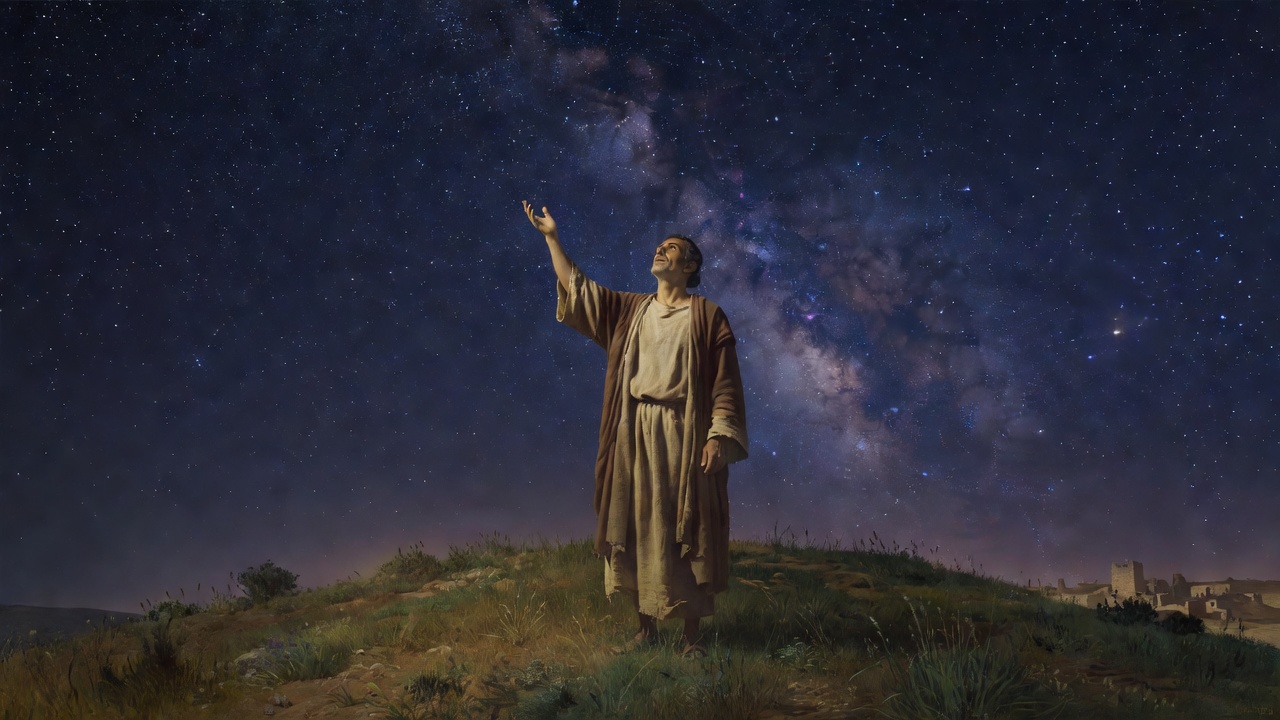
Did you know?
The Lord as Inheritance and Refuge
- The psalmist uses the imagery of measuring lines and land distribution to describe God as an inheritance. By stating that the boundary lines have fallen in pleasant places, the text portrays devotion to the Lord through the metaphor of a secure and delightful plot of land.Sources: the Bible text itself
- The text contrasts loyalty to God with the practices of those pursuing other deities. The speaker explicitly refuses to participate in foreign rituals involving libations of blood or even speak the names of those gods.Sources: the Bible text itself
- The psalm closes with confidence regarding mortality, affirming that God will not abandon the speaker's soul to Sheol or allow His devoted one to experience decay, but instead will show the path of life and joyful presence.Sources: the Bible text itself
Notes written with AI assistance from open sources (Theographic Bible Metadata, CC BY-SA 4.0; Easton’s Bible Dictionary, public domain) and reviewed before publishing.
Credits and license for this translation
Cishingini Agwara Kambari [asg]
Cishingini: Cishingini Agwara Kambari [asg] (Bible)
copyright © 2025 Language Development and Translation Initiative (LDTI)
Language: (Cishingini)
Contributor: The Seed Company
This translation is made available to you under the terms of the
Creative Commons Attribution Share-Alike license 4.0.
You have permission to share and redistribute this Bible translation in any format and to make reasonable revisions and adaptations of this translation, provided that:
You include the above copyright and source information.
If you make any changes to the text, you must indicate that you did so in a way that makes it clear that the original licensor is not necessarily endorsing your changes.
If you redistribute this text, you must distribute your contributions under the same license as the original.
Pictures included with Scriptures and other documents on this site are licensed just for use with those Scriptures and documents.
For other uses, please contact the respective copyright owners.
Note that in addition to the rules above, revising and adapting God's Word involves a great responsibility to be true to God's Word. See Revelation 22:18-19.
2025-07-09
Source: http://ebible.org/asg/ · eBible.org