Eclesiastés 3
Awajún [Aguaruna] · Toca un versículo para ver sus referencias cruzadas.

Acerca de este libro
Acerca de Eclesiastés
- Eclesiastés es la versión griega del hebreo Koheleth, que significa “Predicador”.Fuentes: Easton: Ecclesiastes
- La antigua y tradicional opinión atribuye el libro a Salomón, y el escritor se presenta implícitamente como Salomón (1:12). Otros lo fechan en el Cautiverio.Fuentes: Easton: Ecclesiastes
- Se le ha llamado “La confesión del rey Salomón”. Su nota central, en el capítulo 1, versículo 2, es: “¡Vanidad de vanidades!, dice el Predicador, ¡vanidad de vanidades!, todo es vanidad”. El Easton's Bible Dictionary (1897) explica esto en el sentido de que todos los esfuerzos humanos por hallar la felicidad aparte de Dios quedan sin resultado.Fuentes: Easton: Ecclesiastes
- El Easton's Bible Dictionary (1897) describe al escritor como un hombre que cedió al egoísmo y a la sensualidad, pagó la pena de ese pecado con saciedad y cansancio de la vida y, aun así, bajo la disciplina de una educación divina, aprendió la lección que Dios quería enseñarle. El escritor concluye que el secreto de una vida verdadera es que el hombre consagre a Dios el vigor de su juventud.Fuentes: Easton: Ecclesiastes
Notas escritas con ayuda de IA a partir de fuentes abiertas (Theographic Bible Metadata, CC BY-SA 4.0; Easton’s Bible Dictionary, dominio público) y revisadas antes de publicarse.
Ashí waji nagkaema nunak maki makichik tsawanji ajuinawai
1Juju nugkanum ashí waji aidau nagkaemaina duka tsawanji mamiktuamu ainawai:
2Tsawan jegawai akiinbau,
tuja jamu, ajak ajakmamu,
nunú ajakmamu nejekmatai juwaamu.
3Tsawan jegawai aents maamu,
tuja aents jakui tsuwamu,
yaakat tsayamu,
tuja yaakat tsaikbau ataktu yaaktabau jegawai.
4Tuja buuttinush tsawan jegawai,
tuja shiig aneaku dushiamush,
jakamunum buutku wake besemag pujamush,
tuja jiistamatnush tsawan jegawai.
5Tsawan jegawai kaya yajuaka utsamu,
kaya utsagbau yajuaka ijubau;
shiig anendaiku pagkuniamu,
tuja kanaamu.
6Tsawan jegawai kuichik juwamu,
tuja takatsuk wainka pujamu,
ii takasa jukimu anetamu,
tuja ii anettsamu utsamu.
7Tsawan jegawai jáanch ichiamu,
nunú ichigbau apigbau,
chichatsuk pujamu,
tuja tsawan jegawai chichaamu.
8Tsawan jegawai aneeniamu,
kajegdayamu, maaniamu,
maanitsuk agkan shiig pujamu.
9Aents senchi takak waitia dusha ¿waji pegkegna juwawa? 10Tuja Apajuí aents aidaunak takainak batsamsatnume tusa, kuashat takatan susauwa nuna anentaimsan ejemaijai. 11Tuja Apajuí juju nugkan najanauwa duwi nagkamas, aentsnak shiig pegkejan najanauwai. Dutika unuimatan susauwai, atakea duish wajig nagkaemajagtinaita nuna dekatnume tusa. Tujash dutikamaitak, aents aidauk Apajuí yama nagkamchak najankauwa nunak shiig dekamainchau dekapenawai.
12Nuadui wika dekajai dekas aentsuk eke iwaku puja duik, pegkejan takak shiig aneas pujumainai. 13Tuja ii yutai aidau yuwaku, umutai umag duka ii takasa jukimunmaya dutikaji, wagki Apajuí nunak amasu asamtai. 14Tuja nuigtushkam dekajai ashí Apajuí najankamu aina duka tuke asatna nunak:
Nii najankamua duka
nuwi ekekaik makichkish najanmaitsui,
tuja emegkautkesh emegkaumaitsui.
Nunak Apajuí dutikauwai,
wagki niina senchijin dekaatnume tau asa.
15Ashí yamai ayá duka yaunchuk aijakua nunuwai,
tuja atakea duwi agtina dushakam
yamai ayá nunuwai.
Tuja yaunchuk nagkaemajua nunak
Apajuí ataktu nunikti tusa tima ataktu wantinui.
Aents jakug nugka yukukuntu najaneawai.
16Juju nugkanmak apu aidauwap shiig takasagtatua
tusa eme anentamaitak,
ima pegkegchaunak takainak
aentsun waitkaina nuna
anentaimsan ejemaijai.
17Nuadui Apajuí aents aidaunak tsawan jegatna duwi pegkejan takasunash pegkegchaun takasujai mai apatuk dekajuatnai.
18Tuja nuigtushkam aentsu pujutjig kuntinu pujutijaig betekmamtina nuna Apajuí ditan dekamtikaun anentaimsan ejemaijai. 19Shiig anentaimsa diyamak, aents aidaush, tuja kuntin aidaush mayattaiji betek ajamu asag, tsawanji jakatin jegagmak betek jainawai. Wagki juju nugka juwi pujutak aajayai.
20Ashí iwaku aina duka betek jainawai.
Nunikag nugka yukukuntui najanamu asag,
nunisag ataktu nugka yukukuntu wajasagtinai.
21¿Ya tumainaita, aentsu wakanig yakí nayaimpinum weawai, nuniai untsu kuntinu wakani nugka initken akaewai tusash?
22Untsu jaka ajin inantamki, atakea duish wajig nagkaemakinta nuna iwaintugmamainuk makichkish atsawai. Nuadui ii takasa juwamua duwi ii wakegamu takaku shiig aneasa pujumainun anentaimsan ejemaijai, wagki iik nuni takas pujusti tibau ainaji.
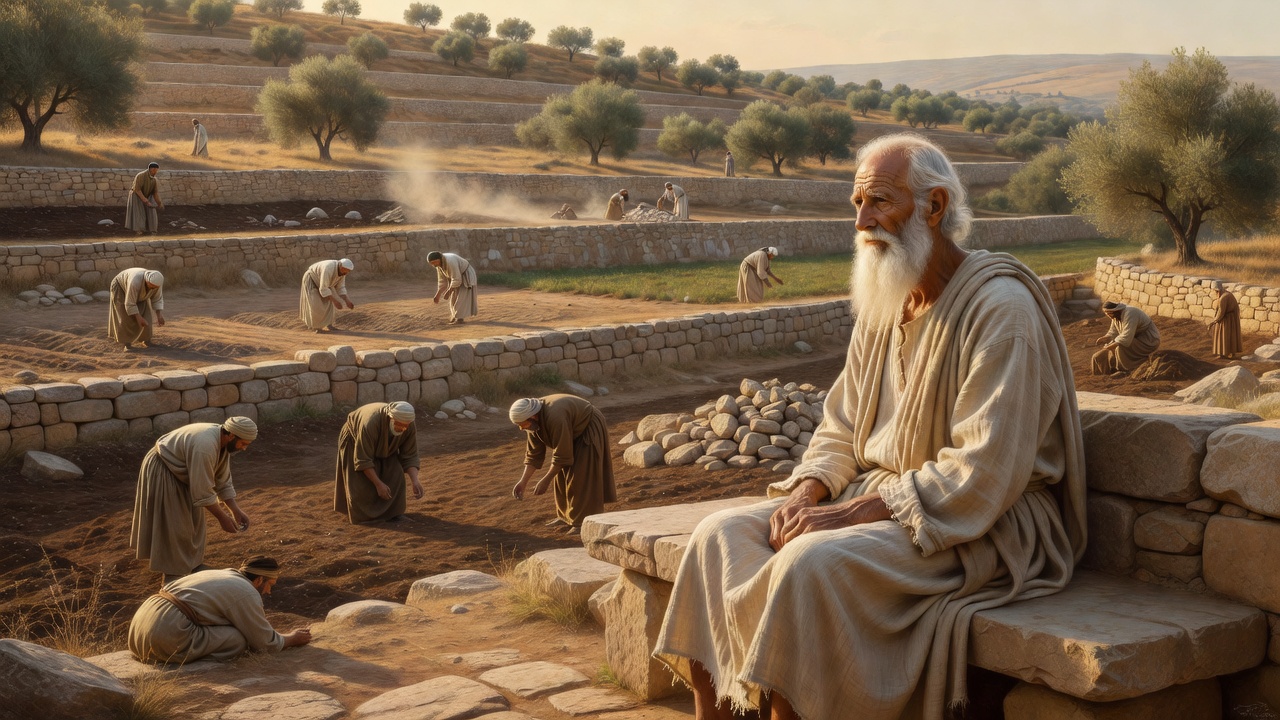
¿Sabías que…?
Un tiempo para cada ocasión
- El capítulo comienza con un célebre poema de catorce pares de opuestos, que abarcan desde nacer y morir, plantar y arrancar, hasta llorar y bailar, la guerra y la paz. Esta estructura literaria ilustra la totalidad de las experiencias humanas debajo del cielo.Fuentes: el propio texto bíblico
- El autor observa que Dios ha puesto la eternidad en el corazón humano, aunque los mortales no pueden comprender plenamente la obra que Dios hace de principio a fin.Fuentes: el propio texto bíblico
- Al reflexionar sobre la mortalidad, el texto señala que tanto las personas como los animales vuelven al polvo. Ante este destino físico compartido, el Maestro concluye que disfrutar del trabajo cotidiano, de la comida y de la bebida es un don de Dios.Fuentes: el propio texto bíblico
Notas escritas con ayuda de IA a partir de fuentes abiertas (Theographic Bible Metadata, CC BY-SA 4.0; Easton’s Bible Dictionary, dominio público) y revisadas antes de publicarse.
Créditos y licencia de esta traducción
Awajún [Aguaruna]
Aguaruna: Awajún [Aguaruna] (Bible)
copyright © 2020 Wycliffe Bible Translators, Inc.
Language: Aguaruna
Translation by: Wycliffe Bible Translators
Contributor: Wycliffe Bible Translators, Inc.
Aguaruna
agr
Peru
Copyright Information
© 2008, Wycliffe Bible Translators, Inc. All rights reserved.
This translation text is made available to you under the
terms of the Creative Commons License: Attribution-Noncommercial-No Derivative Works.
( http://creativecommons.org/licenses/by-nc-nd/3.0/ )
In addition, you have permission to port the text to different file formats, as long as you
do not change any of the text or punctuation of the Bible.
You may share, copy, distribute, transmit, and extract portions
or quotations from this work, provided that you include the above copyright
information:
You must give Attribution to the work.
You do not sell this work for a profit.
You do not make any derivative works that change any of the actual words or punctuation of the Scriptures.
Permissions beyond the scope of this license may be
available if you contact
us with your request.
The New Testament
in Aguaruna
This translation is made available to you under the terms of the
Creative Commons Attribution-Noncommercial-No Derivatives license 4.0.
You may share and redistribute this Bible translation or extracts from it in any format, provided that:
You include the above copyright and source information.
You do not sell this work for a profit.
You do not change any of the words or punctuation of the Scriptures.
Pictures included with Scriptures and other documents on this site are licensed just for use with those Scriptures and documents.
For other uses, please contact the respective copyright owners.
2025-04-26
Fuente: http://ebible.org/agr/ · eBible.org