Ecclesiastes 3
Awajún [Aguaruna] · Tap a verse to see its cross-references.

About this book
About Ecclesiastes
- Ecclesiastes is the Greek rendering of the Hebrew Koheleth, which means “Preacher.”Sources: Easton: Ecclesiastes
- The old and traditional view attributes the book to Solomon, and the writer represents himself implicitly as Solomon (1:12). Others date it from the Captivity.Sources: Easton: Ecclesiastes
- It has been styled “The Confession of King Solomon.” Its keynote, in chapter 1 verse 2, is “Vanity of vanities! saith the Preacher, Vanity of vanities! all is vanity!” Easton's Bible Dictionary (1897) explains this as meaning that all human efforts to find happiness apart from God are without result.Sources: Easton: Ecclesiastes
- Easton's Bible Dictionary (1897) describes the writer as a man who gave way to selfishness and sensuality, paid the penalty of that sin in satiety and weariness of life, and yet, under the discipline of a divine education, learned the lesson God meant to teach him. The writer concludes that the secret of a true life is that a man should consecrate the vigor of his youth to God.Sources: Easton: Ecclesiastes
Notes written with AI assistance from open sources (Theographic Bible Metadata, CC BY-SA 4.0; Easton’s Bible Dictionary, public domain) and reviewed before publishing.
Ashí waji nagkaema nunak maki makichik tsawanji ajuinawai
1Juju nugkanum ashí waji aidau nagkaemaina duka tsawanji mamiktuamu ainawai:
2Tsawan jegawai akiinbau,
tuja jamu, ajak ajakmamu,
nunú ajakmamu nejekmatai juwaamu.
3Tsawan jegawai aents maamu,
tuja aents jakui tsuwamu,
yaakat tsayamu,
tuja yaakat tsaikbau ataktu yaaktabau jegawai.
4Tuja buuttinush tsawan jegawai,
tuja shiig aneaku dushiamush,
jakamunum buutku wake besemag pujamush,
tuja jiistamatnush tsawan jegawai.
5Tsawan jegawai kaya yajuaka utsamu,
kaya utsagbau yajuaka ijubau;
shiig anendaiku pagkuniamu,
tuja kanaamu.
6Tsawan jegawai kuichik juwamu,
tuja takatsuk wainka pujamu,
ii takasa jukimu anetamu,
tuja ii anettsamu utsamu.
7Tsawan jegawai jáanch ichiamu,
nunú ichigbau apigbau,
chichatsuk pujamu,
tuja tsawan jegawai chichaamu.
8Tsawan jegawai aneeniamu,
kajegdayamu, maaniamu,
maanitsuk agkan shiig pujamu.
9Aents senchi takak waitia dusha ¿waji pegkegna juwawa? 10Tuja Apajuí aents aidaunak takainak batsamsatnume tusa, kuashat takatan susauwa nuna anentaimsan ejemaijai. 11Tuja Apajuí juju nugkan najanauwa duwi nagkamas, aentsnak shiig pegkejan najanauwai. Dutika unuimatan susauwai, atakea duish wajig nagkaemajagtinaita nuna dekatnume tusa. Tujash dutikamaitak, aents aidauk Apajuí yama nagkamchak najankauwa nunak shiig dekamainchau dekapenawai.
12Nuadui wika dekajai dekas aentsuk eke iwaku puja duik, pegkejan takak shiig aneas pujumainai. 13Tuja ii yutai aidau yuwaku, umutai umag duka ii takasa jukimunmaya dutikaji, wagki Apajuí nunak amasu asamtai. 14Tuja nuigtushkam dekajai ashí Apajuí najankamu aina duka tuke asatna nunak:
Nii najankamua duka
nuwi ekekaik makichkish najanmaitsui,
tuja emegkautkesh emegkaumaitsui.
Nunak Apajuí dutikauwai,
wagki niina senchijin dekaatnume tau asa.
15Ashí yamai ayá duka yaunchuk aijakua nunuwai,
tuja atakea duwi agtina dushakam
yamai ayá nunuwai.
Tuja yaunchuk nagkaemajua nunak
Apajuí ataktu nunikti tusa tima ataktu wantinui.
Aents jakug nugka yukukuntu najaneawai.
16Juju nugkanmak apu aidauwap shiig takasagtatua
tusa eme anentamaitak,
ima pegkegchaunak takainak
aentsun waitkaina nuna
anentaimsan ejemaijai.
17Nuadui Apajuí aents aidaunak tsawan jegatna duwi pegkejan takasunash pegkegchaun takasujai mai apatuk dekajuatnai.
18Tuja nuigtushkam aentsu pujutjig kuntinu pujutijaig betekmamtina nuna Apajuí ditan dekamtikaun anentaimsan ejemaijai. 19Shiig anentaimsa diyamak, aents aidaush, tuja kuntin aidaush mayattaiji betek ajamu asag, tsawanji jakatin jegagmak betek jainawai. Wagki juju nugka juwi pujutak aajayai.
20Ashí iwaku aina duka betek jainawai.
Nunikag nugka yukukuntui najanamu asag,
nunisag ataktu nugka yukukuntu wajasagtinai.
21¿Ya tumainaita, aentsu wakanig yakí nayaimpinum weawai, nuniai untsu kuntinu wakani nugka initken akaewai tusash?
22Untsu jaka ajin inantamki, atakea duish wajig nagkaemakinta nuna iwaintugmamainuk makichkish atsawai. Nuadui ii takasa juwamua duwi ii wakegamu takaku shiig aneasa pujumainun anentaimsan ejemaijai, wagki iik nuni takas pujusti tibau ainaji.
Did you know?
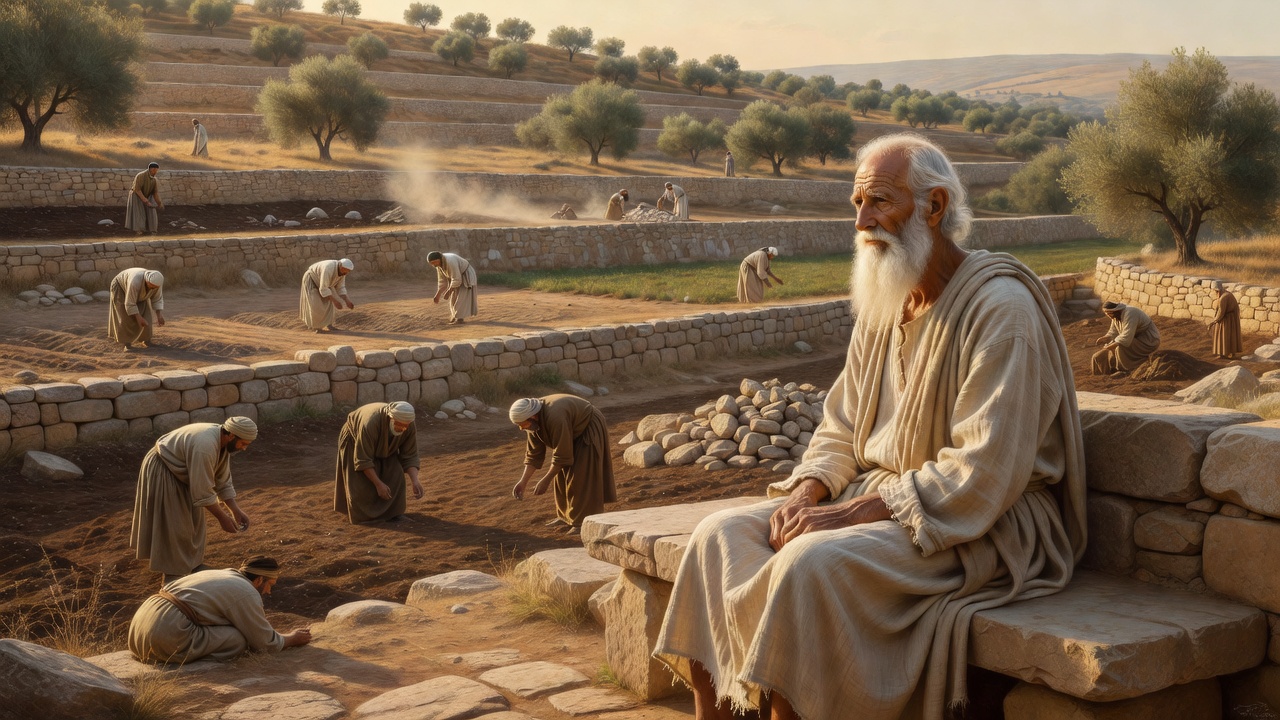
A Time for Every Season
- The chapter opens with a famous poem of fourteen pairs of contrasting opposites, spanning birth and death, planting and uprooting, mourning and dancing, and war and peace. This literary structure illustrates the complete spectrum of human experience appointed under heaven.Sources: the Bible text itself
- The author observes that God has placed eternity in the human heart, yet mortals remain unable to fully comprehend what God does from beginning to end.Sources: the Bible text itself
- Reflecting on mortality, the text notes that both humans and beasts return to the dust. In light of this shared physical fate, the Teacher concludes that enjoying one's daily labor, food, and drink is a gift from God.Sources: the Bible text itself
Notes written with AI assistance from open sources (Theographic Bible Metadata, CC BY-SA 4.0; Easton’s Bible Dictionary, public domain) and reviewed before publishing.
Credits and license for this translation
Awajún [Aguaruna]
Aguaruna: Awajún [Aguaruna] (Bible)
copyright © 2020 Wycliffe Bible Translators, Inc.
Language: Aguaruna
Translation by: Wycliffe Bible Translators
Contributor: Wycliffe Bible Translators, Inc.
Aguaruna
agr
Peru
Copyright Information
© 2008, Wycliffe Bible Translators, Inc. All rights reserved.
This translation text is made available to you under the
terms of the Creative Commons License: Attribution-Noncommercial-No Derivative Works.
( http://creativecommons.org/licenses/by-nc-nd/3.0/ )
In addition, you have permission to port the text to different file formats, as long as you
do not change any of the text or punctuation of the Bible.
You may share, copy, distribute, transmit, and extract portions
or quotations from this work, provided that you include the above copyright
information:
You must give Attribution to the work.
You do not sell this work for a profit.
You do not make any derivative works that change any of the actual words or punctuation of the Scriptures.
Permissions beyond the scope of this license may be
available if you contact
us with your request.
The New Testament
in Aguaruna
This translation is made available to you under the terms of the
Creative Commons Attribution-Noncommercial-No Derivatives license 4.0.
You may share and redistribute this Bible translation or extracts from it in any format, provided that:
You include the above copyright and source information.
You do not sell this work for a profit.
You do not change any of the words or punctuation of the Scriptures.
Pictures included with Scriptures and other documents on this site are licensed just for use with those Scriptures and documents.
For other uses, please contact the respective copyright owners.
2025-04-26
Source: http://ebible.org/agr/ · eBible.org