Hebreos 3
Godɨndɨ Hoafɨ · Toca un versículo para ver sus referencias cruzadas.
Sisas ai Mosesɨmbo ŋgasündirɨmboani
1Ranɨmbo-hündambo-anɨmbo sürühoeimbɨ wandafɨ mamɨ, sɨheimbo amboanɨ God ai wand-anei mehundür-anei. Awi se sapo Sisasɨmbo dɨboadondɨhi hohoanɨmondei. Ai Godɨndɨ hoafɨ semɨndɨ ho-randeimbɨ asu Godɨmbo sɨhai-randeimbɨ adükarɨ bogor-ani. Sɨhɨrɨ ahambo anɨhondümborɨhu mburɨhu wataporɨmborɨhu arɨhundɨ. 2God ai ahandɨ ratüpurɨmbo-hünda Sisas ahambo kafoarirɨ hɨnɨŋgɨmarir-ani. Ranani asu Sisas ai Godɨndɨ ratüpurɨ moanɨ ndore ratüpurɨyu-randeimbayu. Sapo Moses ai Godɨndɨ worɨmboyahi manɨboadei nendɨ-babɨdɨmbo moanɨ ndore ratüpurɨyu marandɨ nou-ani. 3Sisas aiana Mosesɨndɨ ndürɨ ranahambo ŋgasündeandeimb-ani, sapo nindou worɨ worɨmboarandɨ ranai ndürümbɨyuwuhɨ asu worɨmbomarandɨ worɨ ranai moan-ane. 4Awi sapo muŋguambo worɨ ra nindou mamɨ ai worɨmbondandanɨ anɨmbo fondarɨmboesɨ. Ŋga awi muŋguambo moatükunɨ ranamboanɨ God ai yaŋgɨr-anɨmbo nafɨramboani. 5Moses ai Godɨndɨ ratüpurɨyu-randeimbɨ nindouyu haya moanɨ ndore Godɨndɨ nendɨ muŋguambo ranaheimbo hɨfandɨmarandürɨ hu. Ramareandɨ rananɨmbo-anɨmbo asu God ai nɨnɨ-moatükunɨmboyu süŋgunambo wataporɨmboayu ranahambo nafuirandürɨ marandɨ. 6Ŋga Krais ranai-ani Godɨndɨ Nɨmorɨyu haya moanɨ ndore Godɨndɨ worɨ nahurai-mayei ranaheimbo hɨfandarandürɨ. Ŋga ŋgɨnɨndɨ nɨŋgo hohoanɨmo ranahambo kɨkɨhɨsafɨ-rɨhumɨndifühɨ hɨhɨfɨ-hɨhɨfɨyefühɨ Adükarɨ ranahambo hɨmboayefɨ ana, asu sɨhɨrɨ ahandɨ worɨ nahurai-ayefɨ.
Godɨndɨ nendɨ aheimbo harɨhefe nɨmarɨ hohoanɨmoane
7Ranɨmbo-hündambo-anɨmbo asu sɨhɨrɨ Yifiafɨ Aboedɨ hoafɨ-memunɨmbo türüboadɨ-humboane. Ai yare hoafɨyowohü yahoya,
“Asu haponda se Godɨndɨ yafambehündɨ hoafɨ hɨmborɨndeihɨ ana,
8se ŋgɨrɨ hɨmbo-sɨhɨmondɨhehindɨ,
sapo sɨhei amoao mamɨ horombo ai wosɨhoaforɨ hohoanɨmoyeihɨ
wandɨ hoafɨ mbahɨrɨhehi marɨhündɨ nou.
Nɨmɨ wohɨ furɨkoate-reandühɨ nɨmboei-ambe ai hɨmborɨ-koateyeihɨ
wambo moanɨ yarɨhi sɨsɨndɨrɨhi hoeimarɨ-hindɨrɨ.
9Ranɨhü ai nɨmboeimbo ro nɨne ŋgɨnɨndɨ moatükunɨ 40 hɨmbanɨmbo ratüpurɨmayahɨ muŋguambo ra hoeimarɨ-hindɨyosɨ.
Ŋga wambo sɨsɨndɨrɨ-hindɨrühɨ ai nüŋgu-nahurai-yuke masahündɨrɨ.
10Ranɨyahɨ asu ro nindou wandɨ ratüpurɨ hoeimarɨhindɨ
ranaheimbo ŋgɨnɨndɨ-rɨharühɨ hoafɨya-handürühɨ sahɨya,
‘Aiana muŋguambo si ra ro hohoanɨmoayahɨ süŋgurɨ-hindühɨ-yeipoanɨ,
ŋga ai wandɨ hoafɨyaheimbɨ ra yɨboaruko-rɨhindahanei,’ masahɨ.
11Ranɨmboyahɨ asu ro ŋgɨnɨndɨ-rɨhandürühɨ dabarɨ-yaheandühɨ sahɨya,
‘Nindou ranai sapo ro aheimbo harɨhefe nɨmarɨmbo hɨfɨ masahandürɨ ranambe ŋgɨrɨ ŋgei,’ masahɨ,” Buk Song 95:7-11
mehu.
12Wandafɨ mamɨ, se hɨbadɨhümbo. Ŋga sɨhei mbusümo nindou mamɨ ai ahandɨ ŋgusüfoambe hohoanɨmo moaruwai tükündɨfendowohü anɨhondümbofe-koatendeihɨ asu ai sapo God yaŋgɨrɨ koadürümbo nüŋguwembɨ-mayu ranahambo hɨnɨŋgɨndirɨ haya hohoanɨmo ranɨ süŋgundüfimbui. 13Ŋga sapo God ai si ranahambo hoafɨyuhü, ‘Hapo,’ mehu ra awi nɨŋgomboane. Ŋga rananɨmbo asu haponda ndefeambe se sɨheihoarɨ muŋguambo si aho ranɨfihɨ sɨmborɨ farɨhefiründei ŋgei. Ŋga hɨbadɨhümbo nindou mamɨ seambeahɨndɨ ai ahambo hohoanɨmo moaruwai tükündɨfendowohü tɨkai hoafɨndɨndoanɨ asu ai hoafɨ hɨmborɨkoate-ndühɨmbo mamɨkarɨ hohoanɨmondümbui. 14Sapo horombo bɨdɨfɨrɨ si hoanɨ Kraisɨmbo ŋgɨnɨndɨ anɨhondümbo-marɨhurɨ hefɨ nou yahurai hefɨ-hefɨmbo süŋgunambo bɨdɨfɨranɨ yɨfayefɨ ana, sɨhɨrɨ Kraisɨndɨ ŋgunindɨmbo-ndahumboyefɨ. 15Ŋga asu se ranɨ hoafɨ hɨmborɨmayei ra mɨtanɨndü-hümündimboyei, sapo ai yare hoafɨyowohü yahoya,
“Haponda se Godɨndɨ yafambehündɨ hoafɨ hɨmborɨndeihɨ ana,
se hɨmbo-sɨhomo-ndɨhehindɨ sapo horombo sɨhei amoao mamɨ ai Godɨndɨ hoafɨ hɨmborɨkoate-yeihɨ mbahɨmarɨ-hehindɨ nou,” Buk Song 95:7-8
meho.
16Nindou dɨdɨyei sapo Godɨndɨ yafambehündɨ hoafɨ hɨmborɨyei hehi asu ranɨ-moatükunɨ ranahambo süŋgufekoate mbahɨmarɨ-hehinda? Nindou muŋgu ranai ana sapo Moses ai Isip hɨfambeahɨndɨ semündündürɨ mahu ranɨ-yei ramehindɨ. 17Nindou daboe God ai 40 hɨmbanɨmbo ŋgɨnɨndɨmararü hu-a? Ai ramefiyu ana nindou sapo moaruwai hohoanɨmoyei hei asu ai nɨmɨ wohɨ furɨkoate-reandühɨ yɨfɨsafɨmayei ranaheimboyu ŋgɨnɨndɨmarandürɨ. 18Asu nindou daboe God ai dabarɨfihɨ horombo hoafɨ hoafɨyuhüya,
“Ai ŋgɨrɨ ro aheimbo harɨhefe nɨmarɨmbo hɨfɨ masahandürɨ ranambe ŋgei,”
mehu-a? Sapo nindou ahandɨ hoafɨ yɨboaruko-rɨhindühɨ mbahɨmarɨ-hehindɨ ranaheimboyu yare hoafɨmayundürɨ. 19Ranɨmbo-anɨmbo awi sɨhɨrɨ hoeindɨhumboane. Sapo ai Godɨndɨ hoafɨ anɨhondümbofe-koatemayei ranɨmbo-hündambo wambo-anɨmbo asu ai ŋgɨrɨ harɨhefe nɨmarɨmbo hɨfɨ God hɨnɨŋgɨmareandɨ ranambe ŋgei.
¿Sabías que…?
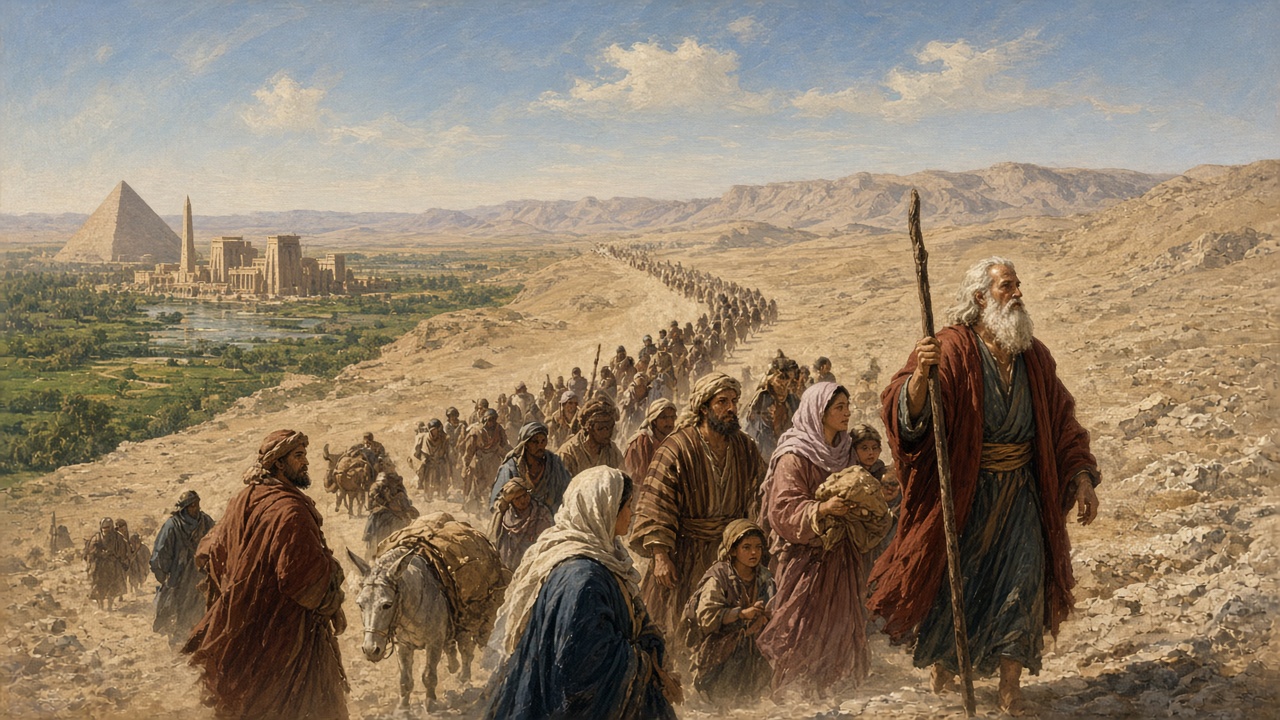
Mayor gloria que Moisés
- Hebreos pide a sus lectores que fijen la atención en Jesús, el apóstol y sumo sacerdote que confiesan. Fue fiel a quien lo designó, así como Moisés fue fiel en toda la casa de Dios, pero Jesús es considerado digno de mayor gloria que Moisés, como el constructor de una casa tiene más honra que la casa misma. Moisés fue fiel como siervo; Cristo es fiel como Hijo sobre la casa de Dios.Fuentes: el propio texto bíblico
- La advertencia se vuelve hacia el pueblo que Moisés sacó de Egipto. Durante cuarenta años en el desierto pusieron a Dios a prueba; Dios estuvo enojado con aquella generación y juró que nunca entrarían en su descanso, y sus cuerpos cayeron en el desierto. El capítulo dice que la incredulidad les impidió entrar.Fuentes: el propio texto bíblico
- Egipto, la tierra que dejaron con Moisés, es la tierra del Nilo y de las pirámides. El diccionario bíblico de Easton (1897) explica el nombre Moisés como sacado, o lo vincula con la palabra egipcia mesu, que significa hijo.Fuentes: el propio texto bíblico · Egypt · Moses
Notas escritas con ayuda de IA a partir de fuentes abiertas (Theographic Bible Metadata, CC BY-SA 4.0; Easton’s Bible Dictionary, dominio público) y revisadas antes de publicarse.
Lugares de este capítulo
- Egypt · 30.129, 31.308 · versículo 16
Solo aparecen lugares identificados con alta confianza (90 % o más según las fuentes académicas reunidas por OpenBible). Mapa de la época: DARE (Digital Atlas of the Roman Empire), CC BY 4.0; mapa actual: © colaboradores de OpenStreetMap; lugares: OpenBible.info (CC BY 4.0).
Créditos y licencia de esta traducción
Godɨndɨ Hoafɨ
The New Testament in the Angor language of Papua New Guinea
Nupela Testamen long tokples Angor long Niugini
Copyright © 2001 The Bible Society of Papua New Guinea
Language: Angor
Contributor: Wycliffe Bible Translators
This translation is made available to you under the terms of the
Creative Commons Attribution-Noncommercial-No Derivatives license 4.0.
You may share and redistribute this Bible translation or extracts from it in any format, provided that:
You include the above copyright and source information.
You do not sell this work for a profit.
You do not change any of the words or punctuation of the Scriptures.
Pictures included with Scriptures and other documents on this site are licensed just for use with those Scriptures and documents.
For other uses, please contact the respective copyright owners.
2013-01-07
Fuente: http://png.bible/agg/ · eBible.org