Hebrews 3
Godɨndɨ Hoafɨ · Tap a verse to see its cross-references.
Sisas ai Mosesɨmbo ŋgasündirɨmboani
1Ranɨmbo-hündambo-anɨmbo sürühoeimbɨ wandafɨ mamɨ, sɨheimbo amboanɨ God ai wand-anei mehundür-anei. Awi se sapo Sisasɨmbo dɨboadondɨhi hohoanɨmondei. Ai Godɨndɨ hoafɨ semɨndɨ ho-randeimbɨ asu Godɨmbo sɨhai-randeimbɨ adükarɨ bogor-ani. Sɨhɨrɨ ahambo anɨhondümborɨhu mburɨhu wataporɨmborɨhu arɨhundɨ. 2God ai ahandɨ ratüpurɨmbo-hünda Sisas ahambo kafoarirɨ hɨnɨŋgɨmarir-ani. Ranani asu Sisas ai Godɨndɨ ratüpurɨ moanɨ ndore ratüpurɨyu-randeimbayu. Sapo Moses ai Godɨndɨ worɨmboyahi manɨboadei nendɨ-babɨdɨmbo moanɨ ndore ratüpurɨyu marandɨ nou-ani. 3Sisas aiana Mosesɨndɨ ndürɨ ranahambo ŋgasündeandeimb-ani, sapo nindou worɨ worɨmboarandɨ ranai ndürümbɨyuwuhɨ asu worɨmbomarandɨ worɨ ranai moan-ane. 4Awi sapo muŋguambo worɨ ra nindou mamɨ ai worɨmbondandanɨ anɨmbo fondarɨmboesɨ. Ŋga awi muŋguambo moatükunɨ ranamboanɨ God ai yaŋgɨr-anɨmbo nafɨramboani. 5Moses ai Godɨndɨ ratüpurɨyu-randeimbɨ nindouyu haya moanɨ ndore Godɨndɨ nendɨ muŋguambo ranaheimbo hɨfandɨmarandürɨ hu. Ramareandɨ rananɨmbo-anɨmbo asu God ai nɨnɨ-moatükunɨmboyu süŋgunambo wataporɨmboayu ranahambo nafuirandürɨ marandɨ. 6Ŋga Krais ranai-ani Godɨndɨ Nɨmorɨyu haya moanɨ ndore Godɨndɨ worɨ nahurai-mayei ranaheimbo hɨfandarandürɨ. Ŋga ŋgɨnɨndɨ nɨŋgo hohoanɨmo ranahambo kɨkɨhɨsafɨ-rɨhumɨndifühɨ hɨhɨfɨ-hɨhɨfɨyefühɨ Adükarɨ ranahambo hɨmboayefɨ ana, asu sɨhɨrɨ ahandɨ worɨ nahurai-ayefɨ.
Godɨndɨ nendɨ aheimbo harɨhefe nɨmarɨ hohoanɨmoane
7Ranɨmbo-hündambo-anɨmbo asu sɨhɨrɨ Yifiafɨ Aboedɨ hoafɨ-memunɨmbo türüboadɨ-humboane. Ai yare hoafɨyowohü yahoya,
“Asu haponda se Godɨndɨ yafambehündɨ hoafɨ hɨmborɨndeihɨ ana,
8se ŋgɨrɨ hɨmbo-sɨhɨmondɨhehindɨ,
sapo sɨhei amoao mamɨ horombo ai wosɨhoaforɨ hohoanɨmoyeihɨ
wandɨ hoafɨ mbahɨrɨhehi marɨhündɨ nou.
Nɨmɨ wohɨ furɨkoate-reandühɨ nɨmboei-ambe ai hɨmborɨ-koateyeihɨ
wambo moanɨ yarɨhi sɨsɨndɨrɨhi hoeimarɨ-hindɨrɨ.
9Ranɨhü ai nɨmboeimbo ro nɨne ŋgɨnɨndɨ moatükunɨ 40 hɨmbanɨmbo ratüpurɨmayahɨ muŋguambo ra hoeimarɨ-hindɨyosɨ.
Ŋga wambo sɨsɨndɨrɨ-hindɨrühɨ ai nüŋgu-nahurai-yuke masahündɨrɨ.
10Ranɨyahɨ asu ro nindou wandɨ ratüpurɨ hoeimarɨhindɨ
ranaheimbo ŋgɨnɨndɨ-rɨharühɨ hoafɨya-handürühɨ sahɨya,
‘Aiana muŋguambo si ra ro hohoanɨmoayahɨ süŋgurɨ-hindühɨ-yeipoanɨ,
ŋga ai wandɨ hoafɨyaheimbɨ ra yɨboaruko-rɨhindahanei,’ masahɨ.
11Ranɨmboyahɨ asu ro ŋgɨnɨndɨ-rɨhandürühɨ dabarɨ-yaheandühɨ sahɨya,
‘Nindou ranai sapo ro aheimbo harɨhefe nɨmarɨmbo hɨfɨ masahandürɨ ranambe ŋgɨrɨ ŋgei,’ masahɨ,” Buk Song 95:7-11
mehu.
12Wandafɨ mamɨ, se hɨbadɨhümbo. Ŋga sɨhei mbusümo nindou mamɨ ai ahandɨ ŋgusüfoambe hohoanɨmo moaruwai tükündɨfendowohü anɨhondümbofe-koatendeihɨ asu ai sapo God yaŋgɨrɨ koadürümbo nüŋguwembɨ-mayu ranahambo hɨnɨŋgɨndirɨ haya hohoanɨmo ranɨ süŋgundüfimbui. 13Ŋga sapo God ai si ranahambo hoafɨyuhü, ‘Hapo,’ mehu ra awi nɨŋgomboane. Ŋga rananɨmbo asu haponda ndefeambe se sɨheihoarɨ muŋguambo si aho ranɨfihɨ sɨmborɨ farɨhefiründei ŋgei. Ŋga hɨbadɨhümbo nindou mamɨ seambeahɨndɨ ai ahambo hohoanɨmo moaruwai tükündɨfendowohü tɨkai hoafɨndɨndoanɨ asu ai hoafɨ hɨmborɨkoate-ndühɨmbo mamɨkarɨ hohoanɨmondümbui. 14Sapo horombo bɨdɨfɨrɨ si hoanɨ Kraisɨmbo ŋgɨnɨndɨ anɨhondümbo-marɨhurɨ hefɨ nou yahurai hefɨ-hefɨmbo süŋgunambo bɨdɨfɨranɨ yɨfayefɨ ana, sɨhɨrɨ Kraisɨndɨ ŋgunindɨmbo-ndahumboyefɨ. 15Ŋga asu se ranɨ hoafɨ hɨmborɨmayei ra mɨtanɨndü-hümündimboyei, sapo ai yare hoafɨyowohü yahoya,
“Haponda se Godɨndɨ yafambehündɨ hoafɨ hɨmborɨndeihɨ ana,
se hɨmbo-sɨhomo-ndɨhehindɨ sapo horombo sɨhei amoao mamɨ ai Godɨndɨ hoafɨ hɨmborɨkoate-yeihɨ mbahɨmarɨ-hehindɨ nou,” Buk Song 95:7-8
meho.
16Nindou dɨdɨyei sapo Godɨndɨ yafambehündɨ hoafɨ hɨmborɨyei hehi asu ranɨ-moatükunɨ ranahambo süŋgufekoate mbahɨmarɨ-hehinda? Nindou muŋgu ranai ana sapo Moses ai Isip hɨfambeahɨndɨ semündündürɨ mahu ranɨ-yei ramehindɨ. 17Nindou daboe God ai 40 hɨmbanɨmbo ŋgɨnɨndɨmararü hu-a? Ai ramefiyu ana nindou sapo moaruwai hohoanɨmoyei hei asu ai nɨmɨ wohɨ furɨkoate-reandühɨ yɨfɨsafɨmayei ranaheimboyu ŋgɨnɨndɨmarandürɨ. 18Asu nindou daboe God ai dabarɨfihɨ horombo hoafɨ hoafɨyuhüya,
“Ai ŋgɨrɨ ro aheimbo harɨhefe nɨmarɨmbo hɨfɨ masahandürɨ ranambe ŋgei,”
mehu-a? Sapo nindou ahandɨ hoafɨ yɨboaruko-rɨhindühɨ mbahɨmarɨ-hehindɨ ranaheimboyu yare hoafɨmayundürɨ. 19Ranɨmbo-anɨmbo awi sɨhɨrɨ hoeindɨhumboane. Sapo ai Godɨndɨ hoafɨ anɨhondümbofe-koatemayei ranɨmbo-hündambo wambo-anɨmbo asu ai ŋgɨrɨ harɨhefe nɨmarɨmbo hɨfɨ God hɨnɨŋgɨmareandɨ ranambe ŋgei.
Did you know?
Greater Glory Than Moses
- Hebrews asks its readers to fix their attention on Jesus, the apostle and high priest they confess. He was faithful to the one who appointed him, just as Moses was faithful in all God's house, but Jesus is counted worthy of greater glory than Moses, as the builder of a house has greater honor than the house. Moses was faithful as a servant; Christ is faithful as the Son over God's house.Sources: the Bible text itself
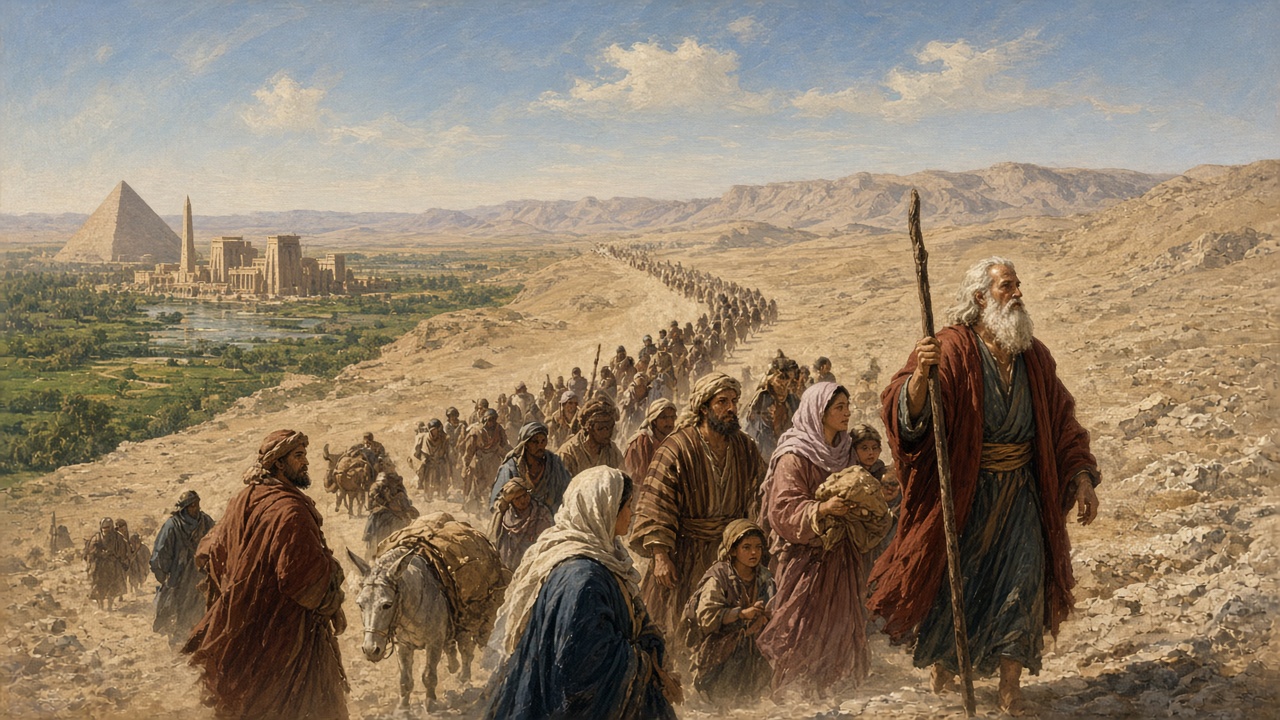
- The warning looks back to the people Moses led out of Egypt. For forty years in the wilderness they tested God, who was angry with that generation and swore they would never enter his rest; their bodies fell in the wilderness. The chapter says that unbelief kept them from entering.Sources: the Bible text itself
- Egypt, the land they left with Moses, is the land of the Nile and the pyramids. Easton's Bible Dictionary (1897) explains the name Moses as Drawn, or links it with the Egyptian word mesu, meaning son.Sources: the Bible text itself · Egypt · Moses
Notes written with AI assistance from open sources (Theographic Bible Metadata, CC BY-SA 4.0; Easton’s Bible Dictionary, public domain) and reviewed before publishing.
Places in this chapter
- Egypt · 30.129, 31.308 · verse 16
Only places identified with high confidence are shown (90% or more according to the scholarly sources compiled by OpenBible). Period map: DARE (Digital Atlas of the Roman Empire), CC BY 4.0; modern map: © OpenStreetMap contributors; places: OpenBible.info (CC BY 4.0).
Credits and license for this translation
Godɨndɨ Hoafɨ
The New Testament in the Angor language of Papua New Guinea
Nupela Testamen long tokples Angor long Niugini
Copyright © 2001 The Bible Society of Papua New Guinea
Language: Angor
Contributor: Wycliffe Bible Translators
This translation is made available to you under the terms of the
Creative Commons Attribution-Noncommercial-No Derivatives license 4.0.
You may share and redistribute this Bible translation or extracts from it in any format, provided that:
You include the above copyright and source information.
You do not sell this work for a profit.
You do not change any of the words or punctuation of the Scriptures.
Pictures included with Scriptures and other documents on this site are licensed just for use with those Scriptures and documents.
For other uses, please contact the respective copyright owners.
2013-01-07
Source: http://png.bible/agg/ · eBible.org