Mateo 10
I 'utz laj tzij re i dios · Toca un versículo para ver sus referencias cruzadas.
I cablajuj apostelab
1Teʼuri i Jesus xe u siqʼuij i cablajuj tijoxelab ruʼ y xu ya piquiʼab que tiqui chi relsaxic itzel laj tak tew, xak que tiqui chi rutzirsaxic bi chi cʼaxil, bi chi yobil.
2Are i qui bi i cablajuj tijoxelab are iri: nabe, are i ma Simon chi xak quiqui bij “ma Pédro” che; teʼuri i u chaʼ, u bi ma Andres; teʼuri, je queb u cʼojol i mam Zebedéo: i ma Jacóbo, chilam i u chaʼ chi ma Wan; 3teʼuri i ma Felípe, xak i ma Bartolome; teʼuri i ma Tomas, xak i ma Matéo chi aj tzʼonol alcawal; teʼuri i ma Jacóbo chi u cʼojol i mam Alféo; i ma Lebéo chi xak ma Tadéo quiqui bij che; 4teʼuri i jun chic ma Simon, are i jun chi re i partído cananísta; teʼuri i ma Júdas Iscarióte chi xoʼon panok xcʼayiw i Jesus.
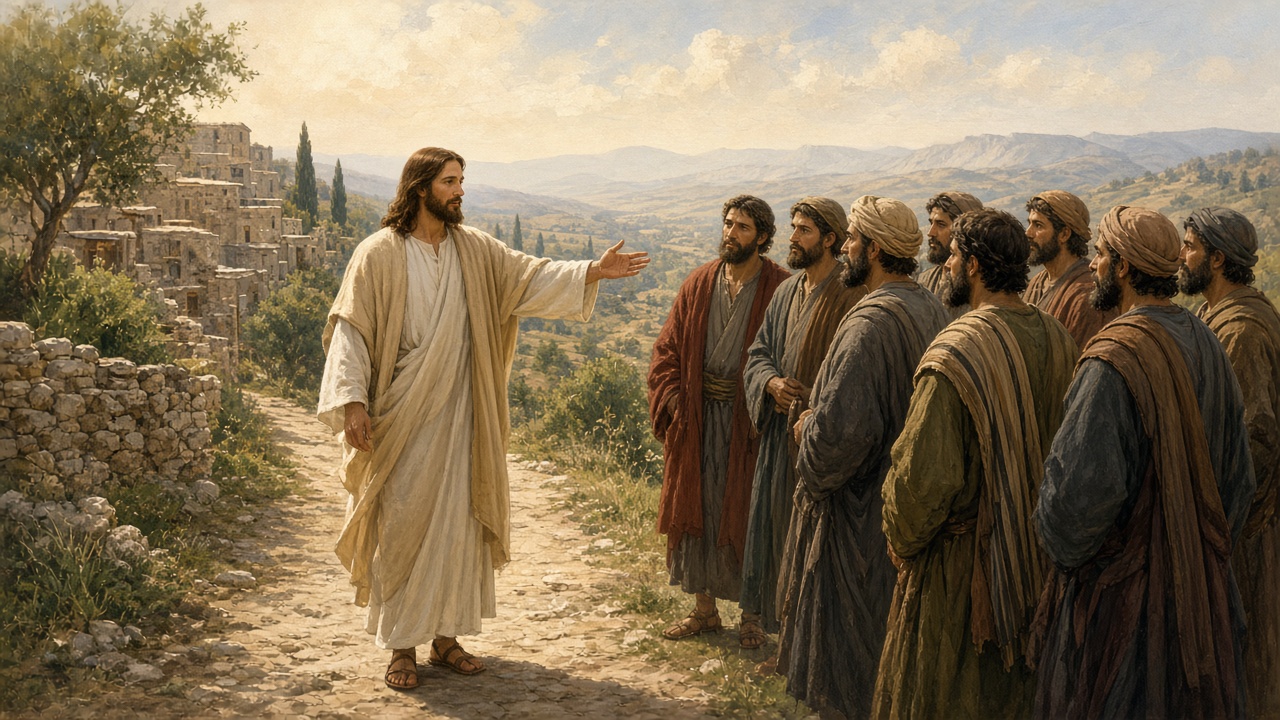
I Jesus xe u tak bi i rapostelab chu bixquil u tzij i Dios
5I cablajuj-le, Jesus xe u tak bic, y xu bij bi chique:
—Are que i solij i tinimit, mix ʼe pa i je jekel wi i ne te aj Israel winak; xak mix oc pa tak tinimit re i Samária. 6Xui cuʼ i aj Israel winak quix ʼe wi; je pacha juban chij, xa je sachnak. 7Are quix ʼec, chi paxsaj u tzijol i ʼatbal tzij aj chicaj; chi bij chique chi ya ca jekanic. 8Che iwutzirsaj iwabib; che i walijsaj i je camnak; chiwesaj i cʼax chique niʼpa ʼo i yobil lépra chique; xak che iwesaj bi itzel tew chique i winak. Queje ile chi ʼana na. Lic sipam chiwe niʼpa quix tiqui yix chu ʼonquil, ni loʼom taj. Xak mi tzʼonoj i rajil, we xi ʼan i pawor chique i winak.
9Are quix ʼec, n-ti mer nimak rajil qui cʼam bic, xak mi ne chʼutik rajil. 10Xak mi cʼam bi i teb, xak mi ne jun chic i camix, xak mi ne jumolaj chic i xajab, xak mi ne i chʼamiy. Mi cʼam bi tak ile, man jun ajchac ʼo re che, wach i cajwax che; i winak quiqui ya na chiwe wach rajwaxic chiwe. 11Yix, are quix upon che jun tinimit, are quix upon che jun aldéa, chi tzucuj jun winak chi quix u cʼulaj che rachoch; chix jekel chila, cʼa te qui canaj canok are quix el chila. 12Are quix oc ruʼ ja, chi tzʼonoj che i Dios cu ya i uxlambal qui cʼux. 13I winak chi rajaw ja, we ʼutz i cʼulaxic xqui ʼan chiwe, ca qʼuiji i ʼutz-le piquiwi. We n-ʼus ta i cʼulaxic xqui ʼano, mi tzʼonoj i ʼutz re i Dios piquiwi are quix el ruʼ ja. 14Ique-le, we n-xix qui cʼulaj taj, xak n-cacaj ti u tayic i tzij chi qui bij chique, chix el ʼuri chila. Are quix el che i ja-le, o we xak che i tinimit-le, chi pu can i ulew che iwakan (cʼutbal-re chique chi cʼo qui mac chiquij). 15Katzij i quin bij chiwe: pa qʼuisbal ʼij, are ca ʼat tzij piquiwi tak i tinimit, mas nim na i tojpen ca pe piquiwi i tinimit-le chuwach ile chi xpe piquiwi i queb tinimit Sodóma y Gomórra ujer.
Ca pe chʼoʼoj chiquij i je re i Crísto
16Chitapeʼ, yin quix in tak bi chiquixol i je aj chʼoʼoj chiwij; ix pacha chij ʼuri chiquixol i utiw. Chi ʼana cwent che iwib, pacha coʼon jun cumatz, n-cu ya ta rib che i jun. Xui-ri, chi ʼana che iwib pacha quiqui ʼan i palomax, lic n-ta jun mal quiqui ʼan che jun chic. 17Chi ʼana cwent, man ʼo ni winak quix qui jach na piquiʼab i ʼatbal tzij, xak quiqui jic i loʼxic pa tak molbalʼib. 18Xak quix qui cʼam bi chiquiwach i gobernador, xak chiquiwach i nimak tak ʼatol tzij xa wumal yin. Xui-ri, queje ile quin i lap na chiquiwach ique, xak chiquiwach i ne te aj Israel. 19Are quix jach na piquiʼab i ʼatbal tzij, mix cʼachir chu chʼobic wach i qui bij chique, xak mix cʼachir chu chʼobic wach u bixquil qui bij na. Are cu rik i ʼor-le, Dios cu bij na chiwe wach i qui bij chiquiwach. 20Man yix, are quix chʼawic, n-are ti yix quix chʼawic, are u Tewal i Ta chicaj ca chʼaw chique.
21Quiwil na, ʼo i winak que qui jach ni catz qui chaʼ piquiʼab i je aj chʼoʼoj chiquij, camsabal na que; xak je ʼo ni kajawxel queje quiqui ʼan cuʼ i cacʼal. Xak queje i acʼalab, quiqui ʼan che quib je aj chʼoʼoj chiquij i qui kajaw i qui chuch, que qui jach na chique i que camsawic. 22Conojel i winak tzel quix quil na xa wumal yin: xui-ri pachin i cu chʼijo cʼa pa qʼuisbal ie, que ʼelsax na ʼuri pa cʼax. 23We ix ʼo che jun tinimit y quiqui ʼan chʼoʼoj chiwij, chix ʼanmajok; jix chic che jun tinimit. Katzij i quin bij chiwe, i Achi aj Chicaj ca cʼun na, are maja quix tzalij li che i qui solixic ronojel tak i tinimit pa Israel.
24(Qui tij ni cʼax cumal, pacha quiqui ʼan chwe yin.) Jun tijoxel, na nim ti u ʼij chuwach u ʼij u mayes; xak queje jun ajchac, na nim ti u ʼij chuwach u ʼij u patron. 25Jun tijoxel, ca majaw che chi ca quicot ruʼ, we queʼel na che pacha oʼonom u tijonel; xak queje jun ajchac, ca majaw che chi ca quicot ruʼ we queʼel na che pacha oʼonom u patron. Jun rajaw ja, we quiqui bij ni winak chi ire itzel, xak jun ʼuri quiqui bij na ique chiquij i ralcʼwal. (We queje xqui bij ile chwe yin, xak queje quiqui bij na ʼuri chiwe yix.)
Mi xij iwib chique i winak; are, chi xija iwib che i Dios
26Rumal-i, mi xij iwib chique i winak, wach quiqui ʼan chiwe. (Chi ʼana co che i cʼux chu bixquil in tzij chique.) Niʼpa i n-ʼalijinsam taj, ca ʼalijinsax na; niʼpa i uwam u wach, ca ʼiltaj ni u wach. 27Niʼpa i quin bij chiwe chaʼab, chi paxsaj yix pa ʼij; niʼpa i quin bij chiwe aliʼal, chix siqʼuin chu bixquil chique i winak puwi tak ja. 28Mi xij iwib chique i que tiqui chu camsaxic i chʼacul, xui-ri i iwanima n-que tiqui ta che. Are, chi xija iwib che i Jun, chi ʼo puʼab cu sachsaj u wach i chʼacul xak i iwanima pa ʼaʼ. (Xui i Dios ʼo puʼab cu ʼan ile.)
29Yix, i Dios lic quix rilo. Iwetaʼam chi are qui loʼ queb tzʼiquin xa jun centávo i cajil. N-ta kas cajil chiwach yix. Xui-ri, i Dios lic que u rilo; mi jun chique ca tzak li pulew we i Kajaw yix chicaj n-cu ya ta che. 30Xak queje yix, i Dios lic quix rilo. Ire xak retaʼam neri niʼpa i wi ʼo che i jolom chi jujunal. 31Mi xij iwib ʼuri; yix ʼut, mas ʼo ni ʼij chiquiwach uqʼuial tzʼiquin.
ʼO u chac caka bij na chique i winak we oj re i Crísto
32Conojel niʼpa i quiqui bij chiquiwach i winak chi ique qui yom qui wach wuʼ, xak queje yin ʼuri, quin bij na che in Kajaw chicaj chi je we yin. 33Xak niʼpa i quiqui bij chiquiwach i winak chi n-qui yom ti qui wach wuʼ, xak queje yin ʼuri, quin bij na che in Kajaw chicaj chi ne te we yin.
I u cʼutic i sak laj tzij xa cu petsaj i chʼoʼoj
34Mi chʼob yix chi in cʼun-nak xa que in chomarsaj ni winak chuwach i jyub taʼaj. N-rumal ta ile in cʼun-nak; in cʼun-nak chu petsaxic chʼoʼoj chiquixol i winak. 35Rumal in cʼunbal, quiqui ʼan ni chʼoʼoj jun achi ruʼ u kajaw, jun ali ruʼ u chuch, jun alibaxel ruʼ u chuch ralib. 36Queʼelok ʼo ni jujun chique i winak je are quixokil calcʼwal je aj chʼoʼoj chic chiquij. 37Xui-ri, jun chi we-yin, ʼo u chac cʼax chin u na ni yin chiquiwach u chuch u kajaw. Xak ʼo u chac cʼax chin u na ni yin chiquiwach u miʼal u cʼojol. We n-queje ta coʼon ire ile, lic n-ca majaw ta che ʼuri we we-yin. 38Jun we-yin ʼo u chac ca terej chwij, tupu ca cam na rumal. Pachin n-craj ti u ʼanic ile, n-ca majaw ta ʼuri che chi we-yin. 39Pachin jun xa cʼax cu na u cʼaslemal re waral, xa cu sach ʼuri u cʼaslemal chi sakil. Xui-ri, we ʼo jun ca sachsax nu wach u cʼaslemal xa wumal yin, ca yaʼ ʼuri u cʼaslemal sakil.
Pachin quiqui rik ni qui sipon chuwach i Dios
40Pachin jun quix u cʼulaj ruʼ, queʼel na ʼuri pacha yin quin u cʼulaj na ruʼ. Xak pachin i quin u cʼulaj na yin ruʼ, queʼel na ʼuri chi cu cʼulaj ni Jun chi in takawnak lok. 41Iwetaʼam chi jun ajbil u tzij i Dios, coʼon panok ca yaʼ ni sipon che rumal i Dios. Xak pachin i cu cʼulaj jun ajbil u tzij i Dios ruʼ, we xa rumal u takon i Dios, ire ca yaʼ ni sipon ʼuri che xak jun ruʼ pacha i ca yaʼ che i ajbil u tzij i Dios. Xak pachin jun cu cʼulaj jun ʼutz laj winak ruʼ, xa rumal ʼutz i jun chuwach i Dios, xak ire ʼuri i Dios cu ya ni ʼutz che pacha i cu ya che i winak jun chi lic ʼutz. 42Pachin jun cu ya jubiʼ u yaʼ che jun ral in tijoxel yin, we xu ya na che xa rumal teren na chwij, katzij ʼuri xak ca yaʼ ni ʼutz puwi rumal i Dios —xu bij i Jesus chique.
¿Sabías que…?
Los doce enviados en misión
- Simón, llamado Pedro, y su hermano Andrés —la primera pareja nombrada entre los doce— eran pescadores de Betsaida, en la costa occidental del mar de Galilea. Santiago y Juan, mencionados a continuación, eran hijos de Zebedeo, un pescador de Galilea que tenía sus propias barcas y jornaleros.Fuentes: el propio texto bíblico · Simon Peter · Andrew · Zebedee
- Mateo, identificado en la lista como el recaudador de impuestos, era hijo de Alfeo y antes se conocía como Leví; cobraba impuestos en Capernaúm, y el nombre Mateo significa “don de Dios”. Tomás, nombrado junto a él, también era llamado Dídimo, el equivalente griego del nombre hebreo, que significa “gemelo”. Bartolomé significa “hijo de Tolmai” y, por lo general, se supone que es la misma persona que Natanael.Fuentes: el propio texto bíblico · Matthew · Thomas · Bartholomew
- Jesús advierte que el día del juicio será más tolerable para Sodoma y Gomorra que para un pueblo que rechace a los doce apóstoles. El Diccionario Bíblico de Easton (1897) describe esas ciudades de la llanura de Sidim como destruidas por fuego y proverbiales por su maldad, y las ubica, probablemente juntas, cerca del extremo norte de lo que hoy es el mar Muerto.Fuentes: el propio texto bíblico · Sodom · Gomorrah
Notas escritas con ayuda de IA a partir de fuentes abiertas (Theographic Bible Metadata, CC BY-SA 4.0; Easton’s Bible Dictionary, dominio público) y revisadas antes de publicarse.
Créditos y licencia de esta traducción
I 'utz laj tzij re i dios
New Testament in Achi (I 'utz laj tzij re i dios)
copyright © 2009 Wycliffe Bible Translators, Inc.
Language: Achi
Dialect: Cubulco
Translation by: Wycliffe Bible Translators, Inc.
Achi, Cubulco
Achi' is a Mayan language very
closely related to K'iche' (Quiché in the older orthography). It is spoken by the
Achi people, primarily in the area of Baja Verapaz in Guatemala. There are two Achi'
dialects. Cubulco Achi' is spoken by approximately 48,000 people in the Cubulco area
west of Rabinal area. Rabinal Achi' is spoken by approximately 37,000 people in the
Rabinal area.
El Nuevo Testamento
en el idioma Achí de Cubulco de
Guatemala
Ediciones anteriores
Segunda edición
©2009, Wycliffe Bible
Translators
Primera edición
Publicado por
©1984, Sociedad Bíblica
Internacional
Copyright Information
© 2009, Wycliffe Inc. All rights reserved.
This translation text is made available to you under the terms of the Creative
Commons License: Attribution-Noncommercial-No Derivative Works. ( http://creativecommons.org/licenses/by-nc-nd/3.0/ ) In addition, you have
permission to port the text to different file formats, as long as you do not change
any of the text or punctuation of the Bible.
You may share, copy, distribute, transmit, and extract portions or quotations from
this work, provided that you include the above copyright information:
You must give Attribution to the work.
You do not sell this work for a profit.
You do not make any derivative works that change any of the actual words or
punctuation of the Scriptures.
Permissions beyond the scope of this license may be available if you contact us
with your request. If you want to revise a translation, use a translation in an
adaptation, or use a translation commercially, we will consider your request.
NT:segunda edición
The New Testament
in Achi
© 2009, Wycliffe Inc. All rights reserved.
This translation is made available to you under the terms of the
Creative Commons Attribution-Noncommercial-No Derivatives license 4.0.
You may share and redistribute this Bible translation or extracts from it in any format, provided that:
You include the above copyright and source information.
You do not sell this work for a profit.
You do not change any of the words or punctuation of the Scriptures.
Pictures included with Scriptures and other documents on this site are licensed just for use with those Scriptures and documents.
For other uses, please contact the respective copyright owners.
2013-01-05
Fuente: http://ebible.org/acr-acc/ · eBible.org