Génesis 20
Uisneno In Kabin ma Prenat: Rais Manba'an Fe'u nok Reta' Ahun-hunut · Toca un versículo para ver sus referencias cruzadas.
Naiꞌ Abraham napoi usif Abimerek
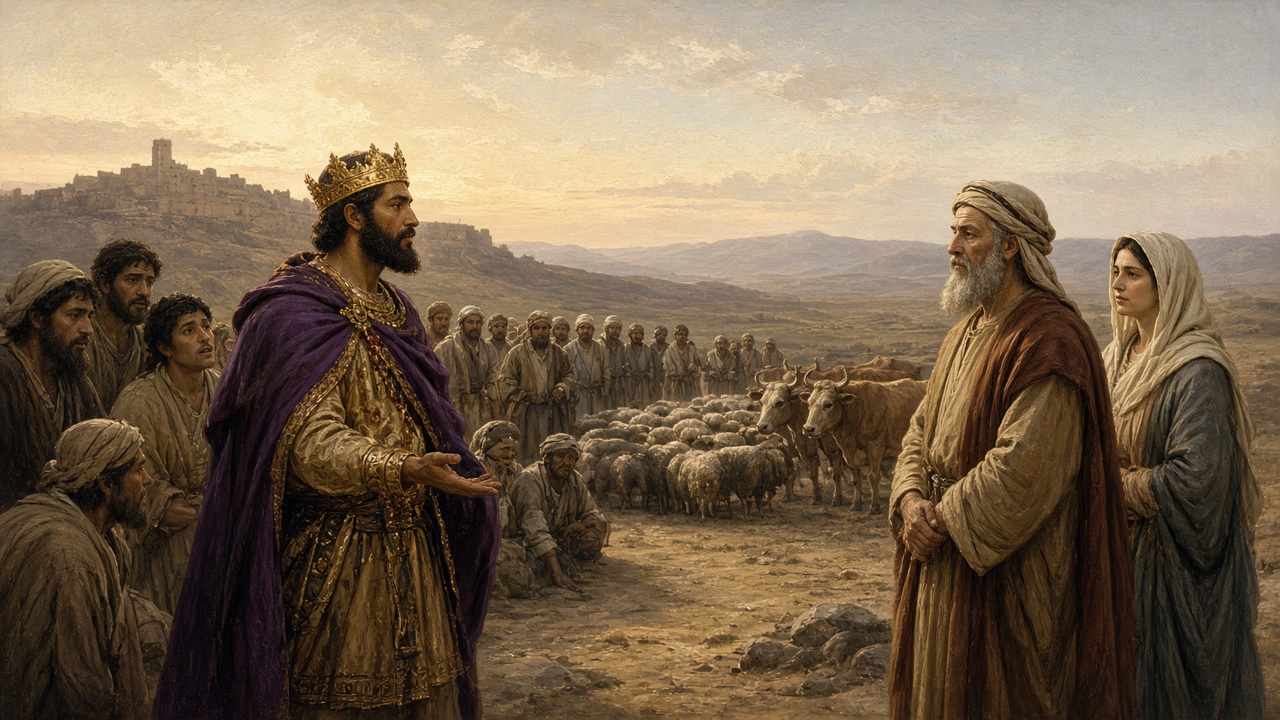
1Rarit naiꞌ Abraham nananiꞌ naꞌko Mamre, nnao neu pah Negep et pasaꞌ haaꞌ-nua. In natua nbi kuan Kades ma kuan Sur sin atnaank ein. Mes ka ꞌroo fa on naan ate, in natnani ntein neu kuan Gerar. 2Ma in natonan abitan kuan naan am nak, ain Saraꞌ naan, in fetof. Es naan ate, naiꞌ Abimerek, usif Gerar, nreek tuaf ma ntaam antoit bi Saraꞌ. Rarit sin neik je neu uisf ee in sonaf.
Rarit UISNENO nasnasab bifee ahoniꞌ ma nakiubaꞌ bifee munif, naꞌko usif Abimerek in too ngguin, natuin in ntoup naan naiꞌ Abraham in fee.
3Fai jes, Uisneno nakriir On anbi mneit neu usif naan. In naꞌuab am nak, “Ho he mmaet een! Natuin ho mtoup maan atoniꞌ in fee!”
4Mes naiꞌ Abimerek nataah am nak, “Usiꞌ! Au ka ꞌreꞌ-reoꞌ ꞌiit fa bifee naan. Ma au ka ꞌsaan fa msaꞌ. Naiꞌ Abraham neikn on natoon am nak, in fetof! Bifee naan anmanakuꞌ on reꞌ naan amsaꞌ. Es naan ate, au ꞌreek tuaf ma ntaam antoit je nok neek akninuꞌ. Onaim Usiꞌ kais musaan kau, tua!”
6Onaim Uisneno nataah am nak, “Batuur. Au uhiin ꞌak ho nekam naan kninuꞌ. Ma Au es reꞌ aꞌkaheꞌ ko he kaisaꞌ mreoꞌ bifee naan. Nok ranan naan ate, ho ka musanab fa meu Kau. 7Oras ia, mnonaꞌ mufaniꞌ bifee naan meu in mone. Atoniꞌ reꞌ naan, Au mafefa kninuꞌ. Onaim amtoit je he nꞌonen henatiꞌ ho kaisaꞌ mmaet. Mes karu ho ka mnonaꞌ mufaniꞌ fa bifee naan, ho mumnau murek-rekoꞌ! Ho mok ho too ngguin of anmaet sapuꞌ-sapuꞌ.”
8Kik-kiku te, uisf ee noꞌen in ameupt ein okeꞌ, ma naretaꞌ in amneit naan. Onaim sin arsin namtaun. 9Rarit uisf ee noꞌen naiꞌ Abraham, ma nataan ee mnak, “Au ꞌtao ꞌsaan ko saaꞌ, es ho mmoeꞌ he hai msiraak om? Ho kais mupoi on reꞌ naan. 10Ho mutenab saaꞌ, es ho mmoeꞌ on reꞌ ia?”
11Onaim naiꞌ Abraham nataah am nak, “Aam usiꞌ! Au ꞌbaiseun. Au utenab ꞌak hi ar-arki ka mihiin fa Uisneno. Onaim hi of miꞌmaet kau, he msao au fee. 12Au uꞌuab batuur, ꞌak bi Saraꞌ naan au fetoꞌ. Hai nua kai amaꞌ meseꞌ, mes es-es ate miꞌain kiim. Es naꞌ hai matsao on reꞌ ia. 13Onaim oras Uisneno nreek kai he mpoi miꞌko hai kuan, ma mnao miꞌroo-ꞌroo meu kua-ꞌtetaꞌ, au utoon ain ꞌeu au fee ji mꞌak, ‘Hit tbi mee-mee jah, karu atoniꞌ natanan anmatoom nok hit nua kit, ma karu ho mneek kau te, mutaah am mak, hit meu fetof-naof.’ ”
14Rarit usif Abimerek nnonaꞌ nafani bi Saraꞌ. Onaim in naꞌuab nok bi Saraꞌ mnak, “Oras ia, au ꞌbaen roi mutiꞌ fuaꞌ niuf goes ꞌeu ho naꞌo, he njair tanar am nak, au ka ꞌsaan fa saaꞌ-saaꞌ ꞌeu ko. Maut he aar pah ii nahinin on reꞌ naan!”
Rarit uisf ee naꞌuab neu naiꞌ Abraham am nak, “Abraham! Au pah ii mainuan neu ko. Ho mroim he mutua mbi mee-mee jah, es reꞌ ho.” Rarit in nfee ne bijae, ꞌbibi, ma ꞌbib-kase. In nfee ne ate msaꞌ, et atoniꞌ ma bifee.
17Oras uisf ee nnonaꞌ nafaniꞌ bi Saraꞌ neu in mone, naiꞌ Abraham anꞌonen he Uisneno nfei bifeen ngguin naan sin ꞌaupk ein. Ma sin bisa nahoin ein antenin.
¿Sabías que…?
Hermana y esposa en Gerar
- Abraham estaba en Gerar, una ciudad y un distrito muy antiguos en la frontera sur de Palestina, gobernados entonces por un rey llamado Abimelec. Había ido a la región del Néguev, el distrito árido al sur de Palestina en la ruta de las caravanas hacia Egipto, y se estableció entre Cades y Shur. Shur, nombre que significa “muro”, era una región desértica en el límite noreste de Egipto, probablemente llamada así por la muralla fronteriza que los egipcios construyeron allí.Fuentes: el propio texto bíblico · Gerar · Negeb · Shur
- Cuando Abraham dijo que Sara era su hermana, el parentesco no era del todo inventado: ella también era su media hermana, hija de su padre, pero no de su madre. El diccionario bíblico de Easton (1897) indica que el nombre Sara significa “princesa” y que ese nombre se le dio cuando se anunció que sería la madre de la criatura prometida.Fuentes: el propio texto bíblico · Sarah
- El nombre Abimelec vuelve a aparecer en Gerar en la historia de Isaac. El diccionario bíblico de Easton (1897) describe a ese rey posterior como probablemente hijo del Abimelec que Abraham encontró, y dice que reprendió a Isaac por un engaño semejante acerca de su esposa Rebeca, que el rey descubrió por casualidad. La misma obra dice que Gerar parece haber sido una rica región de pastoreo.Fuentes: Abimelech (King of Gerar) · Gerar
Notas escritas con ayuda de IA a partir de fuentes abiertas (Theographic Bible Metadata, CC BY-SA 4.0; Easton’s Bible Dictionary, dominio público) y revisadas antes de publicarse.
Lugares de este capítulo
- Negeb · 31.245, 34.841 · versículo 1
Solo aparecen lugares identificados con alta confianza (90 % o más según las fuentes académicas reunidas por OpenBible). Mapa de la época: DARE (Digital Atlas of the Roman Empire), CC BY 4.0; mapa actual: © colaboradores de OpenStreetMap; lugares: OpenBible.info (CC BY 4.0).
Créditos y licencia de esta traducción
Uisneno In Kabin ma Prenat: Rais Manba'an Fe'u nok Reta' Ahun-hunut
Genesis and the New Testament in the Amarasi language of Indonesia
Kejadian dan Perjanjian Baru dalam bahasa Amarasi dari
copyright © 1999-2014 Unit Bahasa dan Budaya, Kupang NTT, Indonesia
Language: Amarasi
Translation by: Wycliffe Bible Translators
This translation is made available to you under the terms of the
Creative Commons Attribution-No Derivatives license 4.0.
You may share and redistribute this Bible translation or extracts from it in any format, provided that:
You include the above copyright and source information.
You do not make any derivative works that change any of the actual words or punctuation of the Scriptures.
Pictures included with Scriptures and other documents on this site are licensed just for use with those Scriptures and documents.
For other uses, please contact the respective copyright owners.
2022-03-11
Fuente: http://ebible.org/aaz/ · eBible.org