Matthew 11
Bibiri Kuyie Nnɑ́ɑǹtì Pɑ́tíri · Tap a verse to see its cross-references.
1Yesu tié ndìì mɔ̀nnì o tɑncɔ́ùmbɛ̀ tɛpíítɛ̀ nɛ̀ bɛ̀dɛ́bɛ̀ kɛ́deè kɛ́ítɛ́ dɛborɛ̀ kɛ́kɔtɛ kɛ́nnɑ́ɑntɛ Kuyie nnɑ́ɑǹtì dɛ kó yɛhɛkɛ̀ miɛkɛ, kɛ tì mbɛ̀ tiè.
Yesu do tɛ̃̀ńnɛ́ tì Isɑ̃ɑ̃-Bɑtiisi
2Kɛ̀ Isɑ̃ɑ̃-Bɑtiisi ḿbo dikpetíntou kɛ́keè Yesu pĩ́ mmùù tɔ̃mmú kɛ́tɔ̃ nho tɑncɔ́ùmbɛ̀ kɛ̀ bɛ̀ bo ò bekɛ kɛ dɔ̀: 3Fɔ̃́ɔ̃̀ tu wèè dò nkɛ́kɔtɛní yɑ́ɑ̀ ti dò nkɛ́mbɑɑ otɔù mɔù nwe? 4Kɛ̀ Yesu bɛ̀ tɛ̃̀ńnɛ́ kɛ dɔ̀: Kɔtɛnɛ̀ kɛ́nɑ́kɛ́ Isɑ̃ɑ̃ di yɑ̀ dɛ̀ nɛ̀ di kèè tì. 5Tiyũ̀ɔ̃̀ntì wéǹnì kɛ̀ yɛcĩɛ̃̀ ncèntì sɛ́i, kɛ̀ yɛkùɔ̀ mmiɛrí, kɛ̀ yɛwũ̀ɔ̃̀ nkèu, kɛ̀ bɛcíríbɛ̀ yɑ̃̀ńnì kɛ̀ bɛsénnìbɛ̀ kèu Tinɑ́ɑǹsɑ̀ɑ̀tì. 6Dɛ̀ ńnɑɑti wèè í yóu ò bo nni ntɑ̃́mɛ̀.
7Isɑ̃ɑ̃ tɑncɔ́ùmbɛ̀ ìtɛ́ dìì mɔ̀nnì kɛ̀ Yesu nnɑ́ɑ́nnɛ̀ bɛnìtìbɛ̀ Isɑ̃ɑ̃ kpɛ́í kɛ tú: Di do kɔ̀tɛ kɛ́yɑ̀ bɑ dikpɑ́ɑ̀ cuokɛ̀? Dipènnì kuyɑɑkù nɑmpú dɑ̀ɑ̀? 8Kɛ̀ mɛɛ̀ dɔkɛ di nɛ́ kɔ̀tɛ kɛ yɑ̀ bɑ? Onìtì wèè dɑ̀ɑ́tí tiyɑɑ̀sɑ̀ɑ̀tɑ̀ɑ̀? Tiyɑɑ̀sɑ̀ɑ̀tì yɛmbɛ̀ ɔ̃ mbo sikpɑ̀ɑ̀tìcɛ̃́ĩ nsi. 9Yɑ́ɑ̀ di kɔ̀tɛ kɛ yɑ̀ Kuyie mpɑ̃ɑ̃nɑ́ɑǹtì nɑ́ɑǹtò nwe? N nɛ́ di nɑ́ɑ́mmu kɛ tú ò pɛ̃ɛ̃tɛ́mu Kuyie mpɑ̃ɑ̃nɑ́ɑǹtì nɑ́ɑǹtò. 10Isɑ̃ɑ̃ kpɛ́í nkɛ tì wɑ̃̀rimɛ̀ kɛ tú: Mí nKuyie n yóó duɔ́nkomu n kóo tɔ̃ntì kòo niitɛ́ kɛ́tũntɛ ɑ cɛ. 11N di nɑ́ɑ́ mɔ́mmuɔ nwe bɛnìtìbɛ̀ piɛ́ bɛ̀ɛ̀ kó dimɑ̀ɑ̀, òmɔù mu nyí buotɛ́ wèè pɛ̃ɛ̃tɛ́ Isɑ̃ɑ̃-Bɑtiisi. Nɛ̀ mɛmmɛ wèè tu osɑ́m̀pɔ́ù Kuyie nkpɑ̀ɑ̀tìyuu miɛkɛ kòo dɛu koò pɛ̃ɛ̃tɛ́. 12Isɑ̃ɑ̃ kó dimɔ̀nnì kɛ́ntɔ kɛ́tuɔkɛnɛ̀ní yíe, Kuyie nkpɑ̀ɑ̀tìyuu tɑɑ̀nɛ̀ muwɛ̃rímú mmu kɛ̀ bɛwɛ̃ríntiebɛ bɛɛ̀ dì tɑɑ̀. 13Kuyie mpɑ̃ɑ̃nɑ́ɑǹtì nɑ́ɑm̀bɛ̀ nɛ̀ Mɔyiisi kó ikuɔ́ dɛ̀ nɑ̀kɛ́mu dɛ kó dikpɑ̀ɑ̀tìyuu kpɛ́í kɛ́ntɔ kɛ́tuɔkɛnɛ̀ní Isɑ̃ɑ̃. 14Bɛ̀ nɑ̀kɛ́mu kɛ tú Edii dò nkɛ́ketɛ́ kɛ́wɛ̃tɛní kɛ̀ Odɛɛtíwè nɛ́ kɔtɛní, kɛ̀ di bo tì yie, weǹwe diɛ. 15Wèè mɔ̀kɛ yɛto kɛ bo keè, wèe keè!
16M bo donnɛnɛ̀ bɑ di mmɔ̀nnì kó bɛnìtìbɛ̀? M bo yĩ́ bɛ̀ dònnɛ̀ ibí nyi ìì kɑ̀ri yɑɑ́rɛ̀ kɛ nɑ́ɑ́nnɛ̀ itɛì kɛ tú: 17Ti di eé fɛtɑ̃rifɛ bɑ́ di í ɑɑ́, kɛ̀ ti kuɔ́ ndikúdɑbònnì bɑ́ di yɛ̀mmɛ̀ í cɑ̀ɑ̀rɛ̀. 18Isɑ̃ɑ̃ kɔ̀tɛnímu kɛ í yo nhò mɛ nyí yɔ̃̀ mmɛnɑɑ̀, kɛ̀ di dɔ̀ dibɔɔ̀ diì bo o miɛkɛ. 19Kɛ̀ Onìtìbirɛ kɔ̀tɛní kɛ yo nkɛ yɔ̃̀ mmɛnɑɑ̀ nkɛ di yɛ̃ nhò tu odiitì kunɑɑ̀yɑ̃̀ɑ̃̀kù, kɛ dɑ́púnɛ̀ bɛdɑ̀mpóòcɔutíbɛ̀ nɛ̀ bɛ̀ tu bɛ̀ bɛnitiyɛibɛ. Bɛ tɔ̃mmú kó mucɔ̃́ntimu muù nɛ́ bɛnkú Kuyie nkuù bɛ̀ duɔ́mmɛ̀ dɛ kó mɛciì.
Yesu do kpɑnnɛ̀mɛ̀ Kɑdidee kó yɛhɛkɛ̀ kɔbɛ
20Mɛm̀mɛ kɛ̀ Yesu ketɛ́ kɛ́nkpɑnnɛ̀ yɛhɛkɛ̀ ò do dɔ̀ɔ̀ yɛ̀ɛ̀ miɛkɛ tidiɛtì pɛ́u kɛ yɛ̃́ dɛ kó yɛhɛkɛ̀ kɔbɛ do í yiemmɛ̀ kɛ bo ceetɛ bɛ borimɛ. 21Kòò mbɛ̀ nɑ̀ɑ́ nkɛ tú: Di bo yɑ̀ díndi Korɑsɛ̃ɛ̃ nɛ̀ Bɛtisɑidɑɑ kɔbɛ kɛ yɛ̃́ tidiɛtì n dɔ̀ɔ̀ tì di ciɛ, kɛ̀ n do ntì dɔ̀ɔ̀ Tiiri nɛ̀ Sitɔ̃ɔ̃ miɛkɛ nkɛ, nɛ̀ yíe mbɛ̀ do dɑ̀ɑ́tí tifɔ̀ɔ̀tɔ̃̀ntì nti kɛ pũ mmutɑ́pɛí nkɛ bɛnkɛ bɛ borimɛ cèètɛmɛ̀. 22Dɛɛ̀ kpɛ́í nte kɛ̀ n tu tibeéntì yiè, Tiiri kɔbɛ nɛ̀ Sitɔ̃ɔ̃ kɔbɛ kó tiyɛ̃ĩti bo ńkɛ̃ńnìnɛ̀ di kpɛti. 23Díndi Kɑpɛnnɑummu kɔbɛ di yɛ̀mmɛ̀ dò nKuyie mbo di dee nkɛĩ́nkɑ̀ɑ̀? Bìtì, kù bo di cṹũnní kɛ́ di tɑnnɛ́ kudɔnkù, kɛ yɛ̃́ tidiɛtì tìì dɔ̀ɔ̀ di ciɛ kɛ̀ tì do ndɔ̀ɔ̀ Sodɔmmu ò nɑ nkpɑɑ́ bomu nɛ̀ yíenní. 24Dɛɛ̀ te kɛ̀ n tu tibeéntì yiè Sodɔmmu tenkɛ̀ kɔbɛ kó tiyɛ̃ĩti bo nkɛ̃ńnìnɛ̀ di kpɛti.
Kuyie ǹsɔ̀nnɛ tì bɛ̀ɛ̀ ciì
25Dɛ kó dimɔ̀nnì kɛ̀ Yesu sɑ̃ntɛ Kuyie nkɛ dɔ̀: N cicɛ n dɑ sɑ̃ntí fɔ̃́ nwèè te kɛtenkɛ̀ nɛ̀ kɛĩ́nkɛ̀ ɑ sɔ̀nnɛmɛ̀ timɔ́mmɔnti mɛciì nyɛmbɛ̀ nɛ̀ mɛyĩ́ɛ̃́tímɛ̀ yɛmbɛ̀ kɛ tì bɛnkɛ bɛ̀ɛ̀ í tú bɛ̀mɑbɛ̀. 26N cicɛ n dɑ sɑ̃ntí kɛ yɛ̃́ fɔ̃́ɔ̃̀ dɔ́mɛ̀ dɛ̀ ndò mmɛmmɛ.
27N cicɛ ɑ n duɔ́mmu dɛmɔu. Òmɔù í yɛ̃́ dɛbirɛ kɛ̀ dɛ̀ í tú dɛ cicɛ. Òmɔù mɛ nyí yɛ̃́ dɛbirɛ cicɛ kɛ̀ dɛ̀ í tú dɛbirɛ nɛ̀ dɛ̀ dɔ́ kɛ́bɛnkɛ bɛ̀ dɛ cicɛ.
Yesu kó ditɔu í cɛ̃́ɛ̃̀
28Kɔtɛnɛ̀ní m borɛ̀ dimɔu díndi bɛ̀ɛ̀ tɔ yɛtuɔ cɛ̃́ɛ̃́yɛ̀ kɛ ɔ̀u kɛ̀ n di toutɛ́ kɛ di om̀pùnnɛ. 29Tɔnɛ̀ n kó ditɔu, yiennɛ̀ n kó itié nkɛ́pɛ́tɛ́ mɛom̀pùmɛ̀, kɛ yɛ̃́ n yɔɔ̀mɛ̀mu kɛ̀ n yɛ̀mmɛ̀ boo. 30N yóó di toú ndìì tɔu í yóù mutɔù, dì í cɛ̃́ɛ̃̀.
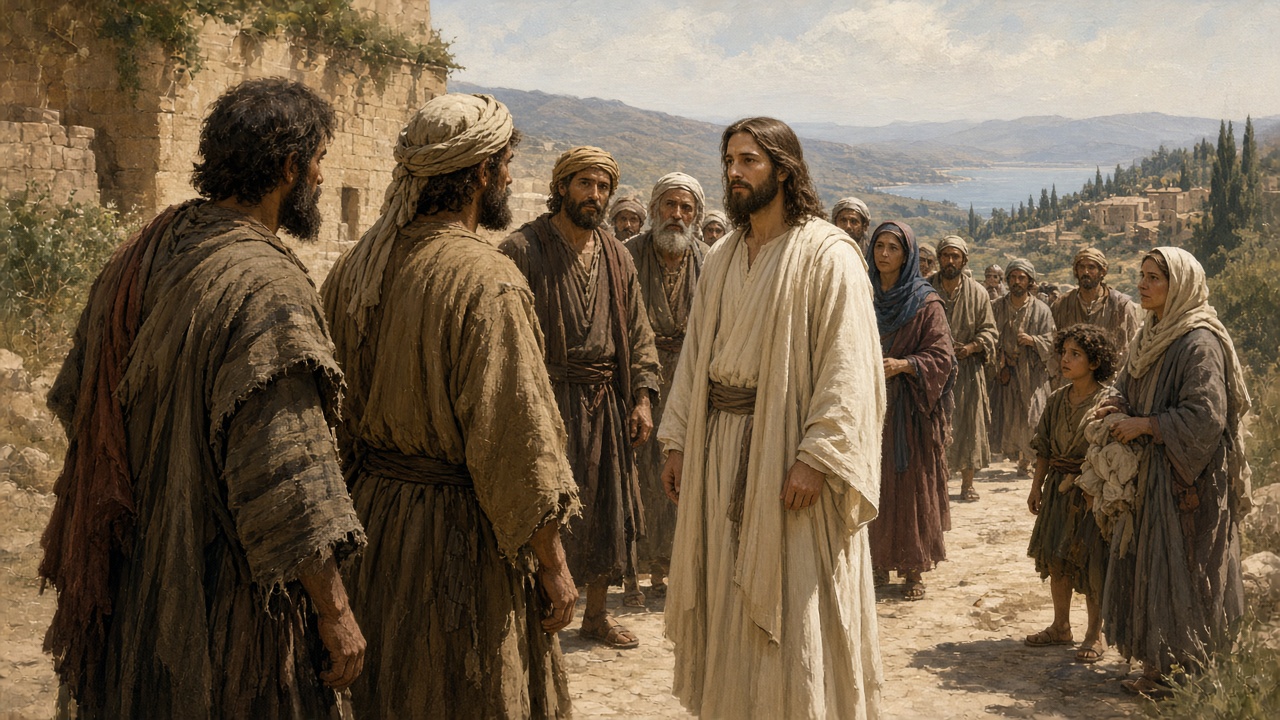
Did you know?
John's question and the cities that did not repent
- From prison, John sent his disciples to ask whether Jesus was the one who was to come. Jesus told the crowds that John was more than a prophet—the messenger sent ahead to prepare the way—and, if they were willing to accept it, the Elijah who was to come. A Bible dictionary calls John the forerunner and says his mission was already the subject of prophecy, citing Isaiah 40:3 and Malachi 3:1; it also introduces Elijah as the Elias of the New Testament.Sources: the Bible text itself · John the Baptist · Elijah
- Jesus then denounced Chorazin, Bethsaida, and Capernaum, where most of his miracles had been performed, because they did not repent. A dictionary identifies Chorazin with modern Kerazeh, about two and a half miles up the Wady Kerazeh from Capernaum, and says that Capernaum, absent from the Old Testament, became Jesus' own city after he left Nazareth. It places Bethsaida on the east side of the lake, two miles up the Jordan in Gaulonitis, enlarged by Philip the tetrarch and named Julias after the emperor's daughter, though some have supposed there was only one Bethsaida, near where the Jordan enters the lake.Sources: the Bible text itself · Chorazin · Capernaum · Bethsaida
- He set those cities against Tyre and Sidon, which he said would have repented long ago in sackcloth and ashes, and against Sodom, which he said would have remained to this day. Sidon, on the Mediterranean coast about twenty-five miles north of Tyre, was the oldest Phoenician city there and the mother city of Tyre. A dictionary says the commerce of the whole world was gathered into Tyre's warehouses, and that Sodom, in the vale of Siddim, was destroyed by fire from heaven so completely that no trace of it has been found.Sources: the Bible text itself · Sidon · Tyre · Sodom
Notes written with AI assistance from open sources (Theographic Bible Metadata, CC BY-SA 4.0; Easton’s Bible Dictionary, public domain) and reviewed before publishing.
Places in this chapter
- Galilee · 32.760, 35.527 · verse 1
- Sidon · Today: Sandikli archaeological site in Sidon · 33.561, 35.372 · verses 21, 22
- Tyre · 33.271, 35.196 · verses 21, 22
Only places identified with high confidence are shown (90% or more according to the scholarly sources compiled by OpenBible). Period map: DARE (Digital Atlas of the Roman Empire), CC BY 4.0; modern map: © OpenStreetMap contributors; places: OpenBible.info (CC BY 4.0).
Credits and license for this translation
Bibiri Kuyie Nnɑ́ɑǹtì Pɑ́tíri
The Holy Bible in the Ditammari language of Benin
copyright © 2001 SIM International
Language: Ditammari
Translation by: SIM
This translation text is made available to you under the
terms of the Creative Commons License: Attribution-Noncommercial-No Derivative Works.
( http://creativecommons.org/licenses/by-nc-nd/3.0/ )
In addition, you have permission to port the text to different file formats, as long as you
do not change any of the text or punctuation of the Bible.
You may share, copy, distribute, transmit, and extract portions
or quotations from this work, provided that you include the above copyright
information:
You must give Attribution to the work.
You do not sell this work for a profit.
You do not make any derivative works that change any of the actual words or punctuation of the Scriptures.
Permissions beyond the scope of this license may be
available if you contact
us with your request.
This translation is made available to you under the terms of the
Creative Commons Attribution-No Derivatives license 4.0.
You may share and redistribute this Bible translation or extracts from it in any format, provided that:
You include the above copyright and source information.
You do not make any derivative works that change any of the actual words or punctuation of the Scriptures.
Pictures included with Scriptures and other documents on this site are licensed just for use with those Scriptures and documents.
For other uses, please contact the respective copyright owners.
2022-05-31
Source: http://ebible.org/tbzsim/ · eBible.org