Matthew 10
Bibiri Kuyie Nnɑ́ɑǹtì Pɑ́tíri · Tap a verse to see its cross-references.
Yesu tɔ̃mmɛ̀ o tɑncɔ́ùmbɛ̀
1Kɛ̀ Yesu yu o tɑncɔ́ùmbɛ̀ tɛpíítɛ̀ nɛ̀ bɛ̀dɛ́bɛ̀ kɛ́ bɛ̀ duɔ́ muwɛ̃rímú kɛ̀ bɛ̀ bo mbɛtì yɛbɔkɛ̀ kɛ miɛkùnko bɛmuɔmbɛ mumɔmmú mumɔu nɛ̀ bɛ̀ɛ̀ mɔ ntikɔ̃nyonkuti tibotí tibotí. 2Ntɛ Yesu tɑncɔ́ùmbɛ̀ tɛpíítɛ̀ nɛ̀ bɛ̀dɛ́bɛ̀ kó yɛyètɛ̀: Oketiwè Simɔɔ kɛ̀ bɛ̀ɛ ò yu kɛ dɔ̀ Piɛri nɛ̀ o nɑntɛ̀ Ãntidee nɛ̀ Sebedee kó ibí, Isɑku nɛ̀ Isɑ̃ɑ̃. 3Fidipu nɛ̀ Bɑtidemii nɛ̀ Tomɑɑ nɛ̀ Mɑtie wèè do tú odɑ̀mpóòcɔutíwè. Nɛ̀ Adifee kó dɛbirɛ Isɑku Tɑdee 4nɛ̀ Simɔɔ wèè do ɔ̃ ntú Sedɔti kó fɛnɑfɛ kou nɛ̀ Sudɑɑsi Isikɑdiyoti wèè fìtɛ́ Yesu.
5Yesu tɑncɔ́ùmbɛ̀ tɛpíítɛ̀ nɛ̀ bɛ̀dɛ́bɛ̀ mbɛ ò tɔ̃ mbɛ̀ kɛ́ bɛ̀ nɑ̀kɛ́ kɛ dɔ̀: Di bɑ́ɑ́ kɔtɛ bɛ̀ɛ̀ í tú Sifubɛ bɛ kó yɛhɛkɛ̀, di mɛ mbɑ́ɑ́ kɔtɛ Sɑmmɑrii kó yɛhɛkɛ̀. 6Kɔtɛnɛ̀ Isidɑyɛɛribɛ bíɛ́kɛ̀, bɛ̀ dònnɛ̀ ipe ìì feti ìnyi, 7kɛ́ mbɛ̀ nɑ̀ɑ́ Kuyie nkpɑ̀ɑ̀tìyuu tɔ̀ɔ́nnímɛ̀, 8kɛ́mmiɛkùnko bɛmuɔmbɛ kɛ duɔ̀ nkɛ̀ bɛcíríbɛ̀ yɑ̃́nnì kɛ miɛkùnko yɛkùɔ̀ nkɛ̀ yɛ̀ wèńkú, kɛ bɛtì yɛbɔkɛ̀. N di pɑ̃mu di í dontɛ́, pɑ̃nɛ̀ kɛ̀ bɛ̀ bɑ́ɑ́ di yietí. 9Di bɑ́ ntɔ idíítí. 10Di bɑ́ ntɔ kudɔukù yoo yɛyɑɑ̀bòrɛ̀ yɛ̀dɛ́ɛ̀ yoo tinɛùtì yoo kupɑ̀ɑ̀ti kɛ yɛ̃́ otɔ̃ntì nɛ̀ o tɔ̃ndiitì nti.
11Kɛ̀ di tùɔ̀kɛ dìì ɛì dí yɑ̀ onitisɑ̀ɑ̀wè kɛ́bɑ́tɛ́ o cĩ́ɛ̃̀tɛ̀ kɛ́ ndɛ mbo kɛ yɑ̀ɑ pɛ̃ɛ̃tɛ́nɛ̀ dɛborɛ̀. 12Kɛ̀ di tɑ tɛ̀ɛ̀ cĩ́ɛ̃̀tɛ̀ di dɔ̀: Kunɑɑtí ndi bonɛ̀. 13Kɛ̀ tɛcĩ́ɛ̃̀tɛ̀ yɛmbɛ̀ di cɔutɛ́, dí bɛ̀ pɑ̃ kunɑɑtí, kɛ̀ bɛ̀ mɛ nyí di cɔutɛ́, di bɑ́ɑ́ kù mbɛ̀ pɑ̃. 14Kɛ̀ tɛcĩ́ɛ̃̀tɛ̀ mɑtɛ̀ yoo dihɛì mɑrì kɔbɛ í dɔ́ kɛ́ di cɔutɛ́ yoo bɛ̀ í kèḿmú di kpɛti, dí ítɛ́ dɛborɛ̀ kɛ kpɑ̃́ɑ̃́tɛ́ di nɑcɛ̀tɑ̃́ɑ̃́. 15N di nɑ́ɑ́ mmɔ́mmuɔ nwe tibeéntì kó diyiè Sodɔmmu nɛ̀ Komɔɔ Kuyie ndo cɔ̀ú nyɛ̀ɛ̀ ɛkɛ̀ kó tiyɛ̃ĩti bo nkɛ̃ńnìnɛ̀ dɛ kó dihɛì kpɛti.
Bɛ̀ yóó fɛ̃́ũmmɛ̀ Yesu kɔbɛ
16N di tɔ̃ nkɛ̀ di do nyipe nyi yɛkpɑmɑɑ̀ ncuokɛ̀, ńciìnɛ̀ iwɑ̀ɑ̀kɛ kɔ̃mɛ kɛ yɔɔ̀ kɛ dònnɛ̀ yɛkpɛtìnɔ́nkperɛ. 17Ndɑkɛnɛ̀! Bɛnìtìbɛ̀ yóó di kɔtɛnɛ̀mu bɛbeémbɛ̀ borɛ̀ kɛ̀ bɛ̀ ndi puotì yɛdɑ́ titííntouti miɛkɛ, 18bɛ̀ bo di kɔtɛnɛ̀ bɛbɑɑtíbɛ̀ nɛ̀ bɛkpɑ̀ɑ̀tìbɛ̀ borɛ̀ kɛ̀ di bo bɛ̀ nɑ̀kɛ́ n kpɛ́í, nkɛ nɑ́kɛ́nɛ̀ bɛ̀ɛ̀ í tú Sifubɛ. 19Kɛ̀ bɛ̀ di kɔrinɛ̀ tibeéntì, di bɑ́ ntoti di yɛ̀mmɛ̀ di bii yóó nɑ́kɛ́ tì nɛ̀ di yóó tì nɑ̀kɛ́ mɛ̀ɛ̀ botí, kɛ̀ di tùɔ̀kɛ Muyɑɑ́nsɑ̀ɑ̀mù bo di duɔ́ ndi dò nkɛ́nɑ́kɛ́ tì. 20Kɛ yɛ̃́ díì í yó nnɑ́ɑ́mmɛ̀ di mɔ́mmɔmbɛ Kuyie nYɑɑ́ mmuù yó ndi duɔ̀ ndi yó nnɑ́ɑ́ ntì.
21Bɛnìtìbɛ̀ bo nduɔ̀ nkɛ̀ bɛ̀ kɔ̀ù bɛ tebìí, kɛ̀ ibí cicɛbɛ̀ ńduɔ̀ nkɛ̀ bɛ̀ ì kɔ̀ù, kɛ̀ ibí nduɔ̀ nkɛ̀ bɛ̀ kɔ̀ù i cicɛbɛ̀. 22Bɛnìtìbɛ̀ bɛmɔu bo ndi níí ndi tú mɛ̀ɛ̀ kpɛ́í n kɔbɛ, wèè mɛ mbo nwɛ̃́ɛ̃́rì kɛ́tuɔkɛ kumɑ̀nku ò bo cootɛ́. 23Kɛ̀ bɛ̀ di fɛ̃́ũnko dihɛì mɑrì dí cokɛ́ kɛ́kɔtɛ ditɛrì, n di nɑ́ɑ́ mmɔ́mmuɔ nwe di bo nkpɑɑ́ kɛ í dèè Isidɑyɛɛribɛ kó yɛhɛkɛ̀ kòo nìtìbirɛɛ wɛ̃tɛnímu.
24Wèè bɛbíí ò í pɛ̃ɛ̃tɛ́ wèè ò bɛnkú, otɔ̃ntì mɛ nyí dɛunɛ̀ wèè ò duɔ́ mmutɔ̃mmú. 25Bɛ̀ dɔ̀ɔ̀ mɛ̀ɛ̀ botí wèè bɛnkú bɛ yóó mɛ ndɔ̀ɔ̀ ò bɛnkú wè, bɛ̀ dɔ̀ɔ̀mɛ̀ tɛcĩ́ɛ̃̀tɛ̀ yiɛ̀ mbɛ̀ yóó mɛ ndɔɔ̀ o kóo tɔ̃ntì. Kɛ̀ bɛ̀ yu tɛcĩ́ɛ̃̀tɛ̀ yiɛ̀ nhobɔɔkpɑ̀ɑ̀tì o cĩ́ɛ̃̀tɛ̀ kɔbɛ kpɛrɛ bo pɛ̃ɛ̃tɛ́ mɛmmɛ.
Di bɑ́ ndé bɛ̀ɛ̀ kɔ̀ù tikɔ̃̀ntì
26Bɑ́ ndénɛ̀ tũnkɛ́ bɛnìtìbɛ̀, dɛ̀ɛ̀ dɔ̀ɔ̀ri disɔ̀rì dɛ̀ bo feitɛ́, kɛ̀ dɛ̀ɛ̀ bo dibiìnnì kɛ̀ dɛ̀ɛ yɛ̀nní kuwenniku. 27N di nɑ̀kɛ́ tì timɑ́ɑ̀ borɛ̀ nɑ́kɛ́nɛ̀ tì kupììti, n di wɛɛ tì, pĩɛ̃kɛ́nɛ̀ ti. 28Di bɑ́ ndé bɛ̀ɛ̀ kɔ̀ù tikɔ̃̀ntì kɛ í nɔ nkɛ kɔù diwɛ̃nnì. Ndénɛ̀ Kuyie nku kùù bo nɑ kɛ́kuɔ tikɔ̃̀ntì nɛ̀ diwɛ̃nnì muhɑ̃ɑ̃́ mmiɛkɛ. 29Bɛ̀ ɔ̃ɔ̃ í nfìtɛ́ inɔribí ìdɛ́ì ndi dɑ́rɑ̀ɑ̀? Nɛ̀ mɛmmɛ dɛ̀mɑrɛ̀ ɔ̃ɔ̃ í ndo kɛtenkɛ̀ kɛ̀ di cicɛ Kuyie nyí yɛ̃́. 30Bɑ́ di yùtì Kuyie nti kɑ̀ɑmmu kɛ yɛ̃́ tì mɑ̀mɛ̀. 31Di bɑ́ nyĩɛ̃̀kù tũnkɛ́ di pɛ̃ɛ̃tɛ́mu inɔribí pɛ́u.
Ti bo yĩ́mɛ̀ ti tú Yesu kɔbɛ
32Wèè bo nɑ́kɛ́ bɛnìtìbɛ̀ ììkɛ̀ ò tumɛ̀ n kou, m bo nɑ́kɛ́ n cicɛ wèè bo kɛĩ́nkɛ̀ dɛ yiɛ̀ ntumɛ̀ n kou. 33Wèè bo n yetɛ bɛnìtìbɛ̀ ììkɛ̀ m bo ò yetɛ n cicɛ wèè bo kɛĩ́nkɛ̀ o ììkɛ̀.
Yesu kɔ̀tɛnɛ̀ní mɛ̀ɛ̀ yɑtimɛ̀
34Kɛ̀ Yesu bɛ́i nkɛ dɔ̀: Di yɛ̀mmɛ̀ bɑ́ ndò n kɔ̀tɛnɛ̀ní kunɑɑtí nku kutenkù kuu mmiɛkɛ, n kɔ̀tɛnɛ̀ní mudoò mmu. 35N kɔ̀tɛní kɛ bo yɑtɛ dɛbirɛ ndɛ nɛ̀ dɛ cicɛ, kɛ bo yɑtɛ dɛnitipobirɛ nɛ̀ dɛ yɔ̃, kɛ́yɑtɛ osɑpɑ̀ɑ̀ ǹnɛ̀ o cɔ̀kù. 36Kɛ̀ bɛnìtìbɛ̀ cɛ̃́ĩ kɔbɛɛ nɑɑ́ mbɛ kpɑntídɛ̀ntɔbɛ̀.
37Wèè dɔ́ o cicɛ yoo o yɔ̃ kɛ̀ dɛ̀ pɛ̃ɛ̃tɛ́ mí nhò bɑ́ɑ́ nɑ kɛ́ntú n kou, kɛ̀ wèè dɔ́ o kóo dɑpɑ̀ɑ̀ nyoo o kóo sɑpɑ̀ɑ̀ nkɛ̀ dɛ̀ pɛ̃ɛ̃tɛ́ mí nhò bɑ́ɑ́ nɑ kɛ́ntú n kou. 38Wèè í tɔ o dɑpɑ̃ɑ̃tí kɛ n tũ̀nnɛ ò bɑ́ɑ́ nɑ kɛ́ntú n kou mɛfɛ̃́ṹtímɛ̀ mmɛ yoo ifɛi (wèè í dɔ́ kɛ́fɛ̃́ṹtɛ́ n kpɛ́í yoo wèè í dɔ́ kɛ́di ifɛi n kpɛ́í). 39Wèè bo ndɔ́ kɛ́dɛɛtɛ́ o fòmmu ò bo mù fétinnɛ, kɛ̀ wèè fétinnɛ o fòmmu n kpɛ́í kòo mù pɛ̀tɛ́.
Wèè cɔutɛ́ Yesu ò cɔutɛ́ Kuyie nku
40Wèè di cɔutɛ́ ò cɔutɛ́ mí nYesu nwe, kɛ̀ wèè n cɔutɛ́ kòò cɔutɛ́ Kuyie nkùù n tɔ̃nní. 41Kɛ̀ wèè cɔutɛ́ wèè nɑ̀ɑ́ nKuyie nnɑ́ɑǹtì ò tu mɛ̀ɛ̀ kpɛ́í wèè nɑ̀ɑ́ nKuyie nnɑ́ɑǹtì, ò bo pɛ́tɛ́ ticuuti wèè nɑ̀ɑ́ nKuyie nnɑ́ɑǹtì ò yóó pɛ́tɛ́ tì. Kɛ̀ wèè cɔutɛ́ wèè dɔ̀ɔ̀ri Kuyie ndɔ́mɛ̀ ò dɔ̀ɔ̀ri mɛ̀ɛ̀ kpɛ́í Kuyie ndɔ́mɛ̀ ò bo pɛ́tɛ́ ticuuti wèè dɔ̀ɔ̀ri Kuyie ndɔ́mɛ̀ ò yóó pɛ́tɛ́ tì. 42Wèè bo yɛ̃ntɛ́ mɛnɛ́buo mbɛsɑ́m̀pɔ́bɛ̀ biɛ nkóò mɔù ò tu mɛ̀ɛ̀ kpɛ́í n kóo tɑncɔ́ùntì, n di nɑ́ɑ́ mmɔ́mmuɔ nwe, Kuyie mbo ò cú dɛ kó ticuuti.
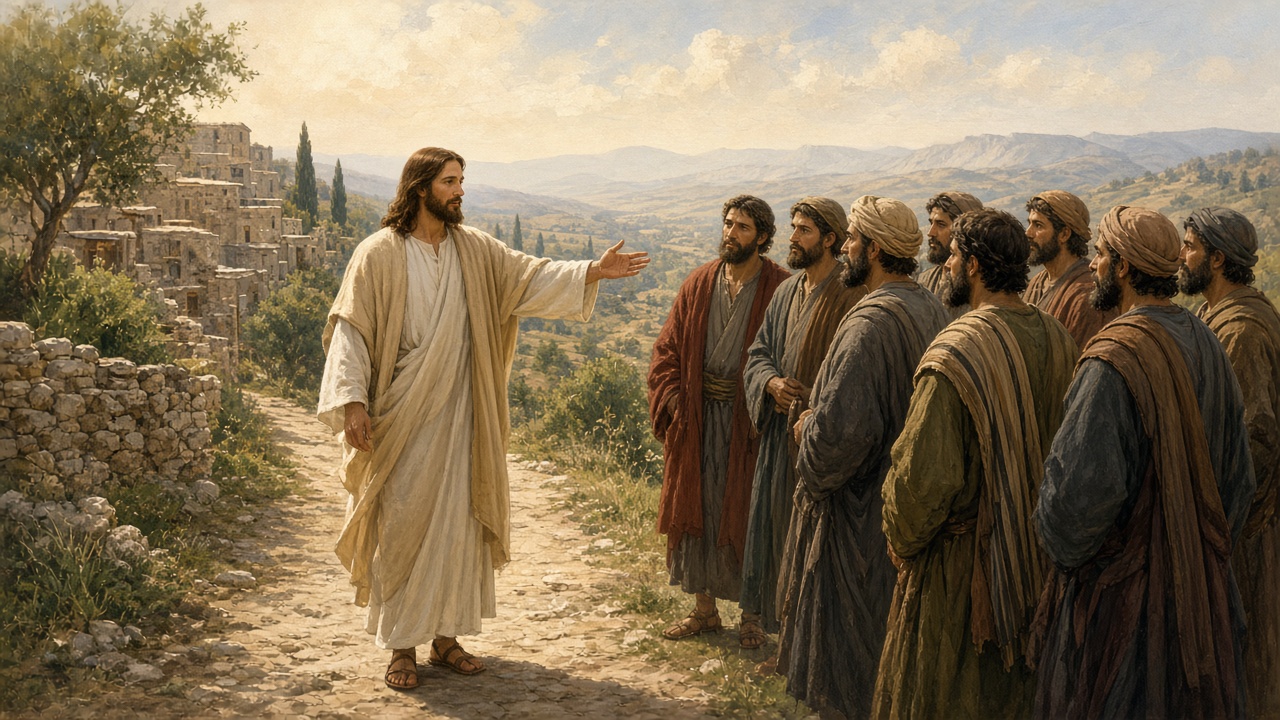
Did you know?
The Twelve Sent on Mission
- Simon, called Peter, and his brother Andrew—the first pair named among the twelve—were fishermen from Bethsaida, on the western coast of the Sea of Galilee. James and John, listed next, were sons of Zebedee, a Galilean fisherman who had his own boats and hired servants.Sources: the Bible text itself · Simon Peter · Andrew · Zebedee
- Matthew, identified in the list as the tax collector, was the son of Alphaeus and had formerly been known as Levi; he collected taxes at Capernaum, and the name Matthew means “gift of God.” Thomas, named beside him, was also called Didymus, the Greek equivalent of the Hebrew name, meaning “twin.” Bartholomew means “son of Tolmai” and is generally supposed to have been the same person as Nathanael.Sources: the Bible text itself · Matthew · Thomas · Bartholomew
- Jesus warns that the day of judgment will be more bearable for Sodom and Gomorrah than for a town that refuses the twelve apostles. Easton's Bible Dictionary (1897) describes those cities of the plain of Siddim as destroyed by fire and proverbial for wickedness, and places them, probably close together, near the northern end of what is now the Dead Sea.Sources: the Bible text itself · Sodom · Gomorrah
Notes written with AI assistance from open sources (Theographic Bible Metadata, CC BY-SA 4.0; Easton’s Bible Dictionary, public domain) and reviewed before publishing.
Credits and license for this translation
Bibiri Kuyie Nnɑ́ɑǹtì Pɑ́tíri
The Holy Bible in the Ditammari language of Benin
copyright © 2001 SIM International
Language: Ditammari
Translation by: SIM
This translation text is made available to you under the
terms of the Creative Commons License: Attribution-Noncommercial-No Derivative Works.
( http://creativecommons.org/licenses/by-nc-nd/3.0/ )
In addition, you have permission to port the text to different file formats, as long as you
do not change any of the text or punctuation of the Bible.
You may share, copy, distribute, transmit, and extract portions
or quotations from this work, provided that you include the above copyright
information:
You must give Attribution to the work.
You do not sell this work for a profit.
You do not make any derivative works that change any of the actual words or punctuation of the Scriptures.
Permissions beyond the scope of this license may be
available if you contact
us with your request.
This translation is made available to you under the terms of the
Creative Commons Attribution-No Derivatives license 4.0.
You may share and redistribute this Bible translation or extracts from it in any format, provided that:
You include the above copyright and source information.
You do not make any derivative works that change any of the actual words or punctuation of the Scriptures.
Pictures included with Scriptures and other documents on this site are licensed just for use with those Scriptures and documents.
For other uses, please contact the respective copyright owners.
2022-05-31
Source: http://ebible.org/tbzsim/ · eBible.org