Leviticus 22
Bibiri Kuyie Nnɑ́ɑǹtì Pɑ́tíri · Tap a verse to see its cross-references.
TÃÃTI: Bɛ̀ɛ̀ bɑ́ɑ́ di bɛ̀ pɑ̃ dɛ̀ Kuyie
1Kɛ̀ ti Yiɛ̀ nKuyie nnɑ́kɛ́ Mɔyiisi kɛ dɔ̀: 2Nɑ́kɛ́ Anɔɔ nɛ̀ o bí, n yɛ̃ nkòo nìtì níí dòmmɛ̀ ò bɑ́ɑ́ di Isidɑyɛɛribɛ m pɑ̃ dɛ̀ kɛ́sĩnkùnnɛ n yetìsɑ̀ɑ̀rì. Mí ndi Yiɛ̀ nKuyie mmíì di te. 3Nɑ́kɛ́ bɛ kɛ tú, n yɛ̃ mbɛ kó kufuku nɛ̀ bɛ yɑɑ̀bío kɛ̀ wèè sĩ̀ nkɛ kɑ̀ɑ́kɛ́ bɛ̀ m pɑ̃ dɛ̀, bɛ̀ɛ ò dènnɛ n kɔbɛ miɛkɛ míì tu di Yiɛ̀ nKuyie. 4Anɔɔ kó kufuku miɛkɛ kɛ̀ tikɔ̀ntì pĩ nhòmɔù yoo ò tùɔ̀ti yɛfɔtɛ̀ kɛ̀ mu nyí wenkɛ ò bɑ́ɑ́ di bɛ̀ m pɑ̃ dɛ̀. Dɛ̀ mɛ ndò nɛ̀ wèè kɑ̀ɑ́kɛ́ ocíì kɛ sĩ̀ntɛ nɛ̀ wèè bo nduɔ́ kɛ́yɛ̃nkɛ nɛ̀ omɑ́ɑ̀, 5nɛ̀ wèè bo kɑ́ɑ́kɛ́ dɛbɑmbɑɑ̀nnɛ̀ mɑrɛ̀ kɛ́sĩntɛ, yoo òmɔù wèè kɑ̀ɑ́kɛ́ dɛ̀ɛ̀ sĩ̀ nkɛ́sĩnkùnnɛ omɑ́ɑ̀. 6Kòò sĩ̀nkùnnɛ omɑ́ɑ̀ mɛbotí ò sĩ̀mmu kɛ́ntɔ kɛ́tuɔkɛnɛ̀ kuyuoku. Ò bɑ́ɑ́ nɑ kɛ́di bɛ̀ m pɑ̃ dɛ̀ kɛ́mbɑɑnɛ̀ ò bo wuɔmɛ̀. 7Kuyuoku mɔ̀nnì ò wenkɛmu ò bo nɑ kɛ́di bɛ̀ m pɑ̃ dɛ̀ kɛ yɛ̃́ ò kó mudiì mmumɛ̀. 8Òmɔù di miɛkɛ bɑ́ɑ́ di fɛɔ̃̀fɛ̀ fɛ̀ɛ̀ ku yoo musĩ̀mmù pĩ nfɛ̀. Kòò fɛ̀ di ò sĩ̀ntɛmu. Míì tu di Yiɛ̀ nKuyie.
9Bɛ̀ ntũ m bɛ̀ nɑ̀kɛ́ tì kɛ̀ dɛ̀ɛ yie nkɛ̀ bɛ̀ bɑ́ɑ́ di ikuɔ́ yetɛ dɛ̀ kɛ́tɔ dɛ kó mɛyɛi, kɛ̀ bɛ̀ dɛ̀ di, bɛ̀ yɑ̀ɑ̀ bo kú. Míì tu di Yiɛ̀ nKuyie mmíì di cɑ̃̀ńnɛ́.
10Kɛ̀ bɛ̀ m pɑ̃ dɛ̀mɑrɛ̀ wèè í tú ikuɔ́ nìùtì ò bɑ́ɑ́ dɛ̀ di. Bɑ́ kɛ̀ ikuɔ́ nìùtì kóo pɔ̀ɔ̀ nwe yoo o kóo tɔ̃ntì ò bɑ́ɑ́ dɛ̀ di. 11Kɛ̀ ikuɔ́ nìùtì mɛ ndontɛ́ kudɑɑkù, kù bo nɑ kɛ́ dɛ̀ di kɛ́ndònnɛ̀ bɛ̀ pɛitɛ́ kù tɛcĩ́ɛ̃̀tɛ̀. 12Kɛ̀ ikuɔ́ nìùtì mɔ̀kɛ osɑpɑ̀ɑ̀ nkòò yenkɛ wèè í tú ikuɔ́ nìùtì ò bɑ́ɑ́ nɑ kɛ́di bɛ̀ m pɑ̃ dɛ̀. 13Kòo dɔù mɛ nku yoo bɛ̀ ò bɛ̀ti kòò konní bɑ́ ò í mɔkɛ dɛbirɛ, kɛ wɛ̃̀tɛní kɛ bo o cĩ́ɛ̃̀tɛ̀ ò do bɛ̀ bonɛ̀ kɛ dòmmɛ̀. Ò bo nɑ kɛ́di o cicɛ yo ntìì diitì. Ikuɔ́ nìùtì cĩ́ɛ̃̀tɛ̀ kou í tú wè bɑ́ɑ́ nɑ kɛ́ tì di.
14Kòò mɔù di bɛ̀ m pɑ̃ dɛ̀ bɑ́ ò í yɛ̃́, kɛ̀ dɛ̀ boní kòò yĩ̀ɛ̃́tɛ́ wèe dɛ̀ yietí ikuɔ́ nìùtì kɛ́nɔ́ɔ́ nkɛ̀ dɛ̀ mmɑ̀nnɛ̀ ò yietí dɛ kó yɛwɛ́tiyɛ̀ yɛ̀nùmmù kó dìmɑ́ɑ̀.
15Ikuɔ́ nìùbɛ̀ bɑ́ɑ́ yóu kɛ̀ bɛ̀ɛ̀ í dò nkɛ́di bɛ̀ m pɑ̃ dɛ̀, kɛ̀ bɛ̀ɛ dɛ̀ di. 16Kɛ̀ bɛ̀ dɛ̀ di, ikuɔ́ nìùbɛ̀ bɛ̀ toú mmɛyɛi mmɛ bɛ̀ɛ yietí kɛ́fɔ́ɔ́. Mí ndi Yiɛ̀ nKuyie mmíì dɛ̀ cɑ̃̀ńnɛ́.
Kuyie nyɛ̃ mbɛ̀ bɑ́ nkù feu ìì wũ̀ɔ̃
17Kɛ̀ ti Yiɛ̀ nKuyie nní nsɔkɛ́ ku nɑ́ɑǹtì kɛ́nɑ́kɛ́ Mɔyiisi kɛ dɔ̀: 18Nɑ́kɛ́ Anɔɔ nɛ̀ o bí nɛ̀ Isidɑyɛɛribɛ bɛmɔu kɛ tú n yɛ̃ ndi miɛkɛ yoo opɔ̀ɔ̀ wèè di bonɛ̀, kɛ̀ wèè dɔ́ kɛ́ m pɑ̃ dipɑ̃nnì yoo ò dɔ́ kɛ́ n féútɛ́ fɛɔ̃̀fɛ̀ kɛ́tuɔ nhò n dɔúnnɛ̀ dìì nùù kpɛ́í nyoo kòò mɛ mbɑɑ dɔ́ kɛ́ fɛ̀ nni nféútɛ́mu. 19Kòò dɔ́ n cɔutɛ́ dɛ kó dipɑ̃nnì dɛ̀ ntú dinɑɑdɑɑ̀ yoo dipedɑɑ̀ yoo dibɔdɑɑ̀ dɛ̀ɛ̀ kpɑ kuyɛ̀nkù. 20Kɛ̀ di n fèútɛ́ fɛɔ̃̀fɛ̀ fɛ̀ɛ̀ mɔ̀kɛ kuyɛ̀nkù m bɑ́ɑ́ cɔutɛ́ dɛ kó dipɑ̃nnì. 21Kɛ̀ fɛɔ̃̀fɛ̀ mɛtɑummɛ̀ kɔfɛ nfɛ òmɔù dɔ́mɛ̀ kɛ n féútɛ́ yoo ò dɔ́ kɛ́dɛitɛ ò n dɔúnnɛ̀ dìì nùù yoo ò bɑɑ dɔ́ kɛ́ m pɑ̃ dipɑ̃nnì ndi, dɛ kó fɛɔ̃̀fɛ̀ dò nkɛ́ntú di n feu fɛ̀ nfɛ, kɛ́nkpɑ kuyɛ̀nkù kɛ̀ n nɛ́ fɛ̀ cɔutɛ́. 22Mí ndi Yiɛ̀ nKuyie ndi bɑ́ n féútɛ́ fɛɔ̃̀fɛ̀ fɛ̀ɛ̀ yɛ̃ĩ yoo fɛ̀ ɑ̃ dikpɛ̃nnì yoo bɛ̀ fɛ̀ fɛ̃̀tɛ yoo fɛ̀ ɑ̃ mɛkpɑ̃̀ɑ̃̀ nyoo fɛ̀ ɑ̃ tifíɛ̀tì yoo fɛ̀ ɑ̃ yɛmuɔ. Di bɑ́ɑ́ dɑɑ́ ndɛ kó fɛɔ̃̀fɛ̀ botí kó kumɑɑ ndiwũɔ̃tɔ̀nnì kɛ́ntú di kù nni mpɑ̃. 23Di bo nɑ kɛ́ n féútɛ́ diwɛ̀ì kó dipɑ̃nnì: Fɛnɑ̀ɑ̀fɛ̀ yoo fɛpìèfɛ̀ dɛ̀ɛ̀ mɔ̀kɛ kuyɛ̀nkù yoo dɛ̀ pusi yoo dɛ tɑ̀ɑ̀kɛ okù kɛ tontɛ́. Di mɛ mbɑ́ɑ́ dɛ̀ nni nféútɛ́ di n dɔúnnɛ̀ dìì nùù kpɛ́í, nkɛ̀ di dɛ̀ nni nfèútɛ́ m bɑ́ɑ́ dɛ̀ cɔutɛ́. 24Di bɑ́ n féútɛ́ fɛɔ̃̀fɛ̀ fɛ̀ɛ̀ kó yɛtɑkuò ntɑ yoo bɛ̀ fɛ̀ fɔ̃̀ntɛ yoo bɛ̀ yɛ̀ kèétɛ́. Di kó dihɛì miɛkɛ òmɔù bɑ́ɑ́ dɛ̀ dɔ̀ɔ̀. 25Kòo pɔ̀ɔ̀ mɔù mɛ ntɔní dɛ kó fɛɔ̃̀fɛ̀ botí dí bɑ́ɑ́ fɛ̀ cɔutɛ́ kɛ́ fɛ̀ nni nféútɛ́, mí nKuyie mmíì di te, kɛ̀ bɛ̀ fɛ̀ fɔ̃̀ntɛ dɛ̀ nɑɑ́ nkuyɛ̀nkù nku, m bɑ́ɑ́ fɛ̀ cɔutɛ́.
26Kɛ̀ ti Yiɛ̀ nKuyie nní nsɔkɛ́ ku nɑ́ɑǹtì kɛ́nɑ́kɛ́ Mɔyiisi kɛ dɔ̀:
27Kɛ̀ fɛnɑ̀ɑ̀fɛ̀ yoo fɛpìèfɛ̀ yoo tɛbuɔtɛ̀ kɛ̀ dɛ̀ pɛitɛ́ dɛbirɛ dɛdɑɑrɛ̀, dɛ̀ mbo dɛ yɔ̃ borɛ̀ kɛ dɔ̀ yɛwe yɛ̀yiekɛ̀, diyiè niínnì yiè kɛ̀ di dɛ̀ nni nféútɛ́, m bo cɔutɛ́ dɛ kó dipɑ̃nnì. 28Di bɑ́ɑ́ kuɔ dɛnɑɑbirɛ yoo dɛpebirɛ yoo dɛbɔbirɛ nɛ̀ dɛ yɔ̃ diyiè dìmɑ́ɑ̀.
29Kɛ̀ di dɔ́ kɛ́ n féútɛ́ fɛɔ̃̀fɛ̀ kɛ́ n sɑ̃ntɛ dí fɛ̀ nni nféútɛ́ dɛ̀ bo yiennɛ̀mɛ̀ kɛ̀ n fɛ̀ cɔutɛ́. 30Kɛ̀ di fɛ̀ nni nfèútɛ́ dí fɛ̀ cɑ̀ɑ́kɛ́ dɛ yiè, di bɑ́ɑ́ súɔ́ nkɛ̀ dɛ̀ɛ wentɛ́. Míì tu di Yiɛ̀ nKuyie.
31Dí mpĩ n tɑnnɔ̀ nkɛ́ndɔɔri yɛ̀ yɛ̃ mmù míì tu di Yiɛ̀ nKuyie. 32Di bɑ́ɑ́ cɑkɛ n yètisɑ̀ɑ̀rì díndi Isidɑyɛɛribɛ n dɔ́ dí nyɛ̃́mu n dòmmɛ̀ pɑ́íí mí ndi Yiɛ̀ nKuyie mmíì di cɑ̃̀ńnɛ́. 33Míì di dènnɛní Esibiti kɛ̀ di bo ntú n kɔbɛ. Míì tu di Yiɛ̀ nKuyie.
Did you know?
Holiness in Offerings and the Priesthood
- The sacred offerings contributed by Israelites were designated as food for the priests and their households. However, strict rules governed who could eat them: an unclean descendant of Aaron was barred until evening after washing, outsiders and hired hands were excluded, while a purchased or home-born servant could partake.Sources: the Bible text itself
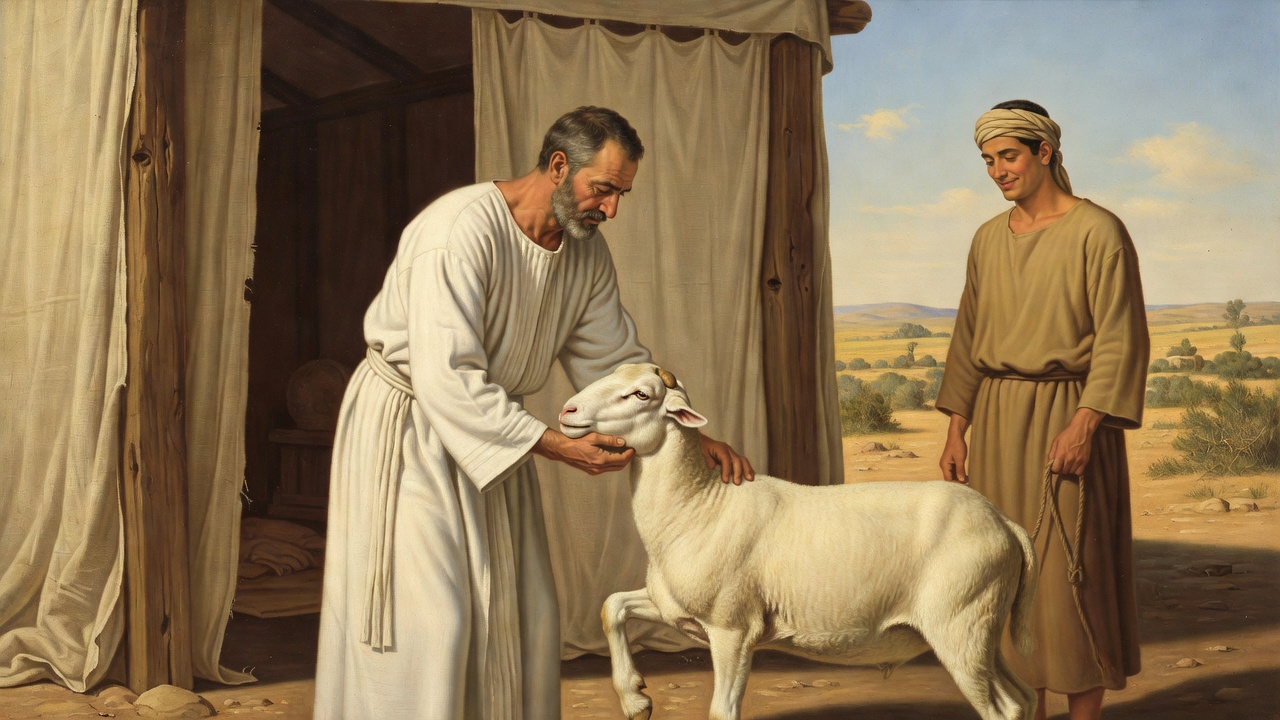
- Animals brought as sacrifices for burnt offerings or peace offerings had to be without blemish, such as blindness, injuries, sores, or physical deformities. In addition, newborn livestock had to remain with their mother for seven days before becoming eligible for sacrifice on the eighth day.Sources: the Bible text itself
- If a non-priest unintentionally ate of the sacred food, the law required full restitution plus an additional fifth of its value paid to the priest. This ensured sacred contributions consecrated to God were not treated carelessly by the community.Sources: the Bible text itself
Notes written with AI assistance from open sources (Theographic Bible Metadata, CC BY-SA 4.0; Easton’s Bible Dictionary, public domain) and reviewed before publishing.
Places in this chapter
- Egypt · 30.129, 31.308 · verse 33
Only places identified with high confidence are shown (90% or more according to the scholarly sources compiled by OpenBible). Period map: DARE (Digital Atlas of the Roman Empire), CC BY 4.0; modern map: © OpenStreetMap contributors; places: OpenBible.info (CC BY 4.0).
Credits and license for this translation
Bibiri Kuyie Nnɑ́ɑǹtì Pɑ́tíri
The Holy Bible in the Ditammari language of Benin
copyright © 2001 SIM International
Language: Ditammari
Translation by: SIM
This translation text is made available to you under the
terms of the Creative Commons License: Attribution-Noncommercial-No Derivative Works.
( http://creativecommons.org/licenses/by-nc-nd/3.0/ )
In addition, you have permission to port the text to different file formats, as long as you
do not change any of the text or punctuation of the Bible.
You may share, copy, distribute, transmit, and extract portions
or quotations from this work, provided that you include the above copyright
information:
You must give Attribution to the work.
You do not sell this work for a profit.
You do not make any derivative works that change any of the actual words or punctuation of the Scriptures.
Permissions beyond the scope of this license may be
available if you contact
us with your request.
This translation is made available to you under the terms of the
Creative Commons Attribution-No Derivatives license 4.0.
You may share and redistribute this Bible translation or extracts from it in any format, provided that:
You include the above copyright and source information.
You do not make any derivative works that change any of the actual words or punctuation of the Scriptures.
Pictures included with Scriptures and other documents on this site are licensed just for use with those Scriptures and documents.
For other uses, please contact the respective copyright owners.
2022-05-31
Source: http://ebible.org/tbzsim/ · eBible.org