Leviticus 21
Bibiri Kuyie Nnɑ́ɑǹtì Pɑ́tíri · Tap a verse to see its cross-references.
Ikuɔ́ ìì tukúnɛ̀ ikuɔ́ nìùbɛ̀
DÈÈNNÌ: Ikuɔ́ nìùbɛ̀ bo nci dɛ̀
1Kɛ̀ ti Yiɛ̀ nKuyie nní nsɔkɛ́ ku nɑ́ɑǹtì kɛ́nɑ́kɛ́ Mɔyiisi kɛ dɔ̀: Nɑ́kɛ́ ikuɔ́ nìùbɛ̀ Anɔɔ bí kɛ dɔ̀:
Ikuɔ́ nìùtì mɔù bɑ́ɑ́ tɔ́ɔ́nnɛ̀ o cĩ́ɛ̃̀tɛ̀ kóo cíì mɔù kɛ́sĩnkùnnɛ omɑ́ɑ̀. 2Kɛ̀ dɛ̀ sɑ̀ɑ̀ í tú o cĩ́ɛ̃̀tɛ̀ kou mɔ́mmuɔ nwe. O cicɛ yoo o yɔ̃ yoo o birɛ yoo o nɑntɛ̀ yoo o kóo kótì. 3Nɛ̀ o tɑ̃ũ̀ wèè kpɑɑ́ tɛcĩ́ɛ̃̀tɛ̀ kɛ mu nyí yĩ̀ɛ̃́tɛ́ onitidɔ̀ù kɛ yɛ̃́ ò mu nyí yenkɛmɛ̀, ò bo nɑ kóò kɑ̀ɑ́kɛ́. 4Wenwe wèè ni bɛnìtìbɛ̀, ò bɑ́ɑ́ dɔɔ̀ dɛ̀ɛ̀ ci o cĩ́ɛ̃̀tɛ̀ miɛkɛ kɛ́sĩ̀nkùnnɛ omɑ́ɑ̀.
5Ikuɔ́ nìùbɛ̀ níí bɑ́ɑ́ fentɛ́ fentɛ́ tiyùtì bɛ yɔ ĩ́nkɛ̀, yoo bɛ̀ɛ kuó bɛ nucìtì kɛ́soó mbɛ dɛbìi, bɛ̀ mɛ mbɑ́ɑ́ dúɔ́kɛ́ bɛmɑ́ɑ̀. 6Bɛ̀ cɑ̃̀ɑ̃́mmu kɛ bo n kó mutɔ̃mmú kpɛ́í. Bɛ̀ bɑ́ɑ́ cɑkɛ n yètìrì, bɛɛ̀ n feu iwũɔ̃ bɛ̀ m pɑ̃ɑ̃ nyì. Nɛ̀ dɛ kpɛ́í mbɛ̀ dò nkɛ́ndò mpɑ́íí nwe.
7Dɛ̀ cimu ikuɔ́ nìùtì bo puokɛmɛ̀ onitipòkù wèè dɔuti dɔutinɛ̀ bɛnitidɑɑbɛ̀ yoo osɑpɑ̀ɑ̀ mbɛ̀ cɑ̀kɛ wè, yoo onitipòkù wèè yenkɛ kɛ yentɛ́, ikuɔ́ nìùtì cɑ̃̀ɑ̃́mmu kɛ tú n kóo nìtì. 8Di dò nkɛ́nwúó nyikuɔ́ nìùbɛ̀ bɛnìtìbɛ̀ n tɑ̃ɑ̃tɛ́ bɛ̀mbɛ n tɔ̃mmú kpɛ́í bɛ̀ cɑ̃̀ɑ̃́mmu, kɛ yɛ̃́ bɛɛ̀ n feumɛ̀ iwũɔ̃ di m pɑ̃ɑ̃ nyì. Dí mbɛ̀ wùó mbɛnìtìbɛ̀ bɛ̀ɛ̀ cɑ̃̀ɑ̃́ nkɛ dò mpɑ́íí. Mí ndi Yiɛ̀ nKuyie mmíì bɛ̀ cɑ̃̀ńnɛ́.
9Kɛ̀ ikuɔ́ nìùtì mɔù kóo sɑpɑ̀ɑ̀ ncɑ̀kɛ omɑ́ɑ̀ kɛ dɔuti dɔutinɛ̀ bɛnitidɑɑbɛ̀ ò ɑ̃nnɛ́ o cicɛ nwe ifɛi, bɛ̀ɛ cɔ́u ndɛ kóo sɑpɑ̀ɑ̀.
10Ikuɔ́ nìùtì diɛwè wèè bɑkɛ́ bɛsɔmbɛ, bɛ̀ còú nwèè yuu mɛkùɔ̀ nkoò cɑ̃̀ńnɛ́ kòò dɑɑti ikuɔ́ yɑ̀ɑ̀tì, ò bɑ́ɑ́ yóu kòo yùtìi yɛ̃kɛ́ ò mɛ mbɑ́ɑ́ yóu kòo yɑ̀ɑ̀tìi kɛ̃rí. 11Ò bɑ́ɑ́ tɔ́ɔ́nnɛ̀ ocíì kɛ́sĩnkùnnɛ omɑ́ɑ̀, bɑ́ kòo cicɛ nwe yoo o yɔ̃. 12Ò bɑ́ɑ́ yɛ̀ mɛtɑummɛ̀ tou, ò yɑ̀ɑ̀ bo dì sĩ̀nkùnnɛ mɛ̀ɛ̀ kpɛ́í. Bɛ̀ ò còú mmɛkùɔ̀ mmɛ koò cɑ̃̀ńnɛ́ mí nKuyie n kpɛ́í. Míì tu di Yiɛ̀ nKuyie.
13Wèe puokɛ osɑpɑ̀ɑ̀ nwèè mu nyí yɛ̃́ onitidɔ̀ù. 14Ò bɑ́ɑ́ puokɛ okúpokù yoo wèè yenkɛ kɛ yentɛ́ yoo wèè dɔuti dɔutinɛ̀ bɛnitidɑɑbɛ̀ kɛ cɑ̀kɛ omɑ́ɑ̀. Ikuɔ́ nìùbɛ̀ botí miɛkɛ nkɛ ò dò nkɛ́tɑ̃ɑ̃tɛ́mɛ̀ osɑpɑ̀ɑ̀ nwèè mu nyí yɛ̃́ onitidɔ̀ù, kɛ́puokɛ. 15Ò yɑ̀ɑ̀ bo sĩ̀nkùnnɛ o fuku. Mí ndi Yiɛ̀ nKuyie mmíì ò cɑ̃̀ńnɛ́.
DƐ́Ɛ́NNÍ: Bɛ̀ɛ̀ bɑ́ɑ́ nɑ kɛ́ntú ikuɔ́ nìùbɛ̀
16Kɛ̀ ti Yiɛ̀ nKuyie nyíɛ́ kɛ́nɑ́kɛ́ Mɔyiisi kɛ dɔ̀: 17Nɑ́kɛ́ Anɔɔ kɛ tú n yɛ̃ nnɛ̀ bɛ̀ bo mbomɛ̀ nɛ̀ bɛ yɑɑ̀bío ikuɔ́ nìùtì wèè mɔ̀kɛ kuyɛ̀nkù ó bɑ́ n féútɛ́ fɛɔ̃̀fɛ̀ yoo ò m pɑ̃ tidiitì. 18Kòò mɔ̀kɛ kuyɛ̀nkù bɑ́ kùù botí ò bɑ́ɑ́ nɑ kɛ́pĩ́ ndɛ kó mutɔ̃mmú, kòò tu kuyũ̀ɔ̃̀nkù yoo dikpɛ̃nnì yoo dɛ̀mɑrɛ̀ yetɛ́ o ììkɛ̀. 19Kòo tɑ̀ɑ̀ku kuù mɛ nkèétɛ́ yoo o bɑkù. 20Kòò tu tɛhùtɛ̀ yiɛ̀, yoo ò dò ndɛcĩ̀ĩ̀rɛ̀ yoo ò ɑ̃ dinɔmpénnì yoo mɛkpɑ̃̀ɑ̃̀, yoo tɛwũɔ̃tɛ̀ mɑtɛ̀ ɑ̃ o kɔ̃̀ntì yoo o tɑkuò mpɔ̀ntɛ. 21Anɔɔ kó kufuku miɛkɛ ikuɔ́ nìùtì mɔù bɑ́ n féútɛ́ fɛɔ̃̀fɛ̀ yoo ò m pɑ̃ tidiitì kɛ́nsɑ̀ kòò mɔ̀kɛ kuyɛ̀nkù, ò bɑ́ɑ́ nɑ kɛ́pĩ́ nyikuɔ́ nìùtì kó mutɔ̃mmú. 22Dɛ yiɛ̀ mbo nɑ kɛ́di bɛ̀ m pɑ̃ tìì diitì yoo bɛ̀ m pɑ̃ dɛ̀ kɛ yɛ̃tɛ́ kɛ tuɔ nkɛ sùɔ́. 23Ò mɛ mbɑ́ɑ́ tɑ mɛtɑummɛ̀ tou kuyɑ̀ɑ̀kù kpetí dɛ̀ yoo wèe tɔ́ɔ́nnɛ̀ diwũɔ̃tɔ̀nnì, ò tu kuyɛ̀nkù yiɛ̀ nwe, ò yɑ̀ɑ̀ bo sĩnkùnnɛ mɛtɑummɛ̀ tou nɛ̀ di nɛntì. N tú di Yiɛ̀ nKuyie nku kɛ míì dɛ̀ cɑ̃̀ńnɛ́.
24Mɛm̀mɛ, kɛ̀ Mɔyiisii tì nɑ̀kɛ́ Anɔɔ nɛ̀ o bí nɛ̀ Isidɑyɛɛribɛ sɔmbɛ.
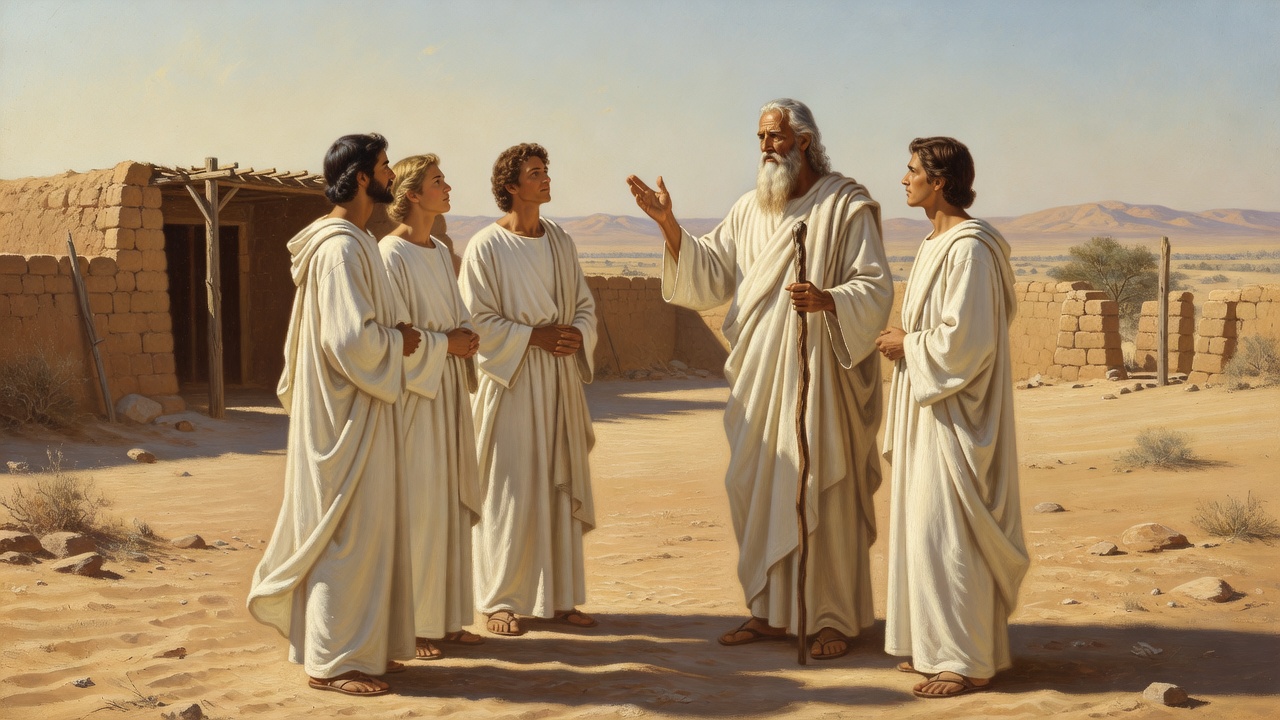
Did you know?
Holiness and Requirements for the Priesthood
- Ordinary priests were permitted to mourn only for immediate blood relatives—parents, children, and unmarried siblings—whereas the high priest was strictly forbidden from defiling himself for any corpse, including his own parents, and could not tear his vestments in grief.Sources: the Bible text itself
- While regular priests were forbidden from marrying divorced women or prostitutes, the high priest faced an even stricter standard: he was permitted to marry only a virgin from his own people.Sources: the Bible text itself
- Descendants of Aaron with physical blemishes or injuries were disqualified from presenting fire offerings at the altar, but they were still fully permitted to share in and eat the holy and most holy food portions.Sources: the Bible text itself
Notes written with AI assistance from open sources (Theographic Bible Metadata, CC BY-SA 4.0; Easton’s Bible Dictionary, public domain) and reviewed before publishing.
Credits and license for this translation
Bibiri Kuyie Nnɑ́ɑǹtì Pɑ́tíri
The Holy Bible in the Ditammari language of Benin
copyright © 2001 SIM International
Language: Ditammari
Translation by: SIM
This translation text is made available to you under the
terms of the Creative Commons License: Attribution-Noncommercial-No Derivative Works.
( http://creativecommons.org/licenses/by-nc-nd/3.0/ )
In addition, you have permission to port the text to different file formats, as long as you
do not change any of the text or punctuation of the Bible.
You may share, copy, distribute, transmit, and extract portions
or quotations from this work, provided that you include the above copyright
information:
You must give Attribution to the work.
You do not sell this work for a profit.
You do not make any derivative works that change any of the actual words or punctuation of the Scriptures.
Permissions beyond the scope of this license may be
available if you contact
us with your request.
This translation is made available to you under the terms of the
Creative Commons Attribution-No Derivatives license 4.0.
You may share and redistribute this Bible translation or extracts from it in any format, provided that:
You include the above copyright and source information.
You do not make any derivative works that change any of the actual words or punctuation of the Scriptures.
Pictures included with Scriptures and other documents on this site are licensed just for use with those Scriptures and documents.
For other uses, please contact the respective copyright owners.
2022-05-31
Source: http://ebible.org/tbzsim/ · eBible.org