Judges 8
Bibiri Kuyie Nnɑ́ɑǹtì Pɑ́tíri · Tap a verse to see its cross-references.
Efɑdɑimmu kɔbɛ yɛ̀mmɛ̀ cɑ̀ɑ̀rɛ̀mɛ̀
1Dɛ mɔ̀nnì kɛ̀ Efɑdɑimmu kɔbɛɛ bekɛ Sedeɔ̃ɔ̃ kɛ dɔ̀: Dɛ̀ yĩmɛ kɑ̀ɑ í ti yu kɛ̀ ti bo dɑ teennɛ̀ mudoò, kɛ kɔ̀tɛ ɑmɑ́ɑ̀ kɛ dokɛ́nɛ̀ Mɑndiyɑ̃ɑ̃bɛ?
Kɛ̀ bɛ̀ nhò kpɑ̀nnɛ̀ mɛdiɛ̀. 2Kɛ̀ Sedeɔ̃ɔ̃ bɛ̀ tɛ̃̀ńnɛ́ kɛ dɔ̀: N dɔ̀ɔ̀ dɛ̀ bɑ́ɑ́ nɑ kɛ́tuɔkɛ di kpɛrɛ. Díndi Efɑdɑimmu kɔbɛ di dɔ̀ɔ̀ dɛ̀ pɛ̃ɛ̃tɛ́mu ti dɔ̀ɔ̀ dɛ̀ tínti Abiesɛɛ nɑɑ̀mùnkù kɔbɛ. 3Kuyie nhɑ̃nnɛ́ díì nɔu miɛkɛ Mɑndiyɑ̃ɑ̃bɛ kpɑ̀ɑ̀tìbɛ̀ Odɛbu nɛ̀ Sɛbu kɛ̀ di bɛ̀ pĩ, n nɛ́ dɔ̀ɔ̀ bɑ kɛ dɛ̀ pɛ̃ɛ̃tɛ́ mɛmmɛ.
Sedeɔ̃ɔ̃ ti mbɛ́i nkɛ̀ Efɑdɑimmu kɔbɛ miɛkɛɛ do.
Sedeɔ̃ɔ̃ domɛ̀ Suditɛ̃ɛ̃ diyiè yìɛ̀ní kɛ̀ɛ̀ bíɛ́kɛ̀ kɔbɛ
4Sedeɔ̃ɔ̃ nɛ̀ o nìtìbɛ̀ sikɔusìtɑ̃ɑ̃ti (300) kɛ̀ bɛ̀ɛ tuɔkɛ Suditɛ̃ɛ̃, kóò sèńtɛ́ kɛ sɔ̃́ mbɛ̀ ɔ̀u, kɛ mɛ mbɑɑ nsɔkɛ́ kɛ bɛtì bɛ dootitɔbɛ̀, 5kɛ́tuɔkɛ Sukɔti ɛì kɛ̀ Sedeɔ̃ɔ̃ nɑ́kɛ́ dɛ kó dihɛì kɔbɛ kɛ dɔ̀: Pɑ̃nɛ̀ n nìtìbɛ̀ mudiì bɛ̀ ɔ̀umu, m bɛtì Mɑndiyɑ̃ɑ̃bɛ kpɑ̀ɑ̀tìbɛ̀ mbɛ, Sebɑ nɛ̀ Sɑdimunɑ.
6Kɛ̀ dihɛì kó bɛkótíbɛ̀ɛ ò tɛ̃̀ńnɛ́ kɛ dɔ̀: Ti di pɑ̃ mudiì bɑ nkpɛ́í? A nɑmu Sebɑ nɛ̀ Sɑdimunɑ kɛ dèèɑ̀? 7Kɛ̀ Sedeɔ̃ɔ̃ bɛ̀ tɛ̃̀ńnɛ́ kɛ dɔ̀: Ti Yiɛ̀ nKuyie mbo n duɔ́ ndìì mɔ̀nnì Sebɑ nɛ̀ Sɑdimunɑ m bo di puotínɛ̀ dikpɑ́ɑ̀ kó tipotì, kɛ́ dí yɔ́rí ipo.
8Kɛ̀ Sedeɔ̃ɔ̃ ítɛ́ dɛborɛ̀ kɛ́kɔtɛ Penniyɛɛdi, kɛ́ bɛ̀ mɔɔ ò bɑɑ do mɔɔ mɛ̀ɛ̀ botí Sukɔti ɛì kɔbɛ, kɛ̀ bɛ̀ɛ ò tɛ̃̀ńnɛ́ bɛtɔbɛ̀ bɑɑ do ò tɛ̃̀ńnɛ́ tì. 9Kɛ̀ Sedeɔ̃ɔ̃ bɛ̀ nɑ̀kɛ́ kɛ dɔ̀: Kɛ̀ n nɑ n dootitɔbɛ̀ kɛ kũntiní n yóó pɔntɛmu dihɛì kó ditou kperì dii.
10Sebɑ nɛ̀ Sɑdimunɑ bɛ̀ do bo Kɑɑdikɔɔdi nwe, nɛ̀ bɛhɑ̃ɑ̃pɔ̀mbɛ̀ tɛkɔupípíítɛ̀ nɛ̀ sikɔupísìnùmmù (15000), kɛ yɛ̃́ bɛ̀ do kùɔmɛ̀ diyiè yìɛ̀ní kɛ̀ɛ̀ bíɛ́kɛ̀ kó bɛhɑ̃ɑ̃pɔ̀mbɛ̀ tɛkɔupíkɔ̀ùtɛ̀ nɛ̀ sikɔupípísìdɛ́ (120000) kɛ̀ bɛɛ̀ nsúɔ́. 11Kɛ̀ Sedeɔ̃ɔ̃ tũnnɛ bɛnɑɑcɛ̃mbɛ keri fɛ̀ɛ̀ cìɛ̀fɛ̀ fɛ̀ɛ̀ yìɛ̀nɛ̀ Nɔbɑ nɛ̀ Yokoɑ diyiè yìɛ̀ní kɛ̀ɛ̀ bíɛ́kɛ̀, kɛ́do o dootitɔbɛ̀ kɛ sɔ̃́ mbɛ yɛ̀mmɛ̀ dò mbɛ̀ sɔ̀ri kòò mɔù í yóó bɛ̀ yɑ̀. 12Mɑndiyɑ̃ɑ̃ kpɑ̀ɑ̀tìbɛ̀ bɛdɛ́ Sebɑ nɛ̀ Sɑdimunɑ kɛ̀ bɛ̀ɛ cokɛ́. Kɛ̀ Sedeɔ̃ɔ̃ bɛ bɛ̀ti kɛ́pĩ́ nkɛ̀ bɛ̀ɛ nɑ bɛhɑ̃ɑ̃pɔ̀mbɛ̀ bɛmɔu kɛ́ bɛ̀ ɑutɛ́.
13Kɛ̀ Sedeɔ̃ɔ̃ nkũntiní mudoò kɛ́yɛ̀nní Edɛsi tennì, 14kɛ́pĩ́ nSukɔti kóo dɑpɑ̀ɑ̀ mmɔù kóò bekɛ kòo ò wɑ̃̀ri bɛkpɑ̀ɑ̀tìbɛ̀ nɛ̀ bɛhɛikɛ̀nkótíbɛ̀ yètɛ̀ kɛ̀ bɛ̀ ḿbo sipísìyiekɛ̀ nɛ̀ bɛ̀yiekɛ̀. 15Dɛ kó difɔ̃nkúò kɛ̀ Sedeɔ̃ɔ̃ kɔtɛ kɛ́yɑ̀ Sukɔti ɛì kɔbɛ kɛ́ bɛ̀ bekɛ kɛ dɔ̀: Di kpɑɑ́ yɛ̃́ di sòò n sɑ̃̀ɑ̃́mmɛ̀ kɛ tú n nɑmu Sebɑ nɛ̀ Sɑdimunɑ kɛ dèè, kɛ tú n nìtìbɛ̀ ɔ̀u kɛ̀ di bɛ̀ pɑ̃ mudiɑ̀? M mɛ ndi tɔnímu Sebɑ nɛ̀ Sɑdimunɑ.
16Mɛm̀mɛ ò tùótɛ́mɛ̀ dikpɑ́ɑ̀ kó tipotì nɛ̀ ipo kɛ́puotínɛ̀ Sukɔti ɛì kó bɛkótíbɛ̀, 17kɛ́deè kɛ́pɔntɛ Penniyɛɛdi ɛì kó ditou kperì, kɛ́kuɔ dɛ kó dihɛì kɔbɛ.
18Dɛ kó difɔ̃nkúò kɛ̀ Sedeɔ̃ɔ̃ bekɛ́ Sebɑ nɛ̀ Sɑdimunɑ kɛ dɔ̀: Di do kùɔ bɛ̀ɛ̀ nìtìbɛ̀ Tɑbɔɔ bɛ̀ do dòmmɛ? Kɛ̀ bɛ̀ɛ ò tɛ̃̀ńnɛ́ kɛ dɔ̀: Bɛ̀ do dɑ dònnɛ̀mu kɛ dò nyikpɑ̀ɑ̀tìbí. 19Kɛ̀ Sedeɔ̃ɔ̃ bɛ̀ tɛ̃̀ńnɛ́ kɛ dɔ̀: N tebìí nsi ti yɔ̃ òmɑ́ɑ̀, kɛ́deè kɛ́bɛ́i nkɛ dɔ̀: Ti Yiɛ̀ nKuyie mbomu kɛ̀ m pɑ̀rìkɛ̀ nɛ̀ ku yètìrì kɛ tú kɛ̀ di do mbɛ̀ yóu kɛ̀ bɛ̀ nfòù n nɑ bɑ́ ndi kùɔ.
20Ò bɛ́i mɛm̀mɛ kɛ́deè kɛ́pɛ́i nho kóo po Yetɛɛ kɛ dɔ̀: A pĩ́ mbɑ? Kuɔ bɛ̀!
Odɑpɑ̀ɑ̀ mmɛ nyí ndɑ̀ɑ́tí ò do kpɑɑ́ bɛmmu. Kɛ̀ dɛɛ̀ nte kòo yɔtɛ. 21Sebɑ nɛ̀ Sɑdimunɑ kɛ̀ bɛ̀ɛ nɑ́kɛ́ Sedeɔ̃ɔ̃ kɛ dɔ̀: Ti kuɔ ɑ mɔ́mmuɔ, bɑ́ wè nɛ̀ o kó dikɔ̃m̀bùɔ̀ ndi.
Kɛ̀ Sedeɔ̃ɔ̃ ítɛ́ kɛ́ bɛ̀ kùɔ kɛ́túótɛ́ bɛ yòyóbɛ̀ do dúúkú tìì sɑ̃tì.
Sedeɔ̃ɔ̃ yetɛmɛ̀ tikpɑ̀tì
22Kɛ̀ Isidɑyɛɛribɛɛ nɑ́kɛ́ Sedeɔ̃ɔ̃ kɛ dɔ̀: Fɔ̃́ɔ̃̀ yó nti bɑkɛ́, ɑ kó difɔ̃nkúò kɑ̀ɑ birɛɛ sɔɔtɛ́ kɛ́ nti bɑkɛ́, kɑ̀ɑ yɑɑ̀birɛɛ sɔɔtɛ́ kɛ́ nti bɑkɛ́. Fɔ̃́ɔ̃̀ ti dɛɛtɛ́nɛ̀ Mɑndiyɑ̃ɑ̃bɛ. 23Kɛ̀ Sedeɔ̃ɔ̃ bɛ̀ tɛ̃̀ńnɛ́ kɛ dɔ̀: N yí yó ndi bɑkɛ́, m birɛ mɛ nyí yó ndi bɑkɛ́ ti Yiɛ̀ nKuyie nkuù yó ndi bɑkɛ́.
24Dɛ kó difɔ̃nkúò kɛ́ bɛ̀ nɑ̀kɛ́ kɛ dɔ̀: N yóó di mɔɔ dɛ̀mɑrɛ̀ ndɛ, bɑ́ wè di miɛkɛ ò m pɑ̃ mumɑ́mɑ́ɑ́ ntinɛntì di ɛíní tì miɛkɛ.
Isimɑyɛɛribɛ do mɔkɛ dɛsɔɔmɑ́mɑ́nnɛ̀ ndɛ. Bɛ kó mɛborimɛ do mmɛ. 25Kɛ̀ bɛ̀ɛ yienko kɛ dɔ̀: Ti bo dɛ̀ ndɑ pɑ̃. Kɛ̀ bɛ̀ɛ pitɛ́ kuyɑ̀ɑ̀kù kɛtenkɛ̀ kɛ́ndɛì bɛ̀ ɛí ntìì nɛntì miɛkɛ mumɑ́mɑ́ɑ́ mùmɑ́ɑ̀ mùmɑ́ɑ̀, kɛ dɔunko ku ĩ́nkɛ̀. 26Dɛsɔɔmɑ́mɑ́nnɛ̀ bɛ̀ ò pɑ̃mmú dɛ̀, dɛ kó kucɛ̃́ɛ̃́kù do bo cìdóòbɛ̀ sipísìdɛ́ ndi, kɛ̀ bɛ̀ɛ yíɛ́ kóò pɑ̃mmú yɛtootɔ̃rɛ nɛ̀ tiyɑɑ̀sɑ̀ɑ̀tì tiwũɔ̃tì, Mɑndiyɑ̃ɑ̃bɛ kpɑ̀ɑ̀tìbɛ̀ do dɑɑti tì nɛ̀ tisɑ̃tì yòyóbɛ̀ do duuku tì. 27Kɛ̀ Sedeɔ̃ɔ̃ túótɛ́ dɛ kó mɛsɔɔ nkɛ́dɔɔ̀nɛ̀ tɛtenkɑɑnìtɛ̀ kɛ́ tɛ̀ còńnɛ́ Ofidɑɑ o ɛì miɛkɛ, kɛ̀ Isidɑyɛɛribɛ mbɑ́ɑ́ ndɛ kó tɛtenkɑɑnìtɛ̀ kɛ̀ tɛ̀ɛ nɑɑ́ ndidíìntɑ̃́rì Sedeɔ̃ɔ̃ nɛ̀ o cĩ́ɛ̃̀tɛ̀ kɔbɛ kpɛ́í.
28Mɛm̀mɛ Isidɑyɛɛribɛ nɑmɛ̀ Mɑndiyɑ̃ɑ̃bɛ, kɛ́ bɛ̀ bɔ mbɑ́ bɛ̀ tɛ̃́nkɛ í nnɑ kɛ ìtɛ́, kɛ̀ Isidɑyɛɛribɛ ɛì ḿbo mɛom̀pùmɛ̀ miɛkɛ kɛ dɔ̀ yɛbie nsipísìnɑ̀ɑ̀, Sedeɔ̃ɔ̃ fòmmu mumɔu miɛkɛ.
29Dɛ kó difɔ̃nkúò kɛ̀ Soɑsi birɛ Yedubɑɑdi kò nkɛ́mbo o cĩ́ɛ̃̀tɛ̀. 30Sedeɔ̃ɔ̃ do mɔkɛ initidɑbí sipísìyiekɛ̀ ndi ò pɛitɛ́mɛ̀, o pobɛ̀ do í sénní. 31Kòo pocɛ̃nnì dìì bo Sisɛmmu kɛ̀ dìi ò pɛitɛ́ dɛnitidɑbirɛ kòo dɛ̀ yu kɛ dɔ̀: Abimɛdɛki. 32Soɑsi birɛ Sedeɔ̃ɔ̃ do kòtɛ́mu mɛdiɛ̀ nkɛ̀ mɛborimɛ nhò nɑɑti kòò yɑ̀ɑ kúnɛ̀, kɛ̀ bɛ̀ɛ ò kũnnɛ́ o cicɛ Soɑsi fɔ̃ti, Ofidɑɑ Abiesɛɛ tempɛ̃ mmiɛkɛ.
Isidɑyɛɛribɛ wɛ̃̀tɛ kɛ domɛ̀
33Sedeɔ̃ɔ̃ ku dìì mɔ̀nnì kɛ̀ Isidɑyɛɛribɛɛ wɛ̃tɛ kɛ́fíé yɛbɔkɛ̀ Bɑɑdibɛ kɛ́túótɛ́ dibɔɔ̀ Bɑɑdi Bediti kɛ́dɔɔ̀ bɛ kó kuyie. 34Isidɑyɛɛribɛ tɛ̃́nkɛ í ndenniní ti Yiɛ̀ nKuyie nkpɛ́í kùù do bɛ̀ dɛɛtɛ́nɛ̀ bɛ dootitɔbɛ̀ bɛ̀ɛ̀ bɛ̀ fitɛ́. 35Bɛ̀ tɛ̃́nkɛ í ndɑkɛ Yedubɑɑdi Sedeɔ̃ɔ̃ cĩ́ɛ̃̀tɛ̀ kpɛ́í, ò do bɛ̀ dɔ̀ɔ̀ mɛ̀ɛ̀ sɑ̀ɑ̀ ndo dò mbɛ̀ ndɑkɛmu tɛ kpɛ́í.
Did you know?
The Pursuit of Midian and Gideon’s Later Years
- When the tribe of Ephraim angrily complained about not being summoned earlier to battle, Gideon defused the conflict with a diplomatic metaphor. He compared the 'gleanings of Ephraim'—their capture of the Midianite princes Oreb and Zeeb—favorably against the entire 'grape harvest' of his own clan, Abiezer.Sources: the Bible text itself · Gideon · Abiezer · Oreb
- The towns of Succoth and Penuel, located east of the Jordan River near the Jabbok, refused to give food to Gideon’s exhausted force of three hundred men. Fearing retribution if the Midianite kings Zebah and Zalmunna prevailed, their leaders withheld aid, prompting Gideon to punish both cities after his victory.Sources: the Bible text itself · Succoth · Penuel · Zebah
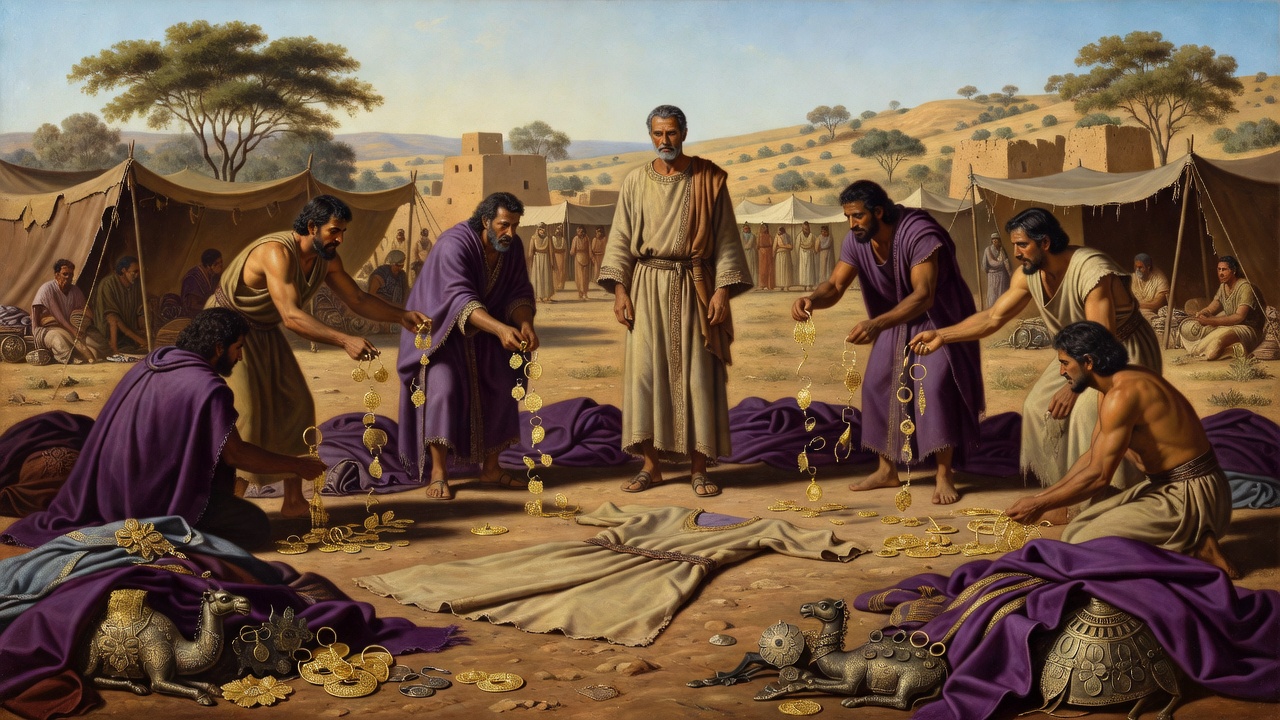
- Although Gideon rejected the offer of dynastic kingship over Israel by affirming that God alone should rule, he asked for the golden earrings plundered from the defeated nomadic invaders. With this gold he crafted an ephod for his hometown of Ophrah, which eventually became a snare of idolatrous worship for Israel.Sources: the Bible text itself · Ophrah · Gideon
Notes written with AI assistance from open sources (Theographic Bible Metadata, CC BY-SA 4.0; Easton’s Bible Dictionary, public domain) and reviewed before publishing.
Places in this chapter
- Midian · 28.495, 35.012 · verses 1, 3, 5, 12, 22, 26, 28
- Abiezer · Today: about 15 km around Afula · 32.606, 35.290 · verse 2
- Jordan · Today: Jordan River · 31.761, 35.558 · verse 4
- East · Today: region around Amman · 31.955, 35.934 · verse 10
- Mount Tabor · Today: Jebel et Tur · 32.686, 35.393 · verse 18
- Shechem · Today: Tell Balatah · 32.214, 35.282 · verse 31
Only places identified with high confidence are shown (90% or more according to the scholarly sources compiled by OpenBible). Period map: DARE (Digital Atlas of the Roman Empire), CC BY 4.0; modern map: © OpenStreetMap contributors; places: OpenBible.info (CC BY 4.0).
Credits and license for this translation
Bibiri Kuyie Nnɑ́ɑǹtì Pɑ́tíri
The Holy Bible in the Ditammari language of Benin
copyright © 2001 SIM International
Language: Ditammari
Translation by: SIM
This translation text is made available to you under the
terms of the Creative Commons License: Attribution-Noncommercial-No Derivative Works.
( http://creativecommons.org/licenses/by-nc-nd/3.0/ )
In addition, you have permission to port the text to different file formats, as long as you
do not change any of the text or punctuation of the Bible.
You may share, copy, distribute, transmit, and extract portions
or quotations from this work, provided that you include the above copyright
information:
You must give Attribution to the work.
You do not sell this work for a profit.
You do not make any derivative works that change any of the actual words or punctuation of the Scriptures.
Permissions beyond the scope of this license may be
available if you contact
us with your request.
This translation is made available to you under the terms of the
Creative Commons Attribution-No Derivatives license 4.0.
You may share and redistribute this Bible translation or extracts from it in any format, provided that:
You include the above copyright and source information.
You do not make any derivative works that change any of the actual words or punctuation of the Scriptures.
Pictures included with Scriptures and other documents on this site are licensed just for use with those Scriptures and documents.
For other uses, please contact the respective copyright owners.
2022-05-31
Source: http://ebible.org/tbzsim/ · eBible.org