Isaiah 66
Bibiri Kuyie Nnɑ́ɑǹtì Pɑ́tíri · Tap a verse to see its cross-references.
Kuyie ndɔ́ ku cĩ́ɛ̃̀tɛ̀ ntú tɛ̀ɛ̀ botí
1Kɛ̀ ti Yiɛ̀ nKuyie mbɛ́i nkɛ dɔ̀:
Kɛĩ́nkɛ̀ tu n kpɑ̀ɑ̀tìkɑ̀rì ndi,
kɛ̀ kɛtenkɛ̀ tu n nɑcɛ̀dɑɑ́nnì.
Di yó m mɑɑ́ ɔ̃̀ntɛ cĩ́ɛ̃̀tɛ̀?
Ɔ̃̀ndi bòrì ndi n níí yóó om̀pɛ̀mɛ̀?
2Di wúó ndɛ̀ɛ̀ kó dimɑ̀ɑ̀ míì dɛ̀ dɔ̀ɔ̀,
dɛ̀ɛ̀ kó dimɑ̀ɑ̀ bo míì te kɛ dɛ̀ yɛ̀nní.
Mí nwúó nwe tu ocĩ̀rì, osénnìwè, wèè yɛ̀mmɛ̀ cɑ̀ɑ̀rɛ̀,
wèè kemmu n nɑ́ɑǹtì nɛ̀ kufɔ̃wɑɑ́ nkɛ n dé.
3Wèè n fèútɛ́ fɛnɑ̀ɑ̀fɛ̀ kɛ kùɔ̀ onìtì,
wèè n kùɔ fɛpìèfɛ̀ kɛ kèétɛ́ tɛmɔtɛ̀ fɔ̃̀níí,
wèè m pɑ̃ɑ̃ ntidiitì kó yɛpɑ̃rɛ̀, kɛ n kɔù yɛfɔ̃̀nkɛ̀,
wèè n tùɔ̀ ntihúúntì kɛ wɛ̃̀tɛ kɛ feu yɛbɔkɛ̀,
bɛmbɛ kó dimɑ̀ɑ̀ bɛ̀ tɑ̃ɑ̃tɛ́mu dɛ kó kucɛ,
kɛ̀ dɛ̀ bɛ̀ nɑɑtinɛ̀ dɛ kó isɔkɛ.
4N tɑ̃ɑ̃tɛ́mu kɛ bo duɔ́ nkɛ̀ bɛ̀ɛ yɑ̀ mɛyɛi,
bɛ kɔ̃m̀bùɔ̀tì duò dɛ̀ n yóó dɛ mbɛ̀ bɔntɛ́,
n yu kɛ yumu òmɔù mɛ nyí cɔ̀útɛ́,
kɛ̀ m bɛ́i nhòmɔù mɛ nyí n tɛ̃̀ńnɛ́,
kɛ nɛ́ dɔ̀ɔ̀ m bɑɑ yɛ̃ n yí dɔ́ dɛ̀,
n yetɛ dɛ̀ bɛ̀ nɛ́ dɛ ntɑ̃ɑ̃tɛ́.
Kuyie nyóó dentɛ kɛ́teemmɛ̀ ku kɔbɛ
5Díndi bɛ̀ɛ̀ kɔ̃m̀bùɔ̀tì duò ti Yiɛ̀ nKuyie nnɑ́ɑǹtì,
keènɛ̀ kù tu mù: Di kɔbɛ bɛ̀ɛ̀ di níí nkɛ di yetírí di yu mɛ̀ɛ̀ kpɛ́í n yètìrì.
Bɛ̀ di dɑúmu kɛ tú:
Ti Yiɛ̀ nKuyie mbɛnkɛ ku kpetì kɛ̀ ti yɑ̀ di kó diwɛ̀ì,
dɛ yɛmbɛ̀ bɛɛ̀ mɔ́mmɔmbɛ yóó di ifɛi.
6Kéntɛ́nɛ̀ di bo keè kutoweku kùù dɑ̀ɑ́tí dihɛì.
Dɛ kó mɛtɑmmɛ̀ yìɛ̀ní Kuyie ncĩ́ɛ̃̀tɛ̀ ntɛ.
Ti Yiɛ̀ nKuyie nkó mɛtɑmmɛ̀ mmɛ,
kù yietì ku dootitɔbɛ̀ mbɛ̀ bɛ̀ mɑ̀nnɛ̀ tìì yeti.
7Siyɔ̃ɔ̃ ɛì í kuɔ́ ntipɔutì kɛ nɛ́ nɑ kɛ pɛitɛ́,
di kpɑɑ́ kɛ tú di bo kuɔ́ ntipɔutì kɛ pɑ̃̀nkɛ pɛitɛ́ dɛnitidɑbirɛ,
8We nkèè tiì mbotí diyiè mɑrì?
We nyɑ̀ diɛ̀ mbotí nɛ̀ ti bomɛ̀?
Dihɛì ɔ̃ɔ̃ í nhɑ̃nnɛ́ diyiè dìmɑ́ɑ̀,
kubotí ɔ̃ɔ̃ í nhɑ̃nnɛ́ dimɔ̀nnì dìmɑ́ɑ̀,
Siyɔ̃ɔ̃ yie kpɛrɛ nɛ́ mɛ ndɔ̀ɔ̀,
ò í kuɔ́ ntipɔutì kɛ pɑ̃̀nkɛ pɛitɛ́ní initidɑbí.
9Mí ndi Yiɛ̀ nKuyie m bo nte kòo nitipòkù pɔutìi bi kòò nɛ́ bɑ́ɑ́ pɛitɑ́ɑ̀?
Mí nwèè ɔ̃ nte kɛ̀ dɛbirɛɛ yɛ̀nní, míì bo dɛ̀ dìtínnɑ́ɑ̀?
Mí nKuyie nkùù di te míì ti ndi bekɛ.
10Díndi bɛ̀ɛ̀ dɔ́ Sedisɑdɛmmu dí nhò wɛ̃ńnɛ̀ kɛ yɑ̃nku,
dɛ̀ ndi nɑɑtinɛ̀ o kpɛ́í.
Díndi bɛ̀ɛ̀ do kuɔ̀ nSedisɑdɛmmu kṹṹ tiitɛ́nɛ̀ tihɑutì.
11Di yóó yɑ̃ɑ̃́mu o mɛ kɛ́nsɑ̀nnɛ̀ kɛ̀ dɛ̀ di bɑ́ntɛ̀.
Di yóó sɔ̃mu o miɛsɛrɛ̀ di dɔ́mɛ̀.
12Kɛ̀ ti Yiɛ̀ nKuyie nsɔɔtɛ́ kɛ́bɛ́i nkɛ dɔ̀:
N yóó tɔní diwɛ̀ì ndi Sedisɑdɛmmu kɛ̀ dì mpũɔ̃̀ nkukó nkɔ̃mɛ,
mɛniɛ nhɔ̃ɔ̃ tɑ kukó nkɛ́píɛmmɛ̀,
kutenkù kó tikpɑ̀tì yóó mɛ nhò píɛ.
Bɛ̀ bo ndi pĩɛ̃kɛ kɛ di yɑ̃ɑ̃ǹko,
kɛ́ ndi úúkú kɛ di wɑ́ɑ̀rì.
13Onitipòkù ɔ̃ mbɑ́ɑ́ mmɛ̀ɛ̀ botí o birɛ,
n yóó di bɑ́ntɛ̀ mɛɛ̀ botí Sedisɑdɛmmu miɛkɛ.
14Di yóó dɛ̀ yɑ̀mu kɛ̀ di yɛ̀mmɛ̀ɛ nɑrikɛ,
kɛ̀ dí bitɛ́ fɛĩ́nkɛ̀mbóntɑɑfɛ̀ ɔ̃ɔ̃ dúótɛ́ kɛ̀ timútìi dɔɔ̀mɛ̀.
Ti Yiɛ̀ nKuyie nyóó bɛnkɛmu kù nìtìbɛ̀ kù kpeńnìmɛ̀,
kɛ̀ ku dootitɔbɛ̀ɛ yɑ̀ ku miɛkɛ dòmmɛ̀.
15Ti Yiɛ̀ nKuyie nkèrínímu muhɑ̃ɑ̃́ mmiɛkɛ,
kɛ̀ ku kpɑ̀rìnɑɑsɛ̃ĩ́ fĩmmú fɛfɔ̀dɔ́nfɛ̀ kɔ̃mɛ.
Kɛ bo pɛitɛ ku pɛ̀ì nɛ̀ kɛmiɛkɛ, kɛ́tuɔ mbɛnìtìbɛ̀ fɛhɑ̃ɑ̃dɛɛ̀nfɛ̀.
16Ti Yiɛ̀ nKuyie bekùnɛ̀ muhɑ̃ɑ̃́ mmu
nɛ̀ dikpɑ̀rìsiè ndi kù tièmmɛ̀ bɛnìtìbɛ̀.
Kù bo kuɔ bɛnìtìbɛ̀ kutenkù kɛ̀ bɛ̀ nsũ.
17Bɛ̀ɛ̀ wèńkùnko bɛmɑ́ɑ̀ kɛ́cɑ̃́nnìnko kɛ kɔrì dɛpénnɛ̀ kó yɛbɔkɛ̀ borɛ̀,
kɛ tũũ̀ nhobɔɔyiɛ̀ nfɔ̃nkúò,
kɛ cɑ́ɑ́ nyɛfɔ̃̀nkɛ̀, nɛ̀ yɛtìrɛ̀, Kuyie nyetɛ dɛ̀.
Dɛ yɛmbɛ̀ yóó kúmu dimɔ̀nnì dìmɑ́ɑ̀.
Mí ndi Yiɛ̀ nKuyie míì bɛ́i.
18N yɛ̃́mu bɛ dɔɔ̀rìmɛ̀ nɛ̀ bɛ yɛǹtotí.
Kuyie nyóó tíímmɛ̀ ku kɔbɛ
Kɛ̀ Kuyie mbɛ́i nkɛ dɔ̀: N kéróomu kɛ bo tíí nyibotí imɔu kɔbɛ, kɛ̀ bɛ̀ɛ yɑ̀ n kó tikpetì. 19M bo dɔɔ̀ mɛbɛnkùmɛ̀ yɛbotɛ̀ cuokɛ̀, kɛ̀ yɛ kɔbɛ bɛ̀ɛ̀ yentɛ́nɛ̀ m beéntì m bo bɛ̀ tɔ̃ nyibotí tɛì miɛkɛ, Tɑdisisi nɛ̀ Puti kpɛri nɛ̀ Dudi kpɛri, bɛmbɛ bɛ̀ɛ̀ tu bɛtɑ̃ntɑ̃ũbɛ̀, m bo bɛ̀ tɔ̃ nyɛhɛkɛ̀ dɛ́tiyɛ̀, Tubɑɑdi nɛ̀ Yɑfɑ̃ɑ̃. Bɛ̀ɛ̀ í kèè bɛ̀ nɑ̀ɑ́mmɛ̀ n kpɛ́í, bɛ̀ mu nyí yɑ̀ dɛ̀ n kpetì. Dɛ kó bɛnìtìbɛ̀ bo nɑ́kɛ́ n kpetì ibotí tɛì. 20Kɛ̀ n tɔ̃ mbɛ̀ ntɔuní di tebìí sìì bo ibotí imɔu miɛkɛ. Bɛ̀ bo mbɛ̀ tɔuní nɛ̀ sisɛ̃ĩ́ nɛ̀ sikpɑ̀rìnɑɑsɛ̃ĩ́, nɛ̀ sisɛ̃ĩ́ tɛsì sìì mùmmu. Kɛ̀ bɛtɔbɛ̀ ndekɛ yɛsɑ̃mmɑrínnɑrɛ̀ nɛ̀ yòyóbɛ̀. Kɛ kũũ̀nnɛ̀nní n tɑ̃sɑ̀ɑ̀rì Sedisɑdɛmmu kɛ n duɔ̀. Isidɑyɛɛribɛ ɔ̃ nni mpɑ̃ɑ̃ mmɛ̀ɛ̀ botí yɛpɑ̃rɛ̀, kɛ ɑ̃ɑ̃̀ yɛbɔ sɑ̀ɑ̀yɛ̀ miɛkɛ kɛ tɔuní n cĩ́ɛ̃̀tɛ̀ miɛkɛ. Mí ndi Yiɛ̀ nKuyie mmíì mɛ nyɛ̃. 21Bɛ miɛkɛ m bo tɑ̃nkɛ́ ikuɔ́ nìùbɛ̀ nɛ̀ Defiibɛ mí ndi Yiɛ̀ nKuyie míì bɛ́i.
22Kɛĩ́nkɛ̀ pɑ̀nkɛ̀ nɛ̀ kɛtenkɛ̀ pɑ̀nkɛ̀ n dɔ̀ɔ̀ kɛ̀ bo mɛ̀ɛ̀ botí, di kó kuwuɔ yó mmɛ mbo nɛ̀ di kó diyètìrì.
23Dɛ mɔ̀nnì bɛnìtìbɛ̀ bɛmɔu
bo nkɔrìní m borɛ̀ bɑ́ wèè tɑ̃̀nkù,
bɑ́ tɛ̀ɛ̀ om̀pùtɛ̀ kɛ ninku n yììkɛ̀
mí ndi Yiɛ̀ nKuyie míì bɛ́i.
24Dɛ mɔ̀nnì bɛnìtìbɛ̀ bɛ̀ɛ̀ yetɛ n kpɛti
bɛ̀ bo kú kɛ́nduɔ́ kɛ̀ bɛnìtìbɛ̀ kɔ̀rìní kɛ bɛ̀ yɑ̀u.
Yɛbiɛ̀ yɛ̀ɛ̀ cɑ̀ɑ́ mbɛ kɔ̃̀ntì yɛ̀ í yóó kú,
muhɑ̃ɑ̃́ mmùù bɛ̀ tùɔ̀ mmù í yóó kú,
bɛ kpɛrɛ bo ndò nyisɔkɛ bɛnìtìbɛ̀ bɛmɔu kpɛ́í.
Did you know?
True Worship and the Gathering of Nations
- Isaiah opens this final chapter declaring that heaven is God's throne and earth His footstool, meaning no human building can contain Him. Instead, God values those who are humble and contrite in spirit and who tremble at His word, contrasting this disposition with ritual sacrifices made without genuine devotion.Sources: the Bible text itself
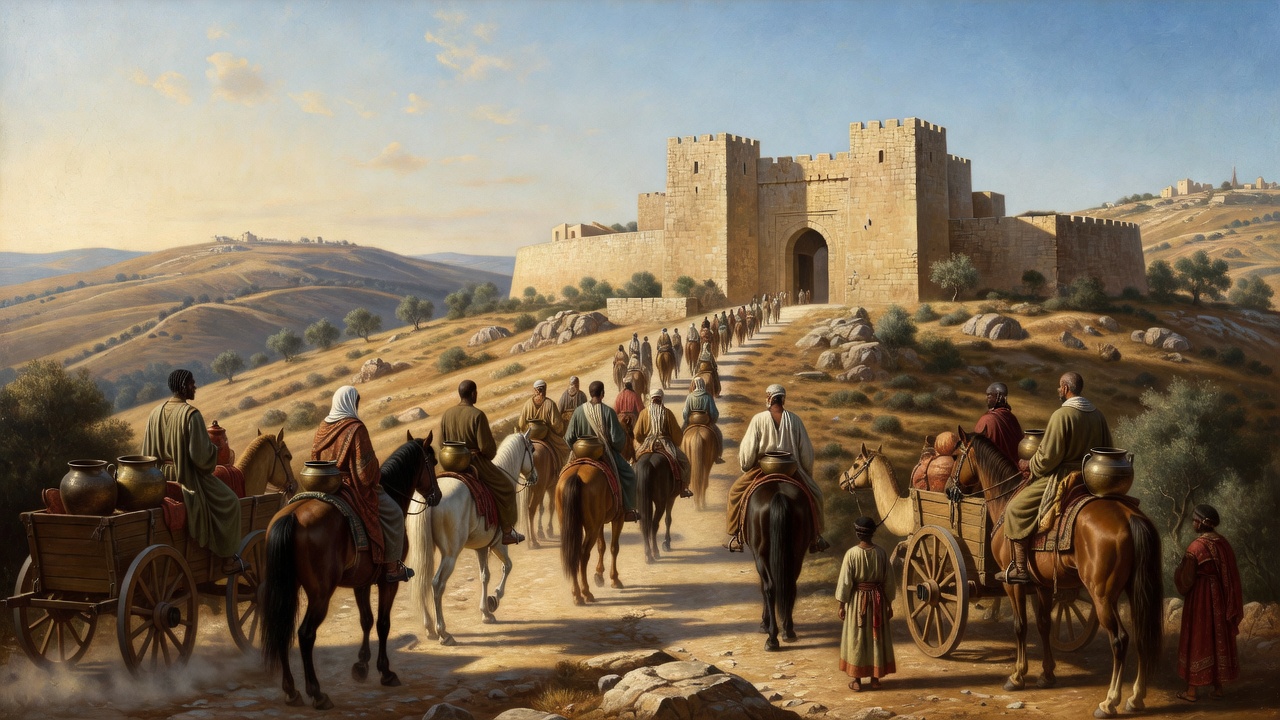
- The prophetic vision mentions messengers sent to far-flung regions, including Tarshish, the archers of Lud, Tubal, and Javan, which was the generic Hebrew designation for the Greek world. People from these distant coastlands and nations are depicted journeying to Jerusalem to witness God's glory.Sources: the Bible text itself · Tarshish · Lud · Javan
- The closing section describes enduring new heavens and a new earth where all humanity comes to worship regularly from one Sabbath and New Moon to the next. In an unexpected development, God announces that He will select some from among these gathered nations to serve as priests and Levites.Sources: the Bible text itself
Notes written with AI assistance from open sources (Theographic Bible Metadata, CC BY-SA 4.0; Easton’s Bible Dictionary, public domain) and reviewed before publishing.
Places in this chapter
- Jerusalem · 31.777, 35.234 · verses 7, 10, 12, 13, 20
- Zion · Today: Jerusalem · 31.777, 35.234 · verse 8
- Javan · Today: Ionia · 38.200, 27.500 · verse 19
- Lud · Today: Lydia · 38.488, 28.040 · verse 19
- Meshech · Today: about 200 km around Gordion · 39.655, 31.994 · verse 19
- Tubal · Today: Tabal · 37.296, 36.254 · verse 19
Only places identified with high confidence are shown (90% or more according to the scholarly sources compiled by OpenBible). Period map: DARE (Digital Atlas of the Roman Empire), CC BY 4.0; modern map: © OpenStreetMap contributors; places: OpenBible.info (CC BY 4.0).
Credits and license for this translation
Bibiri Kuyie Nnɑ́ɑǹtì Pɑ́tíri
The Holy Bible in the Ditammari language of Benin
copyright © 2001 SIM International
Language: Ditammari
Translation by: SIM
This translation text is made available to you under the
terms of the Creative Commons License: Attribution-Noncommercial-No Derivative Works.
( http://creativecommons.org/licenses/by-nc-nd/3.0/ )
In addition, you have permission to port the text to different file formats, as long as you
do not change any of the text or punctuation of the Bible.
You may share, copy, distribute, transmit, and extract portions
or quotations from this work, provided that you include the above copyright
information:
You must give Attribution to the work.
You do not sell this work for a profit.
You do not make any derivative works that change any of the actual words or punctuation of the Scriptures.
Permissions beyond the scope of this license may be
available if you contact
us with your request.
This translation is made available to you under the terms of the
Creative Commons Attribution-No Derivatives license 4.0.
You may share and redistribute this Bible translation or extracts from it in any format, provided that:
You include the above copyright and source information.
You do not make any derivative works that change any of the actual words or punctuation of the Scriptures.
Pictures included with Scriptures and other documents on this site are licensed just for use with those Scriptures and documents.
For other uses, please contact the respective copyright owners.
2022-05-31
Source: http://ebible.org/tbzsim/ · eBible.org