Isaiah 65
Bibiri Kuyie Nnɑ́ɑǹtì Pɑ́tíri · Tap a verse to see its cross-references.
Kuyie nyóó bekɛ́nɛ̀mɛ̀ bɛ̀ɛ̀ kù bùtínnɛ́ kɛ feu iwũɔ̃ yɛbɔkɛ̀
1Mɛm̀mɛ kɛ̀ Kuyie mbɛ́i nkɛ dɔ̀:
Bɛ̀ɛ̀ í n wɑɑ̀ n duɔ́ nkɛ̀ bɛɛ̀ m bekù bɛ kpɛti.
Bɛ̀ɛ̀ do n wɑɑ̀ n duɔ́ nkɛ̀ bɛ̀ n yɑ̀mu.
M bɛnkɛmu m mɑ́ɑ̀ kubotí kùù do í yu n yètìrì
kɛ yĩ: Ntɛnɛ̀ mí, ntɛnɛ̀ mí.
2N diɛ̀kù n nɔ̀ùtɛ̀ ntɛ yɛwe yɛmɔu kuwuɔ nkùù í yie
n kpɛti ku bíɛ́kɛ̀,
kɛ̀ bɛ̀ tũ̀ nkucɛ yɛiku,
kɛ dɔɔri bɛ yɛ̀mmɛ̀ dɔ́mɛ̀.
3Dɛ kó kuwuɔ nkɔbɛ n wɛ̃́nnìmu kɛ dɛ̀ feío kɛ feu iwũɔ̃ dɛpénnɛ̀ kó yɛtɔ̀rɛ̀
kɛ cɔ́unko tihúúntì titɑ̃́tì kó yɛdombiɛ nyĩ́nkɛ̀,
4kɛ ɑ̃ ifɔ̃ti miɛkɛ kɛ wentí titɑ̃dèntì miɛkɛ,
kɛ cɑ́ɑ́ nyɛfɔ̃̀nkɛ̀
kɛ ɑ̃ɑ̃̀ tidiitì tìì sĩ̀ mbɛ bɔ miɛkɛ miɛkɛ nkɛ kɛ nɑ́ɑ́nnɛ̀ bɛcíríbɛ̀ kɛ wɑɑ̀ mmɛteèmmɛ̀, kɛ yo ntibɔɔdiitì, Kuyie ndo yɛ̃ nyIsidɑyɛɛribɛ bɑ́ ndɔɔri dɛ̀.
5Bɛ̀ɛ̀ ɔ̃ nnɑ́ɑ́ mbɛnìtìbɛ̀ tɔbɛ̀ kɛ tú:
A bɑ́ n tɔ́ɔ́nnɛ̀ ɑ bɑ́ n tɔ́ɔ́nnɛ̀,
n yí dò nkɛ́kɑ́ɑ́kɛ́ kɑ̀ɑ n kɑ̀ɑ́kɛ́ ɑ tuɔti icɛ nyi.
Mí nKuyie m miɛkɛ kɛɛ̀ pɛ́ì dɛ yɛmbɛ̀ mɛdiɛ̀
dɛ̀ cɔ̀ú m miɛkɛ nkɛ sɑ̃́ɑ̃̀.
6N wɑ̃̀rimu bɛ dɔɔ̀rìmɛ̀ n yí yó mbɛ̀ wùónko,
n yóó bɛ̀ yietímu bɛ dɔɔ̀rìmɛ̀ weti weti.
7N yóó bɛ̀ yietímu bɛ yɛi nnɛ̀ bɛ yɛmbɛ̀ kɔ̃mɛ,
bɛ̀ do cɑɑ̀ri mí nwe bɛ̀ cɔ́unko dìì mɔ̀nnì tihúúntì yɛtɔ̀rɛ̀ yɛtɑ̃rɛ̀ ĩ́nkɛ̀.
N yóó bɛ̀ yietímu mɛyɛi mbɛ̀ n dɔ̀ɔ̀ mɛ̀.
Mí nKuyie mmíì bɛ́i.
8Fínyĩ̀ kó kubɑkù kùù pɛitɛ́,
bɛ̀ ɔ̃ɔ̃ í nkù bìɛ́ bɛ̀ ɔ̃ɔ̃ kù soómmu,
mɛɛ̀ botí nku n yóó dɔɔ̀mɛ̀ n nìtìbɛ̀,
n yí yóó bɛ̀ kùɔ bɛmɔu.
Mí nKuyie mmíì bɛ́i.
9M bo ɑ̃nnɛ́ Sɑkɔbu yɑɑ̀bí kuwuɔ,
bɛmbɛ Sudɑɑ kó kuwuɔ nkɔbɛ bɛɛ̀ yóó tiekɛ n tɑ̃sɑ̀ɑ̀rì,
bɛmbɛ n tɑ̃ɑ̃tɛ́ bɛ̀.
Bɛmbɛ n kó bɛtɔ̃mbɛ̀.
Bɛɛ̀ yóó dì tiekɛ kɛ́mbo.
10Bɛ̀ɛ̀ bo n wɑmmú bɛɛ̀ yó ncɛ̃mmù
ipe nɛ̀ sibɔɔ́ Sɑnɔɔ biriku
kɛ̀ Akɔɔ kɔku ntú dinɑɑcɛ̃nhòò.
11Díndi bɛ̀ɛ̀ nɛ́ n dootóo mí ndi Yiɛ̀ nKuyie
kɛ yɛ̃̀ n tɑ̃sɑ̀ɑ̀rì kpɛ́í kɛ pɑ̃ɑ̃ ndibɔɔ̀ Kɑti tidiitì
kɛ wɑɑ̀ nyɛyunɑtɛ̀ kɛ cou mɛnɑɑ̀ dibɔɔ̀ bɛ̀ tu dì Mɛnii.
12N yóó duɔ́ nkɛ̀ bɛ̀ di kuɔ mudoò miɛkɛ nkɛ,
di bo nnínkú di núù kɛ̀ bɛ̀ di feu,
kɛ yɛ̃́ n di yumɛ̀ kɛ̀ di cĩ́ɛ̃́kɛ́, kɛ̀ n nɑ́ɑ́ mbɑ́ di í ncɔ́ú.
N yɛ̃ ndɛ̀ɛ̀ í wenni di nɛ́ dɛ ndɔɔri.
N yɛ̃ n yí dɔ́ dɛ̀ di dɛ ntɑ̃ɑ̃tɛ́.
13Dɛɛ̀ kpɛ́í nte mí ndi Yiɛ̀ nKuyie kɛ̀ n tú
n tɔ̃mbɛ̀ bo nyo nkɛ̀ dɛ̀ sɑ̀nnɛ̀,
kɛ̀ dikònnì nɛ́ di bo,
n tɔ̃mbɛ̀ bo nyɔ̃̀ mbɛ̀ dɔ́mɛ̀,
kɛ̀ sinɛ́yɛ̃ĩ nɛ́ di kɔù.
N tɔ̃mbɛ̀ bo nyɑ̃nkunɛ̀ diwɛ̀ì,
kɛ̀ ifɛi nɛ́ di bo.
14Diwɛ̀ì bo mbo n kó bɛtɔ̃mbɛ̀ kɛ̀ bɛ̀ nyíú,
kɛ̀ mɛyɛǹcɑɑ̀rìmɛ̀ nɛ́ di bo kɛ̀ di kuɔ̀.
15N yóó di kuɔmu, kɛ̀ di yètɛ̀ɛ nɑɑ́ ndibɛnkɛ̀rì
kɛ̀ n kó bɛnìtìbɛ̀ n tɑ̃ɑ̃tɛ́ bɛ̀ níí yɛ̀ yu kɛ́pɑrìkɛ̀ kɛ dɔ̀:
Ti Yiɛ̀ nKuyie nni nkuɔ kù kùɔ mɛ̀ɛ̀ botí dɛ kó bɛnìtìbɛ̀.
16Wèè níí bo ndɔ́ n kó mɛsɑ̀ɑ̀ ò níí yó n yú kɛ dɔ̀:
nɛ̀ Kuyie ntimɔ́mmɔnti kɔku,
kɛ́ mɛ̀ pɛ̀tɛ́.
Kɛ̀ wèè dɔ́ kɛ́pɑrìkɛ̀, ò níí yóó pɑrìkɛ̀nɛ̀ n yètìrì ndi.
Kuyie nyóó dɔɔ̀mɛ̀ kɛtenkɛ̀ pɑ̀nkɛ̀ nɛ̀ kɛĩ́nkɛ̀
Mí nKuyie n tɛ̃́nkɛ bɑ́ɑ́ dentɛní mɛyɛǹcɑɑ̀rìmɛ̀ mɛ̀ɛ̀ pɛ̃ɛ̃tɛ́ mɛ kpɛ́í.
Mí nKuyie n yóó mɛ̀ kɛìmmu.
17N yóó dɔɔ̀ kɛĩ́nkɛ̀ pɑ̀nkɛ̀ nkɛ nɛ̀ kɛtenkɛ̀ pɑ̀nkɛ̀,
bɑ́ òmɔù bɑ́ɑ́ dentɛní dɛ̀ɛ̀ pɛ̃ɛ̃tɛ́ dɛ kpɛ́í,
òmɔù tɛ̃́nkɛ bɑ́ ntoti o yɛ̀mmɛ̀ dɛ kpɛ́í.
18Dí nyɑ̃nku nɛ̀ diwɛ̀ì kɛ̀ di yɛ̀mmɛ̀ nnɑɑti sɑ̃́ɑ̃̀.
N yóó dɔɔ̀ dɛ̀ kpɛ́í.
Sedisɑdɛmmu ɛì bo ntú diwɛ̀ì kpɛri,
kɛ̀ di nìtìbɛ̀ mbo kuyɛǹnɑɑtí miɛkɛ sɑ̃́ɑ̃̀.
19Diwɛ̀ì yó nni mbonɛ̀mu Sedisɑdɛmmu kɛ̀ nní nyɑ̃nku n nìtìbɛ̀ kpɛ́í.
Òmɔù tɛ̃́nkɛ bɑ́ɑ́ keè Sedisɑdɛmmu miɛkɛ
didɑbònnì nɛ̀ éyooì!
20Dɛ mɔ̀nnì dibíkɛ́mpɛ̃̀tìrì tɛ̃́nkɛ bɑ́ɑ́ kú,
òmɔù mɛ mbɑ́ɑ́ kú o bɛ́ntì.
Dɛ mɔ̀nnì wèè bo mmɔkɛ yɛbie ntɛkɔ̀ùtɛ̀ (100) kɛ́kú ò bɛ̀ńtɛ́mu.
Dɛ mɔ̀nnì wèè bo kú kɛ í tùɔ̀kɛ yɛbie ntɛkɔ̀ùtɛ̀ (100) Kuyie ncɔ̃ɔ̃ wènwe
21Dɛ mɔ̀nnì n nìtìbɛ̀ níí bo mɑɑ́ sicɛ̃́ĩ kɛ́ nsì ɑ̃,
kɛ́fííkú dɛtie kɛ́cɑ́ɑ́kɛ́ dɛ bɛ.
22Dɛ mɔ̀nnì bɛ̀ tɛ̃́nkɛ bɑ́ɑ́ mɑɑ́ kòo tɔù mɔùu tɑ,
bɛ̀ mɛ mbɑ́ɑ́ fííkú dɛtie n kòo tɔù mɔùu cɑ́ɑ́kɛ́ dɛ bɛ.
Bɛ we kó kusṹkù yó mmɑ̀nnɛ̀ dɛtie nkpɛyɛ mɑmɛ̀ mmɛ,
dɛ mɔ̀nnì kɛ̀ n nìtìbɛ̀ dɔ̀ɔ̀ dɛ̀ bɛɛ̀ yóó dɛ̀ di.
23Dɛ mɔ̀nnì òmɔù bɑ́ɑ́ ɔu dɛtetìrɛ̀
òmɔù mɛ mbɑ́ɑ́ pɛitɛ́ o birɛ kɛ̀ dɛ̀ɛ kú o nuɔ mmiɛkɛ
kɛ yɛ̃́ bɛmɔu bɛmbɛ nɛ̀ bɛ̀ bí bɛ̀ tumɛ̀ n dɔ̀ɔ̀ bɛ̀mbɛ mɛsɑ̀ɑ̀.
24Dɛ mɔ̀nnì bɛ̀ níí bo nkpɑɑ́ kɛ í m mɔɔ
kɛ̀ m bɛ̀ duɔ́mmu bɛ̀ dɔ́ dɛ̀.
Kɛ̀ bɛ̀ nkpɑɑ́ kɛ í bɛ́i kɛ̀ n kèè.
25Dimɑnnì nɛ̀ fɛpìèfɛ̀ dɛ̀ bo nwɛ̃ nkɛ diitì timútì.
Dicìrícìrì nɛ̀ fɛnɑ̀ɑ̀fɛ̀ kɛ̀ dɛ̀ nwɛ̃ nkɛ diitì timútì
kɛ̀ fɛwɑ̀ɑ̀fɛ̀ kó mudiì ntú mmutɑ̃́ɑ̃́,
dɛ̀mɑrɛ̀ tɛ̃́nkɛ bɑ́ɑ́ dɔɔ̀ dɛtɛrɛ̀ mɛyɛi.
Dɛ̀mɑrɛ̀ bɑ́ɑ́ cɑɑ̀rɛ̀ dɛtɛrɛ̀ n tɑ̃sɑ̀ɑ̀rì ĩ́nkɛ̀
Mí ndi Yiɛ̀ nKuyie mmíì bɛ́i.
Did you know?
Judgment, Renewal, and New Creation
- The prophecy mentions Sharon, a fertile plain between the Mediterranean Sea and the hills west of Jerusalem, alongside the Valley of Achor near Jericho. Named after the trouble caused by Achan, the Valley of Achor was proverbial for calamity, but Isaiah foretells that it will become a peaceful resting place for herds.Sources: the Bible text itself · Saron · Valley of Achor
- The chapter rebukes those who abandoned God to engage in illicit cultic practices, such as offering sacrifices in gardens, sitting among graves, eating pork, and spreading ritual tables of food and mixed wine for Fortune and Destiny.Sources: the Bible text itself
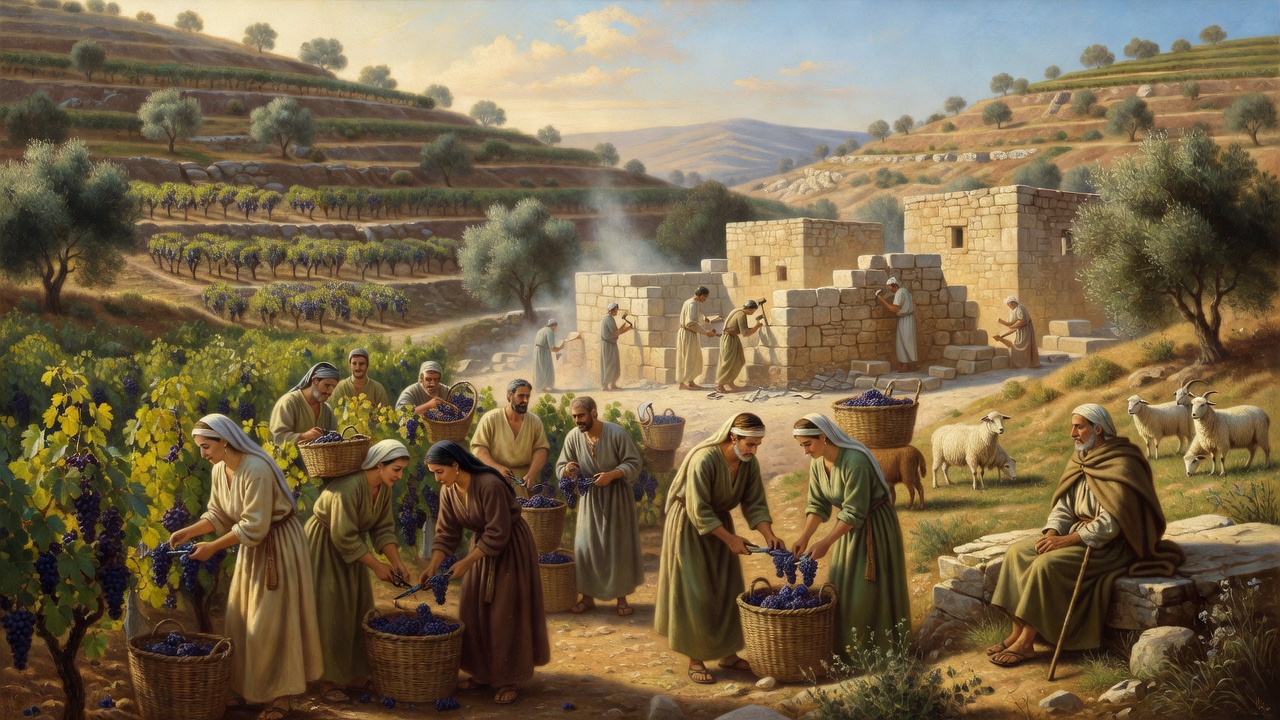
- Isaiah foretells the creation of new heavens and a new earth, where Jerusalem is transformed into a place of joy without weeping. The passage describes a secure future where people build houses they actually inhabit, plant vineyards to enjoy their fruit, and live out full lifespans compared to the longevity of trees.Sources: the Bible text itself · Jerusalem
Notes written with AI assistance from open sources (Theographic Bible Metadata, CC BY-SA 4.0; Easton’s Bible Dictionary, public domain) and reviewed before publishing.
Places in this chapter
Only places identified with high confidence are shown (90% or more according to the scholarly sources compiled by OpenBible). Period map: DARE (Digital Atlas of the Roman Empire), CC BY 4.0; modern map: © OpenStreetMap contributors; places: OpenBible.info (CC BY 4.0).
Credits and license for this translation
Bibiri Kuyie Nnɑ́ɑǹtì Pɑ́tíri
The Holy Bible in the Ditammari language of Benin
copyright © 2001 SIM International
Language: Ditammari
Translation by: SIM
This translation text is made available to you under the
terms of the Creative Commons License: Attribution-Noncommercial-No Derivative Works.
( http://creativecommons.org/licenses/by-nc-nd/3.0/ )
In addition, you have permission to port the text to different file formats, as long as you
do not change any of the text or punctuation of the Bible.
You may share, copy, distribute, transmit, and extract portions
or quotations from this work, provided that you include the above copyright
information:
You must give Attribution to the work.
You do not sell this work for a profit.
You do not make any derivative works that change any of the actual words or punctuation of the Scriptures.
Permissions beyond the scope of this license may be
available if you contact
us with your request.
This translation is made available to you under the terms of the
Creative Commons Attribution-No Derivatives license 4.0.
You may share and redistribute this Bible translation or extracts from it in any format, provided that:
You include the above copyright and source information.
You do not make any derivative works that change any of the actual words or punctuation of the Scriptures.
Pictures included with Scriptures and other documents on this site are licensed just for use with those Scriptures and documents.
For other uses, please contact the respective copyright owners.
2022-05-31
Source: http://ebible.org/tbzsim/ · eBible.org