Isaiah 50
Bibiri Kuyie Nnɑ́ɑǹtì Pɑ́tíri · Tap a verse to see its cross-references.
Kuyie nyí yetɛ Isidɑyɛɛribɛ
1Mɛm̀mɛ kɛ̀ ti Yiɛ̀ nKuyie mbɛ́i nkɛ dɔ̀:
Kɛ̀ di yɛ̃ n yetɛmu Sedisɑdɛmmu wèè tu di yɔ̃,
yé dipɑ́tíri mɛyɑtimɛ̀ kpɛri?
Kɛ̀ m mɛ ndi fìtɛ́mu kɛ bo yietí m bɑ̀ɑ̀,
yénɛ̀ dɛ kó dipɑ́tíri?
Di yɛi mmɛɛ̀ te kɛ̀ n di fìtɛ́,
di cɑɑ̀rìmɛ̀ mɛɛ̀ te kɛ̀ n yetɛ Sedisɑdɛmmu wèè tu di yɔ̃.
2N kɔ̀tɛnímu, dɛ̀ yĩ́mɛ kɛ̀ n yí yɑ̀ òmɔù,
n yumu, bɑ nte kòò mɔù í yíé?
Di yɛ̀mmɛ̀ dò m bɑkù kũpúrìmu kɛ bɑ́ɑ́ nɑ kɛ dí dɛɛtɑ́ɑ̀?
Di yɛ̀mmɛ̀ dò n kpɑmu muwɛ̃rímú m bo di dɛɛtɛ́mɑ̀ɑ̀?
Míì ɔ̃ɔ̃ bɛ́i nkɛ̀ dɑ̀mɛ́ɛ̀rì kṹṹ,
míì ɔ̃ɔ̃ duɔ́ nkɛ̀ ikó nkpeí,
kɛ̀ siyĩĩ mɔ́ntɛ́ mɛniɛ nkɛ́kú kɛ́pɑ̃ɑ̃kɛ.
3Míì ɔ̃ɔ̃ duɔ́ nkɛ̀ dibiìnnì dɑ́tínnɛ́ kɛĩ́nkɛ̀,
míì ɔ̃ɔ̃ kɛ̀ dɑ̀tínnɛ́ kuyɑɑsɔ̀ùkù wèè kɑ̀ri mukṹṹ nho kɔ̃mɛ.
Kuyie nkóo tɔ̃ntì dɔ́mɛ̀ kɛ́ nkù kèḿmú
4Ti Yiɛ̀ nKuyie nni ntiémmu dɛtɑncɔ́umbirɛ kɔ̃mɛ n do nkɛ́nɑ́kɛ́ tì,
kɛ̀ n yɛ̃́ tinɑ́ɑǹtì tìì bo teennɛ̀ bɛ̀ɛ̀ ɔ̀u,
bɑ́ dìì kṹnweńnì ò ɔ̃ nh entɛmu kɛ̀ nní ndɔ́ m bo nhò kèḿmúmɛ̀,
dɛtɑncɔ́umbirɛ ɔ̃ nkémmúmɛ̀ wèè dɛ̀ tiè.
5Ti Yiɛ̀ nKuyie nkuù n duɔ́ mɛyɛ̀mmɛ̀ m bo kù kèńtɛ́nɛ̀ mɛ̀, m mɛ nyí yetɛ, n yí wɛ̃̀tɛ n fɔ̃nkúò.
6M bɛnkɛmu m può bɛ̀ɛ̀ m puotì,
n yí yetɛnɛ̀ n kúònnì bɛ̀ɛ̀ fɔ̃̀ũ n dɛɛ̀nfɛ̀,
n yí yetɛnɛ̀ n yììkɛ̀ bɛ̀ɛ̀ n sɑ̃̀ɑ̃́ kɛ n suu tinɔ́ntɔ̃ũtì.
7Ti Yiɛ̀ nKuyie mmɛ nni nteénnɛ̀mu, dɛɛ̀ te kɛ̀ n kɔ̃̀ntì í yɑ̃rikɛ,
kɛ̀ n fìíkú teii,
n yɛ̃́mu kɛ dò n yí yóó di ifɛi.
8N kóo pɑtiwè tɔ̀kɛ́mu, kɛ̀ wèè n dɔ́nɛ̀ tinɑ́ɑǹtì, wèe kɔtɛní kɛ̀ ti mɑ́ɑ́.
Wèè dɔ́ tí bekɛ́ dɛ yiɛ̀ nkétɛ́ní.
9Ti Yiɛ̀ nKuyie nyó n teennɛ̀mu,
we nnɛ́ yóó yĩ́ n yí nɑɑti?
N dootitɔbɛ̀ yóó kɛ̃rímu tiyɑ̀ɑ̀tì kɔ̃mɛ kɛ n cóú kɛ̀ ibiɛ́ bɛ̀ cɑ̀ɑ́kɛ́.
Kuyie nkóo tɔ̃ntì tumɛ̀ bɛ̀ɛ ò kèńtɛ́
10Di miɛkɛ we ndé ti Yiɛ̀ nKuyie,
we nkèḿmú ku kóo tɔ̃ntì tu mù?
Wèè kèrí dibiìnnì miɛkɛ kɛ̀ kuwenniku í bo
dɛ yiɛ̀ n duɔ́ nhomɑ́ɑ̀ Kuyie kɛ́ nku mbúɔ́.
11Díndi bɛ̀ɛ̀ tùɔ̀tì muhɑ̃ɑ̃́ kɛ bɑɑ̀tì mɛpendɔ̀mmɛ̀ díì mɔ́mmɔmbɛ tɑti mu miɛkɛ.
Di pendɔ̀mmɛ̀ yóó tɑ̃ɑ̃́ dímbɛ,
Ti Yiɛ̀ nKuyie nkuù yɛ̃ dɛɛ̀ di tùɔ̀kɛní,
di yóó kú mɛfɛ̃́ṹtímɛ̀ miɛkɛ nkɛ.
Did you know?
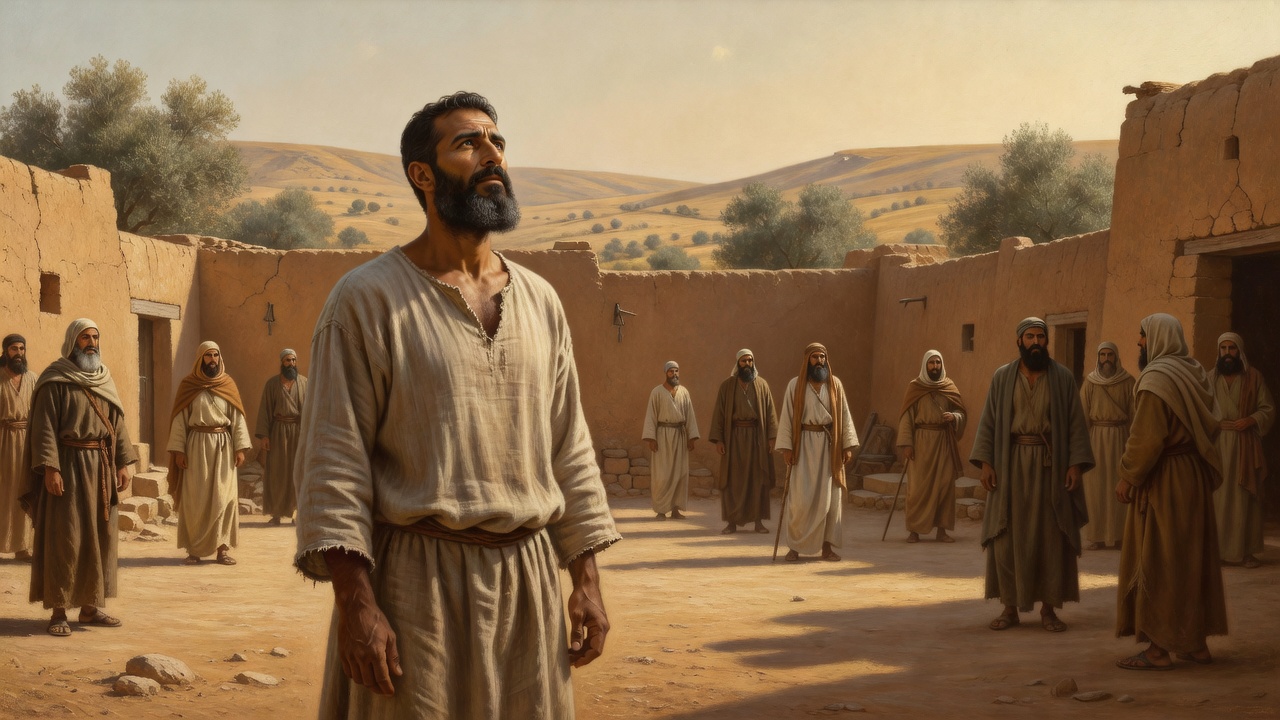
The Obedient Servant and Divine Vindication
- In ancient Near Eastern legal custom, a husband issued a certificate of divorce to formalize a separation, and impoverished debtors might sell their children into servitude. In Isaiah 50:1, God uses these legal metaphors to demonstrate that Israel was not abandoned due to a divine debt or permanent annulment of the covenant, but went into exile because of its own transgressions.Sources: the Bible text itself
- The speaker in Isaiah 50:4–7 portrays the posture of an attentive disciple who willingly endures physical maltreatment, including beatings, the plucking of his beard, and being spat upon. Setting one's face 'like flint' is a vivid idiom signifying resolute determination and steadfast trust in God despite public shame and hostility.Sources: the Bible text itself
Notes written with AI assistance from open sources (Theographic Bible Metadata, CC BY-SA 4.0; Easton’s Bible Dictionary, public domain) and reviewed before publishing.
Credits and license for this translation
Bibiri Kuyie Nnɑ́ɑǹtì Pɑ́tíri
The Holy Bible in the Ditammari language of Benin
copyright © 2001 SIM International
Language: Ditammari
Translation by: SIM
This translation text is made available to you under the
terms of the Creative Commons License: Attribution-Noncommercial-No Derivative Works.
( http://creativecommons.org/licenses/by-nc-nd/3.0/ )
In addition, you have permission to port the text to different file formats, as long as you
do not change any of the text or punctuation of the Bible.
You may share, copy, distribute, transmit, and extract portions
or quotations from this work, provided that you include the above copyright
information:
You must give Attribution to the work.
You do not sell this work for a profit.
You do not make any derivative works that change any of the actual words or punctuation of the Scriptures.
Permissions beyond the scope of this license may be
available if you contact
us with your request.
This translation is made available to you under the terms of the
Creative Commons Attribution-No Derivatives license 4.0.
You may share and redistribute this Bible translation or extracts from it in any format, provided that:
You include the above copyright and source information.
You do not make any derivative works that change any of the actual words or punctuation of the Scriptures.
Pictures included with Scriptures and other documents on this site are licensed just for use with those Scriptures and documents.
For other uses, please contact the respective copyright owners.
2022-05-31
Source: http://ebible.org/tbzsim/ · eBible.org