Isaiah 49
Bibiri Kuyie Nnɑ́ɑǹtì Pɑ́tíri · Tap a verse to see its cross-references.
Kuyie ntɑ̃ɑ̃tɛ́mɛ̀ ku kóo tɔ̃ntì
1Kɛ̀ Kuyie mpɑ̃ɑ̃nɑ́ɑǹtì nɑ́ɑǹtòo bɛ́i nkɛ dɔ̀:
Díndi kɛtenkɛ̀ kɛ̀ɛ̀ sokɛ́ dɑ̀mɛ́ɛ̀rì cuokɛ̀ kɛ kɔbɛ kéntɛ́nɛ̀,
díndi yɛhɛkɛ̀ dɛ́tiyɛ̀ kɔbɛ keènɛ̀.
Nɛ̀ n yɔ̃ pɔutì miɛkɛ nkɛ ti Yiɛ̀ nKuyie nni ntɑ̃ɑ̃tɛ́mɛ̀,
n yɛtìní dìì mɔ̀nnì ndi kù n yúmɛ̀,
2Kɛ n duɔ́ ntinɑ́ɑǹtì tìì dò ndisiè,
kɛ n kɑ̃nkɛ́ ku nɔ̀ùtɛ̀
kɛ n duɔ́ nku nɑ́ɑǹtì tìì dò nkupie,
kɛ nh ɑ̃nnɛ́ ku doò miɛkɛ.
3Kɛ n nɑ̀kɛ́ kɛ yĩ:
fɔ̃́ɔ̃̀ tu nkóo tɔ̃ntì.
Fɔ̃́ nyIsidɑyɛɛri n tɑ̃ɑ̃tɛ́ wè kɑ̀ɑ bo bɛnkɛ n kó tikpetì.
4Mí nhEsɑii kɛ̀ mí n yɛ̀mmɛ̀ nɛ́ dò nh ɔ̀u dɛtetìrɛ̀,
kɛ cɑ̀kɛ n wɛ̃rímú fɑ̀ɑ̀rɛ̀
kɛ yɛ̃́ bɑ kɛ̀ n Yiɛ̀ nKuyie nyɛ̃́mu n kpɛ́í,
kɛ n cuuti bo ku borɛ̀.
5Di mmɔ̀nnì n Yiɛ̀ nKuyie nkuù bɛ́i kunku kùù m pìítɛ́ n yɔ̃ pɔutì miɛkɛ,
kɛ̀ m bo ntú ku kóo tɔ̃ntì.
Kɛ tɛ̃́nnɛ́ní Sɑkɔbu yɑɑ̀bí ku borɛ̀,
kɛ̀ bɛ̀ ntíkú ku borɛ̀.
N Yiɛ̀ nKuyie nkùu n dɔ̀ɔ̀ mɛsɑ̀ɑ̀ nkɛ n yu,
kuù tu n kó muwɛ̃rímú.
6Kù n nɑ̀kɛ́mu kɛ yĩ:
A bo ntúmɛ̀ n kóo tɔ̃ntì,
kɛ́íi nSɑkɔbu yɑɑ̀bí mɑ́ɑ̀ dɛ̀ í sɑnnɛ̀
n dɑ tɑ̃ɑ̃tɛ́ kɑ̀ɑ bo ntú kutenkù kó kuwenniku nku,
kɛ̀ dɛ̀ɛ yie nkɛ̀ mɛdɛɛtímɛ̀ɛ pitɛ́ kɛ́tuɔkɛ itemmɑ̀nkɛ imɔu.
Isidɑyɛɛribɛ bɛ̀ɛ̀ cìɛ́tɛ́ bɛ̀ yóó wɛ̃tɛ kɛ́kũṹmmɛ̀
7Mɛm̀mɛ kɛ̀ Kuyie mbɛ́i nkɛ́ dɔ̀:
Ntɛ mí nhɑ Yiɛ̀ nKuyie n tú mù
mí nwèè dò mpɑ́í pɑ́í,
mí nwèè tu fɔ̃́ nyIsidɑyɛɛri ɑ kóo donti,
ntɛ n dɑ nɑ́ɑ́ nti fɔ̃́ mbɛ̀ sènkɛ̀rì wè,
fɔ̃́ nkutenkù wùó nwè kɛ̀ dɛ̀ kù mɔ̀kɛ isíɛ́,
fɔ̃́ mbɛ̀ɛ̀ bɑkɛ́ bɛ̀ dɔ̀ɔ̀ wè bɛ kó kudɑɑkù
bɛkpɑ̀ɑ̀tìbɛ̀ yóó dɑ yɑ̀mu kɛ ítɛ́ kɛ́cómmú
kɛ́ sikpɑ̀ɑ̀tìbìí dɑ yɑ̀ kɛ nínkú ɑ ììkɛ̀
n dɔɔrimu m bɛ́i ntì
kɛ̀ dò mpɑ́í pɑ́í mí nwèè dɑ tɑ̃ɑ̃tɛ́ fɔ̃́ nyIsidɑyɛɛri.
8Kɛ yíɛ́ kɛ bɛ́i nkɛ́ dɔ̀:
N kèèmu ɑ bɑ́ɑmmìi dimɔ̀nnì sɑ̀ɑ̀rì kɛ ì cɔutɛ́,
kɛ dɑ teennɛ̀ n dɔ́ kɛ́ dɑ dɛɛtɛ́ dìì mɔ̀nnì.
Míì dɑ pìítɛ́ kɛ dɑ dɛɛtɛ́ kɑ̀ɑ bo dɔɔ̀ mɛtɑummɛ̀
mí nnɛ̀ bɛnìtìbɛ̀ ti cuokɛ̀,
kɛ íi ndihɛì, kɛ̀ bɛnìtìbɛ̀ɛ kɑri kɛtenkɛ̀ kɛ̀ɛ̀ do duɔ́o.
9Kɑ̀ɑ kpetɛ́ bɛ̀ɛ̀ bo yɛkpetíntuo kɛ bɛ̀ɛ yɛ̀
bɛ̀ɛ̀ bo dicuri kɛ̀ bɛ̀ɛ̀ yɛ̀nní dɛdɑɑtírɛ̀.
Dɛ mɔ̀nnì bɛ̀ bo ndònnɛ̀ ipe ìì cèntì kɛ diiti yɛtɑ̃rɛ̀ ĩ́nkɛ̀ ì dɔ́mɛ̀.
10Dikònnì bɑ́ɑ́ bɛ̀ pĩ́
sinɛ́yɛ̃ĩ mɛ mbɑ́ɑ́ bɛ̀ potɛ́ kɛtenkɛ̀ bɑ́ɑ́ tonkɛ̀ kɛ́ bɛ̀ tùɔ.
Diyiè mɛ mbɑ́ɑ́ bɛ̀ cɔ́u nkɛ yɛ̃́ wèè bɛ̀ ni ò bɛ̀ mɔkɛnɛ̀mɛ̀ mɛsémmɛ̀ kɛ yó mbɛ̀ kɔ̀rìnɛ̀ mɛnɛ́sɑ̀ɑ̀mɛ̀ borɛ̀.
11M bo dɔɔ̀ yɛtɑ̃rɛ̀ kɛ̀ yɛ̀ɛ nɑɑ́ nyicɛ,
m bo ĩ́ĩ́tí yɛfɔ̃̀tɛ̀ icɛ.
12Ntɛ bɛ kɛ kéríní bɛ̀ ìtɛ́ní dɛdɛ́tirɛ̀ ndɛ kɛ̀ bɛ̀mɑbɛ̀ boní kubɑkù yoú,
kɛ̀ bɛtɔbɛ̀ boní diyiè tɑɑ̀ kɛ̀ɛ̀ bíɛ́kɛ̀,
kɛ̀ bɛtɔbɛ̀ boní Esibiti.
13Fɔ̃́ nkɛĩ́nkɛ̀ dɛ̀ ndɑ nɑɑti,
fɔ̃́ nkɛtenkɛ̀ kɑ̀ɑ nyɑ̃nku,
díndi yɛtɑ̃rɛ̀ kɛ̀ di nyíú
kɛ yɛ̃́ mí ndi Yiɛ̀ nKuyie m bɑ̀ńtɛ̀mɛ̀ n nìtìbɛ̀,
n kuɔ́mmu bɛsénnìbɛ̀ mɛsémmɛ̀.
Kuyie ntumɛ̀ kù í yóó yɛ̃̀ nku kɔbɛ
14Kɛ̀ Kuyie mbɛ́i nkɛ dɔ̀:
Sedisɑdɛmmu nɑ̀ɑ́ nkɛ tú:
Ti Yiɛ̀ nKuyie nni mbɔntóomu
kù n yɛ̃̀mmu.
15Onitipòkù bo yɛ̃̀ nho birɑɑ̀?
Mɛsémmɛ̀ ɔ̃ɔ̃ í ndɛ̀ nhò bonɑ̀ɑ̀?
Bɑ́ kòo nitipòkù bo yɛ̃̀ nho birɛ mí m bɑ́ɑ́ dɑ yɛ̃̀.
16N dɑ wɑ̃̀rimu n nɔu miɛkɛ,
n nɔ̀nfɛ̀ í iiti ɑ ɛì kó iduotí ĩ́nkɛ̀.
17Ntɛ bɛ̀ɛ̀ yóó mɑɑ́ fɔ̃́ nSedisɑdɛmmu ɛì kɛ cootiní.
Bɛ̀ɛ̀ do dɑ pɔ̀ntɛ kɛ́dɛ́ítɛ́ bɛ̀ yìɛ̀mu kɛ cokù.
18Fɔ̃́ nSedisɑdɛmmu ɛì, éu nhɑ yuu kɛ́wéntɛ́ ɑ fitímɛ̀,
ɑ bí imɔu tikumu kɛ kɔrìní ɑ borɛ̀.
Mí nKuyie m bomu kɛ̀ míì bɛ́i.
Ì yó ndo ntisɑ̃tì nti ɑ kpɛ́í, kɑ̀ɑ mbɛ̀ yì fɛnɑɑ̀kɔ̃̀nfɛ̀ kɔ̃mɛ.
19Sedisɑdɛmmu ɑ do dɔúnkomu kɛ nɑɑ́ ntidobontì
bɛnìtìbɛ̀ nɛ́ wɛ̃ti kɛ bo ɛ̃́kɛ́mu ɑ miɛkɛ.
Bɛ̀ɛ̀ do dɑ pɔ̀ntɛ kɛ̀ bɛ̀ɛ dɛ́tɛ́.
20A nìtìbɛ̀ ɑ do pɑ̀ɑ̀ bɛ̀,
bɛ̀ wɛ̃ti kɛ bo dɑ nɑ́kɛ́ kɛ dɔ̀:
Ti ɛ̃̀kɛ́mu tí pɑ̃ mɛfíè nkɛ̀ ti kɑri.
21A bo mbékú ɑmɑ́ɑ̀ kɛ tú:
We mpɛitɛ́ bɛ̀ nnìtìbɛ̀ n do pɑ̀ɑ̀mu ibí
kɛ́ndò ntɛhɑ̃ũntɛ kɛ̀ bɛ̀ n yetɛ,
we nnɛ́ bɛ̀ pií, n do bo m mɑ́ɑ̀ kɛ̀ bɛ̀ borɛ?
22Kɛ̀ ti Yiɛ̀ nKuyie nyíɛ́ kɛ́bɛ́i nkɛ dɔ̀:
Mí nhɑ Yiɛ̀ nKuyie n yóó youtɛ n nɔ̀ùtɛ̀ ntɛ.
Yɛbotɛ̀ bíɛ́kɛ̀ kɛ̀ yɛ̀ɛ yɑ̀ n cɑnnimɛ̀,
bɛ̀ bo nhúúkú initidɑbí kɛ tũɔ̃kɛ́ initipòì kɛ kũntiní ɑ borɛ̀.
23Bɛkpɑ̀ɑ̀tìsɑpɑ̀mbɛ̀ bo ntú ɑ kó bɛbíyuɔ̀rìbɛ̀,
kɛ̀ bɛkpɑ̀ɑ̀tìbɛ̀ tu bɛ̀ɛ̀ ì tiè,
bɛ̀ bo nnínkú ɑ ììkɛ̀ kɛ sĩĩnko kɛ dɛ́ú ɑ nɑcɛ̀tɑ̃́ɑ̃́.
Dɛ mɔ̀nnì kɑ̀ɑ bɑntɛ́ dɛ̀ ɔ̃ɔ̃ í ndimɛ̀ bɛ̀ɛ̀ duɔ́ mbɛmɑ́ɑ̀ mí ndi Yiɛ̀ nKuyie.
24Okpɑ̀rìnuɔnti do ɛí dɛ̀ bɛ̀ bo dɛ̀ fìètɑɑ̀?
Okpɑ̀ɑ̀tìyonkuwe do kpetí bɛ̀ bɛ̀ bo bɛ̀ kpetɑ́ɑ̀?
25Okpɑ̀rìnuɔnti do ɛí dɛ̀ bɛ̀ bo dɛ̀ fìètɛmu
kɛ́kpetɛ́ okpɑ̀ɑ̀tìyonkuwe do kpetí bɛ̀.
Mí nKuyie mmíì bɛ́i.
Míì mɔ́mmuɔ nyóó dokɛ́nɛ̀ ɑ dootitɔbɛ̀ kɛ́dɛɛtɛ́ ɑ bí.
26Bɛ̀ɛ̀ do dɑ fɛ̃́ũnko m bo duɔ́ nkɛ̀ bɛ̀ɛ̀ cɑ́ɑ́kɛ́ bɛ kɔ̃̀ntì
bɛ̀ bo yɑ̃̀ bɛ̀ yĩ̀ĩ̀ nkɛ́muɔ́ mmɛnɑɑ̀ nkɔ̃mɛ,
kɛ̀ bɛnìtìbɛ̀ bɛmɔuu bɑntɛ́ míì tumɛ̀ ɑ Yiɛ̀ nKuyie, ɑ dɛɛtíwè, ɑ donti.
Did you know?
A Light to the Nations and the Restoration of Zion
- The Servant is commissioned not only to restore the tribes of Jacob and gather Israel, but also to be a light to the nations so that divine salvation reaches the ends of the earth.Sources: the Bible text itself · Jacob (Israel)
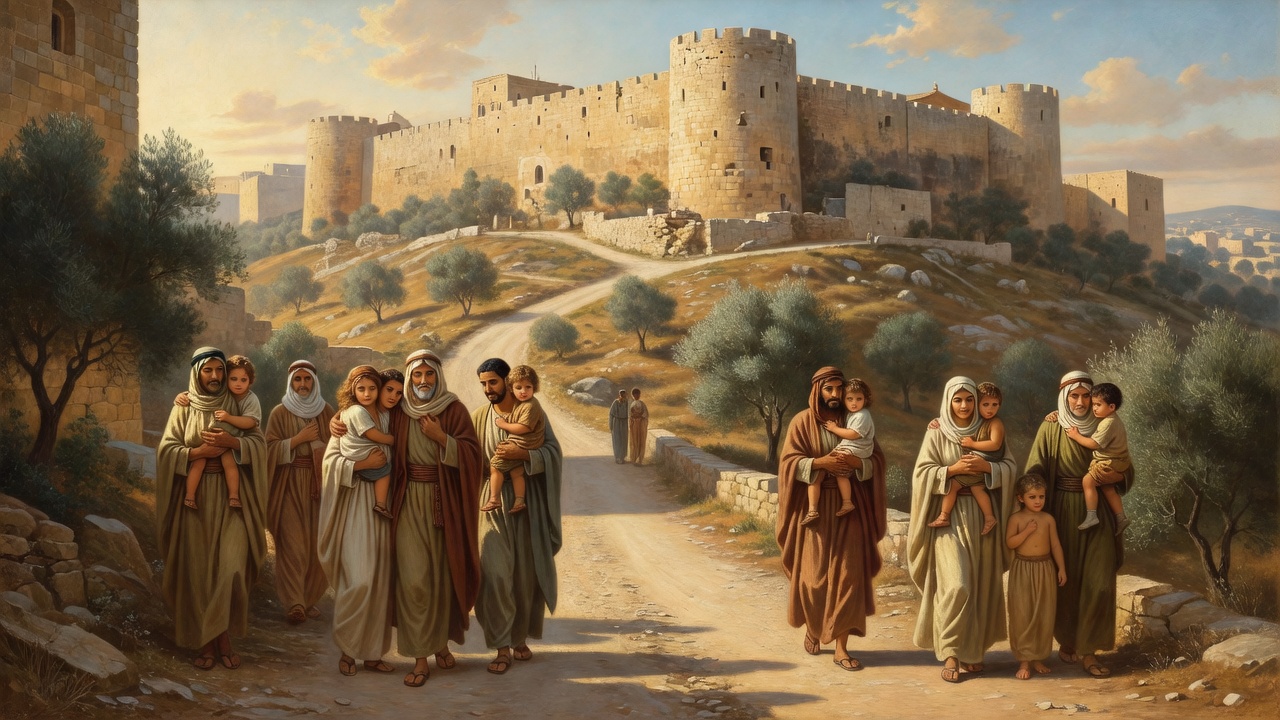
- Zion, the fortified southeastern hill of Jerusalem, grieves that the Lord has forsaken her, but God affirms that she is inscribed on the palms of His hands and will overflow with returning children.Sources: the Bible text itself · Zion
- The chapter depicts exiles journeying back from distant regions across the world, including the land of Aswan, historically known as Syene, the frontier town on the southern border of Egypt along the Nile.Sources: the Bible text itself · Syene
Notes written with AI assistance from open sources (Theographic Bible Metadata, CC BY-SA 4.0; Easton’s Bible Dictionary, public domain) and reviewed before publishing.
Places in this chapter
- Syene · Today: Aswan · 24.089, 32.900 · verse 12
- Zion · Today: Jerusalem · 31.777, 35.234 · verse 14
- Jerusalem · 31.777, 35.234 · verse 16
Only places identified with high confidence are shown (90% or more according to the scholarly sources compiled by OpenBible). Period map: DARE (Digital Atlas of the Roman Empire), CC BY 4.0; modern map: © OpenStreetMap contributors; places: OpenBible.info (CC BY 4.0).
Credits and license for this translation
Bibiri Kuyie Nnɑ́ɑǹtì Pɑ́tíri
The Holy Bible in the Ditammari language of Benin
copyright © 2001 SIM International
Language: Ditammari
Translation by: SIM
This translation text is made available to you under the
terms of the Creative Commons License: Attribution-Noncommercial-No Derivative Works.
( http://creativecommons.org/licenses/by-nc-nd/3.0/ )
In addition, you have permission to port the text to different file formats, as long as you
do not change any of the text or punctuation of the Bible.
You may share, copy, distribute, transmit, and extract portions
or quotations from this work, provided that you include the above copyright
information:
You must give Attribution to the work.
You do not sell this work for a profit.
You do not make any derivative works that change any of the actual words or punctuation of the Scriptures.
Permissions beyond the scope of this license may be
available if you contact
us with your request.
This translation is made available to you under the terms of the
Creative Commons Attribution-No Derivatives license 4.0.
You may share and redistribute this Bible translation or extracts from it in any format, provided that:
You include the above copyright and source information.
You do not make any derivative works that change any of the actual words or punctuation of the Scriptures.
Pictures included with Scriptures and other documents on this site are licensed just for use with those Scriptures and documents.
For other uses, please contact the respective copyright owners.
2022-05-31
Source: http://ebible.org/tbzsim/ · eBible.org