Isaiah 29
Bibiri Kuyie Nnɑ́ɑǹtì Pɑ́tíri · Tap a verse to see its cross-references.
Bɛ̀ yó ndò mbɛ̀ nɑmu Isidɑyɛɛribɛ kɛ̀ Kuyie nnɛ́ bɛ̀ dɛɛtɛ́
1A bo yɑ̀ fɔ̃́ nSedisɑdɛmmu dihɛidiɛ̀,
fɔ̃́ nDɑfiti do còńnɛ́ dìì ɛì o touku,
ɑ́ nyɛ́útí bɑkɛ yɛbɑɑ nyɛbie nduɔ́mɛ̀.
2M bo cɛ̃ɛ̃rɛ Sedisɑdɛmmu ɛì kɛ̀ dìì kɔmmú yɛdɑbùò,
kɛ́tɑ mɛyɛǹcɑɑ̀rìmɛ̀ nɛ̀ mɛhɑ́ɑ́rìmɛ̀ miɛkɛ,
Sedisɑdɛmmu bo nɑɑ́ nkɛhɑ̃ɑ̃dɛkɛ̀.
3N yóó dɑ domu kɛ dɑ cɛ̃ɛ̃tɛ kɛ cónnɛ́ sikpɑ̀rìnɑɑsɛ̃ĩ́
kɛ dɑ fitɛ́, kɛ dɑ pi.
4A dotimu kɛ bo nduɔ́ kɛ nɑ́ɑ́nní,
bɛ̀ bo nyo ɑ tɑmmɛ̀ kɛ̀ mɛ̀ dò mmɛ̀ yìɛ̀ní kɛtenkɛ̀,
ɑ tɑmmɛ̀ bo nyiɛ̀ní kɛtenkɛ̀ kɛ dònnɛ̀ dɛ̀mɑrɛ̀ kɔ̃mɛ,
bɛ̀ bo nyoní ɑ wíɛ kɛtenkɛ̀.
5A dootitɔbɛ̀ kusṹkù bo nɑɑ́ mmutɑ̃́popùò nkɛ́cíɛ́tɛ́,
bɛkpɑ̀ɑ̀tìyɛibɛ kó yɛtĩ̀rɛ̀ bo nɑɑ́ ntiyontì kɛ̀ kuyɑɑkù bɛ̀ tùótɛ́,
Di yóó dɔɔ̀mu, dɛ̀ yóó dɑ dɛɛtɛ́mu.
6Ti Yiɛ̀ nKuyie Mpɑkɛdɑɑ kèrínímu
kɛ bo dɑ teennɛ̀ kɛ̀ fɛtɑɑfɛ̀ mpɛ́ú kɛ̀ kɛtenkɛ̀ ɑu,
kɛ̀ kunɔɔ̀roo ndɑ́ɑ́tí nɛ̀ fɛtɑɑfɛ̀ diɛfɛ̀,
nɛ̀ kuyɑɑkù kperíkù nɛ̀ fɛfɔ̀dɔ́nfɛ̀
nɛ̀ fɛhɑ̃ɑ̃dɛɛ̀nfɛ̀ kɛ̀ fɛ̀ɛ cɔ́útɛ́ dɛmɔu.
7Bɛhɑ̃ɑ̃pɔ̀mbɛ̀ bɛɛ̀ doti Sedisɑdɛmmu ɛì mudoò
bɛ kpɛrɛ yó ndònnɛ̀ tidɔuǹtì ɔ̃ɔ̃ pĩ́mmɛ̀ mmɛ onìtì kɛyènkɛ̀ kɛ́pɛ̃ɛ̃tóo
bɛ̀ɛ̀ di peri idookɔti kɛ di ɛ̃́ũ̀rì, bɛ kpɛrɛ yó mmɛ ndò.
8Dɛ mɔ̀nnì bɛ̀ɛ̀ dokùnɛ̀ Siyɔ̃ɔ̃ bɛ yɛ̀mmɛ̀ bo cɑɑ̀rɛ̀
kɛ́ndonnɛ̀ dikònnì bo wè, kòò duɔ́ tidɔuǹtì kɛ yo,
kɛ èntɛní kɛ sɔ̃́ nhò bɑɑ kpɑɑ́ o kònnì ndi,
yoo sinɛ́yɛ̃ĩ bo wè,
kòò duɔ́ tidɔuǹtì kɛ yɔ̃̀,
kɛ èntɛní kɛ sɔ̃́ nhò bɑɑ kpɑɑ́ sinɛ́yɛ̃ĩ nsi.
Isidɑyɛɛribɛ muɔ́mmu dɛ̀ nɛ́ í tú mɛnɑɑ̀
9Dɛ̀ yóó di dimu kɛ dí kpeí
ṹṹnnɛ̀ kɛ́sonnɛ́ kɛ́nɑɑ́ ntiyũ̀ɔ̃̀ntì,
di muɔ́mmu dɛ̀ nɛ́ í tú mɛnɑɑ̀,
di ɑ̃́ɑ̃́mmu, dɛ̀ nɛ́ í tú di muɔ́ mɛnɑɑ̀.
10Ti Yiɛ̀ nKuyie nkuù di tɑnnɛ́ tikɔ̃ǹcɛ̃́ɛ̃́tì miɛkɛ,
kuù pìi ndíndi bɛ̀ɛ̀ nɑ̀ɑ́ nku pɑ̃ɑ̃nɑ́ɑǹtì di ììkɛ̀,
kuù kɑ̃ɑ̃́ mbɛyuwúom̀bɛ̀ yɔ kɛ̀ bɛ̀ bɑ́ɑ́ yɑ̀ tìì kpɑɑní.
11Dɛɛ̀ te kɛ̀ di í bɛí Kuyie ndi bɛnkɛ tì kɛ dònnɛ̀ onìtì bɛ̀ duɔ́ nwè dipɑ́tíri kɛ yɛ̃ nwèe kɑɑ̀, nkòò tu: M bɑ́ɑ́ nɑ, bɛ̀ di pɔ̃ũmmu kɛ ĩkú mɛcɑnnimɛ̀. 12Yoo bɛ̀ɛ dì duɔ́ nwèè í nɔ nkɛ kɑɑ̀ nkɛ dɔ̀ wèe kɑɑ̀ nkòò bɛ̀ tɛ̃̀ńnɛ́ kɛ dɔ̀: N yí nɔ nkɛ kɑɑ̀.
Kuyie yóó dɔɔ̀ tì bo dɛ́ɛ́tɛ́ ku nìtìbɛ̀
13Mɛm̀mɛ kɛ̀ ti Yiɛ̀ nKuyie mbɛ́i nkɛ dɔ̀:
Bɛ nnìtìbɛ̀ ɔ̃ɔ̃ kɔtɛní m borɛ̀
kɛ́ nni nsɑ̃ntí nɛ̀ bɛ nɔ̀ nyɛ,
kɛ̀ bɛ̀ yɛ̀mmɛ̀ nɛ́ n dɛ́tɛ́nɛ̀
bɛ̀ n dé kùù fɔ̃wɑɑ́ ntú bɛnìtìbɛ̀ dɔú nyìì kuɔ́ kɔku nku.
14Dɛɛ̀ kpɛ́í nte mí ndi Yiɛ̀ nKuyie nkɛ̀ n yóó
nsɔkɛ́ kɛ dɔɔri mudɛutɔ̃mmú kɛ̀ dɛ̀ɛ bɛ̀ di.
Bɛ̀ɛ̀ mɔ̀kɛ mɛyɛ̀mmɛ̀ bɛ̀ bɑ́ɑ́ nɑ kɛ́ mù bɑntɛ́.
Mɛciì nyɛmbɛ̀ bɑ́ɑ́ nɑ kɛ́ mù yĩ̀ɛ̃́tɛ́.
Òmɔù bɑ́ɑ́ sɔnnɛnɛ̀ Kuyie nho dɔɔ̀rìmɛ̀
15Di bo yɑ̀!
Díndi bɛ̀ɛ̀ ɔ̃ ndɔɔri di kpɛti kɛ n sɔrìnɛ̀,
bɛ̀ɛ̀ pĩ mbɛ tɔ̃mmú dibiìnnì miɛkɛ,
kɛ nɑ́ɑ́ nkɛ tú: We nti wúó,
we nti yɛ̃́.
16Di yɛimmɑɑ̀? Tiyɑɑmɑtì nɛ̀ oyɑɑmɑrì dɛ̀ mɑ̀mɑɑ̀?
Kunɛnkù bo nɑ́kɛ́ ku yiɛ̀ nkɛ dɔ̀:
A í n dɔ̀ɔ̀ɑ̀? Yɑ́ɑ̀ tiyɑɑmɑtì bo nɑ́kɛ́ wèè tì mɑɑ́ kɛ dɔ̀:
A í ciì?
Yɛmɔ̀rɛ̀ yóó ceetɛmɛ̀
17Kɛ̀ ti Yiɛ̀ nKuyie mbɛ́i nkɛ dɔ̀:
Dɛ̀ kpɑɑ́ sɑ́m̀pɔ́ nwe kɛ̀ Dimɑɑ tɑ̃rì nɑɑ́ kupɑku.
Dɛ̀ kpɑɑ́ sɑ́m̀pɔ́ nwe, kɛ̀ dɛ kó kupɑku nɑɑ́ nkutúúkù.
18Dɛ yiè yɛwũ̀ɔ̃̀ mbo keè dipɑ́tíri tɔ tìì nɑ́ɑǹtì,
kɛ̀ tiyũ̀ɔ̃̀ntìi yɛnní dihuri, dibiìnnì miɛkɛ kɛ́nɑ kɛ́yɑ̀.
19Dɛ mɔ̀nnì bɛ̀ɛ̀ í tú bɛ̀mɑbɛ̀ bɛ wɛ̀ì bo ndɛ́úkú
ti Yiɛ̀ nKuyie nkpɛ́í.
Bɛ̀ɛ̀ tu bɛsénnìbɛ̀, fɛnitiyɑnfɛ̀ miɛkɛ,
kɛ̀ bɛ̀ nyɑ̃nku ti Yiɛ̀ nKuyie kùù do mpɑ́í pɑ́í kɛ di
te Isidɑyɛɛribɛ ku kpɛ́í.
20Bɛkpɑ̀ɑ̀tìyɛibɛ tɛ̃́nkɛ í yó nkpɑɑ́.
Bɛ̀ɛ̀ dɑú bɛnìtìbɛ̀ bɛ̀ bɑ́ mbo.
Bɛ̀ɛ̀ kɛ́tìrì bɛtɔbɛ̀ kɛ bo bɛ̀ dɔ̀ɔ̀ mɛyɛi bɛ̀ bo deè.
21Bɛ̀ɛ̀ tounko bɛnìtìbɛ̀ tinɑ́ɑǹtì,
kɛ ɔ̃ɔ̃ ndíí obeéntì dibòrì,
kɛ̀ kpetì bɛnìtìbɛ̀ nɛ̀ bɛ nɑɑtí bɛ̀ bo deè.
22Dɛɛ̀ kpɛ́í nte kɛ̀ ti Yiɛ̀ nKuyie nSɑkɔbu do tũ nkù,
kunku kùù dɛɛtɛ́ Abɑrɑhɑmmu kɛ̀ kù bɛ́i nkɛ tú:
Ifɛi tɛ̃́nkɛ í yóó pĩ́ Sɑkɔbu kó kuwuɔ nkɔbɛ,
bɛ̀ tɛ̃́nkɛ bɑ́ɑ́ sĩ́nnɛ́ bɛ yɔ.
23Bɛ̀ bo yɑ̀ dìì mɔ̀nnì mutɔ̃mmú m pĩ́ mmù bɛ cuokɛ̀,
bɛ̀ bo bɑntɛ́ n túmɛ̀ wèè kpɑ mɛyɛi,
kɛ́bɑntɛ́ n tú wè, mí nwèè te Sɑkɔbu kó kuwuɔ nkɔbɛ,
kɛ́ n depɛ, mí nwèè te Isidɑyɛɛribɛ.
24Bɛ̀ɛ̀ kó mɛyɛ̀mmɛ̀ do dɔ́ kɛ́dɑutɛ́
kɛ̀ bɛ̀ɛ mɔɔtɛ mɛciì, bɛ̀ɛ̀ do ṹũ̀rì kɛ̀ bɛ̀ɛ cɔutɛ́ itié.
Did you know?
The Siege and Restoration of Ariel
- The name Ariel is used symbolically in this passage for Jerusalem, the city where King David once encamped. The term is also associated with an altar hearth for burnt offerings, picturing the city undergoing intense siege and distress before its sudden deliverance.Sources: Ariel · David · the Bible text itself
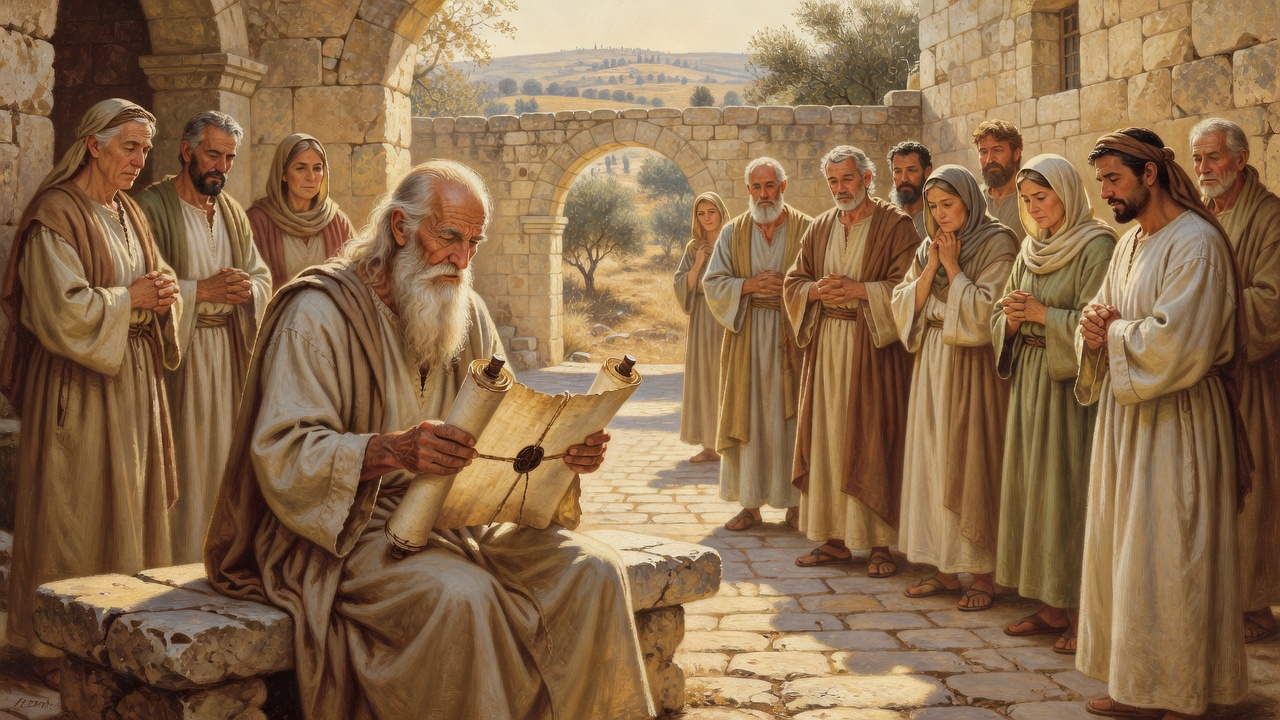
- Isaiah compares the spiritual insensibility of the people to a sealed scroll that the literate cannot open and the illiterate cannot read. He condemns those who reverse the natural order by acting as though the clay could question the potter who formed it.Sources: the Bible text itself
- The chapter promises a dramatic reversal in which the great mountain region of Lebanon becomes a fertile orchard. In that day, the descendants of Jacob and Abraham are promised understanding, joy, and justice as the blind see and the deaf hear.Sources: Lebanon · Abraham · Jacob (Israel) · the Bible text itself
Notes written with AI assistance from open sources (Theographic Bible Metadata, CC BY-SA 4.0; Easton’s Bible Dictionary, public domain) and reviewed before publishing.
Places in this chapter
- Ariel · Today: Jerusalem · 31.777, 35.234 · verses 1, 2, 7
- City of David · 31.774, 35.236 · verse 1
- Jerusalem · 31.777, 35.234 · verses 2, 3
- Mount Zion · 31.772, 35.229 · verse 8
- Lebanon · 33.540, 35.584 · verse 17
Only places identified with high confidence are shown (90% or more according to the scholarly sources compiled by OpenBible). Period map: DARE (Digital Atlas of the Roman Empire), CC BY 4.0; modern map: © OpenStreetMap contributors; places: OpenBible.info (CC BY 4.0).
Credits and license for this translation
Bibiri Kuyie Nnɑ́ɑǹtì Pɑ́tíri
The Holy Bible in the Ditammari language of Benin
copyright © 2001 SIM International
Language: Ditammari
Translation by: SIM
This translation text is made available to you under the
terms of the Creative Commons License: Attribution-Noncommercial-No Derivative Works.
( http://creativecommons.org/licenses/by-nc-nd/3.0/ )
In addition, you have permission to port the text to different file formats, as long as you
do not change any of the text or punctuation of the Bible.
You may share, copy, distribute, transmit, and extract portions
or quotations from this work, provided that you include the above copyright
information:
You must give Attribution to the work.
You do not sell this work for a profit.
You do not make any derivative works that change any of the actual words or punctuation of the Scriptures.
Permissions beyond the scope of this license may be
available if you contact
us with your request.
This translation is made available to you under the terms of the
Creative Commons Attribution-No Derivatives license 4.0.
You may share and redistribute this Bible translation or extracts from it in any format, provided that:
You include the above copyright and source information.
You do not make any derivative works that change any of the actual words or punctuation of the Scriptures.
Pictures included with Scriptures and other documents on this site are licensed just for use with those Scriptures and documents.
For other uses, please contact the respective copyright owners.
2022-05-31
Source: http://ebible.org/tbzsim/ · eBible.org