Isaiah 27
Bibiri Kuyie Nnɑ́ɑǹtì Pɑ́tíri · Tap a verse to see its cross-references.
Kuyie nyóó kuɔmɛ̀ dɑ̀mɛ́ɛ̀rì kó musĩ̀mmù
1Dɛ yiè ti Yiɛ̀ nKuyie nyóó túótɛ́mu ku seú nɑtikù, ku seú diɛkù, kukperíkù, kɛ́kuɔ musĩ̀mmù bɛ̀ tu mù Defiɑtɑ̃ɑ̃, fɛwɑ̀ɑ̀fɛ̀ diɛfɛ̀, fɛwɑ̀ɑ̀fɛ̀ fɛ̀ɛ̀ cití kɛ cití. Ti Yiɛ̀ nKuyie mbo kuɔ dɑ̀mɛ́ɛ̀rì kó musĩ̀mmù.
Kuyie ndònnɛnɛ̀mɛ̀ kumɑ́ɑ̀ wèè te fínyĩ̀ kó kupɑku
2Kɛ̀ dɛ yiè tùɔ̀kɛ di dentɛ̀ fɛyɛ̀nfɛ̀,
n kó kupɑku fínyĩ̀ kó dɛtie nkpɛ́í,
bɛ̀ kùɔ̀tìnɛ̀ dɛɛ̀ kó yɛbɛ mɛnɑɑ̀ kperímɛ̀ dimɔ̀nnì mɑrì kɛ bɛ̀ dònninkonɛ̀ fínyĩ̀ kó kupɑku kɛ yɛ̃ nkù bɛ̀ temu otenkútì ɔ̃ mmɔkɛmɛ̀ kupɑku kɛ kù te.
3Mí ndi Yiɛ̀ nKuyie mmíì bɑ̀ɑ m pɑku,
kɛ kù yɔ́ɔ̀rì yɛmɔ̀rɛ̀ yɛmɔu,
kɛ kù bɑ̀ɑ kɛyènkɛ̀ nɛ̀ kuyie,
dɛ̀mɑrɛ̀ bɑ́ɑ́ kù cɑ̀kɛ mɛ̀ɛ̀ kpɛ́í.
4M miɛkɛ tɛ̃́nkɛ í kù pɛ́ì,
kɛ̀ ǹ nɛ́ yɑ̀ ku miɛkɛ tipotì nɛ̀ tisɑ̃mpotì,
n kéróomu kɛ borɛ̀ cɔ́u dimɔ̀nnì dìmɑ́ɑ̀.
5Kɛ̀ wèè wɑmmú m borɛ̀ disɔ̀rì,
kɛ n wɑmmú nɛ̀ kunɑɑtí,
ti yóó nɑrikɛmu.
Kuyie nyóó cĩ́ɛ̃́mmu Isidɑyɛɛribɛ
6Yɛmɔ̀rɛ̀ sɔnyɛ miɛkɛ Isidɑyɛɛribɛ cĩ̀ɛ̃ nyóó fííkúmu,
Isidɑyɛɛribɛ bo pũntɛ kɛ́pórí
kɛ́piɛ́ yɛbɛ kɛ́píɛ nkutenkù.
7Ti Yiɛ̀ nKuyie nsɑ̀ɑ̀ bɛ̀ potɛ́mu kù do dɔ̀ɔ̀mɛ̀ bɛ̀ɛ̀ do bɛ̀ puotɑ̀ɑ̀?
Yɑ́ɑ̀ kù nɛ́ bɛ̀ kùɔmu kù do dɔ̀ɔ̀mɛ̀ bɛ̀ɛ̀ do bɛ̀ kɔ̀ù.
8Áɑ̀! Kù yũ̀ɔ̃́ mbɛ to nyɛ
kɛ duɔ́ nkɛ̀ bɛ̀ bɛ̀ pĩ̀ḿmú kɛ kònnɛ̀,
Kuyie nkuù yóu kɛ̀ diyiè yìɛ̀ní kɛ̀ɛ̀ bíɛ́kɛ̀ kó kuyɑɑkù bɛ̀ tùótɛ́.
9Díndi Sɑkɔbu yɑɑ̀bí puɔnnɛ̀ di bɔɔwũɔ̃tɔ̀rɛ̀,
dɛ́ítɛ́nɛ̀ yɛ kɛ̀ yɛ̀ɛ nɑɑ́ mmutɑ̃́ɑ̃́,
kɛ́buɔ́ ndi bɔɔtenkɑɑnìi nɛ̀ di kutìnɛ̀ dɛ̀ tihúúntì.
Kɛ tɛ̃́nkɛ bɑ́ɑ́ dɛ̀ íi mbìtì,
kɛ̀ di dɔ̀ɔ̀ mɛmmɛ m bo ũtɛ́ di yɛi nkɛ dí cĩ́ɛ̃́.
10Dihɛì dìì do tú dikperì, dì dɔúnkomu,
òmɔù í kpɑɑ́ di miɛkɛ.
Bɛ̀ dì dootóomu kɛ̀ dì nɑɑ́ ndikpɑ́ɑ̀.
Kɛ̀ tinɑɑbiiti dɛ cèntì kɛ cɑ́ɑ́ ntifɑ̃ɑ̃̀tì kɛ dɛ̀ dɔu.
11Kɛ̀ idɛí kpeí bɛ̀ ɔ̃ɔ̃ ì bɔ̀kɛ́mu kɛ̀ bɛnitipòbɛ̀ɛ ì cɔ́u.
Kubotí kuù nkɔbɛ í bɑntɛ́,
dɛɛ̀ te wèè bɛ̀ dɔ̀ɔ̀ kòò tɛ̃́nkɛ í bɛ̀ mɔ̀kɛnɛ̀ mɛsémmɛ̀,
wèè bɛ̀ pìítɛ́ ò tɛ̃́nkɛ í yóó bɛ̀ cĩ̀ɛ̃́.
Sifubɛ bɛ̀ɛ̀ cìɛ́tɛ́ bɛ̀ yóó wɛ̃tɛ kɛ́kũṹmmɛ̀ bɛ ɛì
12Dɛ yiè ti Yiɛ̀ nKuyie mbo ketɛ́ o diitì mupotimù,
kɛ́bɑtɛ mɛbii nnɛ̀ tifèntì,
kɛ́túótɛ́ Efɑdɑti kɛ́ntɔ kɛ́tuɔkɛnɛ̀ Esibiti.
Dɛ mɔ̀nnì kù bo di tɑ̃nkɛ́ dimɑ dimɑ, díndi Isidɑyɛɛribɛ.
13Dɛ yiè bɛ̀ bo kɔnnɛ́ ditɑ̃tɛheù mɛdiɛ̀,
bɛ̀ɛ̀ do cìɛ́tɛ́ kɛ́mbo Asidii kɛ̀ bɛ̀ɛ kũũnní,
nɛ̀ bɛ̀ɛ̀ cokɛ́ kɛ kò nhEsibiti,
kɛ̀ bɛ̀ɛ nínkú ti Yiɛ̀ nKuyie nyììkɛ̀
ku tɑ̃sɑ̀ɑ̀rì dìì bo Sedisɑdɛmmu di ĩ́nkɛ̀.
Did you know?
The Fruitful Vineyard and the Return of the Exiles
- In Isaiah 27, Israel is portrayed as a fruitful vineyard carefully guarded and continually watered by the Lord so that it will take root and fill the world with fruit. This picture of divine protection and flourishing stands in contrast to the earlier depiction of an unfruitful vineyard in the book.Sources: the Bible text itself
- The prophecy describes the gathering of Israelites between the flowing Euphrates River and the Brook of Egypt. In biblical tradition, these two geographical landmarks defined the expansive borders of the land promised to Abraham's descendants.Sources: the Bible text itself · Euphrates · Brook of Egypt
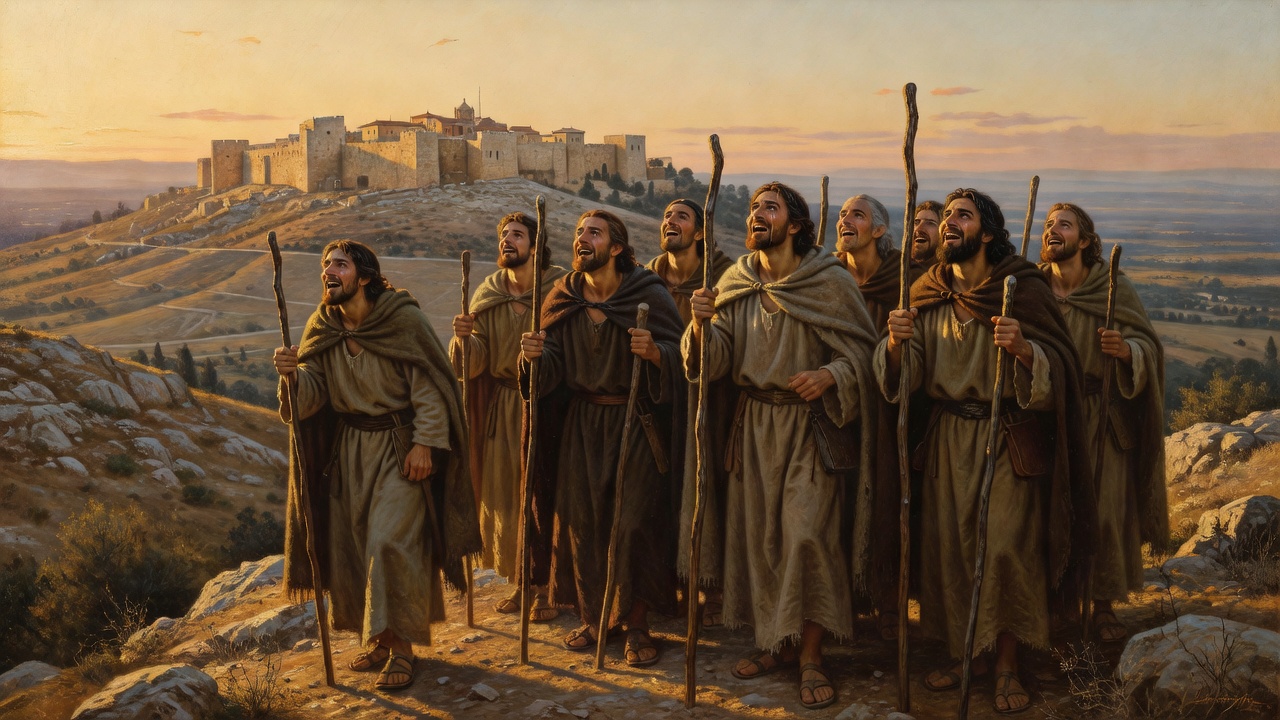
- The sounding of a great ram's horn is foretold to call back exiles who were dispersed in the powerful empires of Assyria and Egypt. The returning survivors are summoned to worship the Lord together upon the holy mountain in Jerusalem.Sources: the Bible text itself · Assyria · Egypt · Jerusalem
Notes written with AI assistance from open sources (Theographic Bible Metadata, CC BY-SA 4.0; Easton’s Bible Dictionary, public domain) and reviewed before publishing.
Places in this chapter
- Euphrates · Today: Euphrates River · 31.004, 47.442 · verse 12
- Assyria · 36.359, 43.153 · verse 13
- Egypt · 30.129, 31.308 · verse 13
- Jerusalem · 31.777, 35.234 · verse 13
Only places identified with high confidence are shown (90% or more according to the scholarly sources compiled by OpenBible). Period map: DARE (Digital Atlas of the Roman Empire), CC BY 4.0; modern map: © OpenStreetMap contributors; places: OpenBible.info (CC BY 4.0).
Credits and license for this translation
Bibiri Kuyie Nnɑ́ɑǹtì Pɑ́tíri
The Holy Bible in the Ditammari language of Benin
copyright © 2001 SIM International
Language: Ditammari
Translation by: SIM
This translation text is made available to you under the
terms of the Creative Commons License: Attribution-Noncommercial-No Derivative Works.
( http://creativecommons.org/licenses/by-nc-nd/3.0/ )
In addition, you have permission to port the text to different file formats, as long as you
do not change any of the text or punctuation of the Bible.
You may share, copy, distribute, transmit, and extract portions
or quotations from this work, provided that you include the above copyright
information:
You must give Attribution to the work.
You do not sell this work for a profit.
You do not make any derivative works that change any of the actual words or punctuation of the Scriptures.
Permissions beyond the scope of this license may be
available if you contact
us with your request.
This translation is made available to you under the terms of the
Creative Commons Attribution-No Derivatives license 4.0.
You may share and redistribute this Bible translation or extracts from it in any format, provided that:
You include the above copyright and source information.
You do not make any derivative works that change any of the actual words or punctuation of the Scriptures.
Pictures included with Scriptures and other documents on this site are licensed just for use with those Scriptures and documents.
For other uses, please contact the respective copyright owners.
2022-05-31
Source: http://ebible.org/tbzsim/ · eBible.org