2 Samuel 24
Bibiri Kuyie Nnɑ́ɑǹtì Pɑ́tíri · Tap a verse to see its cross-references.
Dɑfiti kɑ̀ɑmmɛ̀ Isidɑyɛɛribɛ kɛ̀ ti Yiɛ̀ nKuyie mmiɛkɛ bɛ̀ pɛikɛ
1Diyiè mɑrì kɛ̀ ti Yiɛ̀ nKuyie mmiɛkɛɛ yɛ̀nní Isidɑyɛɛribɛ, kɛ̀ kùu nɑmpɛ Dɑfiti yɛ̀mmɛ̀ kòo dɔɔ̀ dɛ̀ɛ̀ yóó bɛ̀ tɔní mɛyɛi, kòò dɔ̀ bɛ̀ɛ kɑɑ nyIsidɑyɛɛribɛ nɛ̀ Sudɑɑ kɔbɛ. 2Kòo nɑ́kɛ́ bɛhɑ̃ɑ̃pɔ̀mbɛ̀ kóo kótì Soɑbu wèè ò bonɛ̀ kɛ dɔ̀: Ce nyIsidɑyɛɛribɛ tenkɛ̀ kɛmɔu kɛ́kɑɑ mbɛnitidɑɑbɛ̀ n dɔ́ kɛ́nyɛ̃́ bɛ̀ mɑ̀mɛ̀ mmɛ.
3Kɛ̀ Soɑbuu ò tɛ̃̀ńnɛ́ kɛ dɔ̀: Okpɑ̀ɑ̀tì n dɔ́mu ti Yiɛ̀ nKuyie nduɔ́ nkɛ̀ Isidɑyɛɛribɛɛ sṹṹ nkɛ́pɛ̃ɛ̃tɛ́ miɛ nkucɛ tɛkɔ̀ùtɛ̀ (100), kɑ̀ɑ bɛ̀ yɑ̀ nɛ̀ ɑ nɔ̀nfɛ̀. Dɛ̀ nɛ́ dòmmɛ kɑ̀ɑ dɔ́ kɛ́pĩ́ ndɛ kó mutɔ̃mmú botí?
4Kòo kpɑ̀ɑ̀tì bɑɑ mpĩ́ nho bɛ́i ntì Soɑbu nɛ̀ bɛhɑ̃ɑ̃pɔ̀mbɛ̀ iwɛ̃ĩ yɛmbɛ̀ tɔbɛ̀. Kɛ̀ bɛ̀ɛ yóu kɛ́dɔɔ̀ okpɑ̀ɑ̀tì yɛ̃mmɛ̀, kɛ́ítɛ́ o cĩ́ɛ̃̀tɛ̀ kɛ́kɔtɛ bɛnìtìbɛ̀ kɑ̀mmù, 5kɛ́séntɛ́ Suditɛ̃ɛ̃ kɛ́ketɛ́ Adowɛɛ ɛì dìì bo Kɑdi kó kubiriku cuokɛ̀, kɛ́deè kɛ́kɔtɛ Yɑsɛɛ. 6Kɛ̀ bɛ̀ɛ tɑ Kɑdɑɑdi kɛ́pɛ̃ɛ̃tɛ́ kɛ́kɔtɛ Itiibɛ ɛì Kɑdɛɛsi nɛ̀ Tɑ̃ɑ̃-Yɑɑni nɛ̀ dɛ kó sihɛkɛsí nɛ̀ Sitɔ̃ɔ̃, 7kɛ́pɛ̃ɛ̃tɛ́ kɛ́kɔtɛ Tiiri kó dihɛì kperì kuduotí fitɛ́ dì, Itiibɛ nɛ̀ Kɑnnɑhɑ̃ɑ̃ kɔbɛ do te yɛ̀, kɛ́pɛ̃ɛ̃tɛ́ kɛ́tuɔkɛ Bɛɛrisebɑɑ Sudɑɑ tempɛ̃ nkubɑkù cɑ̃̀nku bíɛ́kɛ̀. 8Bɛ̀ dèè dìì mɔ̀nnì bɛ tenkɛ̀ kɛmɔu kɛ́wɛ̃tɛ Sedisɑdɛmmu kɛ sɔ̃́ ndɛ̀ mɔ̀kɛ bɛtɑ̃̀ɑ̃̀bɛ̀ bɛ̀wɛi nɛ̀ yɛwe sipísìdɛ́ nɛ̀ bɛ̀ ketɛ́mɛ̀ mukɑ̀mmù. 9Kɛ̀ Soɑbuu nɑ́kɛ́ okpɑ̀ɑ̀tì bɛ̀ kɑ̀ɑ nyIsidɑyɛɛribɛ kó bɛhɑ̃ɑ̃pɔ̀mbɛ̀ kɛ̀ bɛ̀ mɑ̀mɛ̀ sikɔupíkɔ̀ùsìni (800000), Sudɑɑ kɔbɛ sikɔupíkɔ̀ùsìnùmmù (500000).
Kuyie mpotɛ́mɛ̀ Dɑfiti ò kɑ̀ɑ mmɛ̀ɛ̀ kpɛ́í mbɛnìtìbɛ̀
10Kɛ̀ Dɑfitii bɑntɛ́ ò cɑ̀ɑ̀rɛ̀mɛ̀ kòo kɔ̃m̀bùɔ̀tìi do, kòo nɑ́kɛ́ ti Yiɛ̀ nKuyie nkɛ dɔ̀: N Yiɛ̀ nKuyie n cɑ̀ɑ̀rɛ̀mu mɛdiɛ̀ n kɑ̀ɑmmɛ̀ bɛnìtìbɛ̀. M bɑntɛ́mu n cɑ̀ɑ̀rɛ̀mɛ̀, n dɔ̀ɔ̀ tiyɛìntì nti, ɑ́ n cĩ́ɛ̃́. 11Ò yĩ mɛm̀mɛ kɛ́nhenniní dikṹnweńnì kɛ sɔ̃́ ti Yiɛ̀ nKuyie mbɛ́innɛ̀ ku pɑ̃ɑ̃nɑ́ɑǹtì nɑ́ɑǹtò Kɑdi wèè do ò bonɛ̀ kɛ tú: 12Kɔtɛ kɛ́nɑ́kɛ́ Dɑfiti kɛ dɔ̀: N tú nh ò duɔ́ ntiyɛ̃ĩti tìtɑ̃ɑ̃ti ndi, kɛ tú wèe tɑ̃ɑ̃tɛ́ ò dɔ́ kù kɛ̀ n kù nhò potɛ́. 13Kɛ̀ Kɑdii kɔtɛ kɛ́yɑ̀ Dɑfiti kóò nɑ̀kɛ́ Kuyie nhò nɑ̀kɛ́ tì kɛ dɔ̀: Kɑ̀ɑ dɔ́ dikònnì bo tɑnnímɛ̀ ɑ ɛì kɛ dɔ̀ yɛbie nyɛ̀yiekɛ̀ ɑ́ tɑ̃ɑ̃tɛ́. Kɑ̀ɑ mɛ ndɔ́ ɑ dootitɔbɛ̀ bo ndɑ bɛtìmɛ̀ bɛtɑ̃̀ɑ̃̀bɛ̀ bɛ̀tɑ̃ɑ̃ti miɛkɛ, ɑ́ tɑ̃ɑ̃tɛ́. Kɑ̀ɑ mɛ ndɔ́ mukṹṹ mbo tɑnnímɛ̀ mmɛ kɛ̀ bɛnìtìbɛ̀ nkɔ̃ nkɛ dɔ̀ yɛwe yɛ̀tɑ̃ɑ̃ti, ɑ́ tɑ̃ɑ̃tɛ́. Totí ɑ yɛ̀mmɛ̀ kɛ́ n nɑ́kɛ́ n dò nkɛ́nɑ́kɛ́ tì wèè n tɔ̃nní.
14Kɛ̀ Dɑfitii nɑ́kɛ́ Kɑdi kɛ dɔ̀: N yɛ̀mmɛ̀ mɛɛ̀ cɑ̀ɑ̀rɛ̀ mɛdiɛ̀. Kɛ̀ ti do ti Yiɛ̀ nKuyie nnɔ̀ùtɛ̀ miɛkɛ dɛ̀ tɔ̃ũmu, kɛ yɛ̃́ kù sémmɛ̀ dɛumɛ̀. M bɑ́ɑ́ do n nititɔù nɔu miɛkɛ.
15Mɛm̀mɛ kɛ̀ ti Yiɛ̀ nKuyie nduɔnní mumɔmmú mùù kɔ̀ù Isidɑyɛɛribɛ cuokɛ̀. Dɛ kó dikṹnweńnì kɛ́tuɔkɛnɛ̀ kù dɔú ndìì mɔ̀nnì Isidɑyɛɛribɛ tenkɛ̀ kɛmɔu miɛkɛ kɛ̀ bɛnìtìbɛ̀ɛ kú sikɔupípísìyiekɛ̀ (70000) dɛ yiè. 16Kuyie ntɔ̃nnì yòutɛ dìì mɔ̀nnì di nɔ̀ùtɛ̀ Sedisɑdɛmmu ĩ́nkɛ̀ kɛ bo bɛ̀ potɛ́ kuyɛ̃ĩku, kɛ̀ ti Yiɛ̀ nKuyie n nɑ́kɛ́ ku tɔ̃nnì kɛ dɔ̀: Dɛ̀ sɑ̀nnɛ̀mu mɛmmɛ, ɑ tɛ̃́nkɛ bɑ́ɑ́ potɛ́.
Kɛ sɔ̃́ ndì berínɛ̀ Sebusiibɛ kou mɔù bɛ̀ tu wè Adɑfunɑɑ o kó kuyiɛ́ borɛ̀. 17Kɛ̀ Dɑfitii yɑ̀ ti Yiɛ̀ nKuyie ntɔ̃nnì kɔ̀ùmɛ̀ kɛ́kuɔ́nnɛ̀ Kuyie nkɛ dɔ̀: N cɑ̀ɑ̀rɛ̀mu. Míì yetɛ́! Bɛnìtìbɛ̀ biɛ nyí cɑ̀ɑ̀rɛ̀ mùmɑmù, mí nnɛ̀ n cĩ́ɛ̃̀tɛ̀ tíì dò nhɑ ti potɛ́.
Dɑfiti mɑɑ́mɛ̀ diwũɔ̃tɔ̀nnì Kuyie nkpɛ́í
18Dɛ kó diyiè dimɑ́ɑ̀ miɛkɛ kɛ̀ Kɑdii kɔtɛ kɛ́yɑ̀ Dɑfiti kóò nɑ̀kɛ́ kɛ dɔ̀: Dekɛ Adɑfunɑɑ yiɛ́ borɛ̀ kɛ́mɑɑ́ diwũɔ̃tɔ̀nnì ti Yiɛ̀ nKuyie.
19Kɛ̀ Dɑfiti kɔtɛ kɛ́ndònnɛ̀ ti Yiɛ̀ nKuyie ntì nɑ̀kɛ́mɛ̀ ku pɑ̃ɑ̃nɑ́ɑǹtì nɑ́ɑǹtò Kɑti kòò ò nɑ̀kɛ́. 20Kɛ̀ Adɑfunɑɑ sĩ́nnɛ́ní kɛ́yɑ̀ okpɑ̀ɑ̀tì Dɑfiti kòo kèróo, kòo cokɛ́ní kɛ́nínkú kɛ́sĩ́nnɔ́ɔ o ììkɛ̀. 21Kóò bekɛ kɛ dɔ̀: Okpɑ̀ɑ̀tì dɛ̀ dòmmɛ̀ kɑ̀ɑ kɔ̀riní m borɛ̀? Kɛ̀ Dɑfiti dɔ̀: N dɔ́ ɑ n fítɛ́nɛ̀ ɑ yiɛ́ nku kɛ̀ m mɑɑ́ ti Yiɛ̀ nKuyie ndiwũɔ̃tɔ̀nnì kɛ̀ dɛ̀ɛ yie nkɛ̀ kù potɛ́ kùù yɛ̃ĩku Isidɑyɛɛribɛ kɛ̀ kùu deè. 22Kɛ̀ Adɑfunɑɑ dɔ̀: Okpɑ̀ɑ̀tì túótɛ́ ɑ dɔ́ dɛ̀ɛ̀ kó dimɑ̀ɑ̀ kɛ́pɑ̃ Kuyie. Ntɛ inɑ̀ɑ̀kɛ, túótɛ́ i kɛ́féútɛ́, túótɛ́ tɛnɑɑsɑ̃ntɛ̀ kó idɛí kɛ́tuɔnnɛ̀. 23Okpɑ̀ɑ̀tì, n dɑ pɑ̃mu dɛmɔu, kɛ tú ɑ Yiɛ̀ nKuyie ncɔutɛ́ ɑ pɑ̃nnì, kɛ́ dɑ dɔɔ̀ mɛsɑ̀ɑ̀.
24Kòo kpɑ̀ɑ̀tì Dɑfitii ò tɛ̃̀ńnɛ́ kɛ dɔ̀: Yóu kɛ̀ n dɛ̀ dontɛ́ kɛ dɑ yietí, n yí dɔ́ kɛ́pɑ̃ n Yiɛ̀ nKuyie ndɛ̀mɑrɛ̀ n yí fɛ̃̀ṹtɛ́ dɛ̀ɛ̀ kpɛ́í.
Mɛm̀mɛ kɛ̀ Dɑfitii dontɛ́ kuyiɛ́ nɛ̀ inɑ̀ɑ̀kɛ mɛdítíbii nsipísìnùmmù, 25kɛ́mɑɑ́ diwũɔ̃tɔ̀nnì dɛborɛ̀ kɛ́fíé ti Yiɛ̀ nKuyie nyiwũɔ̃ kɛ́tuɔ kɛ́fíénɛ̀ mɛtɑummɛ̀ kpɛyi. Dɛ mɔ̀nnì kɛ̀ ti Yiɛ̀ nKuyie mbɛ̀ wèńtɛ́ fɛnɔnsɑ̀ɑ̀fɛ̀, kɛ̀ kuyɛ̃ĩku kù do bɛ̀ potɛ́ kùu deè.
Did you know?
The Census, the Plague, and the Altar
- The phrase "from Dan to Beersheba" was a traditional way of designating the entirety of the Promised Land, spanning about 144 miles from Dan in the far north to Beersheba in the south. Joab and the military commanders spent nine months and twenty days traversing both sides of the Jordan River to complete the census.Sources: Beersheba · the Bible text itself
- Gad, known as "the king's seer," served as a prophet during David's reign after joining him earlier during his fugitive years. Gad delivered God's three choices of discipline to David and subsequently instructed the king to erect an altar on Araunah's threshing floor.Sources: Gad · the Bible text itself
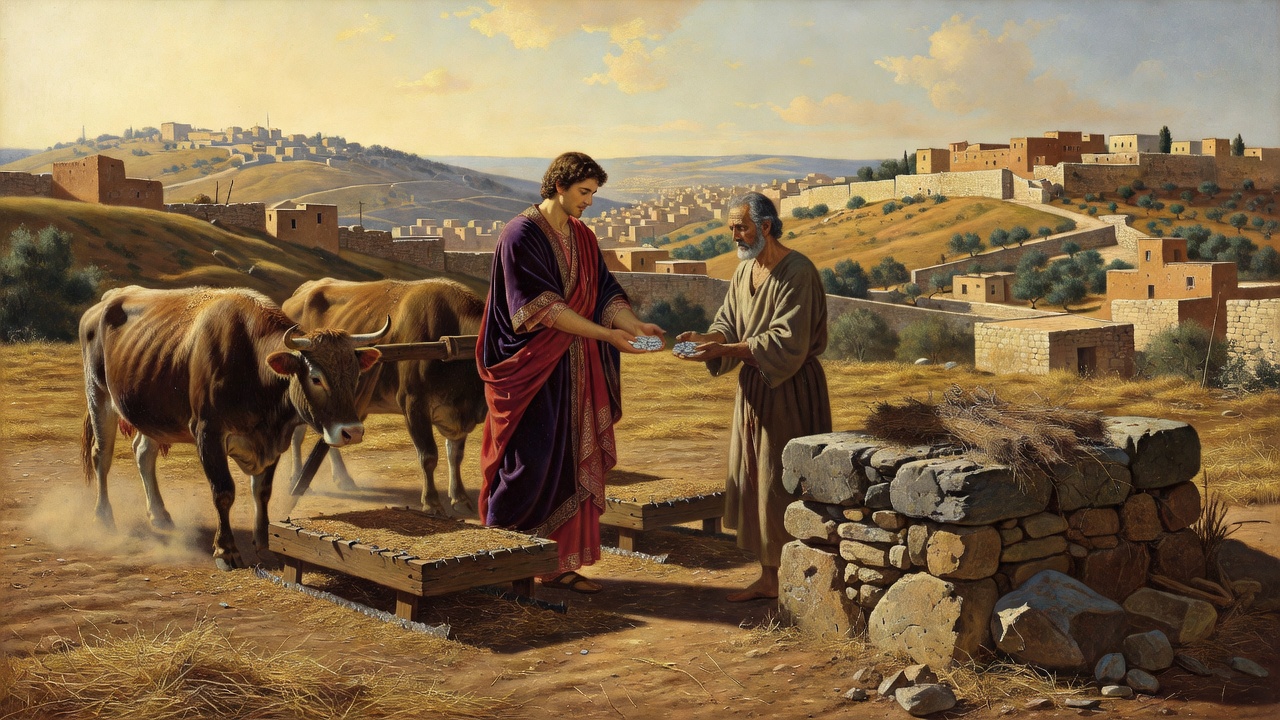
- David purchased the threshing floor, oxen, and wood from Araunah (also called Ornan) the Jebusite, insisting on paying the full price because he refused to offer sacrifices that cost him nothing. Situated on Mount Moriah, this threshing floor became the site where Solomon later built the temple.Sources: Ornan · the Bible text itself
Notes written with AI assistance from open sources (Theographic Bible Metadata, CC BY-SA 4.0; Easton’s Bible Dictionary, public domain) and reviewed before publishing.
Places in this chapter
- Dan · Today: Tel Dan · 33.249, 35.652 · verses 2, 6, 15
- Jordan · Today: Jordan River · 31.761, 35.558 · verse 5
- Gilead · Today: Gilead 1 · 32.187, 35.692 · verse 6
- Sidon · Today: Sandikli archaeological site in Sidon · 33.561, 35.372 · verse 6
- Negeb · 31.245, 34.841 · verse 7
- Tyre · 33.271, 35.196 · verse 7
- Jerusalem · 31.777, 35.234 · verses 8, 16
Only places identified with high confidence are shown (90% or more according to the scholarly sources compiled by OpenBible). Period map: DARE (Digital Atlas of the Roman Empire), CC BY 4.0; modern map: © OpenStreetMap contributors; places: OpenBible.info (CC BY 4.0).
Credits and license for this translation
Bibiri Kuyie Nnɑ́ɑǹtì Pɑ́tíri
The Holy Bible in the Ditammari language of Benin
copyright © 2001 SIM International
Language: Ditammari
Translation by: SIM
This translation text is made available to you under the
terms of the Creative Commons License: Attribution-Noncommercial-No Derivative Works.
( http://creativecommons.org/licenses/by-nc-nd/3.0/ )
In addition, you have permission to port the text to different file formats, as long as you
do not change any of the text or punctuation of the Bible.
You may share, copy, distribute, transmit, and extract portions
or quotations from this work, provided that you include the above copyright
information:
You must give Attribution to the work.
You do not sell this work for a profit.
You do not make any derivative works that change any of the actual words or punctuation of the Scriptures.
Permissions beyond the scope of this license may be
available if you contact
us with your request.
This translation is made available to you under the terms of the
Creative Commons Attribution-No Derivatives license 4.0.
You may share and redistribute this Bible translation or extracts from it in any format, provided that:
You include the above copyright and source information.
You do not make any derivative works that change any of the actual words or punctuation of the Scriptures.
Pictures included with Scriptures and other documents on this site are licensed just for use with those Scriptures and documents.
For other uses, please contact the respective copyright owners.
2022-05-31
Source: http://ebible.org/tbzsim/ · eBible.org