1 Kings 13
Bibiri Kuyie Nnɑ́ɑǹtì Pɑ́tíri · Tap a verse to see its cross-references.
Ti Yiɛ̀ nKuyie nkpɑ̀nnɛ̀mɛ̀ Sedoboɑmmu Betɛɛdi
1Kɛ̀ ti Yiɛ̀ Kuyie ntɔ̃nní ku kóo nìtì mɔù, kòo ítɛ́ Sudɑɑ tenkɛ̀ kɛ́tuɔkɛ Betɛɛdi, kɛ sɔ̃́ nSedoboɑmmu bo kɛ tuɔ nyɛpɑ̃rɛ̀ diwũɔ̃tɔ̀nnì ĩ́nkɛ̀. 2Kɛ̀ ti Yiɛ̀ nKuyie nduɔ́ nkɛ̀ ku kóo tɔ̃ntìi bɛ́innɛ̀ diwũɔ̃tɔ̀nnì kɛ dɔ̀: Fɔ̃́ ndiwũɔ̃tɔ̀nnì, keè ti Yiɛ̀ nKuyie ntu mù. Ti Yiɛ̀ nKuyie ntu bɛ̀ yóó pɛitɛ́ dɛbirɛ mɑrɛ̀ ndɛ Dɑfiti nɑɑ̀mùnkù miɛkɛ kɛ́ dɛ̀ yu kɛ dɔ̀: Sosiɑsi, kɛ̀ dɛ kó dɛbirɛɛ dɑ fíé ikuɔ́ nìùbɛ̀ bɛ̀ɛ̀ tùɔ̀ nyiwũɔ̃ ɑ ĩ́nkɛ̀, kɛ́tuɔ nyɛnitikṹɔ̃̀ ɑ ĩ́nkɛ̀.
3Kòo deè kɛ dɔ̀: Ntɛ di bo bɑntɛ́ dɛ̀ kɛ dò nti Yiɛ̀ nKuyie nkuù bɛ́i. Diwũɔ̃tɔ̀nnì bo yɑtɛ́ kɛ̀ mɛkùɔ̀ nkó mutɑ́pɛí mmùù còú di ĩ́nkɛ̀ kɛ̀ mùu nuntɛ́.
4Kòo kpɑ̀ɑ̀tìi keè ò kpɑ̀nnɛ̀mɛ̀ diwũɔ̃tɔ̀nnì kɛ pĩɛ̃kù kóò fietí fɛnɔ́mbifɛ kɛ dɔ̀: Pĩ́nnɛ̀ we!
Kɛ̀ dɛ kó tɛnɔ̀ùtɛ̀ɛ kpeío ò tɛ̃́nkɛ í nnɑ kɛ́ tɛ̀ tɛ̃̀ńnɛ́ní. 5Kɛ̀ diwũɔ̃tɔ̀nnìi yɑtɛ́, kɛ̀ mutɑ́pɛí nnuntɛ́ kù tì nɑ̀kɛ́mɛ̀ ku kóo nìtì kòo tì bɛ́i. 6Kòo kpɑ̀ɑ̀tìi nɑ́kɛ́ Kuyie nkóo nìtì kɛ dɔ̀: N dɑ bɑ́ɑ́mmu bɑ́ntɛ̀ ti Yiɛ̀ nKuyie nhɑ tũ nkù kɛ̀ n nɔ̀ùtɛ̀ɛ wɛ̃tɛ kɛ́tɛ̃́nnɛ́.
Kɛ̀ Kuyie nkóo nìtì bɑ́ntɛ̀ ti Yiɛ̀ nKuyie nkɛ̀ tɛ̀ɛ wɛ̃tɛ kɛ́nɑɑ́ ntɛ̀ do dòmmɛ̀. 7Kòo kpɑ̀ɑ̀tìi nɑ́kɛ́ Kuyie nkóo nìtì kɛ dɔ̀: Kɔtɛní kɛ̀ ti kò n cĩ́ɛ̃̀tɛ̀ kɑ̀ɑ di kɛ̀ n dɑ cú.
8Kɛ̀ Kuyie nkóo nìtìi nɑ́kɛ́ okpɑ̀ɑ̀tì kɛ dɔ̀: Bɑ́ kɑ̀ɑ bo n duɔ́ nhɑ kpɑ̀tì kó dikéè n yí kɔri ɑ cĩ́ɛ̃̀tɛ̀ kɛ bo di yoo n yɑ̃̀ dɛ̀mɑrɛ̀ diɛ. 9Ti Yiɛ̀ nKuyie nni n nɑ̀kɛ́mu kɛ tú m bɑ́ɑ́ di dɛ̀mɑrɛ̀, m mɛ mbɑ́ɑ́ yɑ̃̀, m mɛ mbɑ́ɑ́ wɛ̃tɛ kɛ́tũnnɛ n kètɛ́ní kùù cɛ kɛ́kò.
10Ò mɛ nyĩ kɛ́tũnnɛ kucɛ tɛkù, ò tɛ̃́nkɛ í ntũ̀nnɛ ò kɔ̀tɛnní kù Betɛɛdi.
Kuyie mpɑ̃ɑ̃nɑ́ɑǹtì nɑ́ɑǹtò yetɛmɛ̀ ku kpɛti
11Dɛ do sɔ̃́ nti Yiɛ̀ nKuyie mpɑ̃ɑ̃nɑ́ɑǹtì nɑ́ɑǹtò mɔù weè bo Betɛɛdi kɛ tú odɑkótì, kòo bíi kɔtɛ kóò nɑ̀kɛ́ Kuyie nkóo nìtì dɔ̀ɔ̀ dɛ̀ Betɛɛdi nɛ̀ ò nɑ̀kɛ́ tìì nɑ́ɑǹtì okpɑ̀ɑ̀tì, kɛ tì nɑ̀kɛ́ timɔu bɛ cicɛ. 12Kòo bekɛ kɛ dɔ̀: Ò kètɛ́ ɔ̃̀nkucɛ?
Kɛ̀ bɛ̀ɛ ò bɛnkɛ Kuyie nkóo nìtì wèè yɛ̀nní Sudɑɑ tenkɛ̀ ò tũ̀nnɛ kùù cɛ. 13Kòo nɑ́kɛ́ o bí kɛ dɔ̀: Boúnɛ̀ n sɑ̃mmɑrímú kɑ̀rì.
Kɛ̀ bɛ̀ɛ dì boú kòo dekɛ, 14kɛ́tũnnɛ Kuyie nkóo nìtì, kóò nìntɛ kɛ sɔ̃́ nhò dìɛ́kɛ́ mutie diɛmù mɑmù kó mɛdɛ́ɛ̀. Kòo ò bekɛ kɛ dɔ̀: Fɔ̃́ɔ̃̀ tu Kuyie nkóo nìtì wèè yɛ̀nní Sudɑɑ tenkɑ̀ɑ̀? Kòò dɔ̀: Ɛ̃ɛ̃, mí nwe.
15Kɛ̀ Kuyie mpɑ̃ɑ̃nɑ́ɑǹtì nɑ́ɑǹtò dɔ̀: Kɔtɛní kɛ̀ ti kò nkɑ̀ɑ di. 16Kɛ̀ Kuyie nkóo nìtì dɔ̀: N yí yóó dɑ nɛinɛ̀ kɛ̀ ti kò nkɛ̀ ǹ di dɛ̀mɑrɛ̀ yoo n yɑ̃̀ diɛ. 17Ti Yiɛ̀ nKuyie nni nnɑ̀kɛ́mu kɛ tú m bɑ́ɑ́ di dɛ̀mɑrɛ̀ diɛ m mɛ mbɑ́ɑ́ yɑ̃̀, m mɛ mbɑ́ɑ́ wɛ̃tɛ kɛ́tũnnɛ ǹ kètɛ́ní kùù cɛ kɛ́kò.
18Kòo nɛ́poo ò tɛ̃̀ńnɛ́ kɛ dɔ̀: M múnkɛ tú Kuyie mpɑ̃ɑ̃nɑ́ɑǹtì nɑ́ɑǹtò nwe kɛ dɑ dònnɛ̀. Ti Yiɛ̀ nKuyie nkuù tɔ̃nní ku tɔ̃nnì kɛ̀ dì ǹ nɑ̀kɛ́ kɛ tú n dɑ yúní kɛ̀ ti kò nkɑ̀ɑ di kɛ́yɑ̃̀.
Kɛ yɛ̃́ kòò soúmmu! 19Mɛm̀mɛ kɛ̀ Kuyie nkóo nìtìi ò nɛinɛ̀ kɛ̀ bɛ̀ɛ kò nkɛ bo di kɛ́yɑ̃̀.
Kuyie nkpɑ̀nnɛ̀mɛ̀ ku pɑ̃ɑ̃nɑ́ɑǹtì nɑ́ɑǹtò
20Bɛ̀ kɑ̀ri dìì mɔ̀nnì kɛ yo nkɛ̀ ti Yiɛ̀ nKuyie mbɛ́innɛ̀ ku pɑ̃ɑ̃nɑ́ɑǹtì nɑ́ɑǹtò, wèè mɛ ntũ̀nnɛ koò yùní, 21kòo nɑ́kɛ́ Kuyie nkóo nìtì kɛ dɔ̀: ti Yiɛ̀ nKuyie ntu ɑ mɛ̀ nyetɛmɛ̀ ku nɑ́ɑǹtì, bɑ́ ɑ í tũ̀nnɛ kù do dɑ nɑ̀kɛ́ tì. 22Kɛ wɛ̃tɛní kɛ di kɛ yɑ̃̀, kù do yɛ̃ nhɑ bɑ́ɑ́ di dɛ̀, ɑ mɛ mbɑ́ɑ́ yɑ̃̀. A yóó nɑɑ́ nhokpɑdɔutì nwe. Bɛ̀ í yóó dɑ kũnnɛ́ ɑ yɛmbɛ̀ fɔ̃ti.
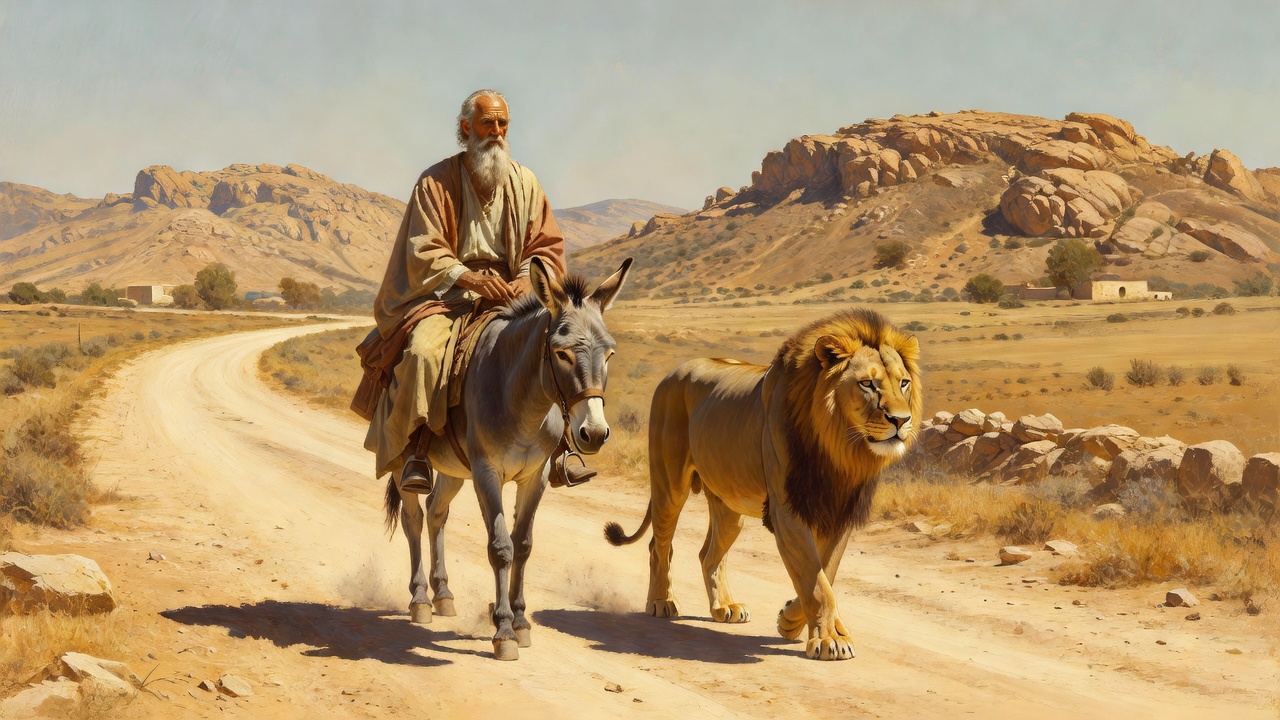
23Bɛ̀ di dìì mɔ̀nnì kɛ yɑ̃̀ kɛ dèè, kɛ̀ Kuyie mpɑ̃ɑ̃nɑ́ɑǹtì nɑ́ɑǹtò wèè do ò tɛ̃̀ńnɛ́ní kòo boú o nɛ́po sɑ̃mmɑrímú kɑ̀rì, 24kòo dekɛ kɛ́nkũnti. Kɛ̀ dicìrícìrìi ò dintɛ́ kucɛ kɛ́kuɔ kɛ́dɔúnko, kòo nduɔ́ kɛ̀ sɑ̃mmɑrímú còḿmú kɛ̀ dicìrícìrì còḿmú. 25Kɛ̀ bɛcɛpɛ̃̀mbɛ̀ mpɛ̃nkù koò yɑ̀u kòò duɔ́ kɛ̀ dicìrícìrì còḿmú, kɛ̀ bɛ̀ɛ kɔtɛ kɛ tì nɑ̀kɛ́ Kuyie mpɑ̃ɑ̃nɑ́ɑǹtì nɑ́ɑǹtò wenwe kó dihɛì. 26Ti Yiɛ̀ nKuyie mpɑ̃ɑ̃nɑ́ɑǹtì nɑ́ɑǹtò wèè do ò tɛ̃̀ńnɛ́ní, ò tì kèè dìì mɔ̀nnì kɛ́bɛ́i nkɛ dɔ̀: Kuyie nkóo nìtì weè yetɛ kù do ò nɑ̀kɛ́ tì, kɛ̀ kù duɔ́nní dicìrícìrì kɛ̀ dì ò kùɔ, kɛ́ndònnɛ̀ kù do tì nhò nɑ̀kɛ́mɛ̀.
27Ò bɛ́i mɛmmɛ kɛ́deè kɛ dɔ̀ o bíi boú o sɑ̃mmɑrímú kɑ̀rì.
Kɛ̀ ìi dì boú, 28kòò kɔtɛ kɛ́nsɔ̃́ nti Yiɛ̀ nKuyie nkóo nìtì duɔ́ kɛ cɑ̃ɑ̃nko kucɛ miɛkɛ, dicìrícìrì nɛ̀ sɑ̃mmɑrímú kɛ̀ dɛ̀ còḿmú, bɑ́ dicìrícìrì í ò cɑ̀ɑ́kɛ́, dì mɛ nyí kùɔ sɑ̃mmɑrímú. 29Kòo ò tùótɛ́ kɛ́dɑɑ́ nsɑ̃mmɑrímú ĩ́nkɛ̀ kɛ́kònnɛ̀ kɛ bo ò sié, kóò kũnnɛ́. 30Wè ò sié dìì mɔ̀nnì kɛ́deè kóò kũnnɛ́ kufɔ̃ti ò do keú kù o mɔ́mmuɔ nho kpɛ́í, kɛ́ nhò kũrì kɛ sɑ́útí kɛ tú: Áú! Ti nɛ́po kumu.
31Bɛ̀ ò kũnnɛ́ dìì mɔ̀nnì kɛ́deè kɛ̀ ti Yiɛ̀ nKuyie mpɑ̃ɑ̃nɑ́ɑǹtì nɑ́ɑǹtòo nɑ́kɛ́ o bí kɛ dɔ̀: Kɛ̀ ǹ ku dìì yiè dí n kũnnɛ́ di mɛ nkũnnɛ́ kùù fɔ̃ti Kuyie nkóo nìtì kɛ́ n dɔú nkɛ́pɛ́ɛ́nnɛ̀ o kṹɔ̃̀. 32Ti Yiɛ̀ nKuyie nhò duɔ́ ntìì nɑ́ɑǹtì kòo tì bɛ́i ntì yóó dɔɔ̀mu, ò nɑ̀kɛ́ tì Betɛɛdi kó diwũɔ̃tɔ̀nnì kpɛ́í nnɛ̀ yɛ̀ɛ̀ bo Sɑmmɑrii tempɛ̃ nyɛ kpɛ́í.
33Nɛ̀ mɛmmɛ Sedoboɑmmu í ncèètɛ, kòo bɑɑ nsɔkɛ́ kɛ wɑɑ̀ nyikuɔ́ nìùbɛ̀, kɛ̀ wèè dɔ́ wèe ò dɔ̀ɔ̀ ikuɔ́ nìùtì, kòò nfeu iwũɔ̃ yɛwũɔ̃tɔ̀rɛ̀ yɛ̀ɛ̀ bo yɛtɔ̀rɛ̀ ĩ́nkɛ̀. 34Dɛ kó mɛborimɛ mɛɛ̀ do tɑnnɛ́ Sedoboɑmmu cĩ́ɛ̃̀tɛ̀ tɛmɔu mɛyɛi mmiɛkɛ, kɛ́nte kɛ̀ bɛ̀ɛ tɛ̀ kùɔ pɑ́íí kɛ̀ tɛ yètìrìi kpɑ́nnɛ́.
Did you know?
A Prophet's Warning at Bethel
- The unnamed prophet from Judah prophesied that a future descendant of David named Josiah would desecrate the altar at Bethel by sacrificing its priests and burning human bones on it. Bethel was located in central Palestine, about ten miles north of Jerusalem.Sources: the Bible text itself · Josiah · Bethel (of Palestine)
- The man of God was forbidden by divine command to eat bread, drink water, or return by the same road he had traveled to Bethel, highlighting the complete rejection of fellowship with the unauthorized worship established by Jeroboam.Sources: the Bible text itself
- Despite witnessing the splitting of the altar and the temporary withering and restoration of his own hand, Jeroboam continued appointing priests for the high places from among any who wished to serve, rather than repenting.Sources: the Bible text itself
Notes written with AI assistance from open sources (Theographic Bible Metadata, CC BY-SA 4.0; Easton’s Bible Dictionary, public domain) and reviewed before publishing.
Places in this chapter
- Samaria · 32.276, 35.195 · verse 32
Only places identified with high confidence are shown (90% or more according to the scholarly sources compiled by OpenBible). Period map: DARE (Digital Atlas of the Roman Empire), CC BY 4.0; modern map: © OpenStreetMap contributors; places: OpenBible.info (CC BY 4.0).
Credits and license for this translation
Bibiri Kuyie Nnɑ́ɑǹtì Pɑ́tíri
The Holy Bible in the Ditammari language of Benin
copyright © 2001 SIM International
Language: Ditammari
Translation by: SIM
This translation text is made available to you under the
terms of the Creative Commons License: Attribution-Noncommercial-No Derivative Works.
( http://creativecommons.org/licenses/by-nc-nd/3.0/ )
In addition, you have permission to port the text to different file formats, as long as you
do not change any of the text or punctuation of the Bible.
You may share, copy, distribute, transmit, and extract portions
or quotations from this work, provided that you include the above copyright
information:
You must give Attribution to the work.
You do not sell this work for a profit.
You do not make any derivative works that change any of the actual words or punctuation of the Scriptures.
Permissions beyond the scope of this license may be
available if you contact
us with your request.
This translation is made available to you under the terms of the
Creative Commons Attribution-No Derivatives license 4.0.
You may share and redistribute this Bible translation or extracts from it in any format, provided that:
You include the above copyright and source information.
You do not make any derivative works that change any of the actual words or punctuation of the Scriptures.
Pictures included with Scriptures and other documents on this site are licensed just for use with those Scriptures and documents.
For other uses, please contact the respective copyright owners.
2022-05-31
Source: http://ebible.org/tbzsim/ · eBible.org