Philippians 1
Biblica® Open Nueva Biblia Viva 2008 · Tap a verse to see its cross-references.
About this book
About Philippians
- Easton's Bible Dictionary (1897) attributes the Letter to the Philippians to Paul and dates it to the two years he was in bonds in Rome, probably early in A.D. 62 or at the end of 61.Sources: Easton: Philippians, Epistle to
- Philippi, formerly called Crenides, was the capital of the Roman province of Macedonia, about eight miles northwest of Kavalla. Philip of Macedonia fortified the older Thracian town and named it Philippi (359–336 B.C.); under the emperor Augustus it became a Roman colony, a military settlement of Roman soldiers described as a miniature Rome. Easton's Bible Dictionary calls the church there the first-fruits of European Christianity.Sources: Philippi · Macedonia · Easton: Philippians, Epistle to
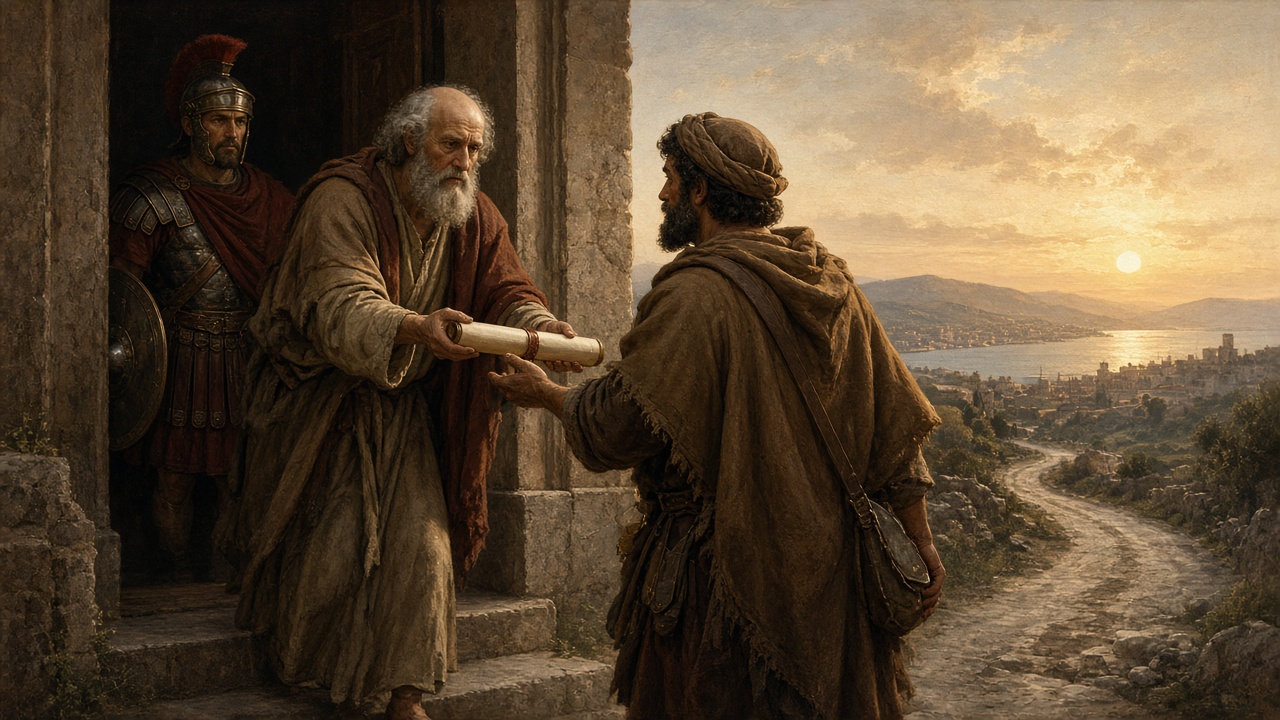
- According to Easton, the Philippians sent their messenger Epaphroditus with contributions for Paul's needs, and Paul sent this letter back with him on his return. Easton states that they alone among the churches helped Paul by their contributions, which the letter acknowledges, even though the Macedonian converts were, as a class, very poor.Sources: Easton: Philippians, Epistle to
- Easton's account of the letter offers a glimpse of the church in Rome: Paul's imprisonment, he writes, did not hinder the gospel but furthered it, and the message spread among the Roman soldiers with whom Paul was in constant contact. He relates the letter's teaching closely to Romans, and notes that Philippians 2:5–11 sets forth the personal glory of Christ in language close to passages in Ephesians and Colossians. He also points to Philippians 3:20, where the church is presented as a city or commonwealth.Sources: Easton: Philippians, Epistle to
- Euodias, a woman of the church at Philippi, is described as having laboured much with Paul in the gospel. Paul exhorts her and Syntyche to be of one mind, and the dictionary entry infers from this that the two had been at variance. Clement, a Christian of Philippi whom Paul calls a fellow-labourer and names as written in the book of life, was identified by some ancient writers with Clement of Rome.Sources: Euodias · Syntyche · Clement
Notes written with AI assistance from open sources (Theographic Bible Metadata, CC BY-SA 4.0; Easton’s Bible Dictionary, public domain) and reviewed before publishing.
1Pablo y Timoteo, siervos de Jesucristo, a todos los que están en Filipos y que, por estar unidos a Cristo Jesús, forman parte del pueblo santo de Dios; también a sus líderes y diáconos:
2Que Dios nuestro Padre y el Señor Jesucristo los llenen de amor y de paz.
Acción de gracias e intercesión
3Cada vez que me acuerdo de ustedes doy gracias a mi Dios; 4siempre que oro por ustedes lo hago con alegría, 5porque ustedes se han solidarizado con el evangelio desde el primer día hasta ahora. 6El que comenzó tan buena obra en ustedes la irá perfeccionando hasta el día en que Jesucristo regrese. De esto estoy seguro.
7Está bien que yo piense así de todos ustedes, porque los llevo en el corazón. Ya sea que yo esté preso o defendiendo y confirmando el evangelio, todos ustedes participan conmigo del amor que Dios me ha dado. 8Dios sabe lo mucho que los quiero a todos con el tierno amor que nos da Cristo Jesús. 9Lo que pido en mis oraciones es que el amor de ustedes sea cada vez más grande y que su conocimiento y buen juicio crezcan, 10para que sepan elegir lo que es mejor y para que vivan de una manera limpia y sin reproche hasta el día cuando Cristo regrese; 11también para que estén llenos del fruto de justicia que se produce por medio de Jesucristo, para que le den la gloria y la alabanza a Dios.
El vivir es Cristo
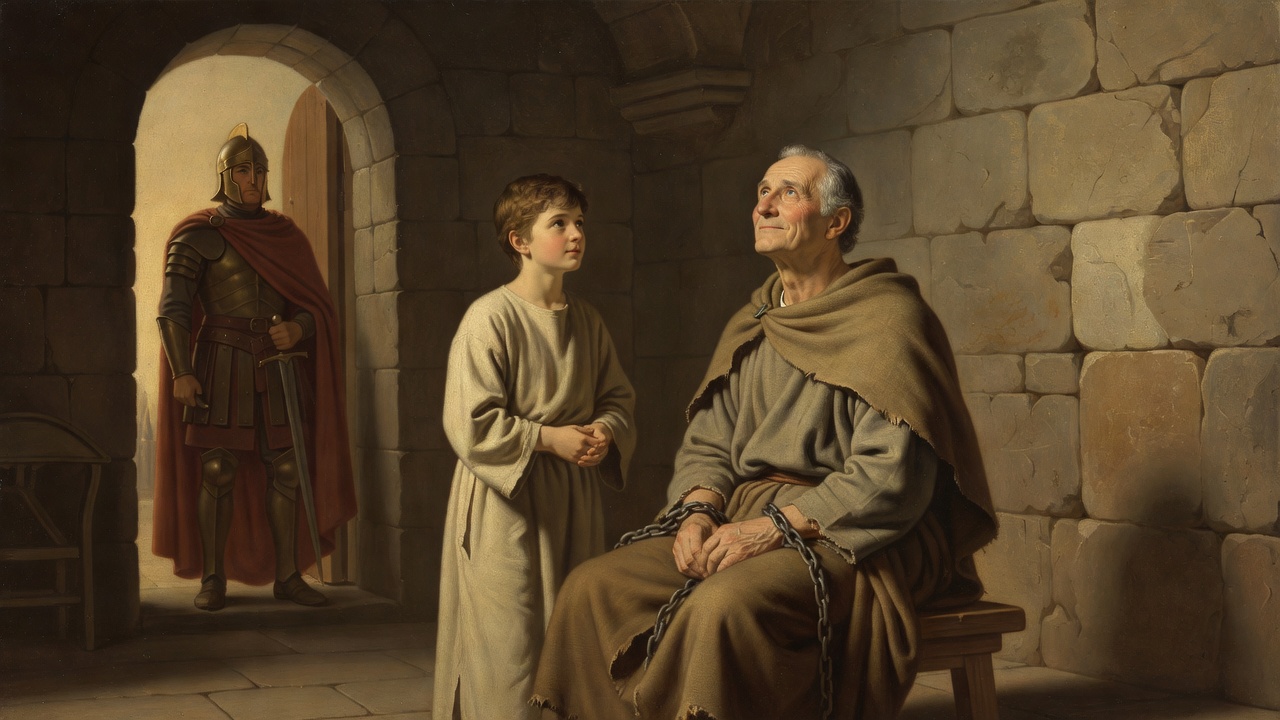
12Hermanos, quiero que sepan que lo que me ha pasado ha ayudado a anunciar el evangelio. 13Toda la guardia del palacio y todos los demás saben que estoy encadenado por causa de Cristo. 14Y al ver que estoy preso, la mayoría de los hermanos se ha atrevido, ahora más que nunca, a anunciar sin temor la palabra de Dios, confiando en el Señor.
15Es cierto que algunos anuncian a Cristo por envidia y rivalidad, pero otros lo hacen con buenas intenciones. 16Estos últimos lo hacen por amor, porque saben que Dios me ha puesto para defender el evangelio. 17Los primeros anuncian a Cristo por interés personal y no por motivos puros, pues creen que así me harán sufrir más, ahora que estoy en la cárcel.
18Pero, ¿qué importa? De cualquier manera, sea con motivos falsos o sinceros, se anuncia a Cristo. Por eso me alegro y me seguiré alegrando, 19porque sé que, gracias a las oraciones de ustedes y a la ayuda del Espíritu de Jesucristo, saldré libre. 20Mi gran deseo y esperanza es que no haga nada que me avergüence, sino que, con toda libertad, ya sea que viva o muera, le den la gloria a Cristo por medio de mí ahora como siempre. 21Porque para mí el vivir es Cristo y el morir es ganancia. 22Pero si el seguir viviendo en este mundo significa para mí que haré un buen trabajo, entonces no sé que elegir. 23Realmente me es difícil elegir cualquiera de las dos posibilidades. Deseo morir y estar con Cristo, que es muchísimo mejor; 24pero por el bien de ustedes es aún conveniente que me quede en este mundo. 25Por eso, estoy convencido de que lo mejor es que me quede y continúe con todos ustedes para ayudarlos en el alegre crecimiento de su fe. 26Así, cuando yo vuelva, tendrán más razón para estar orgullosos de mí en Cristo Jesús.
27Pase lo que pase, vivan de manera digna, de acuerdo con el evangelio de Cristo, porque ya sea que vaya a verlos o que, estando ausente, sólo reciba noticias de ustedes, sabré que siguen firmes y unidos, luchando juntos por la fe del evangelio. 28No les tengan miedo alguno a sus enemigos, porque para ellos es señal de destrucción; en cambio, para ustedes, es señal de salvación, y esto proviene de Dios. 29A ustedes se les ha dado no sólo el privilegio de creer en Cristo, sino también de sufrir por él. 30Ustedes están en la misma lucha que antes yo estaba. Y yo aún continúo luchando.
Did you know?
Partnership and Joy in Chains
- Philippi, the city named in this letter, was formerly Crenides, meaning the fountain, and the capital of the province of Macedonia. Philip of Macedonia fortified the old Thracian town and called it Philippi (359–336 B.C.). Under the Emperor Augustus it became a Roman colony, a military settlement of Roman soldiers planted to control the recently conquered district, and a miniature Rome.Sources: Philippi · the Bible text itself
- The greeting names both Paul and Timothy as servants of Christ Jesus. Timothy, whose name means honouring God, was a young disciple and Paul's companion on many journeys, and Paul regarded him as his own son in the faith. His mother Eunice and grandmother Lois were eminent for their piety, and his father was a Greek.Sources: Timotheus · the Bible text itself
- Paul writes that he is in chains, and that this has become clear throughout the whole palace guard and to everyone else. He calls the believers at Philippi partners with him in his chains and in the defense and confirmation of the gospel. He thanks God for their partnership in the gospel from the first day until now.Sources: the Bible text itself
Notes written with AI assistance from open sources (Theographic Bible Metadata, CC BY-SA 4.0; Easton’s Bible Dictionary, public domain) and reviewed before publishing.
Places in this chapter
- Philippi · 41.012, 24.285 · verse 1
Only places identified with high confidence are shown (90% or more according to the scholarly sources compiled by OpenBible). Period map: DARE (Digital Atlas of the Roman Empire), CC BY 4.0; modern map: © OpenStreetMap contributors; places: OpenBible.info (CC BY 4.0).
Credits and license for this translation
Biblica® Open Nueva Biblia Viva 2008
The Holy Bible in Spanish: Biblica® Open Nueva Biblia Viva 2008 (Bible)
copyright © 2008 Biblica, Inc.
Language: Español
Contributor: Biblica, Inc.
Biblica® Open Nueva Biblia Viva™
Copyright © 2006, 2008 by Biblica, Inc.
“Biblica” es una marca registrada en la oficina de Patentes y Marcas de los Estados Unidos por Biblica, Inc. Usado con permiso.
“Biblica” is a trademark registered in the United States Patent and Trademark Office by Biblica, Inc. Used with permission.
Creative Commons license
This work is made available under the Creative Commons Attribution-ShareAlike 4.0 International License (CC BY-SA). To view a copy of this license, visit https://creativecommons.org/licenses/by-sa/4.0 or send a letter to Creative Commons, PO Box 1866, Mountain View, CA 94042, USA.
You have permission to copy and distribute this Work, as long as you do not change it and you keep the title as it is. Changing or translating this Work will create a derivative work. When you publish this derivative work, you must list what changes you have made where people can see them, such as on a website. You must also show where the original Work is from: “The original Work by its copyright holders is available for free at www.biblica.com and open.bible .”
Notice of copyright must appear on the title or copyright page of the work as follows:
Biblica® Open Nueva Biblia Viva™
Copyright © 2006, 2008 by Biblica, Inc.
“Biblica” es una marca registrada en la oficina de Patentes y Marcas de los Estados Unidos por Biblica, Inc. Usado con permiso.
“Biblica” is a trademark registered in the United States Patent and Trademark Office by Biblica, Inc. Used with permission.
You must also make your derivative work available under the same license (CC BY-SA).
If you would like to notify Biblica, Inc. regarding your translation of this work, please contact us at https://open.bible/#feedback .
This translation is made available to you under the terms of the
Creative Commons Attribution Share-Alike license 4.0.
You have permission to share and redistribute this Bible translation in any format and to make reasonable revisions and adaptations of this translation, provided that:
You include the above copyright and source information.
If you make any changes to the text, you must indicate that you did so in a way that makes it clear that the original licensor is not necessarily endorsing your changes.
If you redistribute this text, you must distribute your contributions under the same license as the original.
Pictures included with Scriptures and other documents on this site are licensed just for use with those Scriptures and documents.
For other uses, please contact the respective copyright owners.
Note that in addition to the rules above, revising and adapting God's Word involves a great responsibility to be true to God's Word. See Revelation 22:18-19.
2025-05-21
Source: http://ebible.org/spaonbv/ · eBible.org