Matthew 9
Biblija tu limba Rrãmãnã · Tap a verse to see its cross-references.
Paralizatlu al Capernaum
1Isusul dupã tsi intrã tu varcã, tricu tu alantã parti, shi vini tu cãsãbãlu a lui. 2Sh-ia, lji adusirã un om paralizat tu pat, sh-Isusul cãndu vidzu pistea tsi avea elji, lji dzãsi a paralizatlui: “S-ai curaiu, hiljle, amãrtili a tali suntu ljirtati!” 3Atumtsea niscantsã scribi dzãsirã cu mintea a lor: “Aestu ma blastimã!” 4Ma Isusul cunuscãnda minduirili a lor dzãsi: “Cãtse minduits lucri arali tu ininjili a voastri? 5Tsi easti ma lishor trã dzãtseari: ‘Amãrtiili a tali suntu ljirtati,’ icã: ‘Scoalã-ti sh-imnã’? 6Ma tora tsi s-shtits cã Hiljiu a omlui ari puteari pri loc s-ljeartã amãrtiili.” Lji dzãsi a paralizatlui: “Scolã-ti, ljea patlu sh-duti la casã a ta.” 7Sh-elu si sculã shi s-dusi la casã a lui. 8Multsãnjili cãndu lu vidzurã aestã, s-ciudisirã sh-mãrirã Dumnidzãlu, tsi avea datã a oamnjilor ahtari puteari.
Acljimarea al Mateu
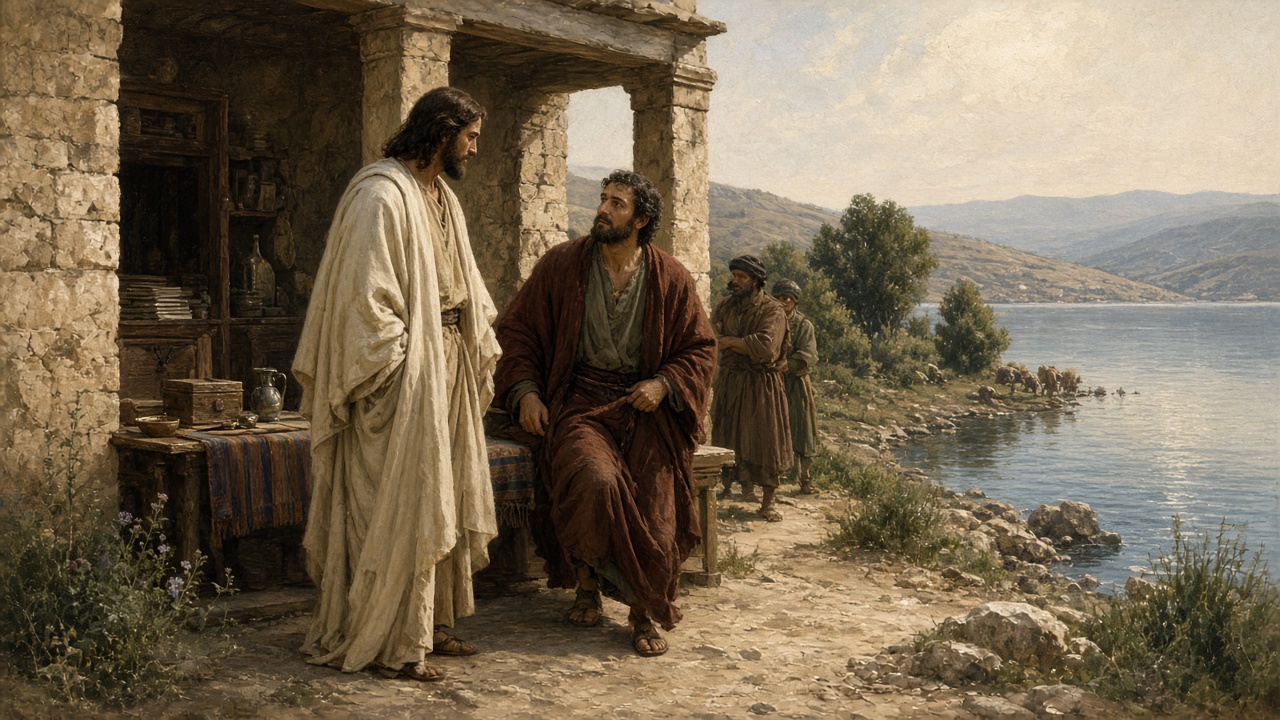
9Deapoea cãndu s-dusi Isusul nclo, vidzu un om tsi shidea la yimbruchi, acljimatã Mateu, sh-lji-dzãsi: “Urmeadzã-mã!” Sh-elu si sculã sh-lu urmã.
10Cãndu Isusul shidea la measã la casã, vinirã multsã taxidari sh-amãrtioshi, s-apunarã sh-mãcarã deadun cu nãsu sh-cu ucenitsilji a lui. 11Fariseilji cãndu vidzurã aestã, lji dzãsirã a ucenjitsilor a lui: “Cãtse nvitsãtorlu a vostru mãcã cu taxidarlji sh-cu amãrtioshlji?” 12Candu Isusul avdzã aesti, lã dzãsi a lor: “Nu suntu sãnãtoshlji tsi au ananghi di doctor ma atselji lãndzitslji. 13Tora dutsets-vã sh-nvitsats tsi va s-dzac: ‘Mini voi njilã sh-nu curbani.’ Cã nu vinj s-acljem trã mitãnjusiri ndreptsãlji, ma amãrtioshlji.”
Zborlu di Pãreasinj
14Atumtsea s-apurchearã ucenitsilji a Ioanului shi ntribarã: “Cãtse noi sh-Fariseilji tsãnem pãreasinji di multi ori, iarã ucenitsilji a tãlji nu tsãn pãreasinji?” 15Isusus lã dzãsi a lor: “Pot numtarlji s-aibã jali, pãnã cãndu dzinirli easti cu nãshi? Ma va yin chirolu cãndu va lu ljea dzinirli di la elji sh-atumtsea elji va s-aĝiuneadzã. 16Vãrã nu bagã tu stranji veclji un petic nou, cã altã soi arupi stranjiu shi azmuldzearea s-fatsi ma mari. 17Vãrã nu bagã yinlu atsel noulu tu folji veclji, cã altã soi foljilji s-arup, yinlu s-vearsi sh-foljilji chearã. Ma yinlu atsel noulu s-bagã tu folji noauã, ashã veaglji un-alantu.”
Isusul Vindicã unã Muljeari sh-Nyeadzi unã Featã
18Cãndu Isusul lj-dzãtsea aestã, s-apruche un di mãrilji a sinagogãljei, cãdzu pri dintsã nãintea a lui sh-lji-dzãsi: “Macãt nj-muri hiljea, haidi sh-bagã mãna pri nãsã sh-ea va bãneadzã.” 19Isusul si sculã shi s-dusi dupã nãsu deadun cu ucenitsilji a lui.
20Sh-ia, unã muljeari tsi di doisprãdzãtsi di anji lj-cura sãndzili, s-apruche di nãpoi sh-bãgã mãna tu mardzina a stranjilui a lui. 21Cã dzãtsea cu mintea a ljei: “Ma s-bagã mãna la stranjiu a lui, va mi vindicã.” 22Isusul s-turnã, lu vidzu sh-dzãsi: “S-ai curaiu hiljea a mea, pistea a ta ti vindicã.” Shi tu ora atsea muljearea s-vindicã.
23Cãndu Isusul agiumsi la casa a mãrilui a sinagogãljei sh-vidzu fluerãtorilji sh-multsãmea turburatã, 24lã-dzãsi a-lor: “Dipãrtats-vã cã feata nu ari murit, ma doarmi.” Sh-elji arãsirã cu nãsu. 25Deapoea, cãndu multsãmea u-scoasirã nafoarã, elu intrã, u-acãtsã di mãnã sh-ea si sculã. 26Shi anamea aishtei anami s-disfeatsi tu tut loclu.
Vindicarea a Orghilor sh-a Mutlui
27Cãndu Isusul ma fudzea di aclo, doi orghi lu urma aurlãnda sh-dzãcãnda: “Njilua-nã noi, Hiljiu al David!” 28Cãndu Isusul agiumsi la casã, orghilji s-apruchearã sh-elu lã dzãsi a lor: “Pistipsits voi cã mini pot s-u fac aestã?” Elji apãndisirã: “Ie, Doamne.” 29Atumtsea elu bãgã mãna la ocljilji a lor, dzãcãnda: “Si s-facã dupã pistea a voastrã.” 30Deapoea a lor lã si discljisirã ocljilji. Sh-Isusul lã ordinã dzãcãnda: “Videts s-nu shtibã vãrã om.” 31Ma elji macãt ishirã u arãspãndirã anamea a lui tu tut loclu.
32Cãndu elji ma isha, lji adusirã un bãrbat mut shi demonizat. 33Dupã tsi Isusul aĝuni demonul, mutlu grãi. Sh-multsãnjili s-ciudisirã sh-dzãsirã: “Nu easti vidzut pute un ahtar lucru tu Israel!” 34Ma Fariseilji dzãtsea: “Elu aĝuneashti demonjilji cu agiutarea a printslui a demonjilor.”
Sitsirarea shi Lucrutorilji
35Isusul tritsea pri tuti cãsãbadzili sh-hoarili, nvitsãnda tu sinagogãli a lor, predicãnda evanghelul a amirãriljei, shi vindicãnda itsi lãngoari sh-itsi niputeari tu popul. 36Cãndu vidzu multsãnjili avea njilã trã nãshi, cã eara nvirinati sh-arãspãnditi ca oili fãrã picurar. 37Atumtsea elu lã dzãsi a ucenitsilor a lui: “Sitsirarea easti dealihea mar, ma lucrutorilji suntu putsãnji. 38Pãrãcãlsits-vã, a Domnului a sitsirãrilor s-pitreacã lucrutori la sitsirãrili a lui.”
Did you know?
Mercy, Healing, and New Wine
- Matthew, son of Alphaeus, was a publican, or tax collector, at Capernaum. Jesus, coming up from the side of the lake, passed the custom-house where Matthew sat and said, “Follow me.” He had formerly been known as Levi; that same day he gave a great feast, described as a farewell, for Jesus, the disciples, and probably many of his old associates.Sources: Matthew · the Bible text itself
- Those who ask why they and the Pharisees fast so often, while Jesus’ disciples do not, are disciples of John the Baptist. John is called the forerunner; he was of priestly descent, his father Zacharias a priest of the course of Abia and his mother Elisabeth one of the daughters of Aaron.Sources: John the Baptist · the Bible text itself
- One chronology places the healing of the paralyzed man, the call of Matthew, the question about fasting, and the parable of the wineskins in AD 28.Sources: Healing the Man with Palsy · Jesus Calls Matthew · Fasting Question · Parable of the Winseskins
Notes written with AI assistance from open sources (Theographic Bible Metadata, CC BY-SA 4.0; Easton’s Bible Dictionary, public domain) and reviewed before publishing.
Places in this chapter
- Sea of Galilee · 32.819, 35.590 · verse 1
Only places identified with high confidence are shown (90% or more according to the scholarly sources compiled by OpenBible). Period map: DARE (Digital Atlas of the Roman Empire), CC BY 4.0; modern map: © OpenStreetMap contributors; places: OpenBible.info (CC BY 4.0).
Credits and license for this translation
Biblija tu limba Rrãmãnã
Portions of the Holy Bible in the Aromanian prestige dialect spoken in central and southern Albania.
copyright © 2024 The Word for the World International
Language: Armãneashti/Arumanisht
Contributor: The Word for the World Europe
Bibla Aromaneshti Frasherot dit Arbenishi
The Word for the World International 2024
www.twftw.org
Aromaneshtli Frasherot easti un din dialectili a limbaljei proto-latine balcanica tsi s-greashti ma multu tu teritorlu a Republicaljei dit Albania, tu Nordul Grecie, tsi s-acljeama Epiru shi tu niscants locurili a Republicaljei dit Nord Machidunia etc. Armanjilji dit Albania, dit Nord Machidunia poati s-lu ghavaseascu textul scriat.
Aromanian Frasherot Bible of Albania
Aromanian Frasherot belongs to the dialects of the Proto-Latin Balkanic language spoken mainly in the territory of the Republic of Albania and of Northern Greece, which was called Epirus and in some other pockets in the Republic of North Macedonia, etc. Aromanians from Albania, and the Republic of North Macedonia can read and understand the printed text.
Bibla Arumune Frasherot e Shqiperise
Arumanishtja Frasherote iu përket dialekteve te gjuhes proto-latine ballanike te folur të folur kryesisht në teritorin e Republikës se Shqiperise dhe te Greqise Veriore, qe quhej Epir dhe ne disa xhepa te tjere ne Republiken e Maqedonise se Veriut etj. Arumunët e Shqiperisë, te Republikës se Maqedonise se Veriut mund të lexojnë dhe kuptojnë tekstin e shtypur.
This translation is made available to you under the terms of the
Creative Commons Attribution Share-Alike license 4.0.
You have permission to share and redistribute this Bible translation in any format and to make reasonable revisions and adaptations of this translation, provided that:
You include the above copyright and source information.
If you make any changes to the text, you must indicate that you did so in a way that makes it clear that the original licensor is not necessarily endorsing your changes.
If you redistribute this text, you must distribute your contributions under the same license as the original.
Pictures included with Scriptures and other documents on this site are licensed just for use with those Scriptures and documents.
For other uses, please contact the respective copyright owners.
Note that in addition to the rules above, revising and adapting God's Word involves a great responsibility to be true to God's Word. See Revelation 22:18-19.
2025-07-02
Source: http://ebible.org/rup/ · eBible.org