Matthew 8
Biblija tu limba Rrãmãnã · Tap a verse to see its cross-references.
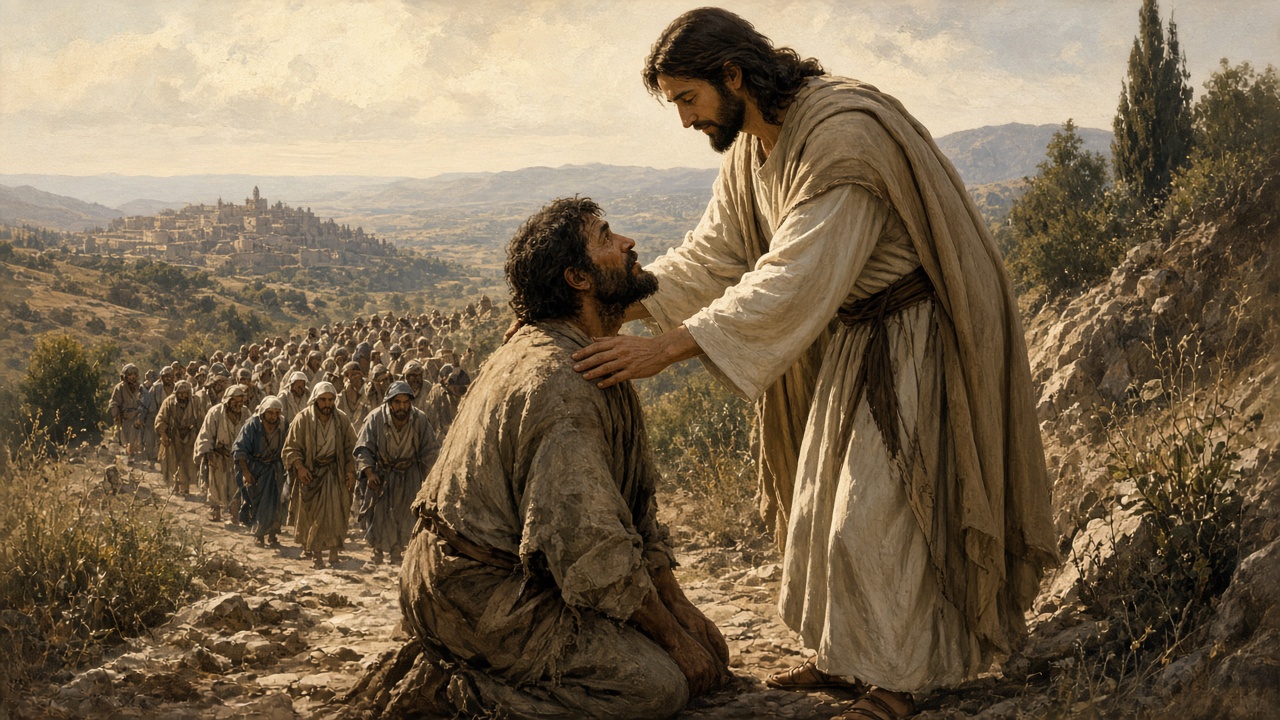
Vindicarea a Leproslui.
1Tora cãndu Isusul dipunã dit munti, multsãmi mãri lu urma. 2Sh-ia, un lepros vini sh-si ncljinã, dzãcãnda: “Doamne, ma s-vrei tini pots s-mi curi.” 3Sh-Isusul timsi mãna, lu bãgã pi nãs sh-lji-dzãsi: “Ie, mini voi, curã-ti!” Sh-tu atsea oarã s-vindicã di lepra a lui. 4Atumtsea Isusul lji dzãsi: “Vedzi, si nu lj-spunji a vãrui, ma duti nãintea a preftului, sh-fã doara tsi ari ursitã Moisiul tsi aestã s-hibã mãrtirii trã caitsido.”
Tsenturionlu al Capernaum
5Cãndu Isusul intrã tu Capernaum, lji vini un tsenturion pãrãcãlsinda, 6shi lji dzãsi: “Doamne, sclavul a meu easti paralizat tu pat n-casã shi ma s-mundueashti multu.” 7Sh-Isusul lji dzãsi: “Va yin shi va lu vindicã.” 8Tsenturionlu apãndisinda lji dzãsi: “Doamne, mini nu escu axiu tsi tini s-intsri tu streaha a mea, ma dzã mash un zbor shi sclavlu a meu va si s-vindicã. 9Cã sh-mini escu un om sum autoritatea a altsilor, sh-lji-am suldatslji sum mini. Ma s-lji dzãc a unui: ‘Duti!’, elu s-dutsi, shi ma s-lji dzãc a altui: ‘Ajdi!’, elu yini, shi ma s-lji dzãc a sclavulu a meu: ‘Fã aestã!’, elu u-fatsi.” 10Cãndu Isusul lavdzã aestã, s-ciudisi sh-lã dzãsi atsilor tsi lu urma: “Dealihea ma vã dzãc, cã iuva tu Israel nu aflai un pisti ahãntã mari. 11Mini ma vã dzãc cã multsã va yin di la rãsãrit sh-di la ascãpitat, sh-va apunã la measã cu Abrahamul, cu Isacul sh-cu Iacovul tu amirãriljea a tserurilor, 12ma hiljilji a amirãriljei, atselji aleptsã di la Dumnidzãlu, va hibã arcats tu scutidlu di nafoarã. Aclo va hibã plãngul sh-cãrtsãnirea a dintsilor.” 13Atumtsea Isusul lji dzãsi a tsenturionul: “Du-ti, shi si s-facã ashã cum pistipsishi!” Sclavul s-vindicã tu atsea oarã.
Soacra a Petrului
14Deapoea Isusul intrã tu casa a Petrului sh-vidzu soacra a lui tsi eara tu pat cu hevri. 15Candu elu lji bãgã mãna hevrili u-alãsarã. Sh-ea si sculã sh-ahurhi s-lji huzmitipsea a lui. 16Cãndu vini seara, lji adusirã multsã demonizatsi, sh-elu cu zbor aĝuni duhurili sh-vindicã tuts lãndzitslji, 17tsi ashã si mplineascã zborlu a prufitlui Isaia cãndu dzãsi:
“Elu li lo niputerili a noastri
sh-li purtã lãngoarili a noastri.”
Urmarea al Isus
18Cãndu Isusul vidzu anvãrliga di nãsu multsãmi mãri, ordinã s-treacã di napãrti. 19Atumtsea un scrib s-apruche sh-lji dzãsi: “Nvitsãtore, mini va ti urmedzu iutsido tsi va ti duts.” 20Sh-Isusul lji dzãsi: “Vulpili au guvãli a lor, sh-puljilji a tserlui au cuibairili, ma Hiljiu a omlui nu ari iu s-bagã caplu.” 21Deapoea un din ucenitsilji a lui lji dzãsi: “Doamne, dã-nji volje ma nãinti s-mi duc s-ngrop tatãl a meu.” 22Ma Isusul lji dzãsi: “Urmeadz-mã, sh-alasã mortsãlji s-ngroapã mortsãlji a lor.”
Isusul Muljeadzi Furtuna
23Dupã tsi elu s-alinã tu varcã, ucenitsilji a lui lu-urmarã. 24Sh-ia, tu amari si sculã unã furtunã mari, sh-vãljurili ma anvãlea varca, ma Isusul durnjea. 25S-apruchearã la nãsu ucenitsilji a lui, lu dishtiptarã shi lji dzãsirã: “Doamne, ascapã-nã, cã noi ma nã nicãm.” 26Isusul lã dzãsi a lor: “Cãtse avets fricã, voi oaminj cu pisti-putsãnã?” Cum si sculã, aurlã a vimturilor sh-a amariljei shi s-featsi tãtseari mari. 27Atumtsea oaminjli s-thãvmãtisirã shi dzãtsea: “Cai easti aestu, tsi ma lu ascultã vimturli shi amarea?”
Demonizatlu Gadarean
28Cãndu Isus agiumsi tu alantã parti tu loclu a Gadarenjilor, lji ishirã nãinti doi demonizats tsi avea ishitã di murmintsã. Elji eara ahãntu turbatsi, cãt nitsunu nu putea s-tritsea pi atsea cali. 29Sh-ia, elji ahurhirã s-aurlã: “Tsi ai cu noi, Isus, Hiljiu a Dumnidzãlui? Ai vinit aoa s-nã mundueshti ma nãinti di oara tsi prindi?” 30Sh-nu multu diparti di nãshi un cupii mari di portsi ma pãshtea. 31Atumtsea demonjilji s-pãrãcãlsirã a lui: “Macã nã aĝuneshti, alasã-nã s-intrãm tu atsea cupii di portsi.” 32Elu lã dzãsi a lor: “Dutsets-vã!” Ashã elji dupã tsi ishirã, intrarã tu atsea cupii di portsi. Ia, tutã cupia s-arcã di ripã tu amari, shi s-nicarã tu apã. 33Atselji tsi lã pãshtea fudzirã tu cãsãbã sh-cãndu agiumsirã aclo spusirã tuti aesti, tutashã tsi avea undzitã cu demonizatsilji. 34Atumtsea, tutã cãsãbãlu ishi nãintea a Isusului. Cãndu lu vidzurã lji pãrãcãlsirã tsi s-dipãrta dit loclu a lor.
Did you know?
Healings, faith, and the sea
- Capernaum, which Jesus enters in this chapter, was a Galilean city not named in the Old Testament. Easton's Bible Dictionary (1897) says it became his “own city” after he left Nazareth, and it lists the centurion’s appeal and the healing at Peter’s house among the events set there.Sources: Capernaum · the Bible text itself
- Jesus says that many will come from east and west to share the banquet with Abraham, Isaac, and Jacob in the kingdom of heaven. Easton's Bible Dictionary (1897) calls Abraham the son of Terah and heir of the promises, Isaac Abraham’s only son by Sarah, and Jacob—also known as Israel—the younger twin son of Isaac and Rebekah.Sources: the Bible text itself · Abraham · Isaac · Jacob (Israel)
- Matthew presents that evening’s healings as fulfilling words spoken through the prophet Isaiah: “He took on our infirmities and carried our diseases.” Easton's Bible Dictionary (1897) identifies Isaiah as the son of Amoz, who prophesied in the reigns of Uzziah, Jotham, Ahaz, and Hezekiah.Sources: the Bible text itself · Isaiah
Notes written with AI assistance from open sources (Theographic Bible Metadata, CC BY-SA 4.0; Easton’s Bible Dictionary, public domain) and reviewed before publishing.
Places in this chapter
- Gadara · Today: Umm Qais · 32.656, 35.679 · verse 28
Only places identified with high confidence are shown (90% or more according to the scholarly sources compiled by OpenBible). Period map: DARE (Digital Atlas of the Roman Empire), CC BY 4.0; modern map: © OpenStreetMap contributors; places: OpenBible.info (CC BY 4.0).
Credits and license for this translation
Biblija tu limba Rrãmãnã
Portions of the Holy Bible in the Aromanian prestige dialect spoken in central and southern Albania.
copyright © 2024 The Word for the World International
Language: Armãneashti/Arumanisht
Contributor: The Word for the World Europe
Bibla Aromaneshti Frasherot dit Arbenishi
The Word for the World International 2024
www.twftw.org
Aromaneshtli Frasherot easti un din dialectili a limbaljei proto-latine balcanica tsi s-greashti ma multu tu teritorlu a Republicaljei dit Albania, tu Nordul Grecie, tsi s-acljeama Epiru shi tu niscants locurili a Republicaljei dit Nord Machidunia etc. Armanjilji dit Albania, dit Nord Machidunia poati s-lu ghavaseascu textul scriat.
Aromanian Frasherot Bible of Albania
Aromanian Frasherot belongs to the dialects of the Proto-Latin Balkanic language spoken mainly in the territory of the Republic of Albania and of Northern Greece, which was called Epirus and in some other pockets in the Republic of North Macedonia, etc. Aromanians from Albania, and the Republic of North Macedonia can read and understand the printed text.
Bibla Arumune Frasherot e Shqiperise
Arumanishtja Frasherote iu përket dialekteve te gjuhes proto-latine ballanike te folur të folur kryesisht në teritorin e Republikës se Shqiperise dhe te Greqise Veriore, qe quhej Epir dhe ne disa xhepa te tjere ne Republiken e Maqedonise se Veriut etj. Arumunët e Shqiperisë, te Republikës se Maqedonise se Veriut mund të lexojnë dhe kuptojnë tekstin e shtypur.
This translation is made available to you under the terms of the
Creative Commons Attribution Share-Alike license 4.0.
You have permission to share and redistribute this Bible translation in any format and to make reasonable revisions and adaptations of this translation, provided that:
You include the above copyright and source information.
If you make any changes to the text, you must indicate that you did so in a way that makes it clear that the original licensor is not necessarily endorsing your changes.
If you redistribute this text, you must distribute your contributions under the same license as the original.
Pictures included with Scriptures and other documents on this site are licensed just for use with those Scriptures and documents.
For other uses, please contact the respective copyright owners.
Note that in addition to the rules above, revising and adapting God's Word involves a great responsibility to be true to God's Word. See Revelation 22:18-19.
2025-07-02
Source: http://ebible.org/rup/ · eBible.org