Judges 1
Biblica® Open Nova Bíblia Viva 2007 · Tap a verse to see its cross-references.
About this book
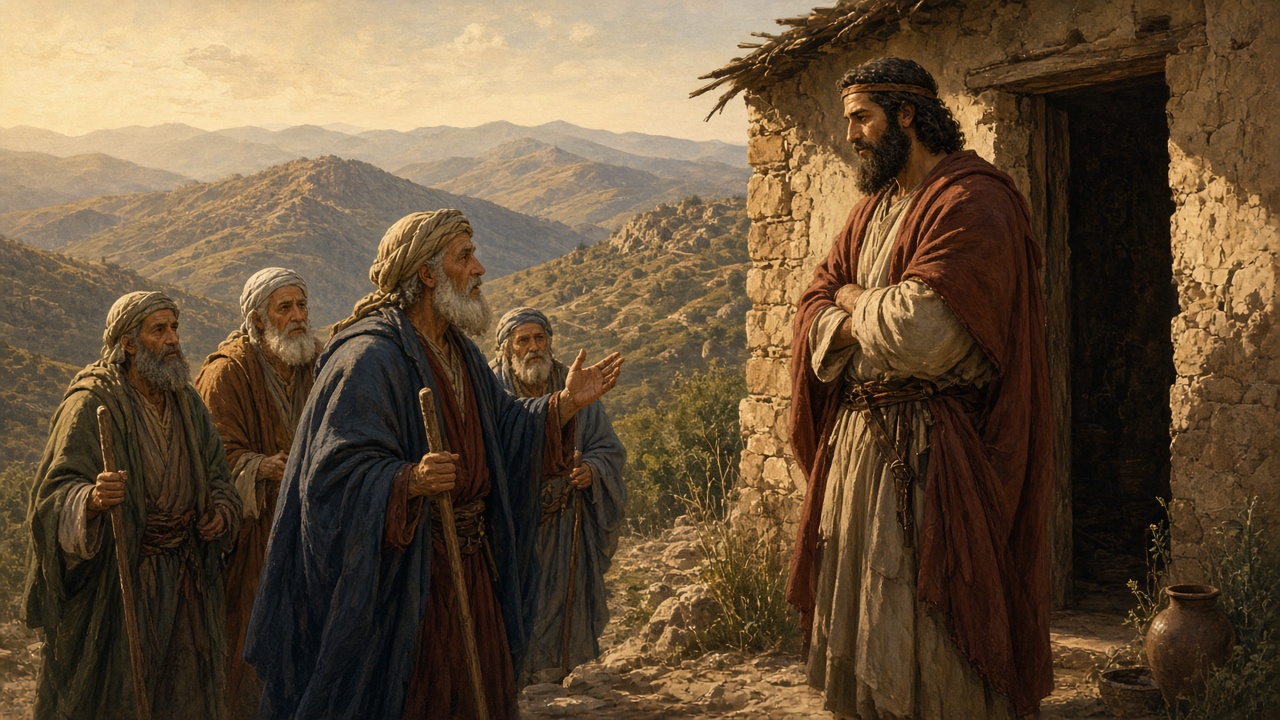
About Judges
- The book is called Judges because it contains the history of Israel's deliverance and government by the men who bore that title. Easton's Bible Dictionary (1897) sets their story in repeated times of servitude under neighboring peoples and of deliverance by the judges, and it states that the chronology of the whole period is uncertain.Sources: Easton: Judges, Book of
- Easton's Bible Dictionary (1897) holds that the author was most probably Samuel, and that the book was probably composed during Saul's reign or at the very beginning of David's reign. Easton notes that the words in Judges 18:30–31 imply a date after the Philistines took the ark and after it was set up at Nob, whereas in David's reign the ark was at Gibeon.Sources: Easton: Judges, Book of
- As Easton outlines it, the book has an introduction (1–3:6) linking it with the narrative in Joshua, a history of thirteen judges (3:7–16:31) in four periods, and an appendix (chapters 17–21) with no formal connection to what goes before. If Eli and Samuel are included, Easton counts fifteen judges.Sources: Easton: Judges, Book of
- Easton's outline presents the setting as a succession of servitudes: under Chushan-rishathaim of Mesopotamia, under Eglon of Moab, under Jabin of Hazor in Canaan, under Midian with Amalek and the children of the east, under the Ammonites together with the Philistines, and again under the Philistines. Gideon, also called Jerubbaal, begins what Easton calls the second period; Jephthah, brought from Tob by the elders of Gilead, judged Israel for six years after delivering the people from the Ammonites; Samson, son of Manoah of Zorah, was a Nazirite to God from birth.Sources: Easton: Judges, Book of · Gideon · Jephthah · Samson
- The appendix records the conquest of Laish by a portion of the tribe of Dan, and the near extinction of Benjamin at the hands of the other tribes because Benjamin had assisted the men of Gibeah. Easton places these events only a few years after Joshua's death and says they show the people's religious and moral degeneracy. Easton also notes that Ruth originally formed part of Judges and was separated from it about A.D. 450, then placed in the Hebrew scriptures immediately after the Song of Solomon.Sources: Easton: Judges, Book of · Gibeah
Notes written with AI assistance from open sources (Theographic Bible Metadata, CC BY-SA 4.0; Easton’s Bible Dictionary, public domain) and reviewed before publishing.
Continua a Conquista de Canaã
1Depois que Josué morreu, o povo de Israel foi à presença do Senhor para receber instruções. “Qual de nossas tribos deverá ir primeiro guerrear contra os cananeus?”, perguntaram os israelitas.
2Respondeu o Senhor: “Judá será o primeiro. Já entreguei a terra em suas mãos”.
3Então, os chefes da tribo de Judá pediram ajuda à tribo de Simeão. “Venham lutar junto conosco contra os cananeus, para tomarmos posse da terra que nos foi dada por sorteio sagrado”, disseram. “Depois nós ajudaremos vocês a conquistar o território que vocês receberam por sorteio sagrado”. Assim o exército de Simeão foi com o exército de Judá.
4O Senhor deu a eles a vitória sobre os cananeus e os ferezeus, e eles mataram dez mil soldados inimigos em Bezeque. 5Enquanto lutavam com os cananeus e com os ferezeus em Bezeque, encontraram o rei Adoni-Bezeque e lutaram contra ele. 6Adoni-Bezeque fugiu, mas ele foi perseguido e preso, e lhe cortaram os polegares das mãos e dos pés.
7“Cortei os polegares de setenta reis, e eles comiam as migalhas debaixo da minha mesa!”, exclamou Adoni-Bezeque. “Agora Deus me fez pagar pelo que fiz!” O rei prisioneiro foi levado para Jerusalém, onde morreu.
A Tomada de Jerusalém e Hebrom
8Os homens de Judá também guerrearam contra Jerusalém e a conquistaram. Eliminaram a sua população e puseram fogo na cidade. 9Depois disso, o exército de Judá lutou contra os cananeus da região montanhosa, no Neguebe e nas planícies à beira-mar. 10Em seguida, marcharam contra os cananeus que habitavam em Hebrom, antes chamada Quiriate-Arba, destruindo as cidades de Sesai, Aimã e Talmai.
11Dali avançaram contra os moradores de Debir, antes chamada de Quiriate-Sefer. 12Calebe desafiou: “Quem atacar e conquistar a cidade de Quiriate-Sefer poderá casar com minha filha Acsa!” 13Otoniel, sobrinho de Calebe, filho de Quenaz, irmão mais novo de Calebe, foi quem conquistou a cidade, e casou com Acsa.
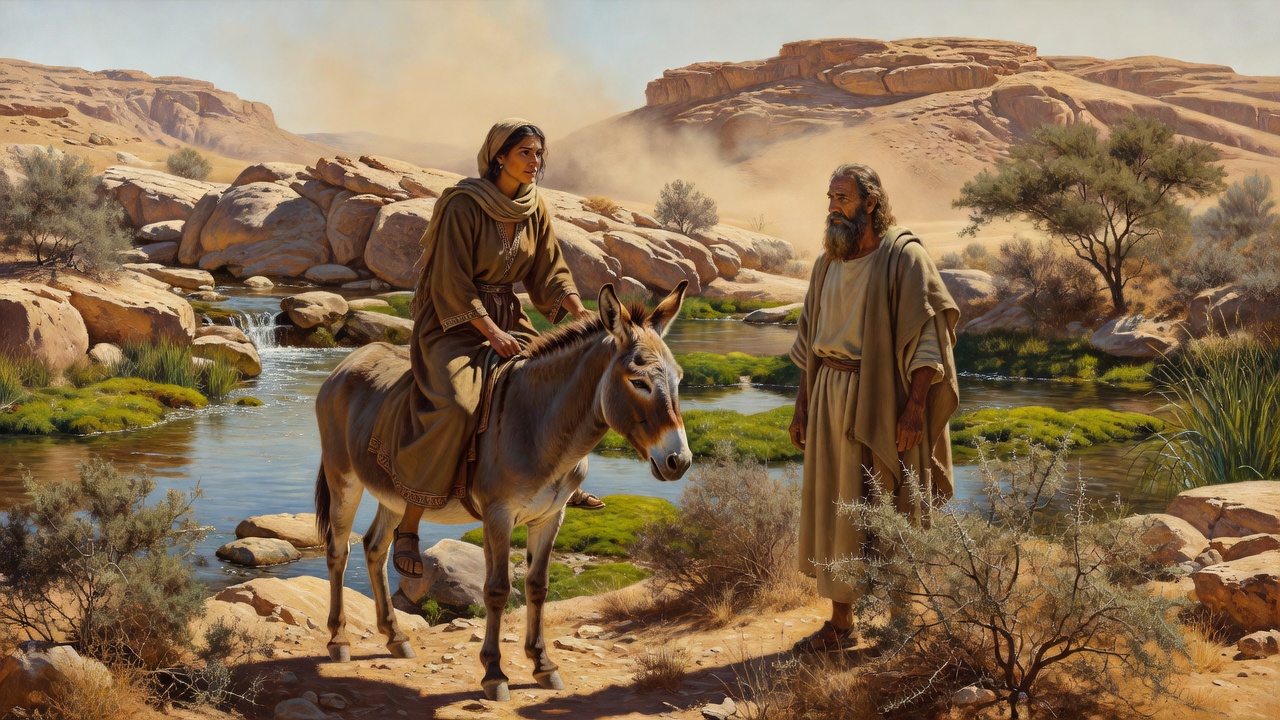
14Certo dia, quando o casal já morava na sua casa, Acsa insistiu com Otoniel que pedisse ao pai dela mais um terreno, como presente de casamento. Ela desceu do jumento em que estava montada para falar com o seu pai a este respeito.
“Que posso fazer por você?”, perguntou Calebe.
15Ela respondeu: “Gostaria de receber outro presente, meu pai! A terra que o senhor me deu é um deserto. Quero uma que tenha fontes de água!” Então ele deu a ela as fontes superiores e as fontes inferiores.
16Quando a tribo de Judá mudou para o novo território, no deserto do Neguebe, ao sul de Arade, os descendentes do sogro de Moisés — membros da tribo dos queneus — deixaram seus lares em Jericó, a “Cidade das Palmeiras”, e as duas tribos passaram a morar juntas.
17Depois os exércitos de Judá e de Simeão, juntos, lutaram contra os cananeus que habitavam em Zefate e destruíram totalmente a cidade. Por isso a cidade recebeu o nome de Hormá, que significa “lugar devastado”. 18O exército de Judá conquistou também as cidades de Gaza, Ascalom e Ecrom, com os seus respectivos territórios.
19O Senhor estava com a tribo de Judá e ajudou a eliminar os povos das montanhas. Entretanto, Judá não expulsou os moradores do vale, pois estes tinham carros de ferro.
20Calebe recebeu a cidade de Hebrom — como tinha sido prometido. Ele expulsou os habitantes da cidade, descendentes dos três filhos de Enaque.
21A tribo de Benjamim não conseguiu expulsar os jebuseus que moravam em Jerusalém. Por isso eles vivem lá, misturados com os israelitas, até a data em que este livro foi escrito.
22O exército de José, por sua vez, atacou a cidade de Betel, e o Senhor estava com eles. 23Primeiro enviaram espias a Betel, antes conhecida pelo nome de Luz. 24Eles prenderam um homem que ia saindo da cidade e fizeram esta proposta a ele: “Se você nos mostrar a entrada da cidade, você não morrerá”. 25Ele mostrou a entrada, e os israelitas mataram os habitantes da cidade, mas deixaram que aquele homem partisse em paz com a sua família. 26Ele foi para a terra dos heteus (na Síria) e ali edificou uma cidade que recebeu também o nome de Luz, que é o nome dela até hoje.
O Fracasso em Completar a Conquista
27A tribo de Manassés, porém, não expulsou os habitantes das cidades de Bete-Seã, Taanaque, Dor, Ibleã, Megido, e seus respectivos povoados; assim os cananeus permaneceram nesses lugares. 28Mas depois que os israelitas ficaram mais fortes, obrigaram os cananeus a trabalhar como escravos. Entretanto, não expulsaram totalmente esse povo do território. 29A mesma coisa aconteceu com os cananeus de Gezer, que continuaram vivendo ali, junto com os israelitas da tribo de Efraim.
30A tribo de Zebulom não expulsou os habitantes de Quitrom e Naalol; os cananeus continuaram vivendo ali, mas foram submetidos a trabalhos forçados. 31Aser também não expulsou os habitantes de Aco, Sidom, Alabe, Aczibe, Helba, Afeque e Reobe, 32e, por esse motivo, os israelitas ficaram vivendo nesses lugares junto com os cananeus, os antigos moradores dessas terras. 33A mesma coisa aconteceu com a tribo de Naftali, que também não expulsou os habitantes de Bete-Semes e Bete-Anate; os cananeus continuaram vivendo ali junto com os israelitas. Os moradores de Bete-Semes e Bete-Anate foram sujeitos a trabalho escravo. 34Quanto à tribo de Dã, foi forçada pelos amorreus a ficar nas montanhas; ela foi impedida de descer ao vale. 35Os amorreus também quiseram morar nas montanhas de Heres, em Aijalom e em Saalbim, mas quando as tribos de José ficaram mais poderosas, os amorreus também foram submetidos a trabalhos escravos. 36A fronteira dos amorreus começava na ladeira de Acrabim, seguindo até um lugar chamado Selá, continuando dali para cima.
Did you know?
Israel's Initial Conquests and Challenges
- Because the Negev was an arid region in the south, Caleb's daughter Achsah asked her father for springs of water alongside the land he had allotted her, receiving both the upper and lower springs.Sources: the Bible text itself · Achsah · Negeb
- The narrative notes the ancient Canaanite names of several conquered sites, including Hebron (formerly Kiriath-arba), Debir (formerly Kiriath-sepher), and Bethel (originally Luz).Sources: the Bible text itself · Hebron · Bethel (of Palestine)
- Although the tribe of Judah took control of the hill country, they were unable to drive out the inhabitants of the plains because those defenders possessed iron chariots.Sources: the Bible text itself
Notes written with AI assistance from open sources (Theographic Bible Metadata, CC BY-SA 4.0; Easton’s Bible Dictionary, public domain) and reviewed before publishing.
Places in this chapter
- Jerusalem · 31.777, 35.234 · verses 7, 8, 21
- Negeb · 31.245, 34.841 · verses 9, 15, 16
- Shephelah · 31.692, 34.875 · verse 9
- Hebron · Today: Tel Rumeida · 31.525, 35.102 · verses 10, 20
- Gulloth-mayim · Today: within 5 km of Khirbet Rabud · 31.432, 35.015 · verse 15
- Lower Gulloth · Today: within 5 km of Khirbet Rabud · 31.432, 35.015 · verse 15
- Upper Gulloth · Today: within 5 km of Khirbet Rabud · 31.432, 35.015 · verse 15
- Jericho · Today: Tell es Sultan · 31.872, 35.445 · verse 16
- Zephath · Today: Tel Masos · 31.212, 34.958 · verse 17
- Ashkelon · Today: Tel Ashkelon · 31.664, 34.546 · verse 18
- Ekron · Today: Tel Miqne · 31.777, 34.852 · verse 18
- Gaza · Today: Tell Harube · 31.504, 34.464 · verse 18
- Luz · Today: Beitin · 31.923, 35.241 · verse 23
- Megiddo · Today: Tel Megiddo · 32.585, 35.184 · verse 27
- Taanach · Today: Tell Ta’anakh · 32.522, 35.219 · verse 27
- Gezer · Today: Tel Gezer · 31.859, 34.919 · verse 29
- Acco · Today: Tel Akko · 32.921, 35.088 · verse 31
- Sidon · Today: Sandikli archaeological site in Sidon · 33.561, 35.372 · verse 31
Only places identified with high confidence are shown (90% or more according to the scholarly sources compiled by OpenBible). Period map: DARE (Digital Atlas of the Roman Empire), CC BY 4.0; modern map: © OpenStreetMap contributors; places: OpenBible.info (CC BY 4.0).
Credits and license for this translation
Biblica® Open Nova Bíblia Viva 2007
Portuguese: Biblica® Open Nova Bíblia Viva 2007 (Bible)
copyright © 2007, 2010 Biblica, Inc.
Language: Português
Dialect: Brazil
Contributor: Biblica, Inc.
Biblica® Open Nova Bíblia Viva™
Copyright © 2007, 2010 by Biblica, Inc.
“Biblica” é uma marca registrada na Oficina de Patentes e Marcas dos Estados Unidos por Biblica, Inc. Usado com permissão.
“Biblica” is a trademark registered in the United States Patent and Trademark Office by Biblica, Inc. Used with permission.
――――――
Creative Commons license
This work is made available under the Creative Commons Attribution-ShareAlike 4.0 International License (CC BY-SA). To view a copy of this license, visit https://creativecommons.org/licenses/by-sa/4.0 or send a letter to Creative Commons, PO Box 1866, Mountain View, CA 94042, USA.
You have permission to copy and distribute this Work, as long as you do not change it and you keep the title as it is. Changing or translating this Work will create a derivative work. When you publish this derivative work, you must list what changes you have made where people can see them, such as on a website. You must also show where the original Work is from: “The original Work by its copyright holders is available for free at www.biblica.com and open.bible .”
Notice of copyright must appear on the title or copyright page of the work as follows:
Biblica® Open Nova Bíblia Viva™
Copyright © 2007, 2010 by Biblica, Inc.
“Biblica” é uma marca registrada na Oficina de Patentes e Marcas dos Estados Unidos por Biblica, Inc. Usado com permissão.
“Biblica” is a trademark registered in the United States Patent and Trademark Office by Biblica, Inc. Used with permission.
You must also make your derivative work available under the same license (CC BY-SA).
If you would like to notify Biblica, Inc. regarding your translation of this work, please contact us at https://open.bible/#feedback .
This translation is made available to you under the terms of the
Creative Commons Attribution Share-Alike license 4.0.
You have permission to share and redistribute this Bible translation in any format and to make reasonable revisions and adaptations of this translation, provided that:
You include the above copyright and source information.
If you make any changes to the text, you must indicate that you did so in a way that makes it clear that the original licensor is not necessarily endorsing your changes.
If you redistribute this text, you must distribute your contributions under the same license as the original.
Pictures included with Scriptures and other documents on this site are licensed just for use with those Scriptures and documents.
For other uses, please contact the respective copyright owners.
Note that in addition to the rules above, revising and adapting God's Word involves a great responsibility to be true to God's Word. See Revelation 22:18-19.
2025-05-20
Section headings adapted from the Berean Standard Bible (public domain); they are not part of this translation’s text.
Source: http://ebible.org/poronbv/ · eBible.org