James 1
Biblica® Open Nova Bíblia Viva 2007 · Tap a verse to see its cross-references.
About this book
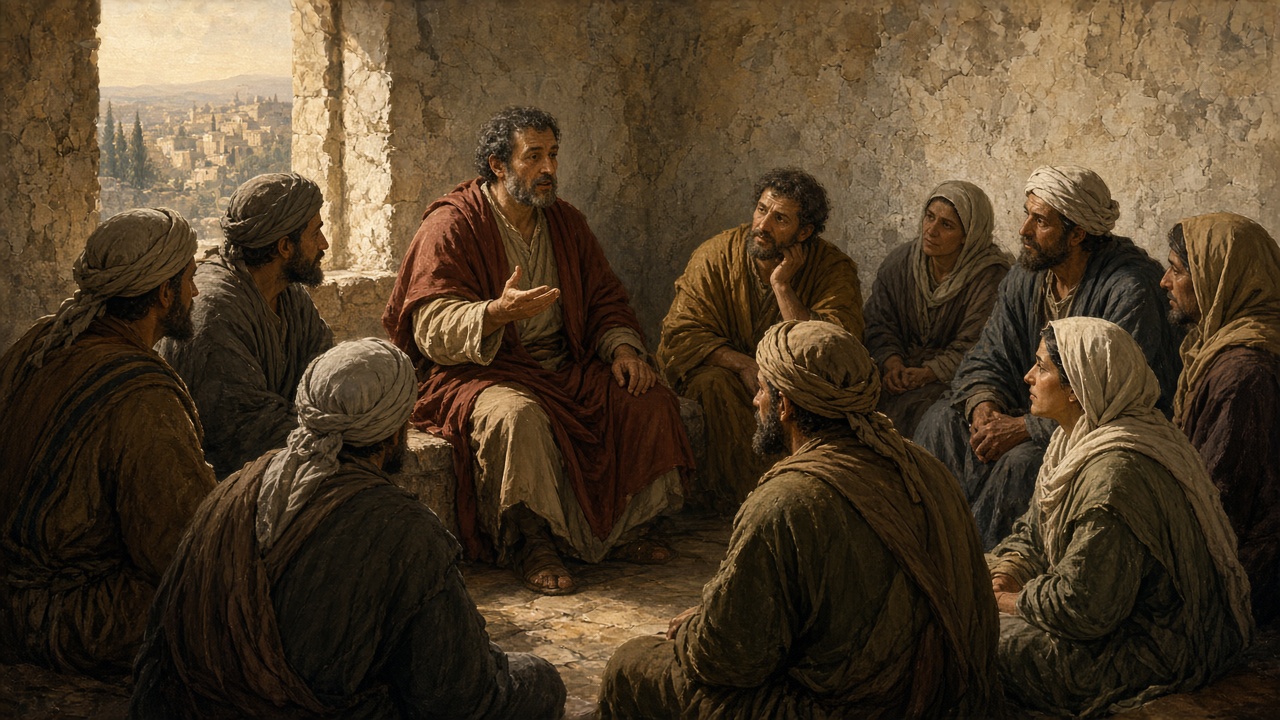
About James
- Easton's Bible Dictionary (1897) identifies the author as James the Less, the Lord's brother and one of the twelve apostles, and as one of the three pillars of the Church. A related entry calls him the son of Alphaeus, or Cleopas, a near kinsman of Jesus, nicknamed "the Less" or "the Little," probably because he was short, and states that this James wrote the letter that bears his name.Sources: Easton: James, Epistle of · James (Brother of Jesus)
- Easton's Bible Dictionary (1897) places the writing in Jerusalem, where James was living, and, from internal evidence, in the period between Paul's two imprisonments in Rome, probably about A.D. 62.Sources: Easton: James, Epistle of
- The letter is addressed to the Jews of the dispersion, "the twelve tribes scattered abroad." The same James is described as head of the church at Jerusalem, where he presided at the council that considered the case of the Gentiles.Sources: Easton: James, Epistle of · James (Brother of Jesus)
- According to Easton, the writer sought to press the practical duties of the Christian life, warning against formalism, fanaticism, fatalism, bowing before the rich, false use of words and oaths, partisanship, evil speaking, boasting, and oppression. He presents the great lesson as patience in trial, in good works, and under provocation, oppression, and persecution, grounded in the near coming of the Lord, who would set wrongs right.Sources: Easton: James, Epistle of
- An entry on Job cites him, in connection with this letter, as an example for later generations of integrity and of submissive patience under the sorest calamities.Sources: Job
Notes written with AI assistance from open sources (Theographic Bible Metadata, CC BY-SA 4.0; Easton’s Bible Dictionary, public domain) and reviewed before publishing.
Saudações de Tiago
1Tiago, servo de Deus e do Senhor Jesus Cristo, ao povo de Deus espalhado entre as nações. Saudações!
Alegria nas provações
2Meus irmãos, a vida de vocês está cheia de dificuldades e de provações? Então, considerem isto motivo de grande alegria, 3porque, quando a sua fé é provada, a perseverança de vocês tem uma oportunidade de crescer. 4Portanto, deixem a perseverança crescer, agindo plenamente em vocês. Porque, quando a perseverança de vocês estiver afinal plenamente crescida, vocês estarão preparados para qualquer coisa, e serão fortes de caráter, íntegros, sem que lhes falte coisa alguma.
5Se quiserem saber o que Deus quer que vocês façam, perguntem-lhe, e ele alegremente lhes dirá, pois está sempre pronto a dar uma farta provisão de sabedoria a todos os que lhe pedem. 6Mas, quando lhe pedirem, estejam certos de que vocês realmente esperam que ele lhes diga, pois uma mente duvidosa é tão inconstante como uma onda do mar que é empurrada e agitada pelo vento. 7Quando pedirem sem fé, não esperem que o Senhor lhes dê alguma resposta concreta, 8pois a pessoa que age assim é insegura e dividida, voltando-se ora para um lado, ora para o outro.
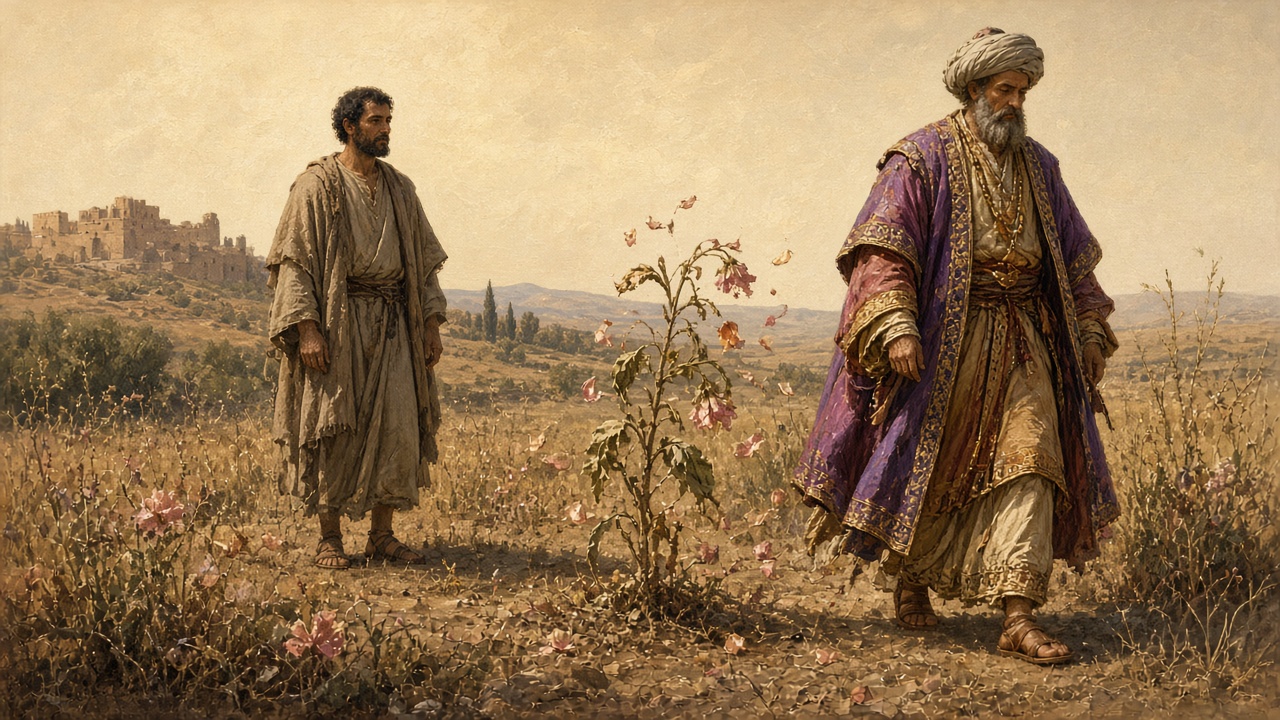
9O irmão que não goza de muito prestígio neste mundo deve orgulhar-se quando estiver em posição elevada. 10Mas o homem rico deve sentir-se alegre caso fique pobre, porque as suas riquezas não significam nada para o Senhor, pois o rico logo passará, como uma flor do campo. 11Quando o sol se levanta, traz o calor abrasador e a planta murcha e seca. Assim é com os ricos. Eles murcharão logo e deixarão para trás todos os seus afazeres.
12Feliz é o homem que não cede e continua fiel quando é provado, porque depois receberá como recompensa a coroa da vida que Deus prometeu àqueles que o amam.
Dons bons e perfeitos
13Quando alguém for tentado, nunca diga: “Esta tentação vem de Deus”. Pois Deus nunca pode ser tentado pelo mal, e ele próprio nunca tenta alguém. 14Mas a tentação vem da fascinação dos próprios pensamentos e desejos maus do homem. 15Estes maus pensamentos levam ao pecado, e, quando o pecado é consumado, leva à morte. 16Portanto, não se deixem enganar, caros irmãos.
17Mas tudo quanto é bom e perfeito vem de Deus, o Criador de toda luz, e que resplandece para sempre, sem mudança nem sombra.
18E foi pela sua própria vontade que ele nos deu a vida nova, por meio da verdade da sua palavra, e nos tornamos os primeiros frutos de tudo que ele criou.
Ouvir e praticar a Palavra
19Queridos irmãos, nunca se esqueçam de que cada um deve estar pronto para ouvir, mas demorar para falar e ficar irado; 20pois a ira humana não produz a justiça de Deus.
21Portanto, livrem-se de toda impureza e da maldade, tanto interior quanto exterior, e alegrem-se humildemente com a palavra maravilhosa que foi implantada em vocês, pois ela é capaz de nos salvar à medida que se desenvolve em nossos corações.
22E lembrem-se: Coloquem em prática a palavra, e não sejam apenas ouvintes. Portanto, não se enganem: 23pois se uma pessoa apenas ouvir e não a colocar em prática é semelhante a um homem que olha o seu próprio rosto num espelho; 24e, depois de olhar para si mesmo, logo que se afasta não se lembra de como é a sua aparência. 25Entretanto, se continuar olhando com firmeza na lei de Deus que traz a liberdade e não a esquecer, mas praticar o que ela diz, Deus abençoará grandemente essa pessoa em tudo quanto fizer.
26Se alguém se considera religioso, mas não refreia a sua língua ferina, está apenas enganando-se a si mesmo, e a sua religião não vale nada. 27A religião que Deus, o nosso Pai, aceita como pura e sem falhas é aquela que cuida dos órfãos e das viúvas em suas dificuldades, e que permanece fiel ao Senhor — sem se contaminar com o mundo.
Did you know?
Trials and Pure Religion
- The letter opens in the name of “James, a servant of God and of the Lord Jesus Christ.” A traditional account identifies him as the son of Alphaeus, or Cleopas, called James “the Less” or “the Little,” probably because he was of low stature, and as a brother, near kinsman, or cousin of Jesus. That account says he appears to have headed the church in Jerusalem and that he presided at the council held to consider the case of the Gentiles.Sources: James (Brother of Jesus) · the Bible text itself
- He addresses “the twelve tribes of the Dispersion” and greets them as brothers. He treats trials of many kinds as a testing of faith that develops perseverance, but he warns that no one who is tempted should say, “God is tempting me,” because God tempts no one.Sources: the Bible text itself
- The rich man, he says, should exult in his low position, because he will pass away like a flower of the field when the sun rises with scorching heat and withers the plant. Pure and undefiled religion, in his words, is to care for orphans and widows in their distress and to keep oneself from being polluted by the world.Sources: the Bible text itself
Notes written with AI assistance from open sources (Theographic Bible Metadata, CC BY-SA 4.0; Easton’s Bible Dictionary, public domain) and reviewed before publishing.
Credits and license for this translation
Biblica® Open Nova Bíblia Viva 2007
Portuguese: Biblica® Open Nova Bíblia Viva 2007 (Bible)
copyright © 2007, 2010 Biblica, Inc.
Language: Português
Dialect: Brazil
Contributor: Biblica, Inc.
Biblica® Open Nova Bíblia Viva™
Copyright © 2007, 2010 by Biblica, Inc.
“Biblica” é uma marca registrada na Oficina de Patentes e Marcas dos Estados Unidos por Biblica, Inc. Usado com permissão.
“Biblica” is a trademark registered in the United States Patent and Trademark Office by Biblica, Inc. Used with permission.
――――――
Creative Commons license
This work is made available under the Creative Commons Attribution-ShareAlike 4.0 International License (CC BY-SA). To view a copy of this license, visit https://creativecommons.org/licenses/by-sa/4.0 or send a letter to Creative Commons, PO Box 1866, Mountain View, CA 94042, USA.
You have permission to copy and distribute this Work, as long as you do not change it and you keep the title as it is. Changing or translating this Work will create a derivative work. When you publish this derivative work, you must list what changes you have made where people can see them, such as on a website. You must also show where the original Work is from: “The original Work by its copyright holders is available for free at www.biblica.com and open.bible .”
Notice of copyright must appear on the title or copyright page of the work as follows:
Biblica® Open Nova Bíblia Viva™
Copyright © 2007, 2010 by Biblica, Inc.
“Biblica” é uma marca registrada na Oficina de Patentes e Marcas dos Estados Unidos por Biblica, Inc. Usado com permissão.
“Biblica” is a trademark registered in the United States Patent and Trademark Office by Biblica, Inc. Used with permission.
You must also make your derivative work available under the same license (CC BY-SA).
If you would like to notify Biblica, Inc. regarding your translation of this work, please contact us at https://open.bible/#feedback .
This translation is made available to you under the terms of the
Creative Commons Attribution Share-Alike license 4.0.
You have permission to share and redistribute this Bible translation in any format and to make reasonable revisions and adaptations of this translation, provided that:
You include the above copyright and source information.
If you make any changes to the text, you must indicate that you did so in a way that makes it clear that the original licensor is not necessarily endorsing your changes.
If you redistribute this text, you must distribute your contributions under the same license as the original.
Pictures included with Scriptures and other documents on this site are licensed just for use with those Scriptures and documents.
For other uses, please contact the respective copyright owners.
Note that in addition to the rules above, revising and adapting God's Word involves a great responsibility to be true to God's Word. See Revelation 22:18-19.
2025-05-20
Section headings adapted from the Berean Standard Bible (public domain); they are not part of this translation’s text.
Source: http://ebible.org/poronbv/ · eBible.org