2 Corinthians 1
Biblica® Open Nova Bíblia Viva 2007 · Tap a verse to see its cross-references.
About this book
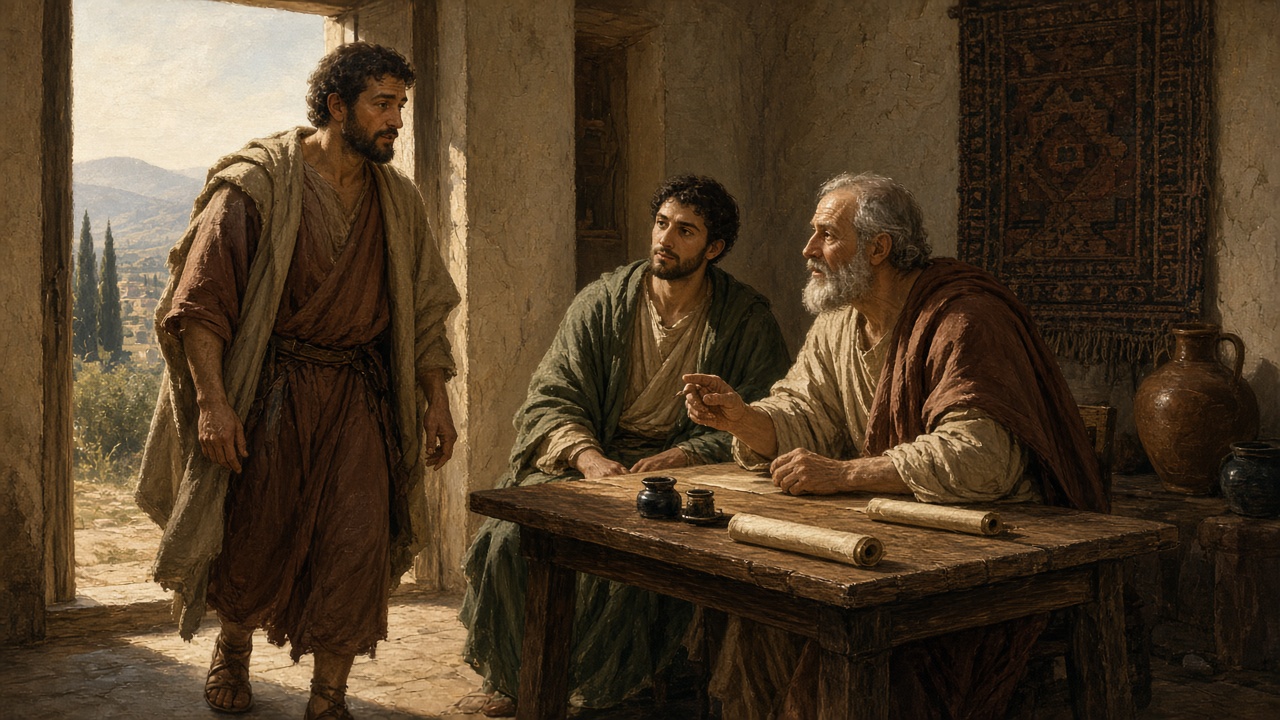
About 2 Corinthians
- Easton's Bible Dictionary (1897) dates the letter early in A.D. 58 and presents it as written by Paul, probably at Philippi or, as some think, at Thessalonica, and sent to Corinth by Titus.Sources: Easton: Corinthians, Second Epistle to the
- Shortly after his first letter, Paul left Ephesus, where intense excitement had been aroused against him, and followed the usual route to Troas, the port of departure for Europe, expecting to meet Titus with news of that letter's effect. Disappointed, he went on to Macedonia; at Philippi he was soon joined by Titus, who brought a favourable report from Corinth, and also by Timothy, and this second letter was written under the influence of that news.Sources: Easton: Corinthians, Second Epistle to the
- The letter is addressed not only to the church in Corinth but also to the saints in all Achaia, that is, in Athens, Cenchrea, and other cities in Greece. Corinth, about 48 miles west of Athens, was noted for its wealth; the city mentioned in the New Testament had been rebuilt and peopled by a colony of freedmen from Rome, and under the Romans it was the seat of government for southern Greece, or Achaia, one of the two provinces into which the Romans divided the country.Sources: Easton: Corinthians, Second Epistle to the · Corinth · Achaia
- Easton arranges the letter in three parts: Paul speaks of his spiritual labours and course of life and expresses warm affection toward the Corinthians (chapters 1–7); he gives directions for a collection for their poor brethren in Judea (chapters 8–9); and he defends his apostolic claim and answers the charges and insinuations of the false teacher and that teacher's adherents (chapters 10–13).Sources: Easton: Corinthians, Second Epistle to the
- Easton remarks that this letter shows the apostle's individuality more than any other. There is no definite information about its effect on the Corinthian church, though Paul visited Corinth after writing it and stayed three months, and from there, in his letter to Rome, sent greetings from some of the church's principal members.Sources: Easton: Corinthians, Second Epistle to the
Notes written with AI assistance from open sources (Theographic Bible Metadata, CC BY-SA 4.0; Easton’s Bible Dictionary, public domain) and reviewed before publishing.
Saudação de Paulo aos Coríntios
1Esta carta é enviada por mim, Paulo, nomeado pela vontade de Deus para ser apóstolo de Jesus Cristo e pelo querido irmão Timóteo. Estamos escrevendo a todos vocês, os santos de Corinto e de toda a Acaia. 2Que Deus, nosso Pai, e o Senhor Jesus Cristo abençoem poderosamente a cada um de vocês com sua graça e paz.
O Deus de Toda Consolação
3Que Deus maravilhoso nós temos! Ele é o Pai do nosso Senhor Jesus Cristo, Pai de toda a misericórdia e Deus de toda consolação. 4Ele é aquele que tão maravilhosamente nos conforta e fortalece nas dificuldades e provações, para que, quando os outros estiverem aflitos, necessitados da nossa compaixão e do nosso estímulo, possamos transmitir-lhes esse mesmo consolo que Deus nos deu. 5Podem estar seguros de que, quanto mais suportarmos sofrimento por causa de Cristo, mais ele derramará sobre nós o seu consolo. 6Se sofremos, é para levar-lhes o consolo e a salvação de Deus. Mas em nossa dificuldade Deus nos tem confortado, e vocês também receberão forças para suportar com paciência os mesmos sofrimentos que nós suportamos. 7Desse modo, a nossa esperança em relação a vocês está firme, porque sabemos que, da mesma forma que vocês participam dos nossos sofrimentos, também participarão do nosso conforto.
8Vocês devem saber, amados irmãos, que passamos por tempos difíceis na província da Ásia. Fomos realmente esmagados e oprimidos, a tal ponto que perdemos a esperança de conseguir sobreviver. 9Sentimos que estávamos condenados à morte e percebemos que éramos fracos demais para confiarmos em nós mesmos; isso, porém, foi bom, porque assim nós colocamos tudo nas mãos de Deus, o único que ressuscita os mortos. 10E ele nos livrou e nos salvou de uma morte terrível; sim, nele temos colocado a nossa esperança e esperamos que ele continuará a livrar-nos. 11Mas vocês também precisam ajudar-nos, orando por nós. Muita gratidão e louvor serão oferecidos a Deus por vocês, por causa das respostas às orações feitas a favor da nossa segurança!
A Mudança de Planos de Paulo
12Estamos tão satisfeitos que podemos dizer, com toda a franqueza, que em toda a nossa conduta temos sido puros e sinceros confiando na graça do Senhor e não na sabedoria do mundo. 13Temos sido francos e sinceros ao escrevermos a vocês; e escrevemos de tal forma que vocês pudessem ler e entender. 14E já que, mesmo assim, vocês ainda não me entenderam bem, espero que um dia vocês me entenderão plenamente, para que possam orgulhar-se de mim, tal como nos orgulharemos de vocês naquele dia quando nosso Senhor Jesus voltar. 15Em vista de estar tão certo da compreensão e da confiança de vocês foi que planejei vê-los para que pudessem ser abençoados duplamente 16em minha viagem para a Macedônia, assim como depois, quando eu voltasse, pudessem me ajudar na minha jornada para a Judeia.
17Então, poderão estar indagando vocês, por que mudei de plano? Será que eu realmente ainda não me havia decidido? Ou serei eu como um homem do mundo, que diz “sim”, quando na realidade quer dizer “não”? 18Nunca! Tão certo como Deus é fiel, eu não sou esse tipo de pessoa. Meu “sim” quer dizer “sim”.
19Timóteo, Silvano e eu temos falado a vocês a respeito de Jesus Cristo, o Filho de Deus. Ele não é alguém que diga “sim” quando quer dizer “não”. Ele sempre faz exatamente como diz. 20Ele cumpre todas as promessas divinas, não importa quantas delas existam; e nós temos mostrado a todos como ele é fiel, e com isso damos glória ao seu nome. 21Foi este Deus quem nos transformou, a mim e a vocês, para que permaneçamos firmes em Cristo, e nos ungiu. 22Ele gravou em nós a sua marca — seu sinal de propriedade — e nos deu seu Espírito Santo em nosso coração como garantia de que nós lhe pertencemos e das coisas que ele vai nos dar.
23Invoco a Deus como testemunha de que foi para não entristecê-los com uma severa repreensão que ainda não fui para Corinto visitá-los. 24Não estamos querendo dominar sobre a sua fé; desejamos poder fazer algo para a alegria de vocês, pois é pela fé que vocês permanecem firmes.
Did you know?
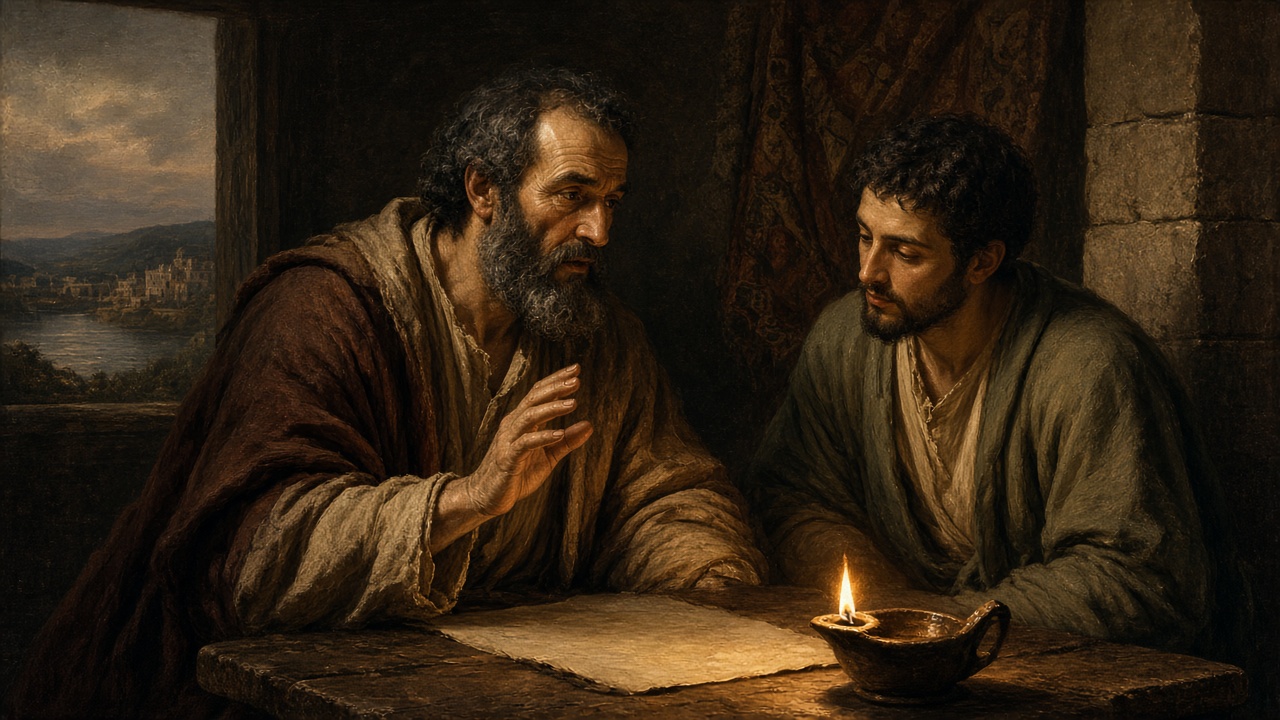
Comfort in Affliction and a Changed Visit
- The letter is addressed to the church of God in Corinth and to all the saints throughout Achaia. Corinth stood on the isthmus joining the Peloponnesus to mainland Greece, about forty-eight miles west of Athens. The city of New Testament times had been rebuilt about a century after the Romans destroyed the ancient city in 146 B.C., was peopled by a colony of freedmen from Rome, and became the Roman seat of government for Achaia, the province covering southern Greece.Sources: the Bible text itself · Corinth · Achaia
- Paul writes that he and his companions met hardships in the province of Asia that were far beyond their ability to endure, so that they despaired even of life and felt they were under a sentence of death. In this sense, Asia is Proconsular Asia, a Roman province in the western part of Asia Minor, of which Ephesus was the capital.Sources: the Bible text itself · Asia
- He had planned to visit Corinth on the way to Macedonia, return from Macedonia, and then have the Corinthians help him on to Judea, but he says he did not return to Corinth in order to spare them. Macedonia was the Roman province north of Greece, while, under the Romans in the time of Christ, Judea was the southernmost of the three divisions of Palestine and part of the province of Syria. Timothy is named with Paul as a sender of the letter, and the chapter recalls that Jesus Christ was proclaimed in Corinth by Paul, Silvanus, and Timothy; Silvanus is the name used in the epistles for Silas, a prominent member of the church in Jerusalem and a companion of Paul.Sources: the Bible text itself · Macedonia · Judea · Silas
Notes written with AI assistance from open sources (Theographic Bible Metadata, CC BY-SA 4.0; Easton’s Bible Dictionary, public domain) and reviewed before publishing.
Places in this chapter
- Achaia · 38.720, 22.540 · verse 1
- Corinth · 37.906, 22.879 · verses 1, 23
- Asia · 38.400, 28.300 · verse 8
- Judea · Today: Judea 1 · 31.777, 35.234 · verse 16
- Macedonia · 41.600, 22.540 · verse 16
Only places identified with high confidence are shown (90% or more according to the scholarly sources compiled by OpenBible). Period map: DARE (Digital Atlas of the Roman Empire), CC BY 4.0; modern map: © OpenStreetMap contributors; places: OpenBible.info (CC BY 4.0).
Credits and license for this translation
Biblica® Open Nova Bíblia Viva 2007
Portuguese: Biblica® Open Nova Bíblia Viva 2007 (Bible)
copyright © 2007, 2010 Biblica, Inc.
Language: Português
Dialect: Brazil
Contributor: Biblica, Inc.
Biblica® Open Nova Bíblia Viva™
Copyright © 2007, 2010 by Biblica, Inc.
“Biblica” é uma marca registrada na Oficina de Patentes e Marcas dos Estados Unidos por Biblica, Inc. Usado com permissão.
“Biblica” is a trademark registered in the United States Patent and Trademark Office by Biblica, Inc. Used with permission.
――――――
Creative Commons license
This work is made available under the Creative Commons Attribution-ShareAlike 4.0 International License (CC BY-SA). To view a copy of this license, visit https://creativecommons.org/licenses/by-sa/4.0 or send a letter to Creative Commons, PO Box 1866, Mountain View, CA 94042, USA.
You have permission to copy and distribute this Work, as long as you do not change it and you keep the title as it is. Changing or translating this Work will create a derivative work. When you publish this derivative work, you must list what changes you have made where people can see them, such as on a website. You must also show where the original Work is from: “The original Work by its copyright holders is available for free at www.biblica.com and open.bible .”
Notice of copyright must appear on the title or copyright page of the work as follows:
Biblica® Open Nova Bíblia Viva™
Copyright © 2007, 2010 by Biblica, Inc.
“Biblica” é uma marca registrada na Oficina de Patentes e Marcas dos Estados Unidos por Biblica, Inc. Usado com permissão.
“Biblica” is a trademark registered in the United States Patent and Trademark Office by Biblica, Inc. Used with permission.
You must also make your derivative work available under the same license (CC BY-SA).
If you would like to notify Biblica, Inc. regarding your translation of this work, please contact us at https://open.bible/#feedback .
This translation is made available to you under the terms of the
Creative Commons Attribution Share-Alike license 4.0.
You have permission to share and redistribute this Bible translation in any format and to make reasonable revisions and adaptations of this translation, provided that:
You include the above copyright and source information.
If you make any changes to the text, you must indicate that you did so in a way that makes it clear that the original licensor is not necessarily endorsing your changes.
If you redistribute this text, you must distribute your contributions under the same license as the original.
Pictures included with Scriptures and other documents on this site are licensed just for use with those Scriptures and documents.
For other uses, please contact the respective copyright owners.
Note that in addition to the rules above, revising and adapting God's Word involves a great responsibility to be true to God's Word. See Revelation 22:18-19.
2025-05-20
Section headings adapted from the Berean Standard Bible (public domain); they are not part of this translation’s text.
Source: http://ebible.org/poronbv/ · eBible.org