2 Samuel 7
Waratau Siaga Tatuei mo Vilegi · Tap a verse to see its cross-references.

About this book
About 2 Samuel
- Easton's Bible Dictionary (1897) says the books of Samuel were probably written by Samuel, Gad, and Nathan. According to that entry, Samuel penned the first twenty-four chapters of the first book; Gad, David's companion, continued the history, and Nathan completed it, probably arranging the whole. The entry gives no date of writing, but says Second Samuel covers perhaps fifty years, the reign of David.Sources: Easton: Samuel, Books of
- After Saul's death, David was made king over Judah and reigned in Hebron, while Abner, commander of Saul's army, had Ish-bosheth proclaimed king. Ish-bosheth reigned at Mahanaim, beyond the Jordan, and a state of war existed between the two kings. Joab, captain of the host throughout David's reign, led the assault on the fortress on Mount Zion in Jerusalem and for that service was raised to the rank of prince of the king's army.Sources: Abner · Mahanaim · Joab · Jerusalem
- Easton describes 2 Samuel as a history of David's reign, mainly in its political aspects: over Judah in chapters 1-4, and over all Israel in chapters 5-24. The last four chapters are treated as a sort of appendix, recording various events but not in chronological order. The books are not complete histories; frequent gaps appear because, in Easton's view, their aim is the gradual development of the kingdom of God rather than a full account of each reign.Sources: Easton: Samuel, Books of
- The Septuagint translators regarded the books of Samuel and of Kings as one continuous history, which they divided into four books called the Books of the Kingdom. The Vulgate followed this division but named them the Books of the Kings, so the books called First and Second Samuel in modern Protestant versions were the First and Second Books of Kings. Easton also notes that the account of David's sin in the matter of Bathsheba, in 2 Samuel 11:2-12:29, is omitted from the corresponding passage in 1 Chronicles 20.Sources: Easton: Samuel, Books of
Notes written with AI assistance from open sources (Theographic Bible Metadata, CC BY-SA 4.0; Easton’s Bible Dictionary, public domain) and reviewed before publishing.
Waratau noi Huqe lawe Devet
1Lo tagugi a ratahigi mo toga surigi lolo valena me a Huqe mo bete lawea mangana dena nona tavalui vuro sao doluegi dalie, 2ratahigi mo veve lawe Natan tangaloi ligoligogi, “Neu nge, nam toga lolo vale rau veie lo gai siaga a tora, nge a Angai Waratau noi Huqe Mauri mo eno mo sigei lolo vale siusiu.”
3Natan mo duvi lawe ratahigi vena, “Havagi mo eno lolo domimu, vano gom vaie, ba huri i Huqe ngeie meigo.” 4Nge lolo bongi hinge a leo noi Huqe mo vumai lawe Natan, mo veve vena: 5“Go vano go veve lawe nongu tangaloi tabanagi Devet, ‘Nge lehe a havai i Huqe u veve: Hatie, nigo goin mese bulu na valengu vena nain toga lolona. 6Neu hateve nau toga lolo vale lo tarogi hi neu nau laire ngere Israel dena Ijib mo dadari bagataha. Neu nau gilu lategi lolo vale siusiu mo voragi valengu. 7Lolo ute ngere hi nam gilu lategi meire Israel doluegi, neu nau veve lawe na nora tomtomuegi vena rain tomuegi na nongu sinobu tau Israel, nge i neu hateve nau veve lawera vena. “Huri na havai gohe vutu na valengu tea lo gai siaga hi a tora?”’ 8Siu siserigi lehe, goin veve lawe na nongu tangaloi tabanagi Devet vena, ‘Nge lehe a havai i Huqe Managi u veve: Nau leigo dena duvu garea, me dena nomu tabana hi gom tomuegi sibsib, vena goin voragi leogoroi nongu sinobu tau Israel. 9Nau dige meigo tavohe gom vano logo logo, me nau vei vohogi doluegi na nomu tavului vuro denigo. Siserigi lehe neu nain vei na henamu vin lawoa, mwere na henara tangaloi lalawoa tau lolo ure. 10Me neu nain vei rarai na tantano huri na nongu sinobu tau Israel siu nain vei rarai hurire huri vena ngere rai togagi venue sibora me rain mese tatu taligu. A tangaloi esi rain mese saugi nire taligu, mwere hi rau vei lo tavuigi, 11siu nau vei lo tavuigi nau vile wahe na tangaloi vagamwasoi sao goro na nongu sinobu tau Israel. Mwerehi, neu nain bete lawego vage mangana dena nomu tavului vuro. A Huqe mo veve matamwasaragi lawego huri vena i Huqe sibona vin vei ragasi na babagi lo ratahigi lumu: 12Tavohe goi mate goin manga mei retubumu, neu nain ragasi na babagi lui netumu, ngeie hi netumu sibomu, me neu nain teu na nona ratahigi goro. 13Ngeie hi vin vutu na vale huri na henagu, siu nain teu na herei nona ratahigi goro vagituei. 14Neu nain voragi tamana, me ngeie vin voragi netungu. Tavohe mo vai gineu esi neu nain gagavoe gena gaitatali, mwerehi tangaloi ram tatali reneture. 15Nge a nongu vaigarea vin he vano te vohogi denie, mwere hi nau lei vohogi den Sol, ngehi nau lei vohogi siu nigo goin voragi ratahigi. 16Me dena babagi hi lumu mena nomu ratahigi goro vin eno vagituei lo nagongu, heremu vin teuana vagituei.’” 17Natan mo veve na leo ngere hi doluegi lawe Devet mwerehi i Huqe u vosangie lawea.
Tataro noi Devet lawe na Huqe
18Me i ratahigi Devet mo vano mo toga lo nagoi Huqe, me mo veve vena, “ Huqe Lawoa: I neu a tangaloi vurogi, me lo babagi hinge neu lune vage, huri i nigo gu vei eu nam voragi na ratahigi. 19Nge mwere vena he tatarise tea lo matamu, Huqe Lawoa, nigo gu veve vage huri na taro mo vumai mo sigei huri lo babagi lui nomu tangaloi tabanagi. Huqe Lawoa, neu a tangaloi hogosie! 20Neu nahe navu na gineu tea vage denigo, Huqe Lawoa ba huri nigo gu ilo na nom tangaloi tabanagi. 21Mo huri na nomu leo me mo huri na nomu tarani, nigo gu vei na gineu lalawoa me mo vaie mo vosangi ana lawe na nomu tangaloi tabanagi. 22Huqe Lawoa, nigo gu lawoa garagara hogo. Hate gategale mwereigo, hate Huqe vage nge i nigo hogosie, mwerehi gau rongo gena qero mai sibomai. 23Me hate tangaloi rau mwereire nomu sinobu tau Israel. A burigi gategale hogosie ngehinge i nigo gu vagamwasoire vena rain voragi nomu sibomu. Me gu vei na henamu sibona. Me gu vei gineu lalawoa gagarea, siu huri gu livusi na taureure sao mena nora huqe sao dena nom sinobu, ngerehi gu vagamwasoire dena Ijib. 24Nigo gu vei na nom sinobu tau Israel mwere na nomu tavagi tuei. Me nigo, Huqe, gu voragi nora Huqe Mauri. 25Me siserigi lehe, Huqe Gogona, go wiribibi tavagi tuei a waratau hinge gu vei huri na nomu tangaloi tabanagi mei renetune. Vai mwere hinge gu warataugi, 26siu huri a henamu vin lawoa tavagi tuei. Siu sinobu rain veve vena, ‘I Huqe Managi huire garagara a Huqe goro na Israel!’ Me a babagi lo nomu tangaloi tabanagi Devet vin veiana lolo matamu mwerehi gom tarani. 27Huqe Managi, Huqe Mauri tau Israel, nigo gu haharagi lawe na nomu tangaloi tabanagi, vena, ‘Neu nain ragasi na babagi lo ratahigi lumu.’ Huri tangaloi nom tabanagi u hamqe na gaiture lo tataro a tataro hi lawego. 28Huqe Lawoa, nigo a Huqe Mauri! Nom leo rau hogo, me nigo gu warataugi na gineu gagarea lawe na nom tangaloi tabanagi. 29Siserigi hi goin rongo garea huri goin vei gareagi na babagi lo nom tangaloi tabanagi, hurive vin vano rorongo tavagi tuei lolo matamu; huri nigo HUQE Lawoa gu veve, siu mena nomu vaigareagi lo babagi hi lo nom tangaloi tabanagi vin garea tavagi tuei.”
Did you know?
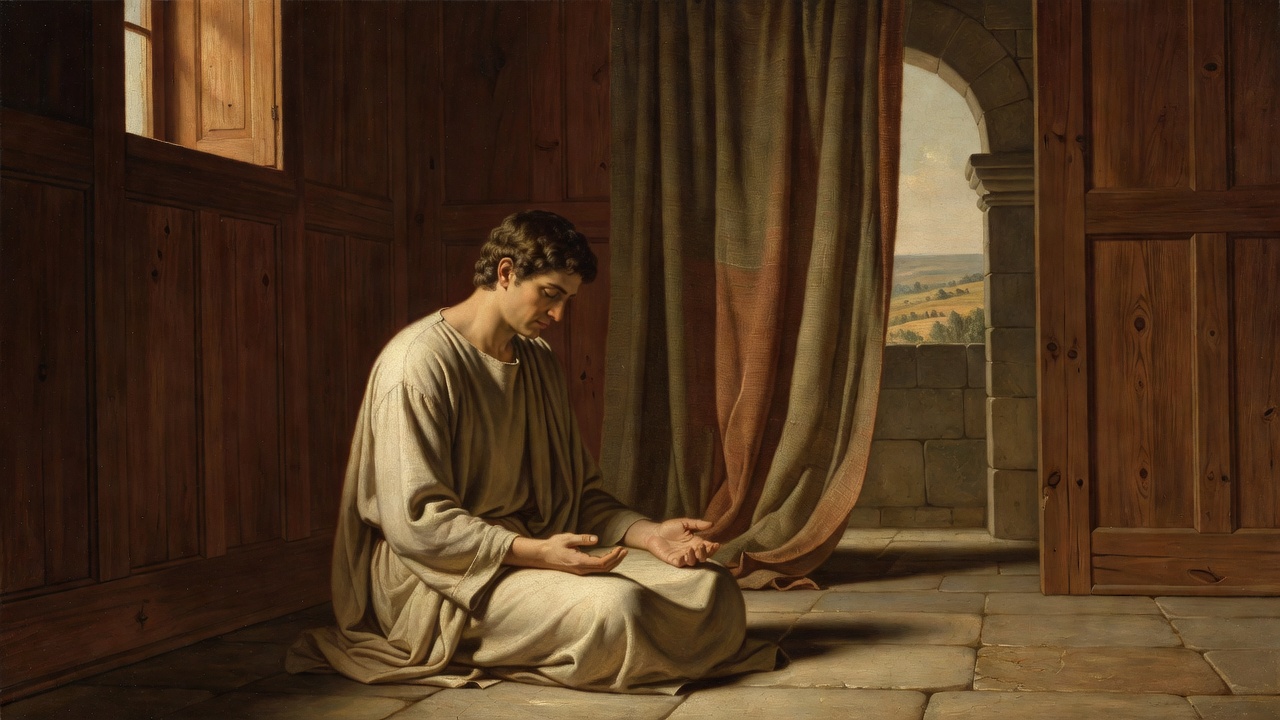
God's Covenant with David
- The prophet Nathan appears here for the first time in the biblical record. He served as a trusted advisor during the reigns of David and Solomon, later guiding David's royal succession and confronting the king during critical moments.Sources: Nathan · the Bible text itself
- When David proposed building a permanent temple of cedar, God responded with a play on the word "house." Instead of David building a physical house for the ark, God promised to build David an enduring "house"—a royal dynasty whose throne would be established forever.Sources: the Bible text itself · David
- God reminded David that since leading Israel out of Egypt, His presence had moved about in a tent rather than dwelling in a fixed cedar building, underscoring the mobile sanctuary that had accompanied the nation across generations.Sources: the Bible text itself · Egypt
Notes written with AI assistance from open sources (Theographic Bible Metadata, CC BY-SA 4.0; Easton’s Bible Dictionary, public domain) and reviewed before publishing.
Places in this chapter
Only places identified with high confidence are shown (90% or more according to the scholarly sources compiled by OpenBible). Period map: DARE (Digital Atlas of the Roman Empire), CC BY 4.0; modern map: © OpenStreetMap contributors; places: OpenBible.info (CC BY 4.0).
Credits and license for this translation
Waratau Siaga Tatuei mo Vilegi
Ambae, East: Waratau Siaga Tatuei mo Vilegi (Old Testament)
copyright © 2022 Pioneer Bible Translators
Language: Havai (Ambae, East)
Contributor: The Seed Company
© Pioneer Bible Translators of Dallas, Texas, USA.
This translation is made available to you under the terms of the
Creative Commons Attribution Share-Alike license 4.0.
You have permission to share and redistribute this Bible translation in any format and to make reasonable revisions and adaptations of this translation, provided that:
You include the above copyright and source information.
If you make any changes to the text, you must indicate that you did so in a way that makes it clear that the original licensor is not necessarily endorsing your changes.
If you redistribute this text, you must distribute your contributions under the same license as the original.
Pictures included with Scriptures and other documents on this site are licensed just for use with those Scriptures and documents.
For other uses, please contact the respective copyright owners.
Note that in addition to the rules above, revising and adapting God's Word involves a great responsibility to be true to God's Word. See Revelation 22:18-19.
2025-05-20
Source: http://ebible.org/omb/ · eBible.org