John 17
Abware̱se̱ŋ Wo̱re̱-ɔ · Tap a verse to see its cross-references.
Ane̱ŋ ne̱ Yeesuu a ko̱re̱ ke̱bware̱ko̱re̱ sa mò̱ agyase̱po̱‑ɔ na Kristoo awuye pɛɛɛ‑ɔ
1Yeesuu a tɔwe̱ amo̱‑ɔ lo̱we̱‑ɔ, ne̱ ɔɔ de̱e̱re̱ Wuribware̱ se̱, ne̱ ɔ yɛ, “N se̱, mo̱ saŋ‑ɔ a fo̱. Sa mo̱ ke̱dabe̱ na wuraa, na n sa a ase̱sɛ ŋu fo̱ ke̱dabe̱ na wuraa ne̱ fo̱ de‑o, 2a le̱e̱ fe̱yɛ fo̱ ya sa mo̱ ke̱yaale̱ŋ ase̱sɛ pɛɛɛ se̱, na ŋ nya taa ŋkpa na kukyure ne̱ a mo̱ŋ de kɛɛ‑ɔ bo̱ sa bamo̱ pɛɛɛ ne̱ fo̱ a sa mo̱‑ɔ. 3Bamo̱ a de ŋkpa na kukyure mɔ ne̱ a mo̱ŋ de kɛɛ‑ɔ se̱‑ɔ, bo̱ nyi fo̱, Wuribware̱, ne̱ fo̱ wo̱re̱ kpeŋ e̱ gye̱ nyaŋpe̱‑ɔ, ne̱ bo̱ nyi mo̱, Yeesuu Kristoo, ne̱ fo̱ a suŋ mo̱ bo̱ kyo̱ŋwe̱ kaye̱ mɔ‑rɔ‑ɔ. 4Mo̱ a lo̱we̱ kusuŋ ne̱ fo̱ a sa mo̱ fe̱yɛ ŋ waa‑ɔ se̱‑ɔ, mo̱ a kaapo̱ fo̱ ke̱dabe̱ na wuraa kaye̱ mɔ‑rɔ. 5N se̱, sa a n kye̱na fo̱ ase̱ mbe̱yɔmɔ, na ŋ nya ke̱dabe̱ na wuraa ne̱ mo̱ aa fo̱ dɛɛ ane̱ de pwɛɛ ne̱ ane̱ a dɛɛ twe̱e̱ kaye̱ mɔ‑ɔ.
6Mo̱ a sa ne̱ mo̱ agyase̱po̱ mɔ ne̱ fo̱ a lee le̱e̱ kaye̱ mɔ‑rɔ sa mo̱‑ɔ pɛɛɛ a gyii fo̱. Bo̱ gye̱ fo̱ lee ne̱e̱, ne̱ fo̱ a taa bamo̱ sa mo̱. Ne̱ baa nu fo̱ kanɔ. 7Mbe̱yɔmɔ fe̱raa, bo̱ nyi fe̱yɛ ke̱tɔ ke̱maa ne̱ fo̱ a sa mo̱‑ɔ a le̱e̱ fo̱ ase̱ ne̱e̱. 8Ase̱ŋ ne̱ fo̱ a bo̱ sa mo̱‑ɔ ne̱ mo̱ a tɔwe̱ gywii bamo̱, ne̱ baa kɔɔre̱ amo̱ gyi. Bo̱ nyi fe̱yɛ kase̱ŋtiŋ si ne̱ mo̱ a le̱e̱ fo̱ ase̱ ba. Ne̱ baa kɔɔre̱ gyi fe̱yɛ fo̱ ya suŋ mo̱.
9Amo̱se̱‑ɔ, mo̱ e̱ ko̱re̱ ke̱bware̱ko̱re̱ mo̱ e̱ sa bamo̱ ne̱e̱. N gye̱ kaye̱‑rɔ ase̱sɛ pɛɛɛ ne̱ mo̱ e̱ ko̱re̱ mo̱ e̱ sa mbe̱yɔmɔ, amaa mo̱ agyase̱po̱ mɔ ne̱ fo̱ a sa mo̱‑ɔ ne̱ mo̱ e̱ ko̱re̱ ke̱bware̱ko̱re̱ mo̱ e̱ sa. 10Se̱sɛ ke̱maa ne̱ m bo̱ mò̱‑ɔ gye̱ fo̱ se̱sɛ ne̱e̱, ne̱ se̱sɛ ke̱maa ne̱ fo̱ bo̱ mò̱‑ɔ mɔ gye̱ mo̱ se̱sɛ. Ne̱ mo̱ ke̱dabe̱ a bo̱rɔ bamo̱ se̱ le̱e̱ kawu. 11Ne̱ mbe̱yɔmɔ mo̱ e̱ ba fo̱ ase̱. Ma lɛɛ kye̱na kaye̱‑rɔ. Amaa bamo̱ fe̱raa, bo̱ te kaye̱ mɔ‑rɔ ne̱e̱. N se̱ kpe̱yaa, mo̱ e̱ ko̱re̱ fo̱ fe̱yɛ fo̱ ba fo̱ ke̱nyare̱ ne̱ fo̱ a be̱e̱ sa mo̱‑ɔ ke̱yaale̱ŋ bo̱ kuŋ bamo̱, na bo̱ nya waa ko̱ko̱ŋko̱, fe̱yɛ ane̱ŋ ne̱ mo̱ aa fo̱ e̱ gye̱ ko̱ko̱ŋko̱‑ɔ. 12Mo̱ a bo̱ bamo̱ ase̱‑ɔ, ne̱ mo̱ a ba ke̱nyare̱ amo̱ ne̱ fo̱ a sa mo̱‑ɔ ke̱yaale̱ŋ bo̱ kuŋ bamo̱. Ane̱ŋ se̱‑ɔ, bamo̱ ɔko̱ŋko̱ mo̱ŋ fo̱, amɔ odiburopo̱ ne̱ fo̱ a kyɔ tɔwe̱ fe̱yɛ ɔ fo̱‑ɔ, na ane̱ŋ ne̱ baa kyo̱rɛɛ waa abware̱se̱ŋ wo̱re̱‑ɔ‑rɔ‑ɔ nya waa kase̱ŋtiŋ.
13Ne̱ mbe̱yɔmɔ mo̱ e̱ ba fo̱ ase̱ ne̱e̱. Mo̱ e̱ tɔwe̱ ase̱ŋ mɔ kaye̱ mɔ‑rɔ ne̱e̱ na bo̱ nya nya mo̱ kakatɔgyi ne̱ n de‑o bamo̱ ŋkpo̱nɔ‑rɔ bwe̱e̱tɔ. 14Mo̱ a tɔwe̱ fo̱ ase̱ŋ gywii bamo̱, ne̱ kaye̱ mɔ‑rɔ ase̱sɛ a kisi bamo̱, bo̱ le̱e̱ ane̱ŋ ne̱ bo̱ mo̱ŋ tii kaye̱ mɔ‑rɔ a ase̱sɛ‑ɔ se̱‑ɔ, fe̱yɛ ane̱ŋ dɛɛ ne̱ ŋ gbaa mo̱ŋ tii kaye̱ mɔ‑rɔ a ase̱sɛ‑ɔ se̱‑ɔ. 15Ma ko̱re̱ fo̱ ne̱e̱ fe̱yɛ fo̱ lee bamo̱ le̱e̱ kaye̱ mɔ‑rɔ. Amaa ke̱tɔ ne̱ mo̱ e̱ ko̱re̱ fo̱ bwe̱e̱tɔ‑ɔ e̱ gye̱ fe̱yɛ fo̱ kuŋ bamo̱ na bo̱ ma lwee Ɔbɔnsam ke̱sare̱e̱‑rɔ. 16Fe̱yɛ ane̱ŋ ne̱ mo̱ŋ tii kaye̱ mɔ‑rɔ a ase̱sɛ‑ɔ se̱‑ɔ, ane̱ŋ dɛɛ ne̱ bamo̱ gbaa bo̱ mo̱ŋ tii kaye̱ mɔ‑rɔ a ase̱sɛ‑ɔ se̱. 17Amo̱se̱‑ɔ, de̱e̱ sa a bo̱ gyii fo̱ kase̱ŋtiŋ‑o na bo̱ nya yɔwe̱ kaye̱ mɔ bo̱ sii kamɛɛ taa bamo̱ e̱ye̱e̱ bo̱ sa fo̱ kase̱ŋtiŋ‑no, a le̱e̱ fe̱yɛ fo̱ ase̱ŋ ne̱ fo̱ e̱ tɔwe̱‑ɔ gye̱ kase̱ŋtiŋ. 18Mo̱ a suŋ bamo̱ bo̱ kyo̱ŋwe̱ kaye̱‑rɔ ne̱e̱ fe̱yɛ ane̱ŋ dɛɛ ne̱ fo̱ a suŋ mo̱ bo̱ kyo̱ŋwe̱ kaye̱‑rɔ‑ɔ. 19Mo̱ a kperi bamo̱ se̱ taa mo̱ e̱ye̱e̱ bo̱ sa fo̱, na bamo̱‑ɔ bo̱ nya nya taa bamo̱ e̱ye̱e̱ bo̱ sa fo̱ kase̱ŋtiŋ‑no saŋ ke̱maa.
20Ne̱ mbe̱yɔmɔ mo̱ e̱ ko̱re̱ ke̱bware̱ko̱re̱ mo̱ e̱ sa bamo̱ ne̱ ba kɔɔre̱ mo̱ a bo̱ gyi bo̱ le̱e̱ mo̱ agyase̱po̱ mɔ abware̱se̱ŋ ko̱tɔwe̱‑ɔ se̱. 21Mo̱ ke̱bware̱ko̱re̱ e̱ gye̱ fe̱yɛ bamo̱ pɛɛɛ waa ko̱ko̱ŋko̱. Sa a mo̱ aa bamo̱ aa fo̱ waa ko̱ko̱ŋko̱. N se̱, sa a bo̱ waa ko̱ko̱ŋko̱ fe̱yɛ ane̱ŋ ne̱ mo̱ aa fo̱ gye̱ ko̱ko̱ŋko̱‑ɔ, na kaye̱‑rɔ ase̱sɛ nya kɔɔre̱ gyi fe̱yɛ fo̱ ya suŋ mo̱. 22Mo̱ a sa bamo̱ ke̱dabe̱ na wuraa ko̱ŋko̱ ne̱ fo̱ a sa mo̱‑ɔ dɛɛ, na bo̱ nya waa ko̱ko̱ŋko̱ fe̱yɛ ane̱ŋ ne̱ mo̱ aa fo̱ gye̱ ko̱ko̱ŋko̱‑ɔ. 23Na fo̱ sa a mo̱ aa bamo̱ a tii fo̱ se̱ waa ko̱ko̱ŋko̱ kpeŋ, na kaye̱ mɔ‑rɔ a ase̱sɛ‑ɔ nya ŋu fe̱yɛ fo̱ ya suŋ mo̱, ne̱ fo̱ e̱ kpa bamo̱ ase̱ŋ fe̱yɛ ane̱ŋ ne̱ fo̱ e̱ kpa mo̱ ase̱ŋ‑ɔ.
24N se̱, agyase̱po̱ ne̱ fo̱ a sa mo̱‑ɔ fe̱raa, ne̱ mo̱ e̱ kpa fe̱yɛ bo̱ ba mo̱ ase̱ mfe̱ŋ ne̱ mo̱ e̱ yɔ‑ɔ, na bo̱ nya ŋu mo̱ ke̱dabe̱ na wuraa, ke̱dabe̱ na wuraa ne̱ fo̱ a sa mo̱‑ɔ, a le̱e̱ fe̱yɛ fo̱ a kpa mo̱ ase̱ŋ pwɛɛ ne̱ ane̱ a dɛɛ twe̱e̱ kaye̱ mɔ.
25N se̱ timaa, kaye̱ mɔ‑rɔ a ase̱sɛ‑ɔ mo̱ŋ nyi fo̱, amaa ŋ nyi fo̱. Ne̱ mo̱ agyase̱po̱‑ɔ mɔ bo̱ nyi fe̱yɛ fo̱ ya suŋ mo̱. 26Mo̱ a sa ne̱ baa gyii fo̱. Amaa mo̱ e̱ kya se̱ a n sa a bo̱ gyii fo̱, na ke̱kpa ne̱ fo̱ de sa mo̱‑ɔ nya sii bamo̱ ŋkpo̱nɔ‑rɔ, na mo̱ aa bamo̱ waa ko̱ko̱ŋko̱.”
Did you know?
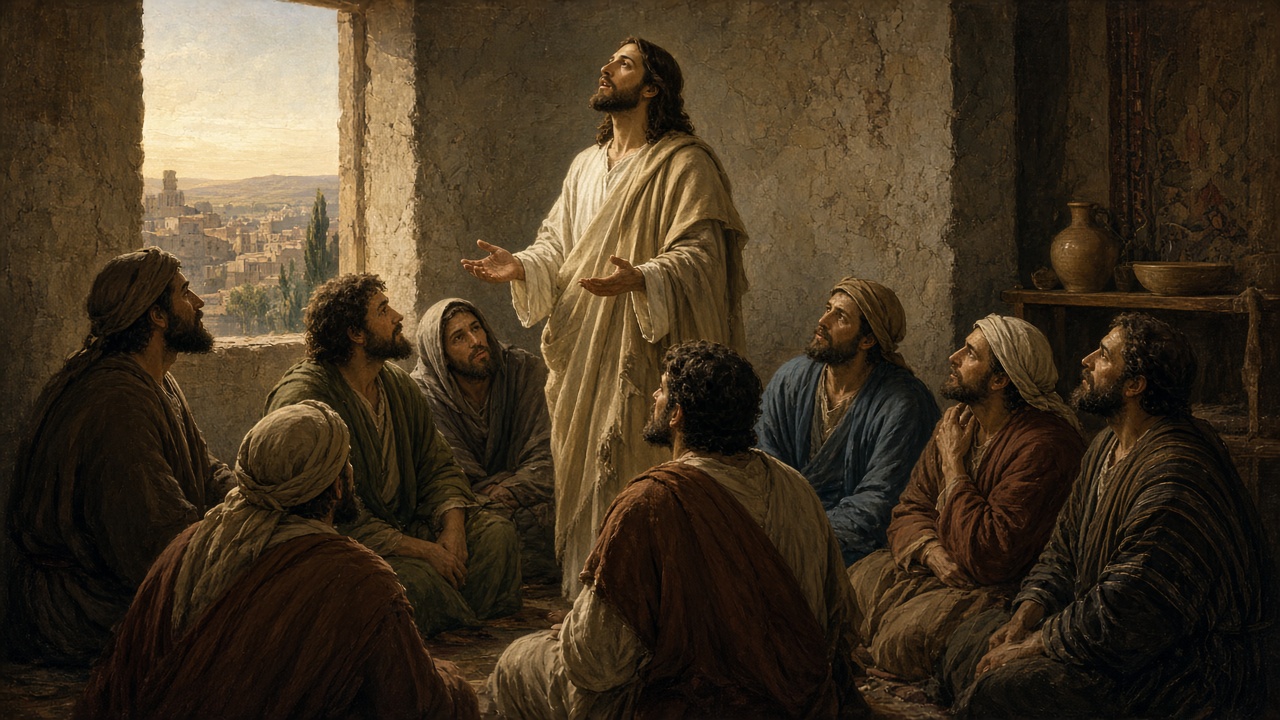
John 17: the hour has come
- The prayer opens when Jesus, having spoken these things, lifts his eyes to heaven and says that the hour has come. It is associated with the Upper Room Discourse, listed as lasting one day, and with Holy Week, listed as lasting eight days.Sources: the Bible text itself · Upper Room Discourse · Holy Week
- Here eternal life is knowing the only true God and Jesus Christ, whom the Father sent. Jesus also speaks of the glory he had with the Father before the world existed, and of the Father's love for him before the foundation of the world.Sources: the Bible text itself
- He prays for those the Father gave him out of the world, who have kept the word, and also for people who will believe through their message, asking that they may be one. He does not ask that they be taken out of the world, but that they be kept from the evil one and sanctified by the truth, which he identifies as the Father's word.Sources: the Bible text itself
Notes written with AI assistance from open sources (Theographic Bible Metadata, CC BY-SA 4.0; Easton’s Bible Dictionary, public domain) and reviewed before publishing.
Credits and license for this translation
Abware̱se̱ŋ Wo̱re̱-ɔ
New Testament in Chumburung (GH:ncu:Chumburung)
copyright © 2010 Wycliffe Bible Translators, Inc.
Language: Chumburung
Translation by: Wycliffe Bible Translators, Inc.
Copyright Information
© 2010, Wycliffe Bible Translators, Inc. All rights reserved.
This translation text is made available to you under the
terms of the Creative Commons License: Attribution-Noncommercial-No Derivative Works.
( http://creativecommons.org/licenses/by-nc-nd/3.0/ )
In addition, you have permission to port the text to different file formats, as long as you
do not change any of the text or punctuation of the Bible.
You may share, copy, distribute, transmit, and extract portions
or quotations from this work, provided that you include the above copyright
information:
You must give Attribution to the work.
You do not sell this work for a profit.
You do not make any derivative works that change any of the actual words or punctuation of the Scriptures.
Permissions beyond the scope of this license may be
available if you contact
us with your request.
The New Testament
in Chumburung
© 2010, Wycliffe Bible Translators, Inc. All rights reserved.
This translation is made available to you under the terms of the
Creative Commons Attribution-Noncommercial-No Derivatives license 4.0.
You may share and redistribute this Bible translation or extracts from it in any format, provided that:
You include the above copyright and source information.
You do not sell this work for a profit.
You do not change any of the words or punctuation of the Scriptures.
Pictures included with Scriptures and other documents on this site are licensed just for use with those Scriptures and documents.
For other uses, please contact the respective copyright owners.
2025-05-16
Source: http://ebible.org/ncuNT/ · eBible.org